Crafting the right Italy itinerary depends on how much time you have and your tolerance for packing up and moving. A well-planned route balances major sights like the Colosseum with slower moments in Tuscan piazzas. Planning your days carefully prevents transport fatigue and ensures you spend more time eating cacio e pepe than waiting on train platforms.
Before mapping out daily stops, review our complete Italy guide and broader Europe guide to understand regional differences. The north operates on a faster, more punctual rhythm, while the south embraces a slower pace.
Route Map Overview
The most efficient way to travel through Italy is linearly. Rather than booking a round-trip flight to Rome, book an open-jaw ticket. Flying into Rome Fiumicino (FCO) and out of Venice Marco Polo (VCE) or Milan Malpensa (MXP) saves you a full day of backtracking.
The classic Italian travel axis runs along the high-speed rail line connecting Naples, Rome, Florence, Bologna, and Venice/Milan. Our 7-day route sticks strictly to this line. The 10-day and 14-day options branch off into coastal regions and countryside villages where logistics require slightly more patience.
7-Day Italy Itinerary: The Classic Route
Seven days is the absolute minimum time needed to see Italy’s “Big Three” cities. This schedule is fast-paced and requires early starts. Fly into Rome and out of Venice.
Days 1-3: Rome
Arrive in Rome, drop your bags, and head straight into the Centro Storico. Spend your first afternoon walking from Campo de’ Fiori to Piazza Navona. You must now pay the €5 ($5-$6) entry fee for the Pantheon, and weekend visits require booking in advance. Toss a coin in the Trevi Fountain early in the morning or late at night to avoid the heaviest crowds.
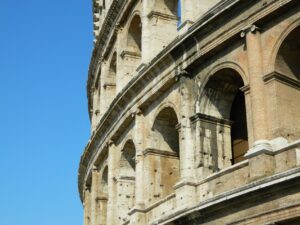
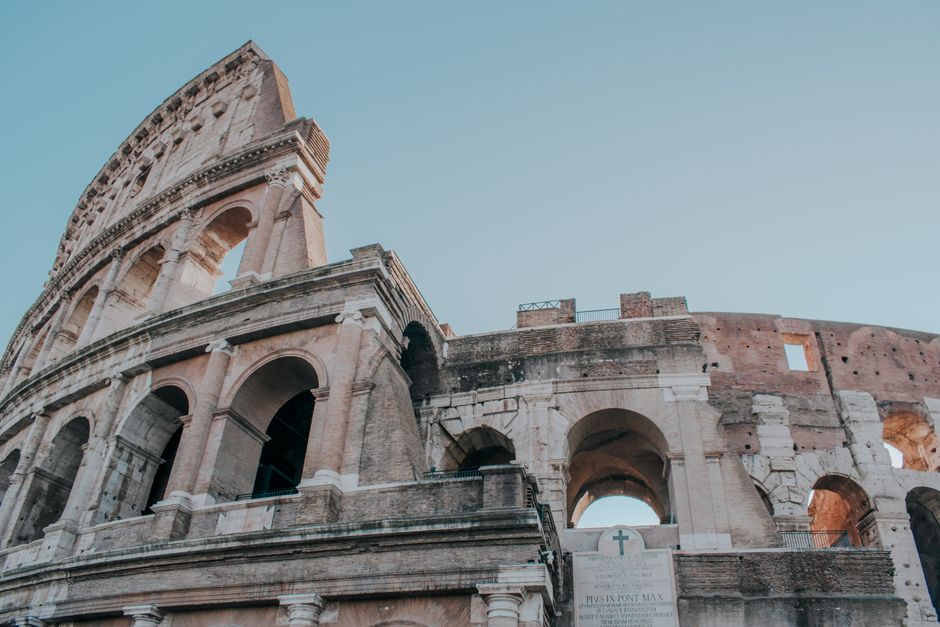
Dedicate your second day to Ancient Rome. The Colosseum, Roman Forum, and Palatine Hill take up a full morning. Book your tickets via the official archaeological park website months in advance, as third-party tours sell out rapidly. In the evening, cross the Tiber River to the Trastevere or Testaccio neighbourhoods for authentic Roman carbonara or amatriciana.
On day three, tackle Vatican City. An early access tour of the Vatican Museums and Sistine Chapel is essential to avoid the midday crush. Climb the dome of St Peter’s Basilica for sweeping views over St Peter’s Square. Retrieve your luggage and take a late afternoon fast train to Florence (1.5 hours, 275 km).
Days 4-5: Florence
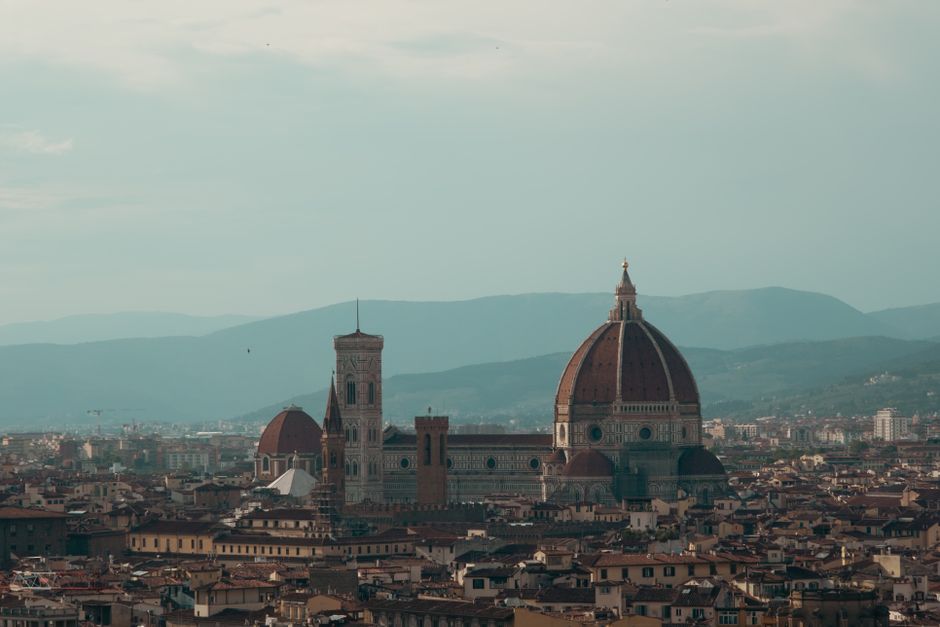
Florence is compact and entirely walkable. Start day four at the Accademia Gallery to see Michelangelo’s David (pre-booking is mandatory). Walk down Via dei Calzaiuoli to the Florence Duomo. If you want to climb Brunelleschi’s dome, you need a timed entry slot booked weeks prior. End the afternoon browsing the gold shops lining the Ponte Vecchio.
Spend the morning of day five in the Uffizi Gallery viewing Botticelli’s The Birth of Venus. Afterwards, cross the Arno River to the Oltrarno neighbourhood. Grab a schiacciata sandwich at Pino’s Sandwiches or All’Antico Vinaio, then walk up the steep paths to Piazzale Michelangelo for a sunset view over the city. Catch an evening train to Venice (2 hours, 260 km).
Days 6-7: Venice
Venice is a city of canals and narrow calli (streets). On day six, head to St Mark’s Square. If you are visiting on peak days in 2026, ensure you have paid the Venice Access Fee (€5, $5-$6) or registered for your overnight exemption. Tour the Doge’s Palace, cross the Bridge of Sighs, and ride Vaporetto Line 1 down the length of the Grand Canal.
Spend your final day away from the San Marco crowds. Visit the Rialto Market early in the morning to see the local seafood catch. Spend the afternoon getting intentionally lost in the Cannaregio or Dorsoduro districts. Spend your final evening hopping between bacari (wine bars) for cicchetti (Venetian tapas) like baccalà mantecato (creamed cod) before flying out of Venice Marco Polo Airport.
10-Day Italy Itinerary: Classics Plus the Coast
With ten days, you can add a coastal region to the classic trio. This route starts in the south and works its way north. Fly into Naples (NAP) or Rome, and out of Venice.
Days 1-3: Amalfi Coast
Base yourself in Sorrento (for better transport links) or Positano (for dramatic cliffside views). From Naples, take the Campania Express train or a private transfer to your base. Spend your first day settling in and walking the steep, bougainvillea-draped steps of Positano.
On day two, utilise the ferry network rather than the congested coastal road. Take a boat to Amalfi town to see the striking Duomo di Sant’Andrea, then catch the local bus up the mountain to Ravello for panoramic views from the gardens of Villa Rufolo. Read our Amalfi Coast Travel Guide for detailed ferry schedules and port locations.
Use day three for a trip to Pompeii. You can store your luggage at the Pompeii Scavi station while you explore the ancient ash-covered ruins. In the late afternoon, take the local Circumvesuviana train to Naples Centrale, then board a high-speed train to Rome (1 hour 15 minutes, 225 km).
Days 4-6: Rome
Follow the Rome itinerary from the 7-day route. With three full days, you have time to add a visit to the Borghese Gallery (strict two-hour timed entries) or explore the ancient catacombs along the Appian Way. Take the train to Florence on the evening of day six.
Days 7-8: Florence
Follow the Florence itinerary above. Because your time is slightly compressed, focus purely on the historic centre. Prioritise the Uffizi, the Duomo, and eating a massive Florentine steak (Bistecca alla Fiorentina) at a traditional trattoria like Trattoria Mario.
Days 9-10: Venice
Arrive in Venice by train. Spend day nine ticking off St Mark’s Basilica and the Doge’s Palace. On day ten, take a Vaporetto ride to the outer islands. Visit Murano for its historic glassblowing furnaces and Burano for its brightly coloured fisherman houses and lace-making traditions. Depart from Venice.
14-Day Italy Itinerary: The Grand Tour
Two weeks allows you to experience the distinct cultures of Italy’s south, centre, and north. This route requires stamina but covers the country’s most iconic landscapes. Fly into Rome and out of Milan.
Days 1-3: Rome
Execute the Rome itinerary as detailed in the 7-day route. Ensure you pace yourself; drinking water from the free public fountains (nasoni) is essential during warmer months.
Days 4-6: Florence and the Tuscan Countryside
Take the morning train to Florence. Spend days four and five exploring the Renaissance city, the Uffizi, and the Accademia. On day six, rent a car from the Florence airport or train station area. Drive south along the SR222 Chiantigiana road into the Chianti wine region.
Stop for wine tasting in Greve in Chianti or Castellina. Continue to Siena to see the shell-shaped Piazza del Campo and the striking striped marble columns of the Siena Duomo. Return your rental car in Florence that evening.
Days 7-8: Cinque Terre
Take a regional train from Florence to La Spezia (about 2.5 hours), where you will connect to the local Cinque Terre Express train. Base yourself in Monterosso (which has the largest beach) or Vernazza. Spend these two days hiking the open sections of the Blue Trail (Sentiero Azzurro) connecting the five villages.
You will need a Cinque Terre Card to access the hiking trails and local trains. Check our Cinque Terre Guide for current trail closures, as landslides frequently shut down coastal paths.
Days 9-11: Venice
Travel by train from La Spezia to Venice. This is a longer travel day (around 4.5 hours with a change in Milan or Florence). Spend three nights in Venice, which allows you to experience the city after the cruise ship crowds depart. Explore the Peggy Guggenheim Collection and wander the quiet sestiere (district) of Castello.
Days 12-13: Lake Como
Take the fast train from Venice to Milan Centrale (2.5 hours), then connect to a regional train heading north to Varenna-Esino (1 hour, 75 km). Base yourself in the picturesque town of Varenna.
Use the mid-lake ferry to hop between Varenna, Menaggio, and Bellagio. Visit the immaculate gardens of Villa del Balbianello in Lenno, famous for its appearances in major films. Read our Lake Como Travel Guide for tips on navigating the ferry system.
Day 14: Milan
Take the short train ride back to Milan. Store your bags at your hotel or the station. Walk the roof of the Milan Duomo, surrounded by intricate gothic spires. If you want to see Da Vinci’s The Last Supper at Santa Maria delle Grazie, you must book tickets exactly when they are released (usually three months in advance). Depart from Milan Malpensa Airport (MXP).
Getting Between Stops
High-speed trains are the backbone of any Italian itinerary. They are faster, more comfortable, and often cheaper than flying or driving between major cities. Two companies operate the high-speed network: the state-run Trenitalia (running Frecciarossa trains) and the private operator Italo.
Both offer modern carriages with Wi-Fi, air conditioning, and speeds reaching 300 km/h. Fares range from $25 to $120 depending on how early you book. Consult our detailed comparison on Train Travel in Italy: Trenitalia vs Italo for booking strategies and luggage policies.
| Route | Transport Type | Average Time | Distance |
|---|---|---|---|
| Rome to Florence | High-Speed Train | 1 hr 30 mins | 275 km |
| Florence to Venice | High-Speed Train | 2 hrs 15 mins | 260 km |
| Naples to Rome | High-Speed Train | 1 hr 15 mins | 225 km |
| Venice to Milan | High-Speed Train | 2 hrs 30 mins | 270 km |
| Milan to Lake Como (Varenna) | Regional Train | 1 hr 5 mins | 75 km |
Adjusting for Season and Budget
Your itinerary experience will change drastically depending on when you travel. Summer brings intense heat, often exceeding 35°C (95°F) in Rome and Florence, alongside peak crowds and premium hotel prices. If you travel in July or August, plan indoor museum visits or rest periods between 1:00 PM and 4:00 PM.
Shoulder seasons (May, September, and October) offer mild weather, generally hovering around 20°C to 25°C (68°F to 77°F). Review our post on the Best Time to Visit Italy: Weather and Seasons by Region to align your dates with your preferred climate.
Costs vary depending on your travel style. A mid-range trip, staying in comfortable boutique hotels and eating at traditional trattorias, averages $150 to $250 per person per day. See Italy Travel Cost: How Much Does a Trip Cost? for a granular breakdown of accommodation, food, and transport expenses.
Plan Your Trip
Before you book your flights, ensure your paperwork is in order. In 2026, the ETIAS visa waiver is fully operational. US, UK, and Australian citizens must apply online for this authorisation before departure. See our guide to Italy Visa and Entry Requirements for the application steps.
While violent crime is incredibly rare, petty theft is common. Pickpocketing is the main concern around major sights like the Trevi Fountain or on crowded transport like the Rome Metro or Venice Vaporettos. Read Is Italy Safe to Visit? Safety Tips for Travellers to learn how to secure your belongings.
Finally, familiarise yourself with local rhythms. Always validate regional paper train tickets before boarding, carry some euros in cash for small purchases or public toilets, and remember that restaurants rarely open for dinner before 7:30 PM. Check our Italy Travel Tips: What to Know Before You Go to navigate the country like a local.