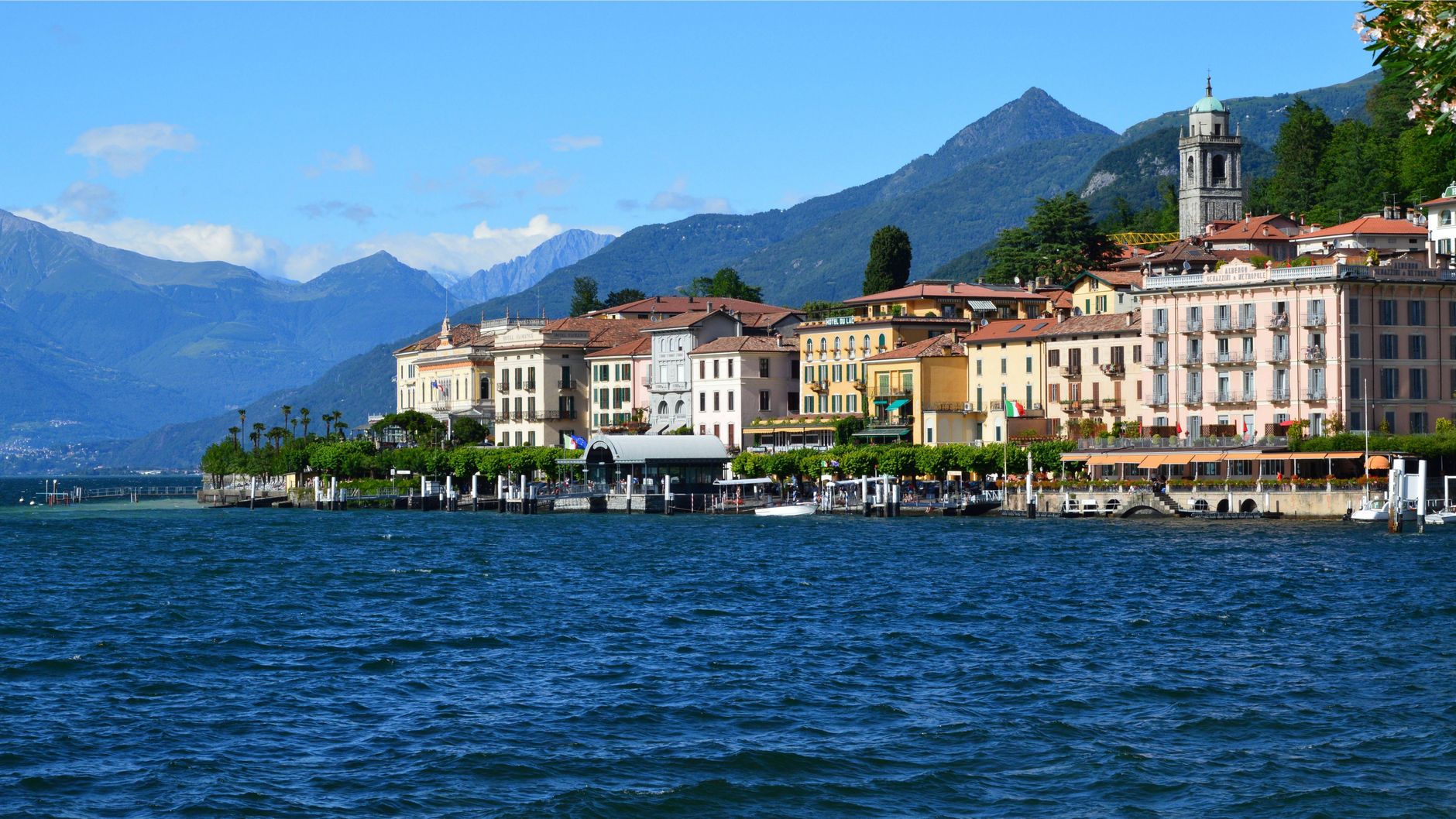
Lake Como is an inverted Y-shaped glacial lake in Northern Italy’s Lombardy region, famous for its dramatic Alpine scenery, historic villas, and elegant mid-lake towns like Bellagio and Varenna. This Lake Como guide covers the practical logistics of navigating the ferry system, choosing the right town for your base, and touring the botanical gardens without getting stuck in crowds. Planning your transport and accommodation well in advance is essential, especially from May to September. For a broader overview of the country, start with our comprehensive Italy guide.
The Essentials: Lake Como Guide to Getting Started
Lake Como sits just 50 km north of Milan, making it highly accessible for international travellers. It is the third-largest lake in Italy, but its steep, forested shores and deep waters give it a distinct, dramatic feel compared to Lake Garda or Lake Maggiore. The lake is divided into three branches that meet at the central mid-lake area, which is the primary focus for most visitors.
If you are planning a wider trip, Lake Como is a classic stop on any Europe guide itinerary. The main draw here is the combination of grand 18th-century architecture, terraced botanical gardens, and the relaxed pace of moving between towns by boat.
How to Get to Lake Como
The easiest way to reach the lake is by train from Milan. If you fly into Milan Malpensa Airport (MXP), you can take the Malpensa Express train to Milano Centrale station. From there, direct regional trains run to the lake.
Your destination station depends on where you are staying. To reach the mid-lake area directly, take the train from Milano Centrale to Varenna-Esino, which takes about one hour. If you are staying in the city of Como at the southern tip of the western branch, take the train to Como San Giovanni, which takes about 40 minutes.
Understanding train travel in Italy is crucial here. Regional train tickets to Varenna or Como cost between $6 and $10. You do not need to book these regional trains months in advance, but buying tickets on the Trenitalia app saves you from queuing at station machines.
Getting Around the Lake
Ferries operated by Navigazione Laghi are the lifeblood of Lake Como. The roads around the lake are narrow, winding, and prone to heavy traffic, making boats the most efficient and scenic way to travel.
There are three main types of boats: slow ferries (battello), fast hydrofoils (aliscafo), and car ferries (traghetto). The mid-lake shuttle connects Bellagio, Varenna, Menaggio, and Cadenabbia frequently throughout the day. A single mid-lake ticket costs around $5 to $8, while a one-day unlimited pass for the central basin is roughly $18 to $22.
During the peak summer months, ferry queues can be long. Buy your tickets online in advance where possible, or purchase a day pass early in the morning to avoid queuing at the ticket office for every single journey.
| Route | Transport Type | Approximate Time | Estimated Cost (USD) |
|---|---|---|---|
| Milano Centrale to Varenna-Esino | Regional Train | 1 hour 5 mins | $6 – $9 |
| Varenna to Bellagio | Ferry (Mid-lake) | 15 mins | $5 – $6 |
| Como to Bellagio | Fast Hydrofoil | 45 mins | $15 – $18 |
| Como to Bellagio | Slow Ferry | 2 hours | $10 – $13 |
| Mid-Lake Day Pass | Ferry | Valid all day | $18 – $22 |
Where to Base Yourself
Choosing the right town dictates how you will spend your time. The mid-lake towns offer the best ferry connections and the classic Lake Como views.
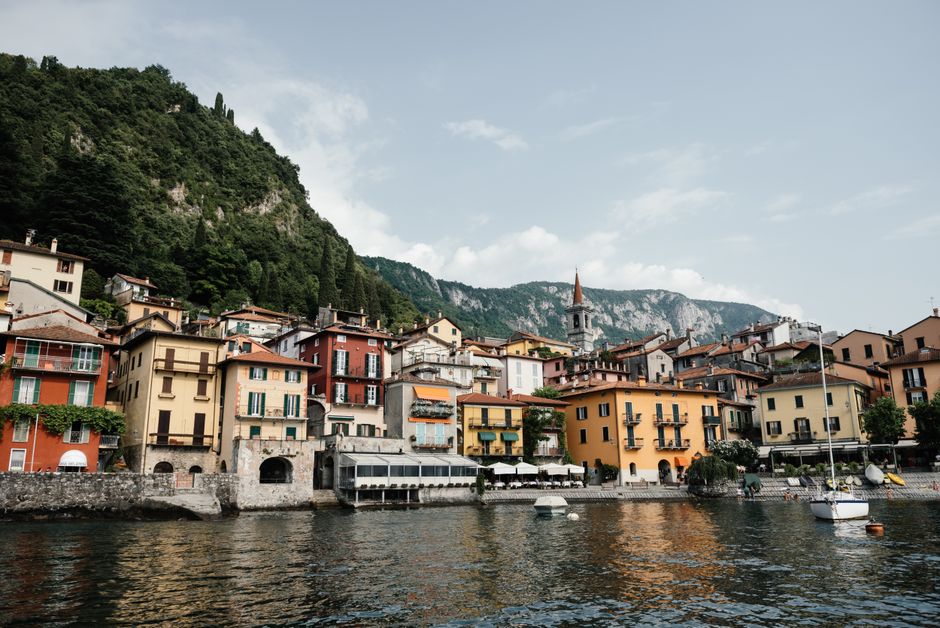
- Varenna: Located on the eastern shore, Varenna is the most convenient base because it has a direct train station to Milan. It features a romantic waterfront promenade and steep, narrow alleys leading up to the main square.
- Bellagio: Sitting exactly where the three branches of the lake meet, Bellagio is the most famous and upscale town. It has excellent high-end dining and shopping, but it lacks a train station, meaning you must arrive by ferry or bus.
- Menaggio: On the western shore, Menaggio has a flatter, more open layout with a large lakeside piazza. It is slightly less crowded than Bellagio and Varenna, making it a practical base for families.
- Tremezzina: This area includes Lenno and Tremezzo on the western shore. It offers immediate access to the best villas, but you will rely heavily on the C10 bus or ferries to reach a train station.
- Como City: The largest city on the lake sits at the bottom of the south-western branch. While it has a beautiful Gothic cathedral and excellent transport links, staying here means a slow two-hour ferry ride or a 45-minute fast boat to reach the famous mid-lake villas.
Best Things to Do and See
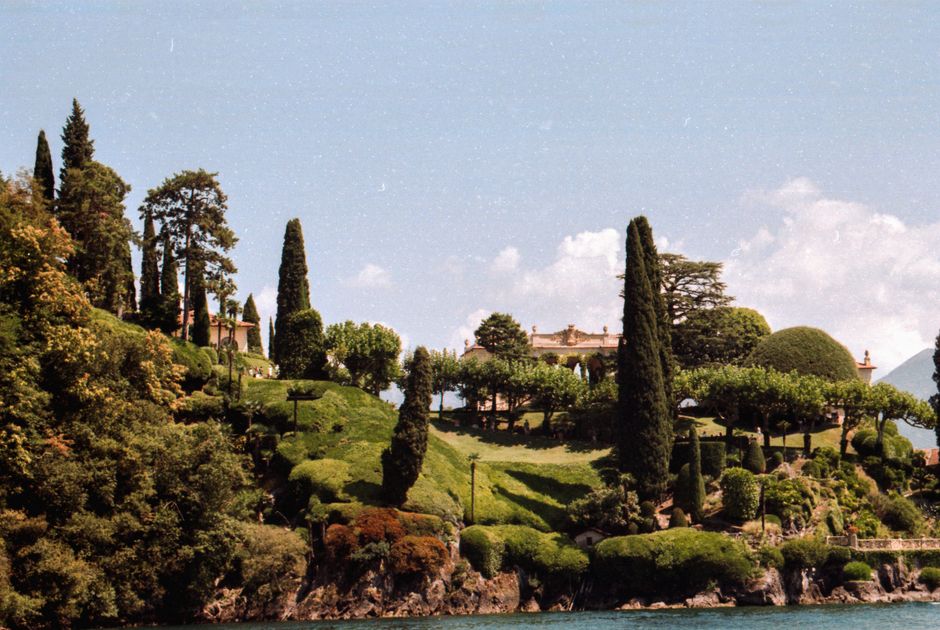
The historic villas and their immaculate gardens are the main attractions on Lake Como. Most villas open from mid-March to early November.
Villa del Balbianello: Located on a wooded peninsula in Lenno, this 18th-century villa is famous for its terraced gardens and appearances in major films. Access is via a 20-minute walk from Lenno or a short taxi boat ride. Tickets cost $13 to $25, and you must book entry slots weeks in advance.
Villa Carlotta: Situated in Tremezzo, this villa boasts 20 acres of botanical gardens, particularly famous for rhododendrons and azaleas blooming in spring. Entry is around $15.
Villa Monastero: In Varenna, this former convent features a narrow, 2 km-long garden stretching along the lakefront. It offers some of the best photography spots on the eastern shore.
Explore Bellagio’s Punta Spartivento: Walk to the very tip of the Bellagio peninsula for panoramic views looking north towards the Alps. It is a flat, easy walk from the town centre.
Rent a Classic Wooden Boat: For a different perspective, hire a private Venetian-style wooden taxi boat. A one-hour private tour typically costs $200 to $250. You can also rent a small 40hp motorboat without a boat licence for about $100 to $150 for two hours.
When to Visit Lake Como
The lake effectively shuts down for tourism during the winter. From November to February, most hotels, restaurants, and villas close, and ferry schedules are drastically reduced.
The season runs from March to October. Spring brings blooming gardens and temperatures around 15-20°C (59-68°F). Summer is the busiest and hottest period, with temperatures often reaching 30°C (86°F). If you visit in summer, book everything well ahead.
September and October offer a quieter experience with mild weather, usually hovering around 20°C (68°F). For a detailed breakdown of regional weather patterns, check our guide on the best time to visit Italy.
Lake Como Travel Costs and Budgeting
Lake Como is one of Italy’s more expensive destinations, particularly for accommodation. A mid-range hotel in Varenna or Bellagio typically costs $200 to $350 per night, while luxury properties easily exceed $800 per night.
Dining out varies. A casual pizza or pasta dish in a side street costs $15 to $20, but lakeside restaurants charge a premium, often $40 to $80 per person for a full meal with wine.
Transport and activities are relatively fixed. Budget $20 to $30 per day for ferries and $15 to $25 for each villa entry. For a broader look at daily expenses across the country, read our breakdown of budgeting for your Italy trip.
Mistakes to Avoid
Renting a car: Driving around Lake Como is stressful. The lakeside road (Strada Statale 340) is incredibly narrow, parking is scarce and expensive, and traffic jams are frequent. Rely on the trains and ferries instead.
Ignoring ferry schedules: The last ferries between the mid-lake towns often depart around 7:00 PM or 8:00 PM, depending on the season. If you miss the last boat, you will face a very expensive taxi ride to get back to your hotel.
Staying in the wrong town: Booking a cheap rental in a hillside village might seem like a good deal. However, if it requires a 30-minute bus ride to reach the ferry dock, you will waste hours of your day in transit.
Safety and Entry Requirements
Lake Como is a very safe destination. Violent crime is extremely rare, though you should watch out for pickpockets on crowded ferries and at the busy train stations in Milan before you arrive. Read more about keeping your belongings secure in our guide on whether it is safe to visit Italy.
Regarding entry, non-EU citizens can visit Italy for up to 90 days within a 180-day period. With the ETIAS system now active, you must apply for this electronic travel authorisation before your flight. Ensure your passport is valid for at least three months beyond your planned departure date. Full details are in our Italy visa and entry requirements guide.
Planning Your Lake Como Guide Itinerary
To see the main highlights without rushing, you need at least two to three full days. This allows you to spend one day exploring Varenna and Bellagio, and another day visiting the villas in Lenno and Tremezzo. If you are mapping out a larger trip, see our Italy itinerary options for 7, 10, and 14 days.
Many travellers combine the northern lakes with the southern coastlines. If you are deciding between coastal regions, compare the logistics in our Amalfi Coast guide and our Cinque Terre guide. Both offer dramatic scenery but require different transport strategies.
Before you finalise your plans, review our essential Italy travel tips to familiarise yourself with local dining customs and tipping etiquette.
Final Tips for Your Trip
Pack comfortable, flat shoes with good grip. The towns around the lake are built on steep hillsides, and you will be walking on uneven cobblestones and steep staircases daily.
Always carry some physical Euros. While cards are widely accepted at hotels and major restaurants, you will need small bills for quick coffees, gelato, and some smaller bus routes.
Finally, start your days early. The ferries and villas are quietest right when they open at 9:00 AM. Getting a head start allows you to enjoy the gardens before the day-trippers arrive from Milan.