Securing colosseum tickets is often the most stressful part of planning a trip to Rome, but the process is straightforward once you know the rules. The official website releases tickets exactly 30 days in advance. Knowing which type to buy—from standard entry to underground access—is key to a smooth visit. This guide breaks down exactly how to navigate the ticketing system, what it costs, and how to make the most of your time at this ancient wonder.
What to Expect at the Flavian Amphitheatre
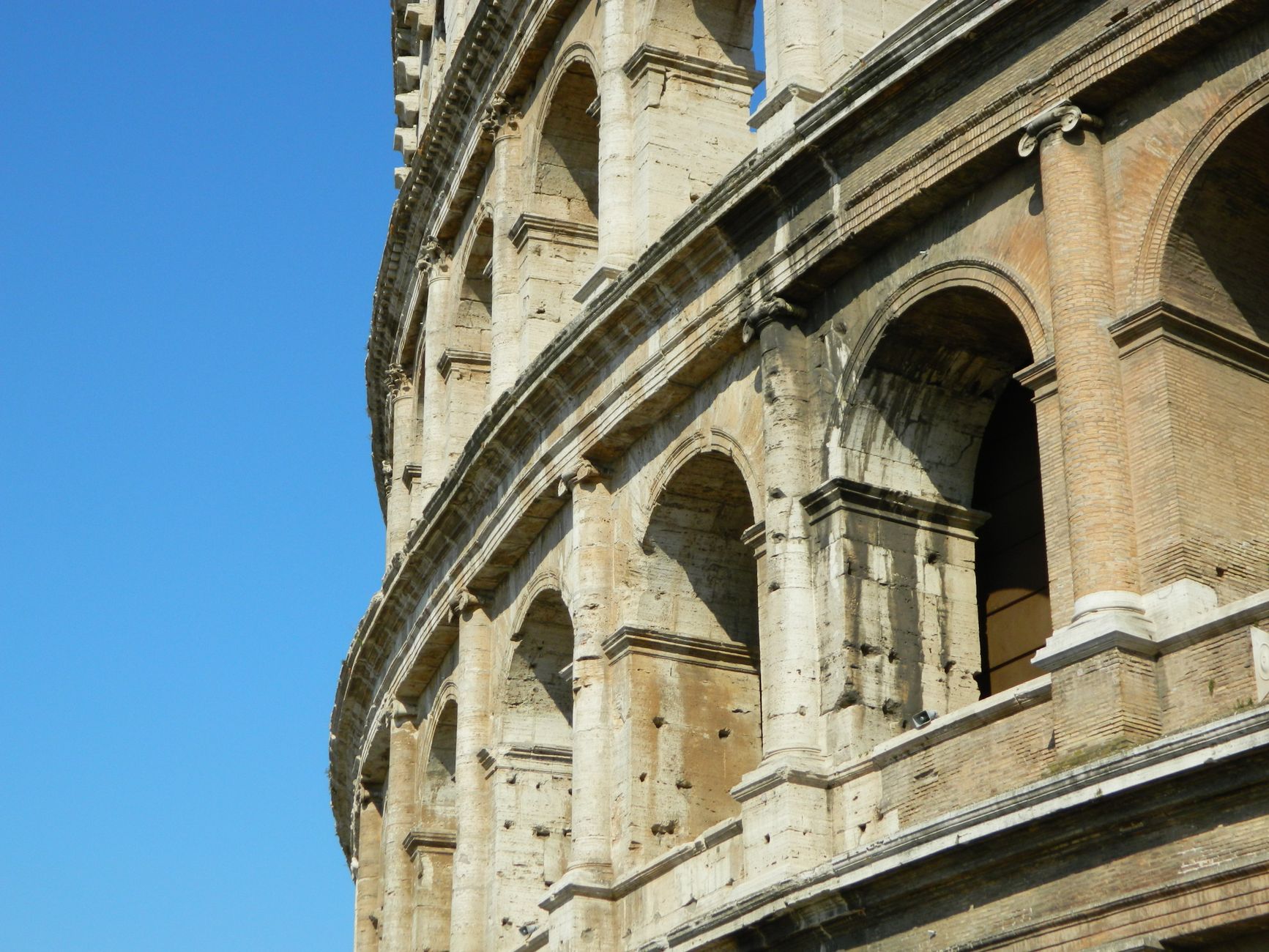
Completed in AD 80 under Emperor Titus, the Colosseum (originally known as the Flavian Amphitheatre) is the largest ancient amphitheatre ever built. Walking through its massive stone arches, you are stepping into a venue that once held up to 50,000 spectators. These crowds gathered to watch brutal gladiator battles, exotic animal hunts, and mock sea engagements. It remains one of the Best Things to Do in Rome, drawing nearly 15 million visitors a year.
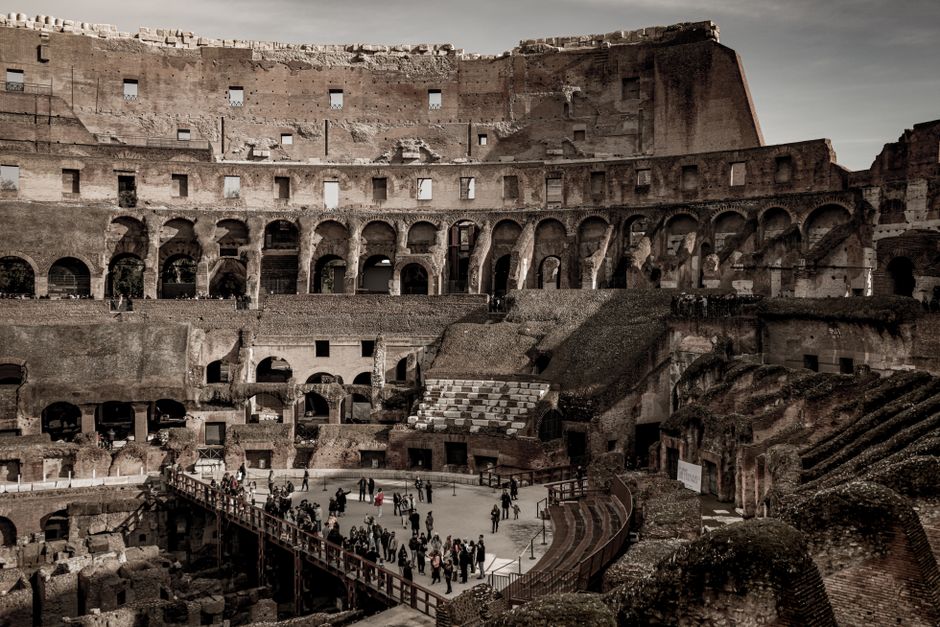
Today, the structure is a shell of its former glory, stripped of its marble seating, decorative statues, and the massive canvas awning that once protected spectators from the sun. Yet, its sheer scale remains breathtaking. You can explore the first and second tiers, look down into the exposed labyrinth of the hypogeum (the underground tunnels), and walk out onto a reconstructed section of the arena floor.
Understanding the layout before you arrive will help you decide which areas you want to prioritise. The monument is divided into several distinct zones, and not all tickets grant access to every area. Knowing the difference between the standard tiers, the arena, and the underground is the first step in planning your visit.
Getting There & Logistics
The Colosseum is located in central Rome at Piazza del Colosseo. Reaching it is incredibly straightforward, no matter where you are based in the city. The easiest method is to take Metro Line B (the blue line) to the Colosseo station. The moment you emerge from the station, the monument dominates the skyline directly in front of you.
Several tram lines (including the 3 and 8) and numerous local buses also stop right outside. If you prefer to walk, the Colosseum is roughly a 1.5 km stroll from Piazza Venezia, taking you straight down Via dei Fori Imperiali. This wide boulevard is pedestrianised on weekends, making for a fantastic, scenic approach past the ancient imperial forums.
If you are mapping out your broader Rome guide, you will find the Colosseum is highly walkable from neighbourhoods like Monti, Celio, and the Centro Storico. For a wider view of how this capital city fits into your national travel plans, check our comprehensive Italy guide.
Colosseum tickets explained: 2026 prices and types
As of 2026, the official ticketing platform is ticketing.colosseo.it. Tickets are released on a rolling basis, exactly 30 days in advance of the visit date, based on Rome local time. Because demand vastly outstrips supply, prime morning slots sell out within minutes of being released.
Every official ticket automatically includes entry to the Roman Forum and Palatine Hill. You cannot buy a ticket for just the Colosseum. Here is a breakdown of the main official ticket types available:
| Ticket Type | Official Price | What is Included | Validity |
|---|---|---|---|
| Standard 24H Ticket | €18 ($19-$20) | Colosseum Levels 1 & 2, Roman Forum, Palatine Hill | 24 Hours |
| Full Experience Arena | €24 ($25-$27) | Above + Arena Floor access + SUPER sites | 2 Days |
| Full Experience Underground | €24 ($25-$27) | Above + Underground (Hypogeum) access | 2 Days |
| Full Experience Attic | €24 ($25-$27) | Standard access + Panoramic Lift & Attic levels | 2 Days |
Children under 18 enter for free, but you must still reserve a €0 ticket online in advance to secure a time slot. European Union citizens aged 18 to 25 are eligible for a reduced rate of just €2. Keep in mind that the Full Experience tickets are valid for two consecutive days, allowing you to split the Colosseum and the Roman Forum across different days.
The Arena Floor
Booking a Full Experience Arena ticket allows you to walk out onto a reconstructed wooden platform that covers part of the amphitheatre’s centre. This gives you a 360-degree gladiator’s perspective of the towering seating tiers above. It is a fantastic spot for photography and helps you grasp the intimidating scale of the venue.
The Underground (Hypogeum)
The hypogeum was the backstage engine room of the Colosseum. This complex network of tunnels and holding cells is where gladiators prepared for combat and where exotic animals like lions and bears were kept. An intricate system of wooden elevators and trapdoors was used to hoist scenery and beasts onto the arena floor. Access to this area is strictly limited, making the Underground ticket the hardest to secure.
The Attic
The upper levels (levels 3 to 5) can be accessed via a panoramic glass elevator. The Attic ticket provides sweeping views over the Colosseum interior and out across the Roman Forum and the Arch of Constantine. You cannot combine the Attic and the Underground on a single ticket; you must choose one or the other.
Using the Roma Pass
If you plan to visit multiple historical sites and use public transport, the Roma Pass can be a cost-effective option. It offers free entry to your first one or two museums and discounted entry thereafter. The Colosseum, Roman Forum, and Palatine Hill count as a single site.
However, holding a Roma Pass does not let you skip the booking process. You are still legally required to reserve a timed entry slot online in advance. When booking on the official ticketing website, simply select the specific Roma Pass reservation option. Failure to book a slot means you will be turned away at the gate, even with a valid pass.
Opening Hours & Best Time to Visit
The Colosseum opens daily at 8:30 AM. Closing times shift depending on the season, roughly aligning with sunset. In the depths of winter, the gates close at 4:30 PM, while in peak summer, they stay open until 7:15 PM. The last admission is always one hour before closing time. The site is closed on 1 January and 25 December.
Choosing the right time of day is critical. Summer temperatures in Rome regularly exceed 35°C (95°F), and there is almost no shade inside the amphitheatre or the neighbouring Roman Forum. Booking an 8:30 AM slot helps you beat both the fiercest heat and the heaviest crowds. If you cannot get an early morning slot, aim for late afternoon when the sun begins to dip.
For a broader look at seasonal weather, crowd levels, and when to plan your trip, consult our Best Time to Visit Rome: Month-by-Month Guide.
Guided Tours vs. Independent Visits
While standard colosseum tickets allow you to explore at your own pace, there are distinct advantages to booking a guided tour. The ruins are largely unlabelled, and without an expert guide, it is easy to miss the architectural genius behind the trapdoors, the strict social hierarchy dictating the seating arrangements, and the sheer logistical feat of flooding the arena.
Furthermore, third-party tour operators hold their own ticket allocations. If the official website is sold out for your dates—which happens frequently—booking a guided tour through platforms like GetYourGuide or Viator is often the only legitimate way to secure entry. A guided tour typically lasts around three hours and covers the Colosseum, Roman Forum, and Palatine Hill in one seamless itinerary.
If you decide to book a tour, pay close attention to the group size. Large group tours (often 25 to 30 people) are cheaper but move slowly, and you will spend a lot of time waiting for others to clear security. Small group tours (limited to 10 or 12 people) cost slightly more but offer a much better experience. You can ask questions, move through the crowds efficiently, and hear the guide clearly.
If you are trying to squeeze the highlights into a short trip, a tour keeps you on track and prevents you from getting lost in the sprawling ruins. See our Rome Itinerary: How to Spend 1, 2 or 3 Days for practical pacing suggestions.
Insider Tips & Mistakes to Avoid
Visiting such a popular monument comes with a few logistical hurdles. Keep these essential tips in mind to ensure a seamless experience:
- Bring valid ID: All tickets are nominative. The name on your ticket must match your passport, driver’s license, or national ID card. Staff check these rigorously at the security gates. If the names do not match, you will be denied entry.
- Pack light: You must pass through airport-style security scanners. Large backpacks, suitcases, and glass bottles are strictly prohibited, and there is no cloakroom or luggage storage on site. Bring a small daypack and a refillable plastic or metal water bottle. There are water fountains (nasoni) inside to refill.
- Wear sensible shoes: The ground inside the Colosseum is uneven, and the Roman Forum next door is paved with massive, irregular basalt blocks known as the Via Sacra. Leave the heels and flimsy sandals at your accommodation. If you are still deciding on a base, read our guide on Where to Stay in Rome: Best Areas and Hotels.
- Avoid the food trucks: The immediate vicinity of the Colosseum is lined with overpriced food stands and tourist-trap restaurants. Walk 10 minutes into the Monti neighbourhood for authentic, reasonably priced Roman pasta. For specific dish recommendations, check out What to Eat in Rome: Local Food Guide.
- Do not buy from street touts: You will be approached by people outside the metro station offering immediate entry tickets. Ignore them. Only buy from the official website or reputable online tour agencies.
What to Combine Your Visit With
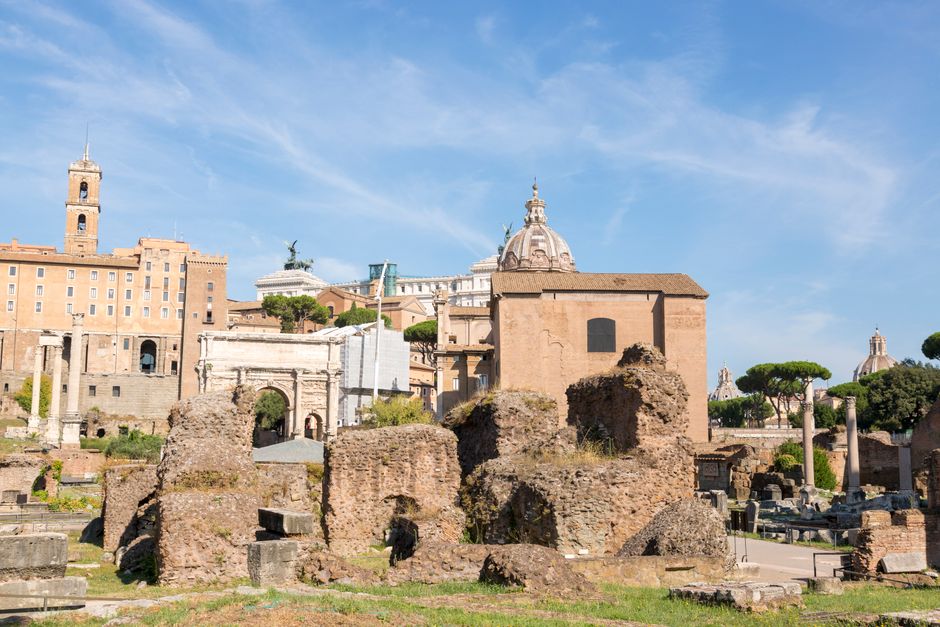
Your ticket includes the Roman Forum and Palatine Hill, and you should absolutely visit them. The Palatine Hill offers stunning views over the ruins and is steeped in mythology as the birthplace of Rome, where Romulus supposedly founded the city in 753 BC. Walking among the towering pine trees, you will see the sprawling remains of imperial palaces.
The Roman Forum sits in the valley below and was the bustling centre of ancient Roman life. This is where elections, public speeches, and criminal trials took place. Key highlights include the Arch of Titus, the Temple of Saturn with its surviving front columns, and the Curia Julia, which served as the Senate House. The sheer density of history here is staggering.
Expect to spend about 1.5 to 2 hours in the Colosseum, and another 1.5 to 2 hours exploring the Forum and Palatine Hill. Because this ancient trio requires a lot of walking and mental energy, do not attempt to visit the Vatican Museums and Sistine Chapel on the same day. Save the Vatican for a separate morning when you are fresh.
If you have energy left in the afternoon, the historic centre is a short walk away. You can stroll up Via dei Fori Imperiali to Piazza Venezia, taking in the views of Trajan’s Market along the way. From there, continue on to the Trevi Fountain. Brush up on our Trevi Fountain Tips to navigate the heavy crowds and secure a good viewing spot.
For dinner, cross the River Tiber to enjoy the lively, cobblestone streets of Trastevere. Our Trastevere Guide has all the details on where to find the best evening atmosphere, craft beer bars, and traditional trattorias serving up classic Roman dishes like cacio e pepe.
Finally, if you are staying in the city for more than four days, consider taking a break from the urban bustle. Review our Best Day Trips from Rome for ideas like the ancient port city of Ostia Antica or the spectacular Renaissance gardens of Tivoli, both easily accessible by local trains.
Plan Your Trip
Booking your entry is a task you cannot leave until the last minute. Set a calendar alert for exactly 30 days before your intended visit date to grab official tickets online. Decide beforehand whether you want standard entry, the Arena floor, or the Underground, and have the full names of everyone in your party ready to type in. By securing your spot early, you can focus on the awe of standing in the world’s most famous amphitheatre rather than stressing over logistics.