Rome demands stamina. The best things to do in Rome range from walking the 2,000-year-old basalt blocks of the Roman Forum to eating crispy pizza al taglio in the local markets of Testaccio. To see the city properly, you need to balance the heavy-hitting ancient sites with long lunches and neighbourhood wandering.
The sheer volume of history here can be overwhelming. Rather than trying to see every church and monument, focus on a mix of major landmarks and quieter local districts. For a complete overview of the city’s logistics, start with our comprehensive Rome guide.
Top Things to Do in Rome: The Classics
1. The Colosseum, Roman Forum and Palatine Hill
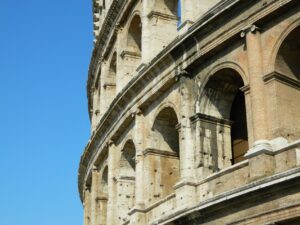
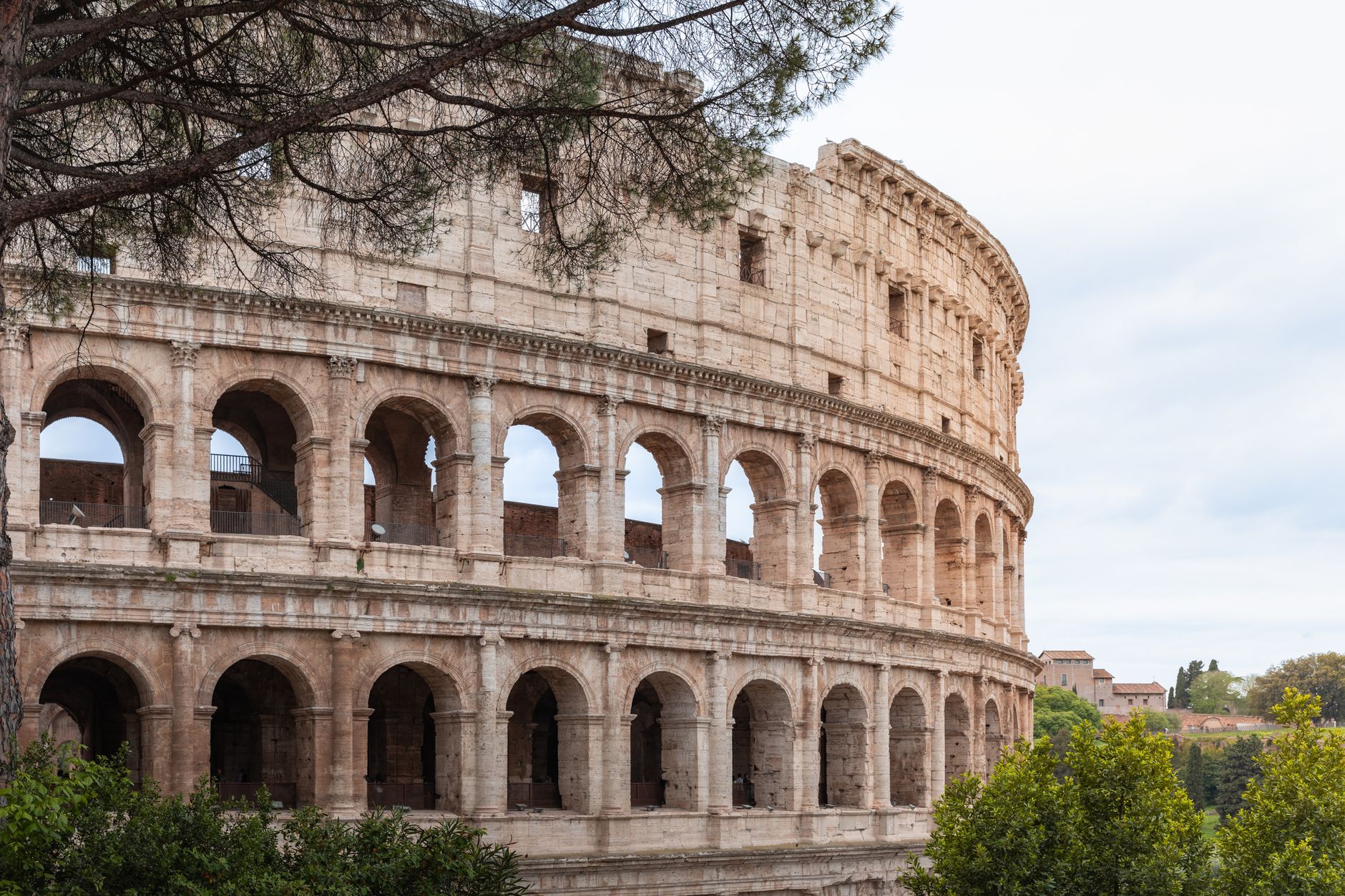
- What: The undisputed epicentre of the ancient Roman Empire. The Colosseum is the largest ancient amphitheatre ever built, while the adjacent Roman Forum was the bustling heart of civic, religious, and political life.
- Why: You cannot understand Rome without standing in the Forum. The sheer scale of the Colosseum remains staggering, even after seeing it in countless photos, especially when you look down into the exposed underground hypogeum.
- Insider tip: Enter the Forum via the Palatine Hill entrance on Via di San Gregorio to avoid the massive queues at the main gate. Read our guide, Colosseum Tickets and Tours Explained, before booking your time slot.
- Cost: $20-$30 USD for a standard combined ticket.
- Time needed: 3 to 4 hours.
2. Vatican Museums, Sistine Chapel and St. Peter’s Basilica
- What: The smallest independent state in the world, housing centuries of papal art collections and the largest church on earth.
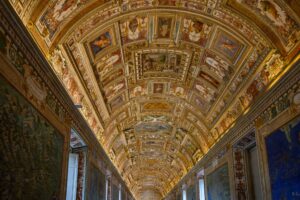
- Why: The volume of masterpieces is unmatched. You will walk through the stunning Gallery of Maps before reaching Michelangelo’s breathtaking ceiling frescoes. St. Peter’s Basilica next door houses the stunning Pietà.
- Insider tip: Book the earliest possible slot (usually 8:00 AM) to see the galleries before the massive tour groups arrive. Learn more about navigating the crowds in our guide to the Vatican Museums and Sistine Chapel.
- Cost: $22-$30 USD for museum entry; the basilica is free.
- Time needed: 4 to 5 hours.
3. The Pantheon
- What: The best-preserved ancient Roman building in the world, famous for its massive unreinforced concrete dome and the oculus open to the sky.
- Why: It perfectly bridges ancient Rome and the Renaissance. The painter Raphael is buried here, and the architecture still baffles modern engineers. When it rains, water falls directly through the roof and drains through original holes in the marble floor.
- Insider tip: The days of walking straight in are over. Entry now requires a ticket, which you should book online in advance through the official Musei Italiani website to skip the purchase line.
- Cost: $5-$6 USD.
- Time needed: 45 minutes.
4. Trevi Fountain
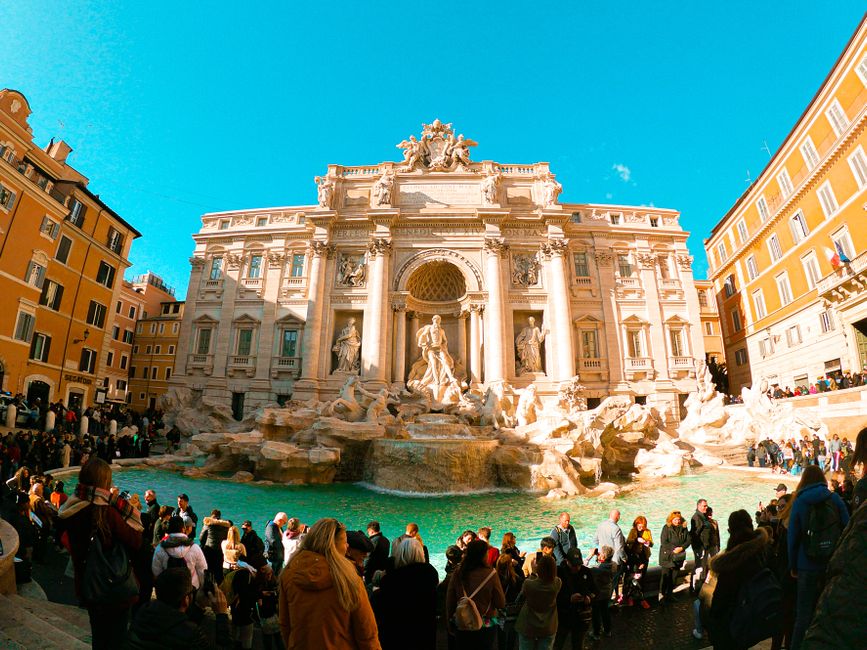
- What: A massive Baroque fountain dominating a tiny square, depicting the god Oceanus on a shell-shaped chariot pulled by sea horses.
- Why: It is a spectacular piece of theatrical architecture fed by the ancient Aqua Virgo aqueduct. Tossing a coin over your left shoulder guarantees your return to Rome.
- Insider tip: Go before 7:00 AM. By 9:00 AM, the square is impassable, and the city occasionally implements crowd-control barriers. Check out our Trevi Fountain Tips for the best nearby coffee spots.
- Cost: Free (plus a coin for the fountain).
- Time needed: 30 minutes.
5. Galleria Borghese
- What: A 17th-century villa housing Cardinal Scipione Borghese’s private collection of Bernini sculptures and Caravaggio paintings.
- Why: It is the most rewarding art museum in Rome. The strict capacity limits mean you can actually see masterpieces like Bernini’s Apollo and Daphne without being crushed by crowds.
- Insider tip: Tickets sell out weeks in advance. If you miss out, check for last-minute cancellations early in the morning on the official ticketing site, or book a guided tour that includes entry.
- Cost: $15-$20 USD.
- Time needed: Exactly 2 hours (strict time slots).
More Excellent Things to Do in Rome
6. Wander Through Trastevere
- What: A formerly working-class district across the Tiber River, now famous for its ivy-draped cobbled streets and vibrant dining scene.
- Why: It offers the quintessential Roman street scene. The Basilica of Santa Maria in Trastevere features stunning 12th-century mosaics that glow in the evening light.
- Insider tip: Visit in the late afternoon to explore before the crowds arrive, then stay for dinner. Use our Trastevere Guide to avoid the heavily marketed tourist-trap restaurants along the main squares.
- Cost: Free to explore.
- Time needed: 2 to 3 hours.
7. Eat Authentic Roman Pasta
- What: Rome is defined by four classic pastas: Cacio e Pepe, Carbonara, Amatriciana, and Gricia. They rely on local ingredients like sharp pecorino romano cheese and rich guanciale (cured pork jowl).
- Why: Roman food is intensely regional. You will not find better versions of these specific dishes anywhere else in Italy, as the local water and cheese drastically alter the flavour profile.
- Insider tip: Look for traditional, no-frills trattorias in the Testaccio or Ostiense neighbourhoods rather than the historic centre. Read our What to Eat in Rome: Local Food Guide to order like a local.
- Cost: $12-$20 USD per plate.
- Time needed: 2 hours for a proper sit-down meal.
8. Capitoline Museums
- What: The world’s oldest public museums, located on the Capitoline Hill in a stunning piazza designed by Michelangelo.
- Why: It houses the original bronze she-wolf nursing Romulus and Remus, plus the massive marble fragments of the Colossus of Constantine. It provides crucial context to the ruins you see in the Forum.
- Insider tip: Walk through the underground Tabularium gallery connecting the two main museum buildings. It offers the best elevated, unobstructed view over the Roman Forum.
- Cost: $16-$18 USD.
- Time needed: 2 to 3 hours.
9. The Appian Way and Catacombs
- What: The Via Appia Antica is one of the oldest and most important Roman roads, lined with ancient ruined tombs, pine trees, and early Christian catacombs.
- Why: It offers a peaceful retreat from the city noise. Renting a bike and riding over the original basalt stones is a unique historical experience that feels worlds away from central Rome.
- Insider tip: The road is closed to most car traffic on Sundays, making it the safest and quietest day to cycle. Stop at the Catacombs of San Callisto along the way.
- Cost: $15-$20 USD for bike rental; $10-$12 USD for catacomb entry.
- Time needed: Half a day.
10. Domus Aurea (Nero’s Golden House)
- What: The remains of Emperor Nero’s extravagant, massive palace, which was buried underground and built over by subsequent emperors.
- Why: It is an active archaeological site. You wear a hard hat and walk through massive subterranean vaulted rooms, using virtual reality headsets to see how the gold-leafed palace looked in 64 AD.
- Insider tip: Tours are typically only available Friday through Sunday because archaeologists actively work on excavating the site during the week.
- Cost: $18-$22 USD.
- Time needed: 1.5 hours.
11. Baths of Caracalla
- What: The sprawling red-brick ruins of an ancient Roman public bath complex that could hold up to 1,600 bathers at a time.
- Why: The scale gives you a much better sense of Roman engineering than the heavily degraded Forum. It is rarely crowded, allowing you to appreciate the massive vaulted ceilings and mosaic floors in peace.
- Insider tip: Pay the extra few euros for the augmented reality video guide. It overlays digital reconstructions of the marble columns and statues onto the ruins as you walk through.
- Cost: $10-$14 USD.
- Time needed: 1 to 2 hours.
12. Explore Testaccio Market
- What: A modern, covered neighbourhood market selling fresh produce, meats, cheeses, and incredible Roman street food.
- Why: It is where real Romans shop and eat. You can grab a legendary simmered meat sandwich from the Mordi e Vai stall or fresh pizza by the slice at CasaManco.
- Insider tip: The market closes by 2:30 PM, and many of the best food stalls shut even earlier. Go around 11:30 AM for an early lunch to beat the queues of local office workers.
- Cost: $5-$10 USD for lunch.
- Time needed: 1 hour.
13. Castel Sant’Angelo
- What: Originally commissioned by Emperor Hadrian as a mausoleum, this massive cylindrical building was later used as a fortress, a castle, and a papal residence.
- Why: The internal ramp winding up through the ancient structure is incredibly atmospheric. The upper terrace offers a spectacular, unobstructed view of St. Peter’s Basilica and the Tiber River.
- Insider tip: Visit an hour before sunset. The view of the Vatican as the sky turns pink is unmatched, and the crowds are much thinner than in the morning.
- Cost: $15-$18 USD.
- Time needed: 1.5 hours.
14. Spanish Steps and Piazza di Spagna
- What: A monumental stairway of 135 steps connecting Piazza di Spagna at the base with the Trinità dei Monti church at the top.
- Why: It is a classic Roman meeting point, featuring the boat-shaped Barcaccia fountain designed by Pietro Bernini. It offers great people-watching and views down the luxury shopping street, Via dei Condotti.
- Insider tip: Sitting on the steps is strictly prohibited by local law and carries a hefty fine from the patrolling police. Walk up, take your photos, and keep moving.
- Cost: Free.
- Time needed: 20 minutes.
15. Take a Day Trip
- What: Leave the urban heat for nearby ancient ruins, medieval hill towns, or the coast.
- Why: Rome can be intense. A quick train ride provides a completely different perspective on the Lazio region and offers a much-needed break from the traffic.
- Insider tip: The ancient port city of Ostia Antica is the easiest half-day option, just a 30-minute commuter train ride away. See our full list of the Best Day Trips from Rome for more ideas like Tivoli or Orvieto.
- Cost: Varies heavily by destination.
- Time needed: 4 to 8 hours.
Things to Do in Rome Grouped by Area
To save time navigating the city’s chaotic public transport, group your sightseeing by neighbourhood. Walking between adjacent districts is usually faster than waiting for a bus.
| Neighbourhood | Key Attractions | Vibe |
|---|---|---|
| Centro Storico | Pantheon, Piazza Navona, Campo de’ Fiori | Cobbled lanes, bustling squares, dense history. |
| Ancient Rome | Colosseum, Forum, Palatine Hill, Capitoline Museums | Monumental ruins, wide avenues, heavily touristed. |
| Tridente | Spanish Steps, Trevi Fountain, Villa Borghese | Upscale shopping, grand monuments, busy thoroughfares. |
| Vatican & Prati | St. Peter’s Basilica, Vatican Museums, Castel Sant’Angelo | Orderly grid streets, religious sites, elegant cafes. |
| Trastevere & Testaccio | Santa Maria in Trastevere, Testaccio Market, Aventine Hill | Food-focused, lively nightlife, local residential feel. |
How Many Days Do You Need in Rome?
You need an absolute minimum of three days to see the major sights without experiencing severe burnout. This allows one day for ancient Rome, one day for the Vatican, and one day for the historic centre and Trastevere.
Four or five days is the sweet spot. With extra time, you can visit the Borghese Gallery, cycle the Appian Way, or take a morning train to Ostia Antica. Trying to cram the Colosseum and the Vatican into a single day is a common mistake that inevitably leads to exhaustion.
For a practical breakdown of how to structure your time and group these activities, check out our Rome Itinerary: How to Spend 1, 2 or 3 Days.
Plan Your Trip to Rome
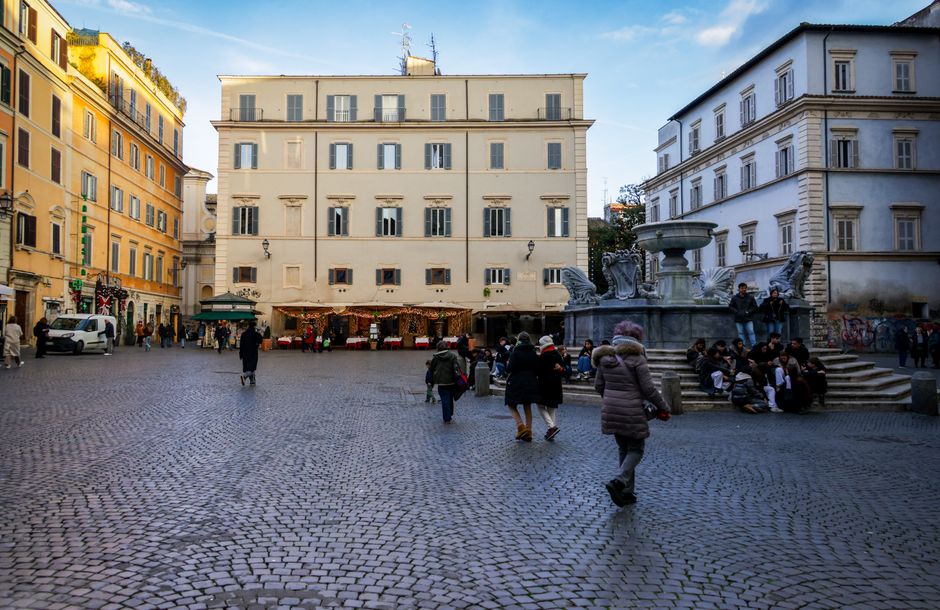
Rome is best explored on foot. Wear serious walking shoes, as the sampietrini (cobblestones) are notoriously hard on the feet and ankles. Distances look short on a map but take much longer to cover due to dense crowds and uneven surfaces.
Summer brings intense heat, often exceeding 35°C (95°F) in July and August. If you visit then, do your sightseeing early in the morning and late in the evening, resting during the peak afternoon heat. Read our guide on the Best Time to Visit Rome: Month-by-Month Guide to pick the right season for your travel style.
Accommodation books up months in advance, particularly in the Centro Storico. Decide if you want to be near the ancient sites or in a quieter neighbourhood by reading our guide on Where to Stay in Rome: Best Areas and Hotels.
Finally, remember that Rome is just one piece of the puzzle. If you are planning a wider trip, our comprehensive Italy guide covers transport, logistics, and other regions to pair with the capital.