Once you have explored the ancient centre and tossed your coin into the water, getting out of the city reveals a completely different side of the country. The best day trips from Rome range from ancient port cities just 30 minutes away to high-speed train journeys into Tuscany and Campania. From escaping the summer heat in the hills of Frascati to walking the ash-preserved streets of Pompeii, the capital’s rail network makes regional travel straightforward. Before you leave the city limits, make sure you have covered the basics in our comprehensive Rome guide.
Top Day Trips from Rome by Train
Italy’s rail network is divided into high-speed services (Frecciarossa and Italo) and slower regional trains (Regionale). High-speed routes require advance booking for the best prices, while regional tickets have fixed prices and can be bought on the day. If you are working out how to fit these excursions into your schedule, check our Rome Itinerary: How to Spend 1, 2 or 3 Days to see when you might have a free afternoon or a full spare day.
Ostia Antica
Distance: 30 km southwest
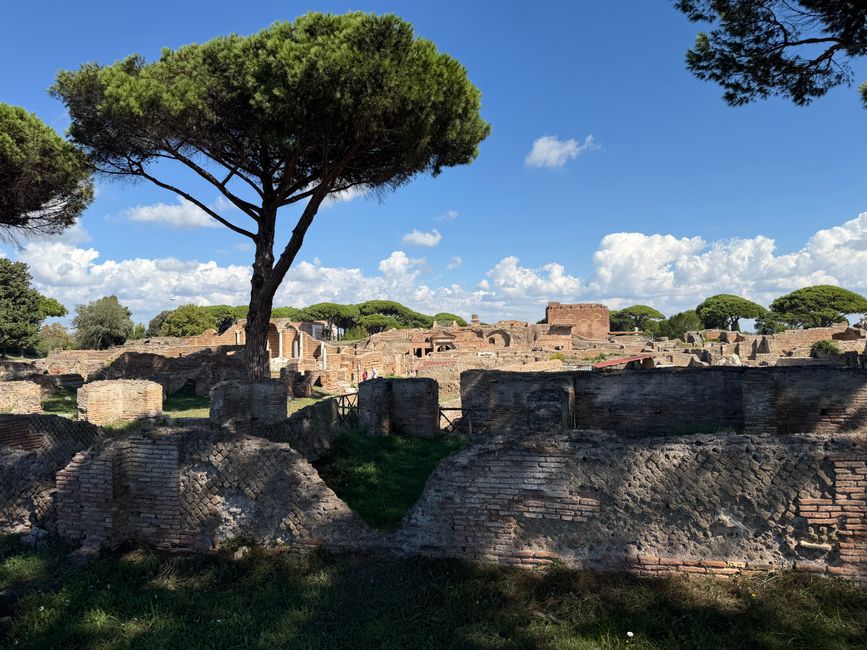
If you want to see remarkably preserved Roman ruins without the three-hour journey to Pompeii, Ostia Antica is the perfect alternative. This was ancient Rome’s seaport, situated at the mouth of the River Tiber. Today, you can walk along the Decumanus Maximus (the main street), explore the ancient apartment blocks known as insulae, and see the intricate black-and-white mosaics at the Baths of Neptune.
Getting there is incredibly cheap and easy. Take the Metro Line B to Piramide, then follow the signs to the adjoining Porta San Paolo station. From here, the Roma-Lido commuter train takes about 30 minutes to reach Ostia Antica station. You can use a standard Rome public transport ticket (around $2-$3) for the entire journey.
Tour vs DIY: This is a very straightforward DIY trip. The site is vast and shaded by umbrella pines, making it a pleasant place to wander independently. It is also significantly quieter than the major sites in the capital; if you have just read our guide on Colosseum Tickets and Tours Explained and feel overwhelmed by the crowds, Ostia offers a peaceful respite.
Tivoli (Villa d’Este and Hadrian’s Villa)
Distance: 30 km east
Tivoli sits in the Sabine Hills and has been a summer retreat for wealthy Romans for millennia. The town is famous for two UNESCO World Heritage sites: Villa d’Este and Hadrian’s Villa (Villa Adriana). Villa d’Este is a 16th-century Renaissance masterpiece, renowned for its terraced hillside gardens and hundreds of gravity-fed fountains, including a water organ that plays music. Hadrian’s Villa, located down the hill, is the sprawling, ruined estate of the 2nd-century emperor, featuring maritime theatres, baths, and temples.
To get there, take a regional train from Roma Tiburtina station to Tivoli (about 45 minutes, $3-$5 each way). Villa d’Este is a 15-minute walk from Tivoli station. Reaching Hadrian’s Villa requires catching the local CAT bus (Line 4) from the town square.
Tour vs DIY: Doing one villa independently is easy. Trying to navigate the local bus schedule to see both in a single day can be frustrating. If you want to see both, booking a guided coach tour from Rome is often the most practical option.
Orvieto
Distance: 120 km north
Perched on a sheer cliff of volcanic tuff, Orvieto is a striking Umbrian hill town. The undisputed highlight is the Duomo di Orvieto, a Gothic cathedral with a dazzling golden facade and the San Brizio Chapel, which houses Luca Signorelli’s vivid frescoes of the Last Judgment. Beyond the cathedral, you can climb down the double-helix staircase of St. Patrick’s Well or take a guided tour of the Etruscan caves and tunnels beneath the city streets.
Trains depart frequently from Roma Termini. The journey takes between 75 and 90 minutes depending on whether you catch a Regionale Veloce or an Intercity train (tickets range from $10 to $20). Upon arriving at Orvieto station, a funicular railway waits directly across the street to carry you up the cliff into the historic centre.
Tour vs DIY: Orvieto is highly walkable and perfect for a DIY day trip. It serves as an excellent introduction to the wider region if you are planning a longer trip using our Italy guide. Stop for lunch at a local trattoria to try wild boar pappardelle paired with a glass of crisp Orvieto Classico white wine.
Florence
Distance: 275 km north
It might seem ambitious to visit the cradle of the Renaissance in a single day, but high-speed rail makes it entirely feasible. In Florence, you can marvel at Brunelleschi’s dome, walk across the Ponte Vecchio, and see Michelangelo’s David at the Accademia Gallery.
Frecciarossa and Italo trains cover the distance from Roma Termini to Firenze Santa Maria Novella in just 90 minutes. Tickets can cost anywhere from $25 to $80+ each way, so booking several weeks in advance is essential for the best fares.
Tour vs DIY: You do not need a tour to get to Florence, but you absolutely must book your museum tickets (Uffizi, Accademia) months in advance. Florence gets incredibly hot and crowded in the summer; check our Best Time to Visit Rome: Month-by-Month Guide to understand the regional weather patterns, as Florence often experiences similar or slightly higher temperatures, frequently exceeding 35°C (95°F) in July and August.
Pompeii and Naples
Distance: 225 km south
The eruption of Mount Vesuvius in 79 AD preserved the Roman city of Pompeii under metres of volcanic ash. Walking through its streets, peering into ancient bakeries, and seeing the plaster casts of the victims is a profound experience. If you prefer urban energy over ancient ruins, you can skip Pompeii and spend the day entirely in Naples, visiting the National Archaeological Museum before eating authentic Neapolitan pizza at legendary spots like Sorbillo or L’Antica Pizzeria da Michele.
To do this independently, take a high-speed train from Roma Termini to Napoli Centrale (70 minutes). From there, follow the signs downstairs to the Circumvesuviana commuter train network at Piazza Garibaldi. Take the Sorrento-bound train and get off at Pompei Scavi-Villa dei Misteri (about 35 minutes). The entrance to the ruins is right outside the station.
Tour vs DIY: While DIY is cheaper, it makes for a long, exhausting day with multiple transit connections. The Circumvesuviana train is notoriously crowded and lacks air conditioning. Many travellers prefer a guided day tour from Rome that includes private coach transport and skip-the-line entry. If you decide to stay in the capital instead, you can find plenty of ancient history closer to your hotel in our guide to the Best Things to Do in Rome.
Frascati (Castelli Romani)
Distance: 20 km southeast
When the summer heat in the city becomes unbearable, locals head to the Castelli Romani, a group of hill towns southeast of the capital. Frascati is the most accessible of these towns and is famous for its crisp white wine and historic villas.
A regional train from Roma Termini takes just 30 minutes ($2-$4) and drops you right in the town centre. From the station, you can walk up to the main piazza, which offers sweeping views back towards the city.
Tour vs DIY: Frascati is ideal for a relaxed, independent afternoon. The town is known for its ‘fraschette’—traditional, rustic taverns where you buy jugs of local wine and bring your own food, or purchase roasted pork (porchetta) from nearby street vendors. For more on navigating the local culinary scene, read What to Eat in Rome: Local Food Guide.
Assisi
Distance: 175 km north
Famous as the birthplace of St. Francis, Assisi is a deeply spiritual and visually stunning medieval town in the rolling hills of Umbria. The main draw is the Basilica of San Francesco, a massive two-level church complex adorned with 13th-century frescoes by Giotto and Cimabue depicting the life of the saint.
Direct regional trains from Roma Termini to Assisi take about two hours ($12-$18). The station is located in the valley below the town; from there, you catch the local bus (Line C) which winds its way up the hill to the historic centre.
Tour vs DIY: Assisi is easy to manage on your own if you are comfortable with the two-hour train ride. Because the town is built on a steep incline, wear comfortable walking shoes.
Comparing the Best Day Trips from Rome
To help you decide, here is a quick breakdown of travel times and logistics.
| Destination | Travel Time (One Way) | Transport Type | Best For |
|---|---|---|---|
| Ostia Antica | 30 mins | Commuter Train | Ancient ruins without the crowds |
| Frascati | 30 mins | Regional Train | Wine tasting and relaxed lunches |
| Tivoli | 45 mins | Regional Train + Bus | Renaissance gardens and fountains |
| Orvieto | 75-90 mins | Regional/Intercity Train | Hilltop views and Gothic architecture |
| Florence | 90 mins | High-Speed Train | Renaissance art and architecture |
| Naples/Pompeii | 2 hours | High-Speed + Commuter Train | World-famous archaeology and pizza |
| Assisi | 2 hours | Regional Train | Medieval history and frescoes |
Overnight Extensions
Sometimes a day trip reveals a place you simply do not want to leave. If your itinerary allows, turning a day excursion into an overnight stay reduces travel fatigue and lets you experience these destinations after the day-trippers have gone home.
If you travel south to Pompeii, consider spending the night in Naples to eat authentic Neapolitan pizza, or continue on the Circumvesuviana train to Sorrento for a few days on the Amalfi Coast. If you head north to Florence, an overnight stay allows you to rent a car the next morning and drive into the Chianti wine region.
If you plan to leave the city for a night or two in the middle of your trip, you will need to coordinate with your accommodation. Some hotels will hold your larger luggage for a small fee while you travel light. Review our recommendations in Where to Stay in Rome: Best Areas and Hotels for properties with excellent concierge services.
Alternatively, if you prefer to keep your base in the city, you can easily fill your remaining days with major sights. Dedicate a full morning to the Vatican Museums and Sistine Chapel, which requires several hours to navigate properly.
Final Tips for Regional Travel
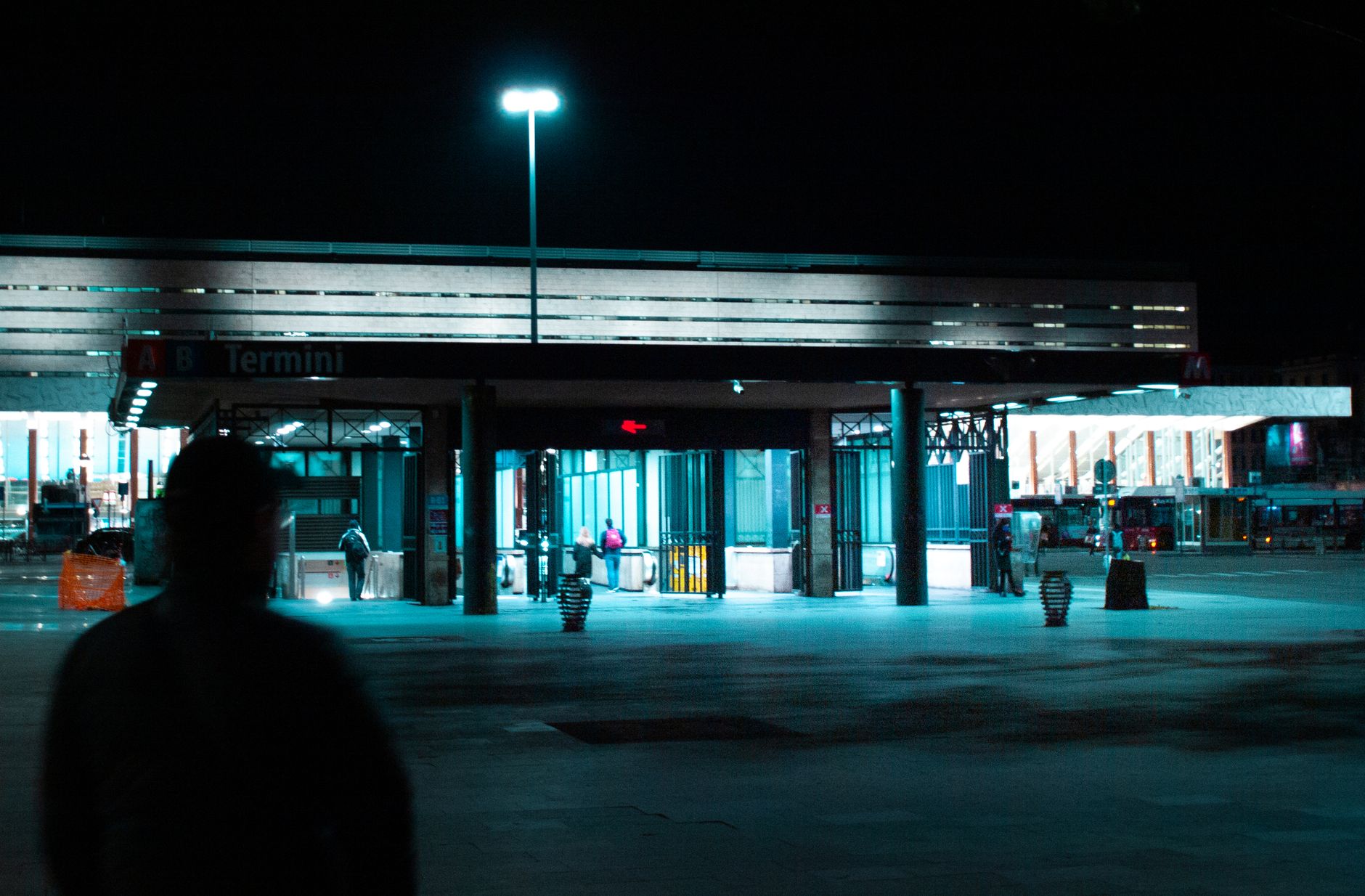
Before you head to Termini station, keep these practical logistics in mind:
- Validate your tickets: If you buy a paper ticket for a regional train, you must stamp it in the small machines on the platform before boarding. High-speed train tickets with assigned seats do not need validation.
- Watch for pickpockets: Major transit hubs like Roma Termini and Napoli Centrale require vigilance. Keep your valuables secure, especially when boarding crowded commuter trains like the Circumvesuviana.
- Start early: For longer trips like Florence or Pompeii, aim for a train that leaves before 8:00 AM. This helps you beat the worst of the midday heat and the largest tour groups.
Once you return to the city in the evening, you will likely want a relaxed dinner. Avoid the crowded restaurants right next to the major monuments; instead, read our Trevi Fountain Tips for advice on navigating the busy central streets, or cross the river using our Trastevere Guide to find excellent traditional trattorias tucked away in the cobbled alleys.