Planning a trip to Campania’s famous shoreline requires more than just booking a hotel with a sea view. This amalfi coast guide covers the practical logistics of navigating the SS163 highway, choosing between ferries and buses, and finding the right base town. From the lemon terraces of Ravello to the pebble beaches of Positano, you will find everything you need to structure your itinerary efficiently.
Amalfi Coast Guide: The Essentials
The Amalfi Coast (Costiera Amalfitana) is a 50 km stretch of rugged coastline on the southern edge of the Sorrentine Peninsula. It runs roughly from Positano in the west to Vietri sul Mare in the east. The region is famous for its vertical towns, terraced lemon groves, and majolica-tiled church domes.
However, the geography that makes it beautiful also makes it logistically challenging. The towns are built into steep cliffs, meaning steep staircases are the primary way to get around. You need a minimum of three full days to see the main towns of Positano, Amalfi, and Ravello without rushing. Five days allows you to add a boat trip to Capri or hike the inland trails.
How to Get There
Historically, most travellers flew into Naples Capodichino (NAP). However, the Salerno Costa d’Amalfi Airport (QSR) now handles regular commercial flights from across Europe, putting you just 20 km from the eastern edge of the coast. This significantly cuts down on transit time.
If you are arriving by rail from Rome or Florence, take a high-speed train to either Napoli Centrale or Salerno. Salerno is often the better choice because the ferry terminal at Concordia dock is a short walk from the train station. Read more about Train Travel in Italy: Trenitalia vs Italo to book the right service.
From Naples, you can take the Circumvesuviana commuter train to Sorrento, which acts as the western gateway to the coast, though it is not technically part of the Amalfi Coast itself.
Getting Around: Buses, Ferries, and Driving
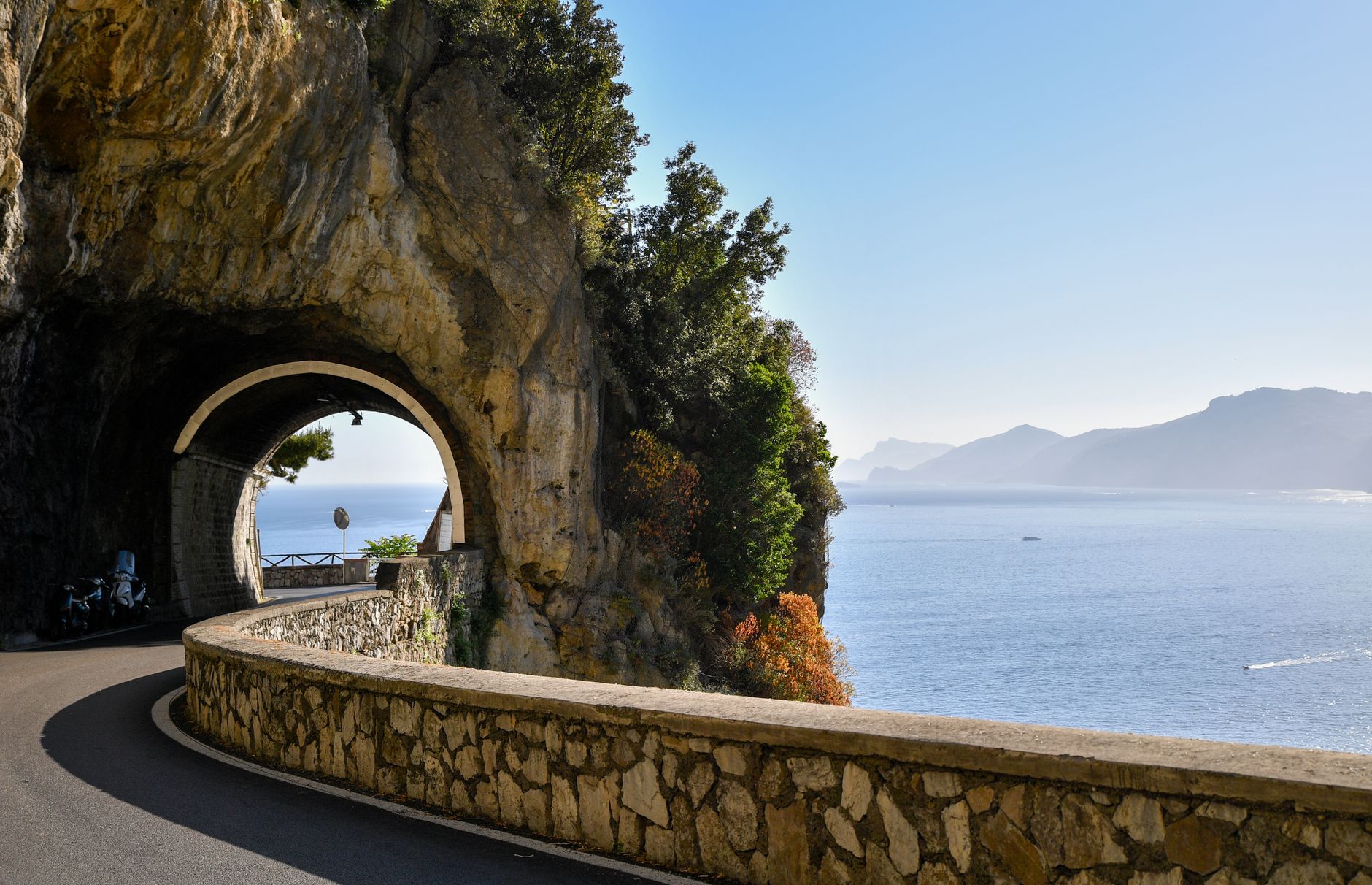
Transport is the biggest hurdle on the coast. The SS163 is a narrow, winding two-lane road that clings to the cliffs. Getting between towns requires patience.
- Ferries: The Travelmar ferry network is the most efficient way to move between towns from April to October. Ferries bypass the road traffic entirely and offer the best views of the towns from the water.
- Buses: Sita Sud buses run year-round. Tickets cost USD 2 to USD 4 depending on the zone and must be purchased before boarding at a local tabaccheria or newsstand. In peak season, buses often fill up at the starting point, leaving passengers waiting at intermediate stops like Praiano.
- Driving: Renting a car is generally discouraged. Parking in towns like Positano costs upwards of USD 10 per hour, and spaces are severely limited. Furthermore, an alternate number plate system restricts rental cars from driving the SS163 between 10:00 and 18:00 on certain days during peak season.
Typical Travel Times
| Route | Ferry Time (Travelmar) | Bus Time (Sita Sud – No Traffic) |
|---|---|---|
| Salerno to Amalfi | 35 minutes | 1 hour 15 minutes |
| Amalfi to Positano | 25 minutes | 45 minutes |
| Amalfi to Ravello | N/A (Inland) | 30 minutes |
| Sorrento to Positano | 40 minutes (NLG/Alilauro) | 1 hour |
Best Time to Visit
The coast operates on a highly seasonal schedule. The best months are May, September, and October. During these shoulder seasons, daytime temperatures hover around 22°C to 26°C (71°F to 79°F), the ferries are running, and the crowds are manageable.
July and August bring intense heat, often exceeding 32°C (90°F), alongside peak hotel rates and heavily congested roads. The pebble beaches, such as Marina Grande in Amalfi, become packed with sun loungers.
From November to Easter, the region largely shuts down. Ferries stop operating, and many hotels and restaurants close for winter maintenance. For a broader look at regional weather, check our guide on the Best Time to Visit Italy: Weather and Seasons by Region.
Where to Base Yourself
Choosing the right town dictates your entire experience. Moving luggage between towns is difficult, so it is best to pick one base for your stay.
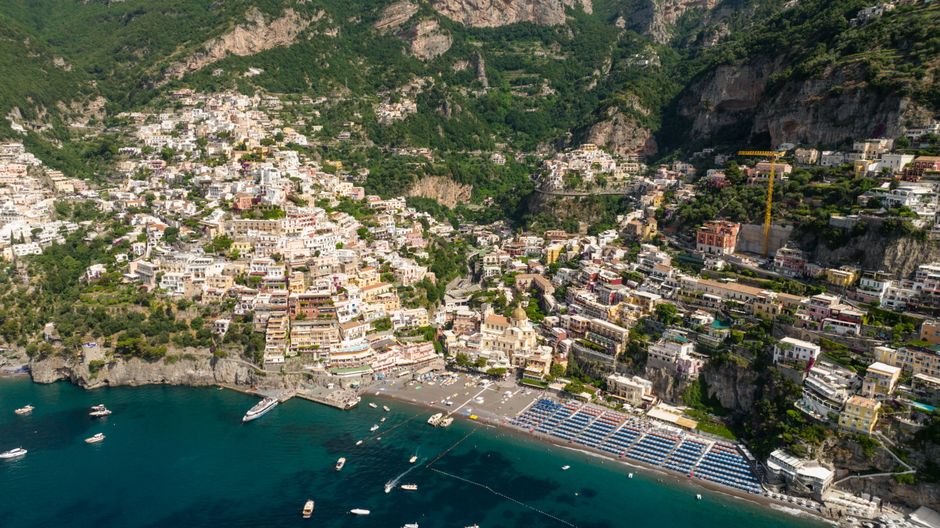
Positano: The most famous and expensive town. It is built vertically, meaning you will climb hundreds of stairs daily. It offers luxury boutiques, high-end dining, and a glamorous atmosphere, but it is the most crowded.
Amalfi: The transport hub of the coast. It sits at sea level, making it much flatter than Positano. From here, you can easily catch buses up to Ravello or ferries to any other coastal town. It is busy during the day but quietens down at night.
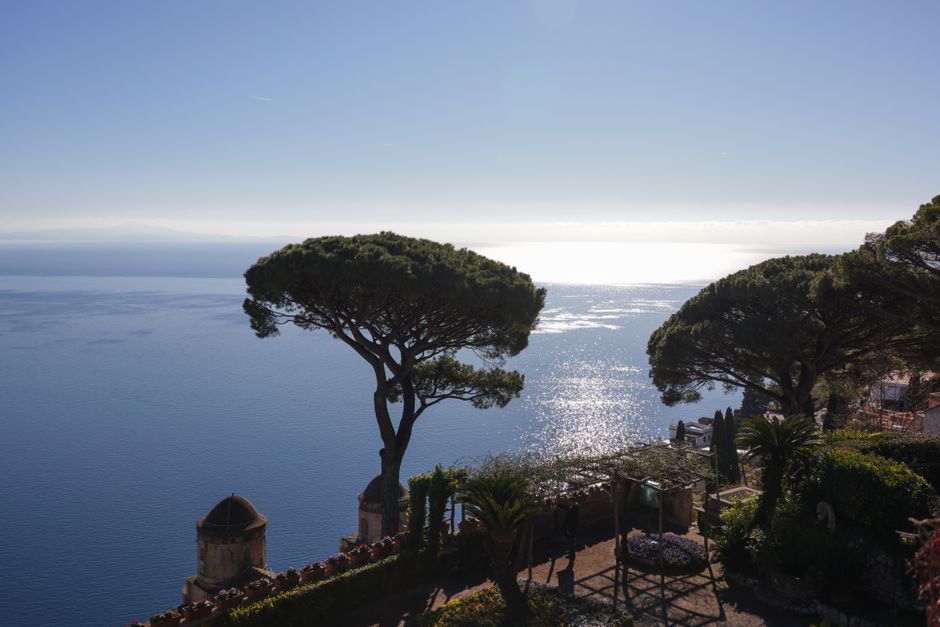
Ravello: Located 365 metres above the Tyrrhenian Sea, Ravello has no direct beach access. It is quieter, cooler, and known for its historic villas and summer concert series. You must take a bus or taxi down to Amalfi to catch a ferry.
Maiori and Minori: These neighbouring towns on the eastern side offer a more local feel, flatter promenades, and better value accommodation. Maiori has the longest sandy beach on the coast, making it excellent for families.
Sorrento and Salerno: While outside the official coast limits, these larger cities offer excellent transport links, cheaper hotels, and easy access to Pompeii and Naples.
Key Things to Do
Beyond lounging at beach clubs like Spiaggia Grande or the quieter Fornillo beach, the region offers incredible hiking and history.
Hike the Path of the Gods (Sentiero degli Dei): This 6.5 km trail runs from the inland village of Bomerano (Agerola) down to Nocelle, just above Positano. It takes about three hours and offers sweeping views of the coastline and the island of Capri. Start early to avoid the midday sun.
Explore the Villas of Ravello: Villa Rufolo and Villa Cimbrone feature expansive terraced gardens overlooking the sea. The Terrace of Infinity at Villa Cimbrone, lined with marble busts against the backdrop of the ocean, is a highlight. Entry to each villa costs around USD 8 to USD 10.
Visit the Amalfi Cathedral (Duomo di Amalfi): Dominating the main piazza, this 9th-century cathedral features a striking striped Byzantine facade and a grand staircase. The adjoining cloister (Chiostro del Paradiso) is worth the small entry fee.
Walk to Atrani: Just a 15-minute walk from Amalfi via a pedestrian tunnel, Atrani is the smallest municipality in southern Italy. It remains largely untouched by mass tourism, offering a quiet piazza and a traditional fishing village atmosphere.
Amalfi Coast Guide to Costs and Budgeting
The Amalfi Coast is one of Italy’s most expensive destinations, particularly in peak summer.
A standard double room in a mid-range hotel in Positano or Amalfi during summer typically costs USD 300 to USD 600 per night. Budget options (USD 120 to USD 200) are easier to find in Salerno, Maiori, or high up in Agerola.
For food, a casual pizza or pasta dish at a local trattoria costs USD 15 to USD 25. Be sure to try local specialties like scialatielli ai frutti di mare (thick pasta with seafood) and delizia al limone (lemon sponge cake). Dining at a cliffside restaurant with sea views will easily exceed USD 80 to USD 120 per person.
Sun lounger rentals at popular beach clubs range from USD 30 to USD 50 per day. To see how this fits into a broader national budget, read our breakdown of Italy Travel Cost: How Much Does a Trip Cost?.
Common Mistakes to Avoid
Treating it as a day trip: Travelling from Rome to the Amalfi Coast and back in one day means spending six to eight hours in transit. It is exhausting and leaves no time to explore. If you are short on time, review our Italy Itinerary: 7, 10 and 14 Days to see how to properly allocate your days.
Overpacking: You will likely need to carry your luggage up steep staircases or cobblestone alleys. Porter services exist in Positano and Amalfi, costing around USD 10 to USD 15 per bag, but travelling with a carry-on backpack is far more practical.
Relying solely on buses in August: The coastal traffic jams in peak summer can turn a 40-minute bus ride into a two-hour ordeal. Use the ferries whenever possible.
Combining Your Trip
The Amalfi Coast pairs perfectly with the ruins of Pompeii and Herculaneum, both accessible via the Circumvesuviana train from Sorrento. A boat trip to the island of Capri is also a standard addition, with ferries departing daily from Positano, Amalfi, and Sorrento.
If you are deciding between Italy’s famous coastal and lake regions, you might also consider the northern Riviera or the alpine lakes. Compare the logistics in our Cinque Terre Guide or our Lake Como Travel Guide.
Plan Your Trip
Before you book your flights, ensure you meet all entry rules. Travellers from the US, UK, and Australia now require ETIAS authorisation to enter the Schengen Zone. Check our guide on Italy Visa and Entry Requirements for the exact steps.
While violent crime is incredibly rare, the crowded ferries and Sita buses are known hotspots for pickpockets. Keep your valuables secure. Read more in Is Italy Safe to Visit? Safety Tips for Travellers.
For broader logistical advice, including tipping etiquette and opening hours, review our Italy Travel Tips: What to Know Before You Go.
Ready to build your broader European itinerary? Start with our comprehensive Italy guide or browse our main Europe guide for more destination inspiration.