If you are planning a trip and wondering, is Italy safe to visit, the short answer is yes. Italy consistently ranks as one of the safest countries in Europe for travellers. Violent crime is rare, and the vast majority of visits are entirely trouble-free. However, like any major tourist destination, Italy has its share of minor hazards that require common sense and situational awareness.
Your primary concerns will not be physical safety, but rather protecting your belongings from opportunistic thieves and navigating the physical environment, from narrow cliffside roads to intense summer heatwaves. Being prepared allows you to focus on the food, architecture, and landscapes rather than worrying about your wallet.
For a complete overview of planning your trip, start with our comprehensive Italy travel guide, or if you are combining countries, check out our broader Europe travel guide.
Is Italy Safe from Crime? Petty Theft and Scams
Violent crime is highly unusual in Italy, especially in areas frequented by tourists. The most common crime affecting visitors is petty theft, specifically pickpocketing and bag snatching. Thieves operate in crowded areas where tourists are distracted by sights or struggling with luggage.
Pickpocket Hotspots
Pickpockets in Italy are highly skilled and often work in groups. They frequent major transit hubs, crowded public transport, and famous landmarks. In Rome, be highly vigilant on the 64 and 40 buses, which connect Roma Termini station to the Vatican, as these are notorious for pickpockets. In Florence, the crowds around the Duomo and the Ponte Vecchio are prime targets. In Venice, watch your pockets when boarding the crowded Vaporetto (water bus) along the Grand Canal.
Thieves often use distraction techniques. Someone might bump into you, drop something at your feet, or stage a loud argument while an accomplice targets your bag. Always keep your valuables zipped up, wear cross-body bags towards your front, and never leave your phone sitting on a café table. For more advice on avoiding these situations, read our essential Italy travel tips.
Common Tourist Scams
Tourists in major Italian cities frequently encounter street scams. While rarely dangerous, they are annoying and can cost you money if you are not prepared.
- The Friendship Bracelet: Common in Milan’s Piazza del Duomo and Rome’s Spanish Steps. Someone will approach you, strike up a friendly conversation, and swiftly tie a woven bracelet around your wrist. Once it is tied, they will aggressively demand payment. Simply keep walking and firmly say “no, grazie.”
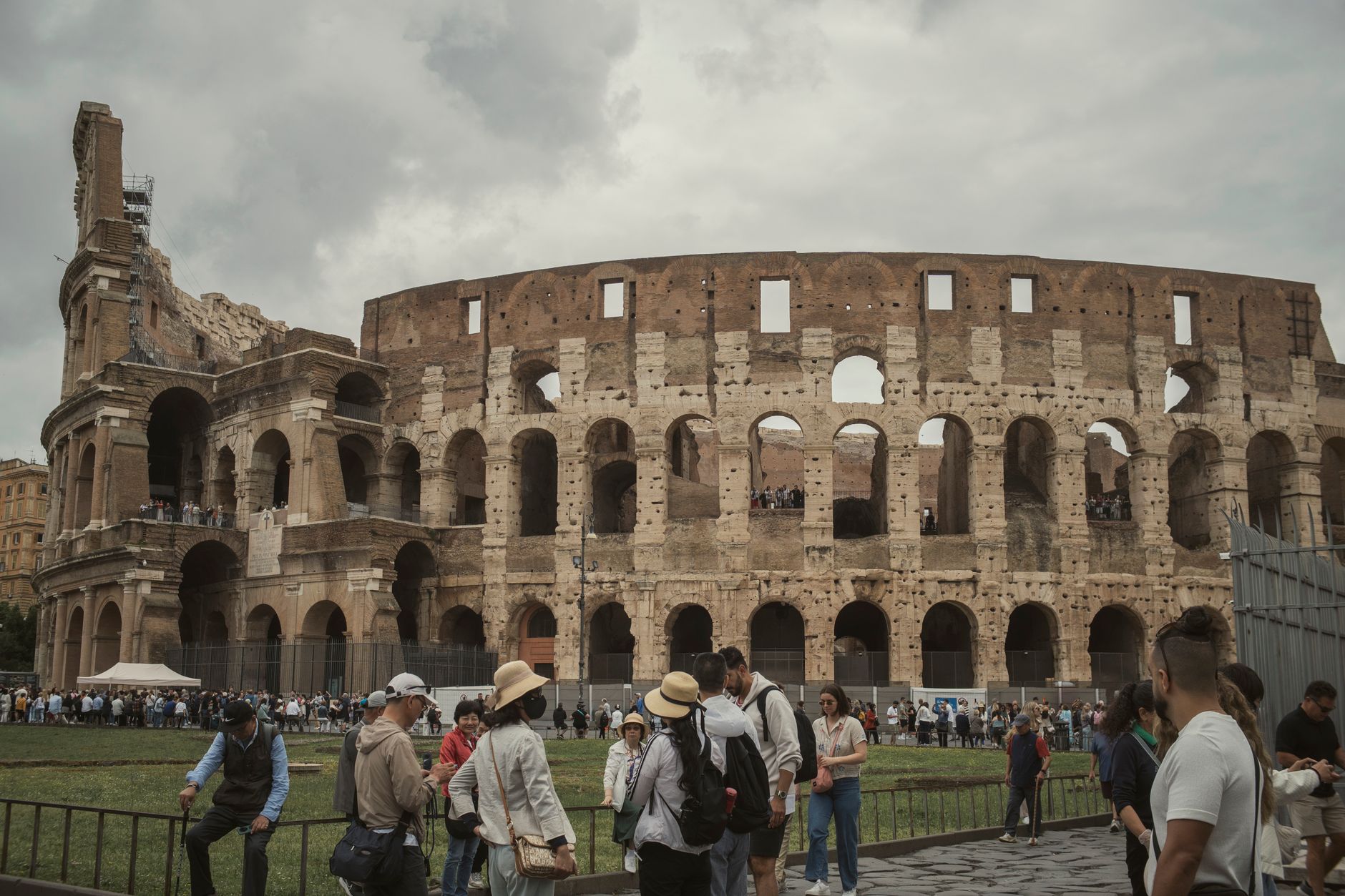
- The Fake Petition: Often seen near the Uffizi Gallery in Florence or the Colosseum in Rome. People claiming to represent a charity for drug rehabilitation or deaf children will ask you to sign a petition. While you are distracted reading the clipboard, an accomplice may pick your pocket, or they will demand a large cash donation.
- The Rose Sellers: In busy restaurant districts like Trastevere in Rome, sellers will approach couples dining outdoors and drop a rose on the table, claiming it is a gift. If you touch it, they will demand money. Ignore them and let the waiter wave them away.
Transport Safety: Trains, Driving, and Taxis
Getting around Italy is generally safe and efficient, but each mode of transport comes with specific safety and logistical considerations.
Train Travel
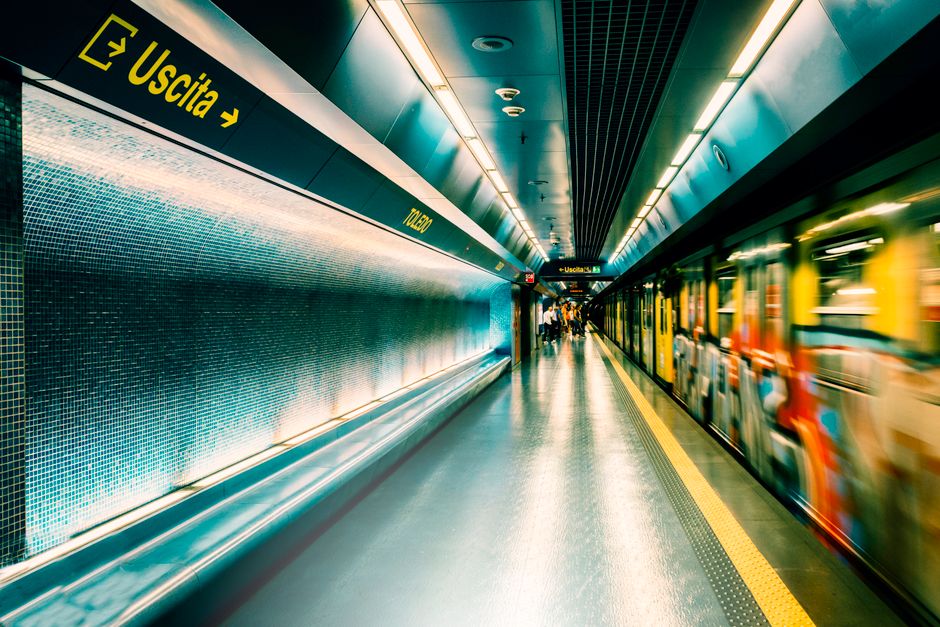
The Italian rail network is excellent and very safe. High-speed services are secure, with luggage racks located at the ends of carriages and above seats. However, regional trains require more vigilance. The Circumvesuviana train, which runs from Naples to Pompeii and Sorrento, is infamous for pickpockets targeting tourists travelling with luggage. Keep your bags between your legs and your valuables on your person. To understand the different rail networks, compare your options in our guide to train travel in Italy.
Driving and ZTLs
Driving in Italy is a fantastic way to see the countryside, but it requires confidence. Italian drivers are fast and assertive. On the Autostrada (toll motorways), the left lane is strictly for overtaking; do not cruise in it, or you will quickly find a local flashing their headlights at you from behind.
The biggest hazard for tourists driving in Italy is not safety, but fines. Almost every historic town and city centre is designated as a Zona a Traffico Limitato (ZTL). These restricted traffic zones are monitored by cameras, and driving into one without a resident permit results in a hefty fine sent to your rental company months later. To budget for tolls, fuel, and potential driving expenses, review our breakdown of Italy travel costs.
Taxis
Always use official, licensed taxis. In Italy, these are white cars with a “TAXI” sign on the roof and a meter inside. Never accept a ride from someone approaching you inside an airport or train station offering a taxi. Always ensure the driver turns the meter on when you set off. In major cities, you can use apps like FreeNow or IT Taxi to book licensed cabs safely.
Are Specific Regions in Italy Safe?
Safety profiles vary slightly depending on where you travel in Italy. While nowhere is inherently dangerous, different regions present different challenges.
Rome, Florence, and Venice
The “Big Three” are incredibly safe for tourists. You can walk around the historic centres (Centro Storico) at night without concern, as the streets are well-lit and busy with diners and locals. The only areas requiring extra caution late at night are the immediate streets surrounding the main train stations, such as Roma Termini or Santa Maria Novella in Florence, which can attract rough sleepers and petty crime.
Naples and the South
Naples often carries a gritty reputation, but it is generally safe for tourists who exercise normal urban caution. The historic centre and the seafront (Lungomare) are bustling and secure. The Quartieri Spagnoli, once considered sketchy, is now highly gentrified and full of popular trattorias. However, you should stay alert around Piazza Garibaldi (the central station) at night, and avoid flashing expensive jewellery or watches, as scooter-borne bag snatches still occasionally happen.
The Amalfi Coast and Cinque Terre
Coastal and hiking destinations present environmental rather than criminal hazards. On the Amalfi Coast, the famous SS163 highway is narrow, winding, and shared by massive tour buses, scooters, and pedestrians. If you rent a scooter, only do so if you are highly experienced. Navigate the cliffs safely with our Amalfi Coast travel guide.
In Liguria, hiking the coastal trails requires proper preparation. The national park strictly enforces a ban on hiking in flip-flops or sandals, issuing heavy fines to unprepared tourists. Trails are also subject to sudden closures due to landslides after heavy rain. Plan your hikes using our Cinque Terre guide.
The Northern Lakes
The lakes region is incredibly safe, catering to a luxury and family-oriented crowd. Crime is virtually non-existent. Your main safety focus here will be navigating the very narrow, often shoulder-less roads that ring the lakes, or ensuring water safety if you rent a private boat. Explore the north securely with our Lake Como travel guide.
Health Risks and Medical Care
Italy has a high standard of healthcare. If you need minor medical advice, look for a Farmacia (marked with an illuminated green cross). Italian pharmacists are highly trained and can dispense advice and certain medications over the counter that might require a prescription in your home country.
Tap water is entirely safe to drink across Italy. In Rome, you will find hundreds of public drinking fountains known as ‘nasoni’ (big noses) flowing with cold, fresh aqueduct water. Bring a reusable bottle and fill up safely, unless you see a sign reading “Acqua Non Potabile” (not drinking water).
There are no specific vaccinations required for Italy. However, depending on your nationality, you will need to ensure your paperwork is in order for entry, including the new ETIAS system for visa-exempt travellers. Check the latest Italy visa and entry requirements before you fly.
Natural Hazards: Weather, Volcanoes, and Earthquakes
Italy’s geography means it is subject to several natural phenomena that can occasionally impact travel plans.
Extreme Summer Heat
The most common natural hazard for tourists is the summer heat. Heatwaves in July and August frequently push temperatures above 40°C (104°F) in cities like Rome, Florence, and across the south. Exploring exposed ruins like the Roman Forum or Pompeii in the midday sun can easily lead to heat exhaustion or sunstroke. Plan your sightseeing for the early morning or late afternoon, and find out more in our guide to the best time to visit Italy.
Volcanoes and Earthquakes
Italy is seismically active. Central Italy, particularly along the Apennine mountains, experiences occasional earthquakes. Italy is also home to Europe’s only active volcanoes: Mount Etna and Stromboli in Sicily, and Mount Vesuvius near Naples. These are monitored extremely closely by the National Institute of Geophysics and Volcanology. Eruptions at Etna are common and can sometimes cause temporary closures of Catania airport due to ash clouds, but they rarely pose a direct danger to tourists.
Flooding in Venice
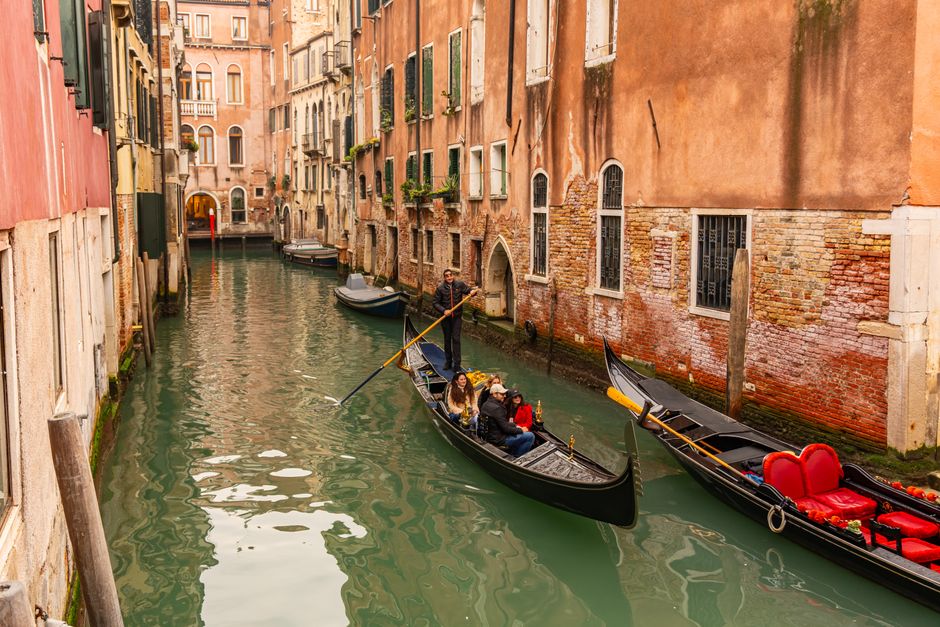
Venice is famous for its ‘acqua alta’ (high water), which typically occurs between October and March. While the MOSE flood barrier system is now operational and prevents the most severe flooding in St. Mark’s Square, minor flooding can still occur in lower parts of the city. It is more of an inconvenience than a safety threat, requiring you to use elevated wooden walkways.
Emergency Numbers in Italy
It is always wise to have local emergency numbers saved in your phone. In Italy, operators on the main emergency lines usually speak English.
| Service | Number | Details |
|---|---|---|
| European Emergency | 112 | The general emergency number for all services. |
| Police (Polizia) | 113 | Direct line to the state police. |
| Ambulance (Ambulanza) | 118 | Direct line for medical emergencies. |
| Fire Brigade (Vigili del Fuoco) | 115 | Direct line for fire and rescue. |
You will notice two main types of police in Italy: the Polizia di Stato (civilian state police, usually in blue vehicles) and the Carabinieri (military police, in dark blue vehicles with red stripes). Both can assist you in an emergency or if you need to report a crime.
Plan Your Trip
Italy is a welcoming, safe, and spectacular destination. By staying aware of your belongings in crowds, respecting the summer heat, and understanding local driving laws, you will have a seamless experience. Always carry a digital copy of your passport on your phone, leave your most valuable jewellery at home, and purchase comprehensive travel insurance before you depart. Ready to start mapping out your route? Build your perfect trip with our Italy itinerary for 7, 10 or 14 days.