South America
From the high-altitude peaks of the Andes to the dense Amazon basin, South America demands time, preparation, and a sense of adventure.
12
Countries
Spanish & Portuguese
Languages
78
UNESCO Sites
$30–$250+
Daily Budget
Year-round
Best Time
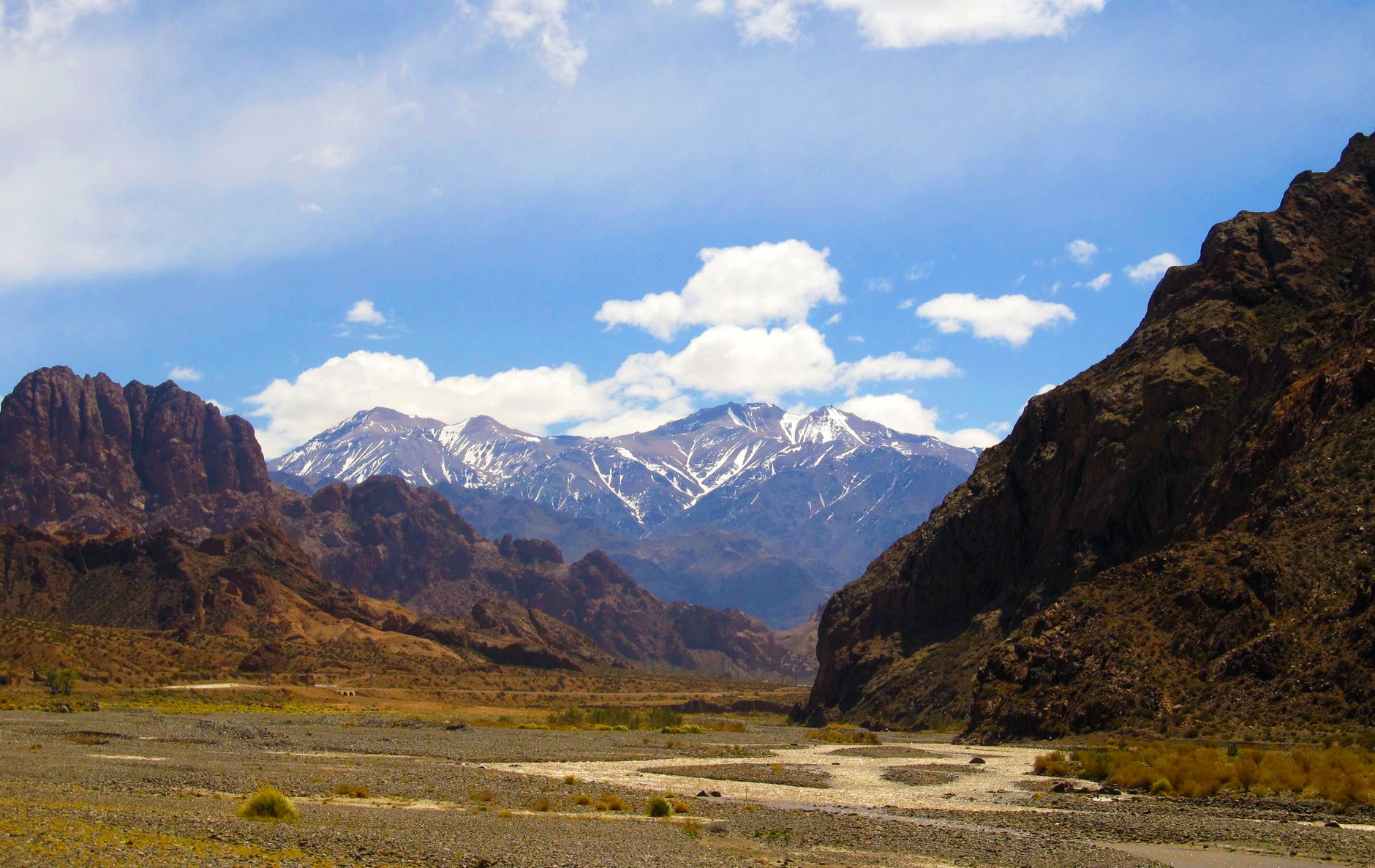
South America operates on a massive scale. You are dealing with distances that require domestic flights and altitudes that demand acclimatisation days. This continent is for travellers who want to hike the jagged granite spires of Patagonia, navigate the tributaries of the Amazon, or explore the high-altitude salt flats of Bolivia. Whether you have two weeks for a focused Peru itinerary or three months to travel overland from Colombia to Argentina, logistics are your biggest hurdle. Border crossings can be slow, and seasons flip between the north and the south. Plan your route carefully around the Andes mountain range, prepare for the physical toll of high elevations, and rely on the extensive long-haul bus networks to cover the vast stretches in between.
Explore by Country
Countries We Cover
Choose your starting point from these South American nations.
Interactive Map
Click any pin to explore guides for that country.
Find Your Style
Who Is South America For?
Honestly? Everyone. But here's who thrives in South America.
When to Go
Best Time to Visit
The continent spans the equator to the sub-Antarctic, meaning seasons vary wildly.
Jan
Patagonia hiking
Colombia dry season
Feb
Rio Carnival
Galapagos warm water
Mar
Mendoza wine harvest
Patagonia autumn
Apr
Uyuni salt flats clear
Ecuador highlands
May
Machu Picchu dry
Bolivia clear skies
Jun
Amazon low water
Andes winter trekking
Jul
Pantanal jaguars
Peru peak hiking
Aug
Atacama desert clear
Ecuador whales
Sep
Patagonia spring
Amazon dry season
Oct
Argentina spring
Galapagos wildlife
Nov
Buenos Aires jacarandas
Chile lake district
Dec
Rio beach season
Uruguay summer starts
Don't Miss
Top Destinations
Money Matters
Budget Overview
Daily costs vary sharply, with Chile and Uruguay costing double what you will spend in Bolivia.
Transport
Getting There & Around
Stay Safe
Safety Overview
Eat Like a Local
Food Overview
Expect heavy reliance on maize, potatoes, and beef, with sharp regional variations.
Celebrate
Festivals & Events
Plan your itinerary around these massive cultural and religious celebrations.
01
February / March
Rio Carnival
Brazil's legendary pre-Lent celebration featuring massive samba school parades in the Sambadrome and endless street block parties.
02
February / March
Fiesta de la Candelaria
Peru's largest cultural event in Puno, blending Catholic traditions with Andean music and thousands of costumed dancers.
03
March / April
Semana Santa
Holy Week brings elaborate processions across the continent, with Popayán in Colombia hosting some of the most solemn parades.
04
June
Inti Raymi
Cusco, Peru celebrates the Incan Festival of the Sun on the winter solstice with hundreds of actors at the Sacsayhuamán ruins.
05
August
Feria de las Flores
Medellín, Colombia transforms for the Flower Festival, featuring the famous parade of silleteros carrying massive floral arrangements.
06
October
Lord of the Miracles
Lima, Peru turns purple as millions follow the procession of a 17th-century painting of Christ that survived a massive earthquake.
07
November
Day of the Dead
In Bolivia and Ecuador, families gather in cemeteries to share food, drink, and music with their deceased relatives.
09
December
Reveillon
Millions dress in white and gather on Copacabana Beach in Brazil to watch fireworks and offer flowers to the sea goddess Yemanjá.
Plan Your Route
Multi-Country Itineraries
These classic overland routes require careful planning to manage border crossings and altitudes.
2 Weeks
The Inca Heartland
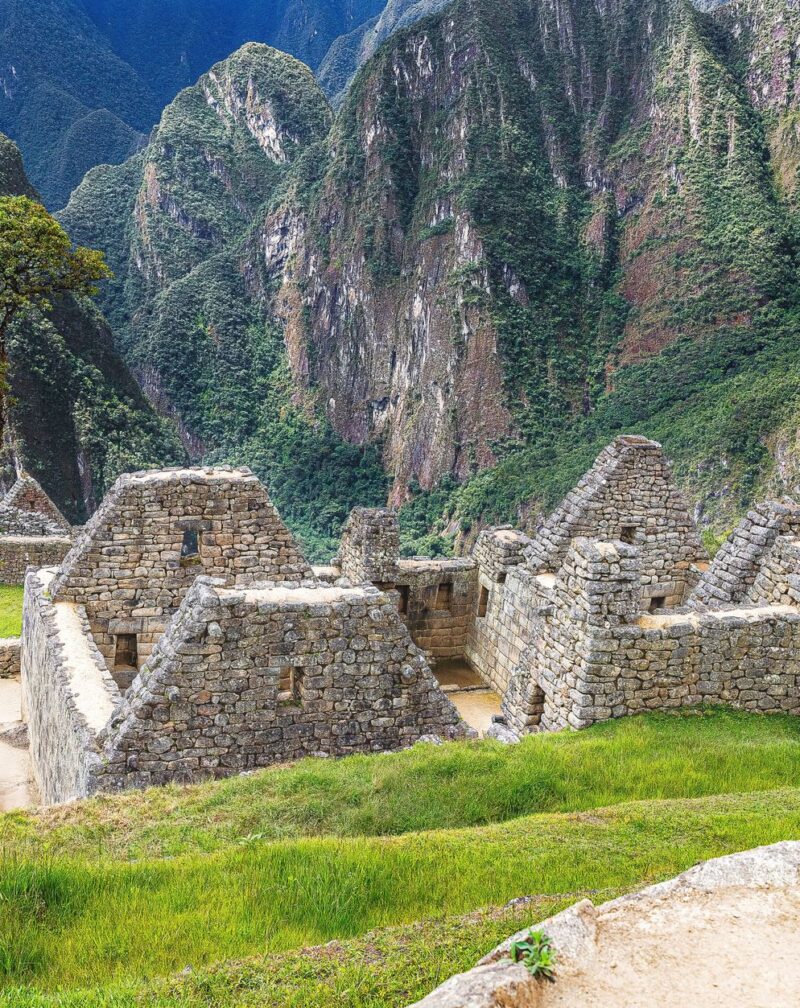
Acclimatise in the Sacred Valley before visiting Machu Picchu, then cross the high altiplano to Lake Titicaca.
Lima → Cusco → Sacred Valley → Machu Picchu → Puno → Lake Titicaca → La Paz
3 Weeks
Patagonia Highlights
Travel the southern tip of the continent, balancing Argentina's glaciers with Chile's jagged granite peaks.
Buenos Aires → El Calafate → El Chaltén → Puerto Natales → Torres del Paine → Punta Arenas → Santiago
4 Weeks
The Gringo Trail
The classic Andean route covering deserts, salt flats, and Incan ruins across three countries.
Lima → Paracas → Arequipa → Cusco → Puno → Copacabana → La Paz → Uyuni → San Pedro de Atacama
3 Weeks
Colombia to Ecuador
Move from the Caribbean coast down through the coffee triangle and across the border to the high Andes.
Cartagena → Medellín → Salento → Bogotá → Cali → Ipiales → Otavalo → Quito
2 Weeks
Brazil & Argentina Icons
Focus on the major cities and the massive waterfall system that divides the two nations.
Rio de Janeiro → Ilha Grande → São Paulo → Foz do Iguaçu → Puerto Iguazú → Buenos Aires → Mendoza
6 Weeks
The Northern Circuit
A longer overland journey through the diverse landscapes of Colombia, Ecuador, and northern Peru.
Bogotá → Medellín → Salento → Quito → Baños → Cuenca → Máncora → Trujillo → Huaraz → Lima
Explore More
Other Continents
Common Questions
FAQ'S
Latest