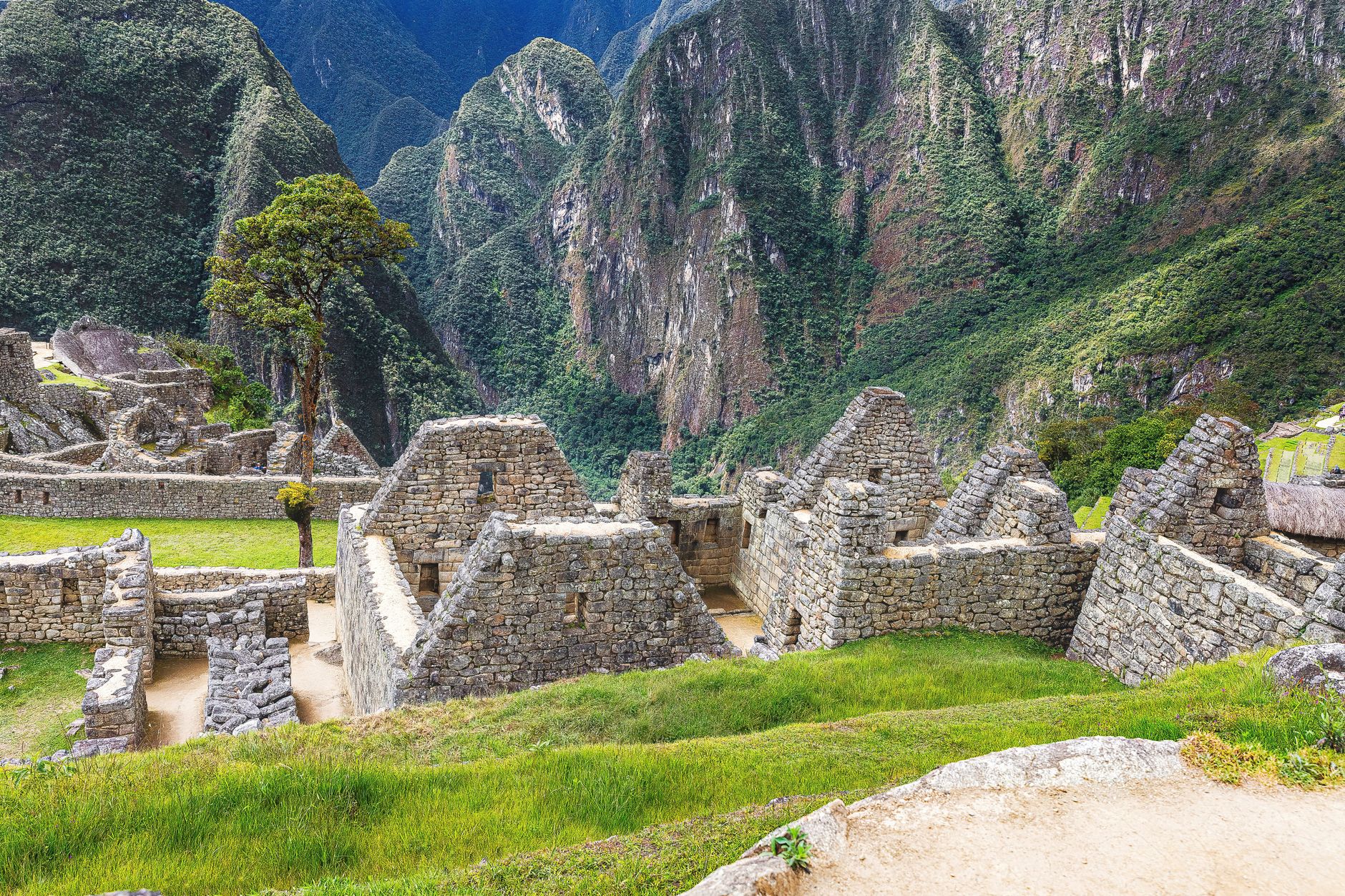
Reaching the iconic Inca citadel requires exact planning. Getting to Machu Picchu from Cusco is not as simple as showing up at the entrance gate with a ticket. You must choose between a scenic railway journey through the Sacred Valley or a multi-day trek across the Andes.
The logistics of this journey will dictate your entire schedule in Peru. You need to align train timetables, entry circuits, and accommodation months in advance. This guide breaks down the practicalities of both methods so you can structure your trip effectively.
Getting to Machu Picchu from Cusco: Train vs. Trek
If you are planning to visit Machu Picchu from Cusco, your first decision is how to cover the 75 km distance. There are no direct roads connecting the city to the ruins. You must either ride the rails to the base town of Aguas Calientes or walk the ancient Andean paths.
The Train Route
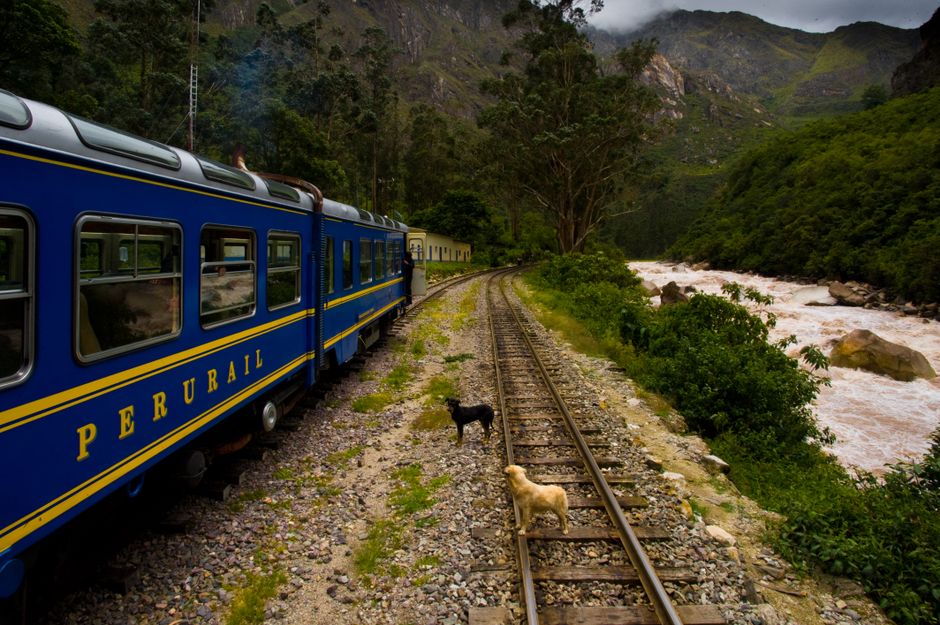
The railway is the most popular and efficient method. Trains depart from stations in and around Cusco, winding through the Urubamba River gorge. The journey takes between 1.5 and 4 hours depending on your departure station. It is ideal if you are short on time, travelling with children, or prefer sleeping in a proper bed.
The Trekking Routes
Trekking offers a physical challenge and a gradual, rewarding approach to the ruins. Routes range from the classic 4-day hike on original Inca paving stones to 5-day high-altitude mountain passes. Trekking requires serious acclimatisation, packing specific gear, and booking permits up to six months in advance.
| Feature | The Train Route | The Trekking Routes |
|---|---|---|
| Time Needed | 1 to 2 days | 2 to 5 days |
| Physical Demand | Low (walking the ruins only) | High (long daily distances, high altitude) |
| Advance Booking | 2 to 3 months | 4 to 6 months |
| Starting Cost | $150 to $200 USD | $500 to $900+ USD |
The Train Route: Stations, Companies and Costs
Two companies operate the railway: PeruRail and Inca Rail. Both offer varying classes of service, from comfortable standard carriages with panoramic windows to luxury dining trains. PeruRail runs the Expedition and Vistadome services, alongside the high-end Hiram Bingham. Inca Rail operates The Voyager, The 360°, and private charter options.
Prices range from $120 to $300 USD for a standard round trip, while luxury tickets exceed $500 USD. Trains depart from three main stations. Wanchaq and San Pedro are located directly in Cusco. Poroy is a 20-minute taxi ride from the centre, while Ollantaytambo is located 1.5 hours away.
Many travellers choose to explore the ruins and markets of the valley first, using our Sacred Valley guide to plan their route. They then catch the train from Ollantaytambo, which shortens the railway journey to just 90 minutes.
During the rainy season (January to April), the bimodal service operates. You take a bus from Cusco to Ollantaytambo, then transfer to the train, as the tracks near Cusco close for safety. Note that all trains impose a strict luggage limit of 5 kg (11 lbs) per passenger. You must leave your main suitcase at your accommodation; read our guide on where to stay in Cusco to find hotels that offer free luggage storage.
The Trekking Routes: Inca Trail, Salkantay and Lares
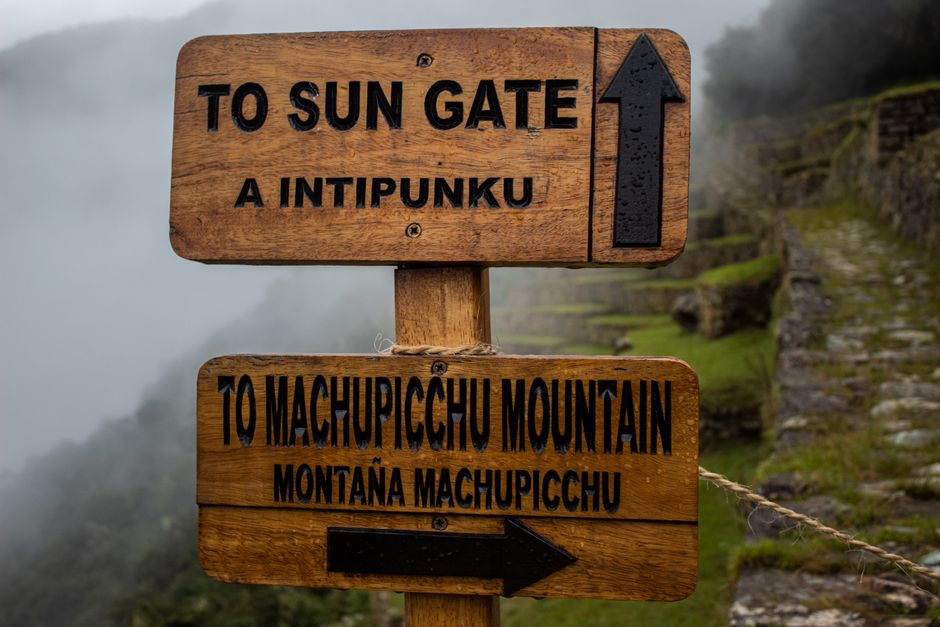
If you choose to walk, you have three primary paths. The Classic Inca Trail is the only route that ends directly at the Sun Gate (Inti Punku) inside Machu Picchu. It covers 43 km over four days, crossing a 4,215m mountain pass. The government caps permits at 500 people per day, including guides and porters, meaning you must secure your spot six months ahead.
The Salkantay Trek is a 5-day, 74 km alternative that skirts the base of the massive Mount Salkantay. It reaches an elevation of 4,600m before dropping into the high jungle. It does not require government permits in the same way, making it easier to book closer to your travel dates. It finishes in Aguas Calientes, where you sleep in a hotel before taking the bus up to the citadel on the final morning.
The Lares Trek is a 3-day cultural route through remote Andean weaving villages. It is less crowded and physically less demanding than Salkantay, though it still crosses high passes. Like Salkantay, it ends with a train ride from Ollantaytambo to Aguas Calientes for your final entry.
Machu Picchu Entry Tickets and Circuits
Entry rules are strictly enforced, and you cannot buy tickets at the gate. You must purchase them online via the official government site or through an authorised agency. The site operates on a strict circuit system to control foot traffic, and you must choose your path when booking.
- Circuit 1 (Panoramic): Focuses on the upper terraces for the classic viewpoint. It is required if you are hiking Machu Picchu Mountain, but it skips the lower urban sectors.
- Circuit 2 (Classic): The most comprehensive route. It takes you to the upper terraces for the famous postcard view before winding through the main urban sectors and temples.
- Circuit 3 (Royalty): Explores the lower ruins and agricultural terraces. This is the only access point for the steep Huayna Picchu hike.
Tickets cost approximately $40 to $60 USD depending on the circuit and additional mountain hikes. You must enter within your designated 60-minute time slot, and you are not permitted to backtrack along the one-way paths. Bring your physical passport; officials check it against your ticket at the entrance, and you can get a novelty stamp just outside the gates.
The Aguas Calientes Shuttle Bus
Unless you are walking the Inca Trail, you will arrive in Aguas Calientes at the base of the mountain. From here, you must take a shuttle bus up the steep, zigzagging Hiram Bingham highway to the entrance gate. The bus ride takes 30 minutes and costs $24 USD for a round trip.
Buses run continuously from 5:30 AM. Lines can be incredibly long in the early morning, often taking over an hour to board. You can buy bus tickets in Aguas Calientes the night before or at a dedicated booth in Cusco, but they do not sell out like train or entry tickets.
Alternatively, you can walk up the mountain from Aguas Calientes. This is a steep, strenuous climb up stone steps that takes about 90 minutes. Most travellers prefer to save their energy for walking around the massive archaeological site itself.
Planning Your Machu Picchu from Cusco Itinerary
How you structure your visit depends heavily on your stamina. A day trip is possible but grueling. You will wake at 3:00 AM, take the bimodal bus and train service, spend three hours at the ruins, and return to Cusco by 10:00 PM.
A better approach is an overnight stay in Aguas Calientes. You can travel from Cusco in the afternoon, sleep in the valley, and take the early shuttle bus up to the entrance for a 6:00 AM entry. This allows you to experience the site in the morning mist before the bulk of the train passengers arrive at midday.
For broader scheduling, review our Cusco itinerary to see how an overnight Machu Picchu trip fits into a 3-day or 5-day stay. If you have spare days in the region, look into the best day trips from Cusco to visit sites like the Maras salt mines or Palcoyo rainbow mountain.
Best Time to Visit and Weather
The dry season runs from May to October. This period offers clear blue skies and minimal rain, making it the safest window for trekking and the most reliable for train travel. June, July, and August are the peak months, meaning maximum crowds and sold-out tickets.
The shoulder months of April, May, September, and October provide a strong balance of manageable weather and slightly fewer visitors. The rainy season peaks between January and March. Heavy downpours can obscure the ruins, cause landslides that delay trains, and close the Inca Trail entirely for maintenance every February.
Temperatures at the citadel remain relatively consistent year-round. Daytime highs hover around 20°C (68°F), while early mornings drop to 8°C (46°F). You will need layers that you can remove as the sun rises. For a detailed breakdown of weather patterns, check our guide on the best time to visit Cusco.
Altitude and Acclimatisation
A common misconception is that Machu Picchu is the highest point of your trip. Cusco sits at an elevation of 3,400m, while Machu Picchu is significantly lower at 2,430m.
If you are taking the train, you will actually descend into the cloud forest, making altitude sickness less likely at the ruins themselves. However, you must acclimatise in the city first before attempting any physical exertion. If you are trekking, the mountain passes on the Inca Trail and Salkantay exceed 4,200m, requiring serious preparation.
Spend at least two days resting before starting a trek. Drink plenty of coca tea, stay hydrated, and avoid heavy alcohol. Read our dedicated guide on altitude sickness in Cusco for medication advice and symptoms to watch for.
What to Pack for the Journey
Because of the strict 5 kg luggage limit on trains, packing requires discipline. You need a small daypack containing only the essentials for your overnight stay and the ruins. Leave your large suitcase in secure storage at your city accommodation.
Bring your original passport, as you cannot board the train or enter the ruins without it. Pack insect repellent, high-SPF sunscreen, and sunglasses, as the high-altitude sun is intense even on cloudy days. A refillable water bottle is mandatory; single-use plastic bottles are banned at the archaeological site.
Wear sturdy walking shoes with good grip. The stone steps inside the citadel are uneven and become slippery in the morning mist. Dress in breathable layers, including a lightweight waterproof jacket, as the weather in the cloud forest changes rapidly from cold and damp to hot and humid.
Returning to Cusco and Local Food
After your visit, the return journey follows the same logistics in reverse. The train drops you at Ollantaytambo, Poroy, or San Pedro, where you transfer to your accommodation.
You will likely arrive back late and hungry. Skip the overpriced restaurants near the main square and read our guide on what to eat in Cusco to find hearty local dishes like lomo saltado or aji de gallina. If you are staying a few extra days, spend a morning recovering and browsing the food stalls at San Pedro Market Cusco for fresh juices and empanadas.
Plan Your Trip
Your Machu Picchu strategy shapes your entire visit to the region. Book your entry circuit first to lock in your date, secure your transport second, and build your accommodation around those fixed points.
For more logistical help, start with our main Cusco guide to understand the city layout and find a base. You can also explore our comprehensive Peru guide if you are continuing south to Arequipa or north to Lima. Do not leave without checking off the best things to do in Cusco, from exploring Sacsayhuamán to wandering the cobblestones of San Blas.