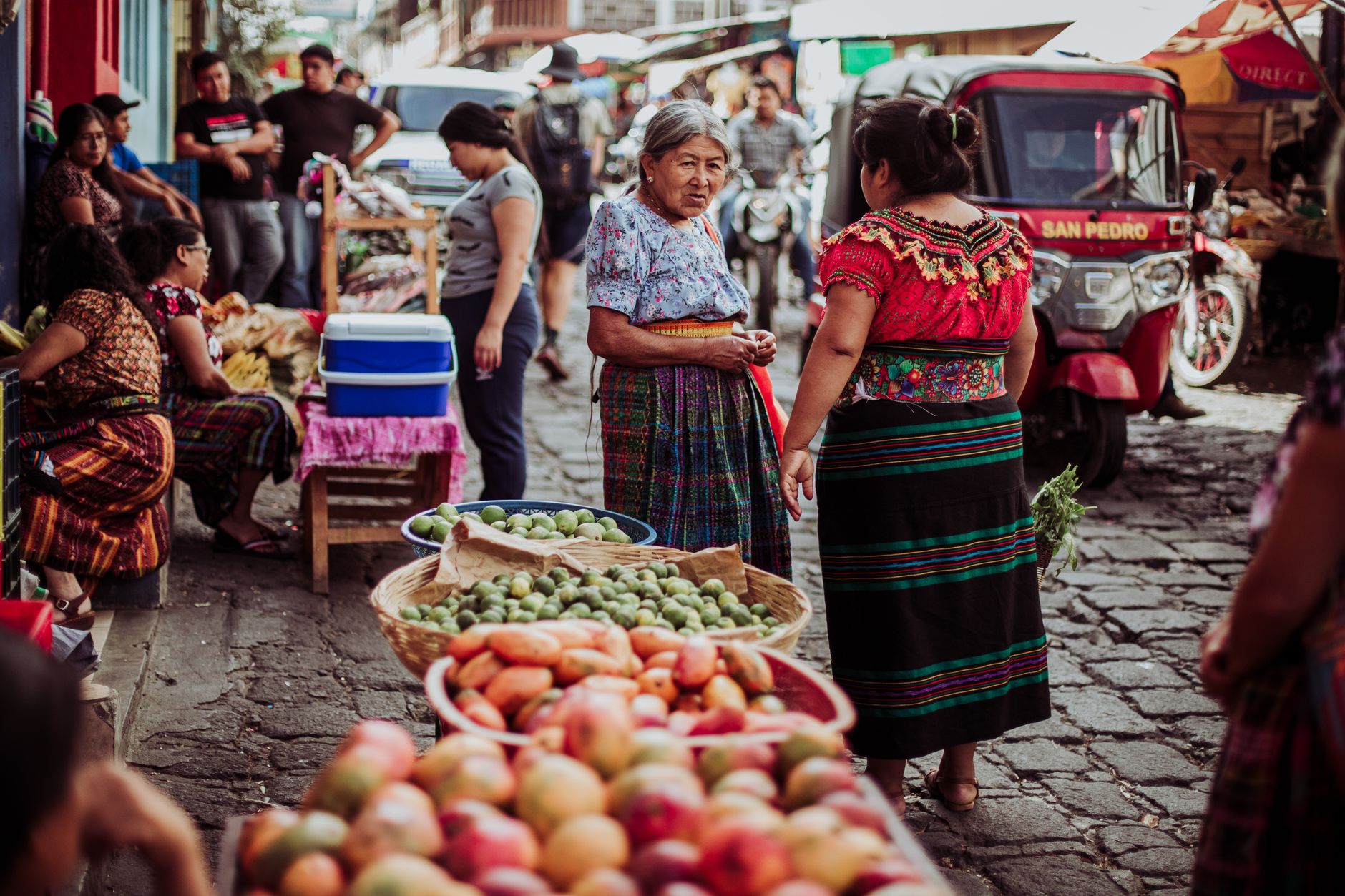
Mercado Central de San Pedro is Cusco’s main traditional market, located an eight-minute walk from the Plaza de Armas on Calle Santa Clara. Visiting San Pedro Market Cusco gives you a direct look at daily Andean life, from towering stacks of flat pan chuta bread to bubbling pots of hearty chicken soup. The massive iron-roofed hall, designed by French architect Gustave Eiffel and built in 1925, covers an entire city block and houses over 1,180 individual stalls.
As you walk through the heavy metal doors, you will hear a continuous blend of Spanish and Quechua. This is a working, functional supply centre for the city’s residents, not just a tourist attraction. If you are following our Cusco guide, spending a morning here is essential to understand the regional food culture and see ingredients that never make it onto standard restaurant menus.
Essential Information for San Pedro Market Cusco
The market sits at Cascaparo Square, directly opposite the San Pedro train station. It operates Monday to Saturday from 6:30 AM to 6:00 PM, and on Sundays it closes early at midday. There are multiple entrances, but the main gates face Calle Santa Clara and Plaza San Francisco. Entry is completely free, and there are no tickets required.
The best time of day to visit is between 8:00 AM and 10:00 AM. During these morning hours, the vendors have fully set up their stalls, the bread is fresh from the clay ovens of Oropesa, and the narrow aisles are not yet jammed with afternoon crowds. If you are looking at the best time to visit Cusco, the market operates year-round, but the dry season (May to October) brings the widest variety of freshly harvested Andean potatoes and corn.
You must bring cash in local currency. Vendors do not accept credit cards or foreign currency, and you will need small denominations of Peruvian soles for small purchases. Trying to pay for a $2 juice with a 100-sol note will often be rejected because vendors simply do not carry enough change. Expect to pay roughly $1.50 to $3 for a fresh juice, and $2 to $5 for a prepared meal at the food stalls.
How to Get to the Market
San Pedro Market is highly accessible from the historic centre. From the Plaza de Armas, the walk takes less than 10 minutes and covers about 0.8 km. You start by walking down Calle Mantas, passing the intricately carved stone facade of La Merced Church on your left.
Continue straight onto Calle Marqués, a busy pedestrianised street lined with colonial balconies and small shops. This street naturally turns into Calle Santa Clara. You will pass through the wide, open space of Plaza San Francisco and walk under the colonial Santa Clara Arch. The green iron structure of the market building will be directly in front of you.
Because the route is entirely flat, it is an easy walk even when you are first acclimatising to the elevation. If you are staying further out in the Wanchaq or San Blas districts, a local taxi to the market will cost around $1.50 to $2.50. Tell the driver “Mercado San Pedro,” and they will drop you at the main steps.
Navigating the Market Sections
The market is organised into a grid of distinct sections. Knowing where to look saves you from wandering aimlessly through the massive hall. The layout groups similar vendors together, creating intense pockets of specific smells and colours.
| Section | Location in Market | What to Expect | Key Items to Buy |
|---|---|---|---|
| Fresh Produce | Central aisles | Towering piles of regional vegetables. You will see dozens of potato varieties, from bright yellow to dark purple, alongside giant Andean corn. | Choclo (large kernel corn), lucuma (a dry, sweet fruit), passionfruit, and chuño (traditional freeze-dried potatoes). |
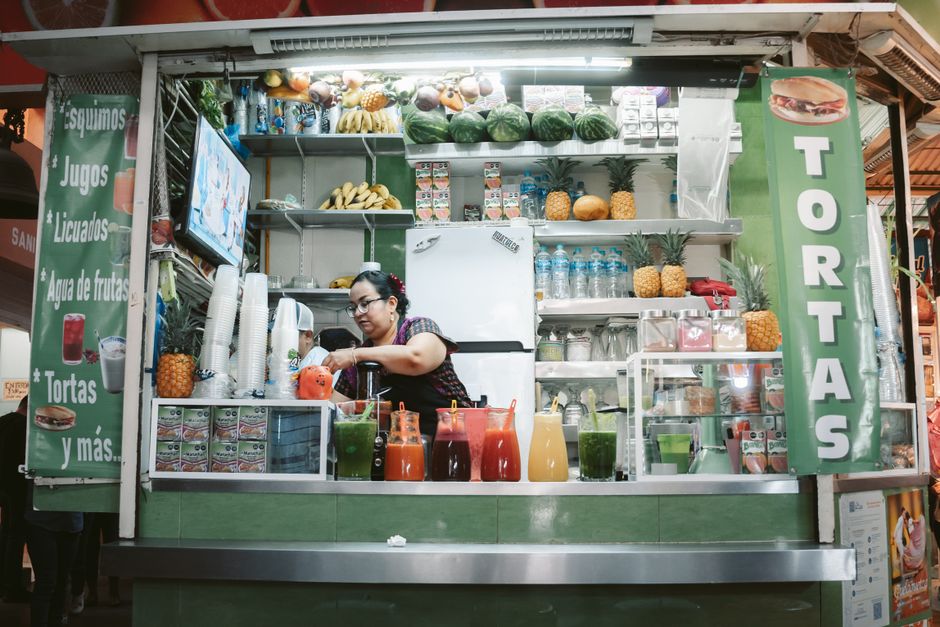
| Juice Stalls (Jugos) | Left side from main entrance | A loud, vibrant row of blenders where vendors enthusiastically call out for your business. You sit on small wooden stools directly at the counter. | Mixed fruit juices (jugo surtido), often blended with maca root powder, local honey, or Cusqueña beer. Costs around $1.50–$2.50. |
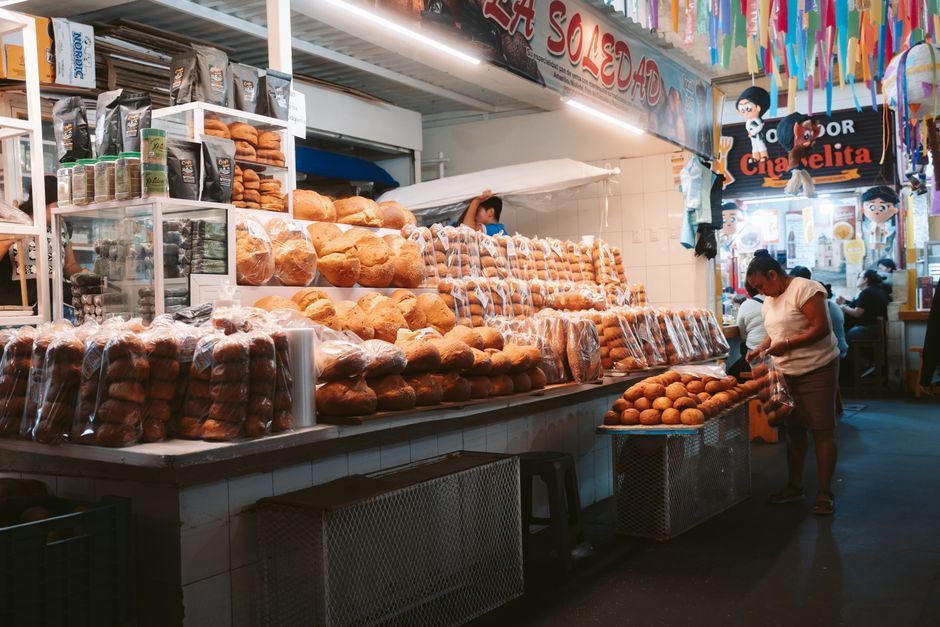
| Bread and Cheese | Right side aisles | The smell of fresh baking dominates this aisle. Huge, flat rounds of bread are stacked high next to pale wheels of local dairy. | Pan chuta (sweet, anise-flavoured bread baked in the nearby town of Oropesa) and salty Queso Andino. |
| Food Court | Back section | Long communal benches where locals eat hearty, cheap meals. Steam rises from massive aluminum pots over gas burners. | Caldo de gallina (chicken soup) or lomo saltado. Meals range from $2 to $5. |
| Handicrafts | Front aisles near Santa Clara | Packed with brightly coloured textiles, warm clothing, and classic Peruvian souvenirs. | Alpaca wool jumpers, colourful lliclla (woven blankets used for carrying babies), and chullo hats. |
| Medicinal Plants | Far right corner | The most unusual section, featuring herbal remedies, dried roots, snake oil, and traditional shamanic supplies. | Coca leaves for altitude acclimatisation, palo santo wood for incense, and natural herbal teas. |
What to Eat at San Pedro Market Cusco
Eating at the market is a quintessential local experience that puts you shoulder-to-shoulder with Cusco residents. For breakfast, head straight to the juice section. The vendors will wave laminated menus at you, but you can request any combination of the fresh fruit piled high on their counters. A popular choice is a blend of papaya, pineapple, and banana, but you should also try local fruits like chirimoya (custard apple) or maracuya (passionfruit).
For lunch, the food stalls offer some of the most affordable and authentic meals in the city. Caldo de gallina (hen soup) is a daily staple for many locals. It comes with a whole piece of chicken, thick noodles, Andean potatoes, and a hard-boiled egg. It is incredibly comforting, especially given the cool mountain temperatures that average around 10°C to 15°C (50°F to 59°F) during the day.
If you are exploring what to eat in Cusco, you will also find plates of lomo saltado (beef stir-fry with chips), tallarines al horno (baked pasta), and empanadas. However, you need to be mindful of altitude sickness in Cusco. Digestion slows down significantly at 3,400 metres above sea level. Avoid eating heavy, fatty meals like lechón (roasted pork) or chicharrón (deep-fried pork) on your first day, and stick to light soups or simple carbohydrates until you adjust.
Shopping for Souvenirs and Local Goods
The handicraft section at San Pedro Market Cusco is an excellent place to buy souvenirs, often at slightly lower prices than the boutique shops around the Plaza de Armas. You will find aisles dedicated to colourful textiles, woven bags, and thick jumpers designed to combat the evening chill.
When buying alpaca wool, be aware that most inexpensive items (priced around $10 to $15) are actually synthetic blends or standard sheep’s wool. Genuine baby alpaca is much softer, noticeably heavier, and cool to the touch, usually costing upwards of $40 to $60. Vendors are generally open to polite bargaining. You can usually negotiate the price down by 10 to 15 percent, but do not push too hard over a dollar or two.
Beyond textiles, look for edible souvenirs that represent the region’s diverse geography. You can buy solid blocks of pure Chuncho cacao sourced from the nearby jungle region of Quillabamba. You will also find bags of locally roasted coffee beans and coarse pink salt harvested directly from the Maras salt mines in the Sacred Valley. These make excellent, highly practical gifts to take home.
Mistakes to Avoid
Navigating a busy South American market requires a bit of common sense. Keep these practical tips in mind to ensure a smooth visit:
- Taking photos without permission: This is a working market, not a museum exhibit. Many indigenous vendors do not want their photograph taken, and it is highly disrespectful to push a camera in their faces. Always ask “Puedo tomar una foto?” first, and ideally, buy something from their stall before snapping a picture.
- Ignoring food hygiene: While the cooked food is generally safe if it is boiling hot, you should avoid raw salads, unpeeled fruits, and drinks made with unpurified tap water. Stick to hot soups and fruits you can peel yourself, like bananas or mandarins, to avoid traveler’s diarrhea.
- Flashing valuables: Like any crowded market worldwide, pickpockets operate in the narrow, busy aisles. They often use distraction techniques in tight bottlenecks. Keep your phone in a zipped front pocket, leave your passport in your hotel safe, and wear your daypack on your front if the market is particularly crowded.
- Going too late in the day: If you arrive after 4:00 PM, many stalls will already be packing up, and the fresh produce sections will be mostly empty. Stick to the morning for the full, vibrant experience.
What to Combine with Your Visit
Because the market takes about one to two hours to fully explore, it fits easily into a broader Cusco itinerary. Right outside the main doors, you can visit the San Pedro Church (Iglesia de San Pedro). Built in 1688, its twin towers and baroque facade were constructed using stones taken directly from an Inca site.
Afterwards, walk two blocks back to Plaza San Francisco to grab a coffee at one of the overlooking cafes. This area is slightly quieter than the main square and is a great spot to sit and review your list of the best things to do in Cusco. You can also visit the botanical garden inside the San Francisco convent.
If you are deciding where to stay in Cusco, the San Pedro neighbourhood offers several budget-friendly guesthouses. It is a highly authentic area, though it is noticeably noisier and busier than the artisan San Blas district. The market is also conveniently located next to the San Pedro train station, which is one of the primary departure points if you are taking the PeruRail train to Machu Picchu from Cusco.
Many travellers use Cusco as a base for a few days before heading out on the best day trips from Cusco. You can buy cheap snacks, fresh fruit, and bags of coca leaves at San Pedro Market before embarking on a tour using our Sacred Valley guide, or before continuing your wider journey through our Peru guide.
Plan Your Trip
To make the most of your market visit, pack a sturdy reusable tote bag. Vendors will provide small plastic bags, but carrying multiple items is much easier with your own bag. Bring hand sanitiser and a small packet of tissues, as the public toilets (located near the food court) cost 1 sol to use and rarely stock toilet paper. Finally, take your time. The aisles are narrow and the pace is slow, so embrace the rhythm of the market rather than rushing through.