Europe
Navigate high-speed rail networks between centuries-old capitals, Mediterranean coastlines, and Alpine peaks across a continent built on dense, accessible history.
44
Countries
200+
Languages
400+
UNESCO Sites
$80–400+
Daily Budget
May–Sep
Best Time
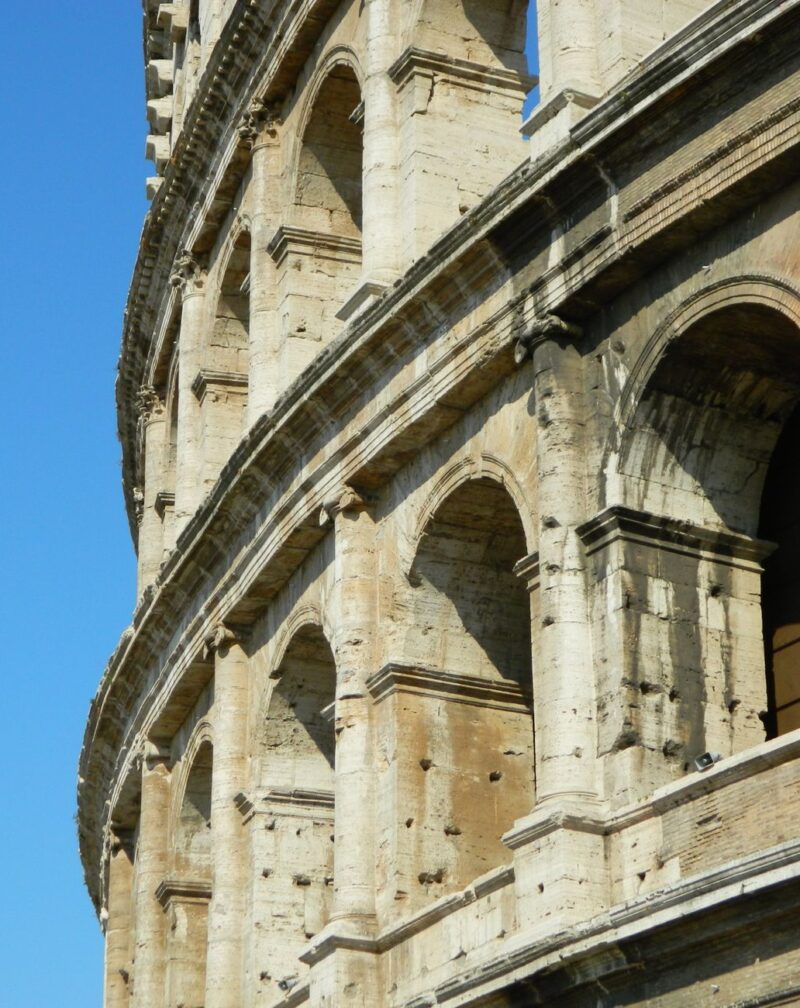
Europe packs an unmatched density of distinct cultures, languages, and landscapes into a remarkably compact landmass. You can wake up eating croissants in Paris, catch a high-speed TGV train, and be sipping espresso in Milan by mid-afternoon. The continent’s infrastructure makes multi-country trips seamless, whether you are navigating the Swiss Alps via the Glacier Express or island-hopping through the Aegean Sea. While summer draws massive crowds to the Amalfi Coast and the Greek Islands, shoulder seasons offer milder weather and fewer queues at heavy-hitters like the Colosseum or the Louvre. With the introduction of the ETIAS authorisation system for visa-exempt travellers, crossing Schengen borders requires a bit more pre-planning, but the reward is unrestricted access to centuries of art, architecture, and culinary traditions.
Explore by Country
Countries We Cover
Dive into our detailed guides for Europe's most popular destinations.
Interactive Map
Click any pin to explore guides for that country.
Find Your Style
Who Is Europe For?
Honestly? Everyone. But here's who thrives in Europe.
When to Go
Best Time to Visit
Europe shifts dramatically with the seasons, from Mediterranean beach summers to Alpine ski winters.
Jan
Alpine skiing
Quiet museums
Feb
Venice Carnival
Northern Lights
Mar
Spring in Andalusia
Fewer crowds
Apr
Dutch tulips bloom
Mild Mediterranean
May
Greek island hopping
Perfect hiking weather
Jun
Midnight sun in north
Festivals begin
Jul
Peak beach season
Lavender in Provence
Aug
Edinburgh Fringe
Warm Baltic Sea
Sep
Grape harvests
Bavarian Oktoberfest
Oct
Autumn in the Alps
Truffle season Italy
Nov
Christmas markets open
Low season rates
Dec
German festive markets
Swiss winter sports
Don't Miss
Top Destinations
Money Matters
Budget Overview
Daily costs vary wildly from the affordable Balkans to the pricey Swiss Alps.
Transport
Getting There & Around
Stay Safe
Safety Overview
Eat Like a Local
Food Overview
European cuisine is fiercely regional, with protected designations ensuring traditional methods are preserved.
Celebrate
Festivals & Events
Plan your trip around these massive cultural celebrations and historic events.
01
February
Carnival of Venice
Elaborate masks and 18th-century costumes fill the canals and piazzas of Venice, Italy, before Lent begins.
02
March
Las Fallas
Valencia, Spain, erupts in fireworks and bonfires as massive satirical sculptures are paraded and then burned.
03
April
King's Day
The Netherlands turns entirely orange as millions take to the streets and canals of Amsterdam for massive open-air parties.
04
June
Glastonbury Festival
The UK's premier music and performing arts festival transforms a Somerset farm into a temporary city of 200,000 people.
05
July
Bastille Day
France celebrates its national day with military parades on the Champs-Élysées and fireworks over the Eiffel Tower.
06
August
Edinburgh Festival Fringe
The Scottish capital hosts the world's largest arts festival, with thousands of comedy, theatre, and street performances.
07
September / October
Oktoberfest
Millions gather in Munich, Germany, to drink massive steins of Bavarian beer and eat pretzels in giant festival tents.
09
December
Strasbourg Christmas Market
France's oldest festive market fills the Grande Île with wooden chalets, spiced wine, and towering illuminated trees.
Plan Your Route
Multi-Country Itineraries
Maximise your time with these efficient, multi-country overland routes.
2 Weeks
The Classic Western Loop
A fast-paced introduction to Europe's most iconic capitals, utilising high-speed rail connections between city centres.
London → Paris → Amsterdam → Berlin → Prague
10 Days
Mediterranean Coastline
Follow the sun along the southern coast, mixing Gaudí architecture with French Riviera glamour and Italian coastal villages.
Barcelona → Marseille → Nice → Monaco → Cinque Terre
2 Weeks
Alpine Train Journey
Navigate the dramatic mountain passes of Central Europe, riding the Glacier Express and exploring high-altitude lakes.
Zurich → Lucerne → Zermatt → St. Moritz → Milan
3 Weeks
Iberian Peninsula Explorer
A comprehensive loop through Spain and Portugal, focusing on Moorish history, tapas culture, and Atlantic coastlines.
Madrid → Seville → Lisbon → Porto → Santiago de Compostela
2 Weeks
Adriatic Island Hopper
Combine ancient ruins with crystal-clear waters, taking ferries down the Dalmatian coast and across to Greece.
Split → Hvar → Dubrovnik → Corfu → Athens
14 Days
The Romantic Road & Beyond
Drive through fairy-tale Bavarian castles, medieval walled towns, and into the heart of the Austrian Alps.
Frankfurt → Würzburg → Rothenburg → Munich → Salzburg
Explore More
Other Continents
Common Questions