Arriving at 3,399 metres (11,152 feet) above sea level is a physical shock. Managing altitude sickness in Cusco is the first logistical hurdle for anyone flying directly into the Andes from the coast. The air here contains about 30% less effective oxygen than at sea level, meaning your heart and lungs have to work significantly harder just to perform basic bodily functions.
Because most international travellers fly directly from Lima to Alejandro Velasco Astete International Airport (CUZ), the sudden jump in elevation triggers symptoms in roughly half of all arrivals. Before you finalise your plans, it is vital to understand how the elevation works, how to pace your arrival, and what local remedies actually help. For broader context on planning your overall trip, start with our comprehensive Peru guide and our dedicated Cusco guide.
Understanding Altitude Sickness in Cusco
Locals refer to altitude sickness as soroche. It occurs when you ascend to high elevations too rapidly, depriving your body of the time it needs to adjust to the drop in air pressure and oxygen levels. The physiological response usually kicks in within 12 to 24 hours of landing.
A common mistake travellers make is assuming that all Inca ruins are at the same extreme heights. In reality, the geography of the region varies wildly. Understanding the elevation of the places you plan to visit is the key to managing your health.
The Elevation Hierarchy
To put the city’s elevation into perspective, look at the heights of the surrounding landmarks. You will quickly see why heading straight to the highest peaks on day one is a bad idea.
| Location | Elevation (Metres) | Elevation (Feet) |
|---|---|---|
| Lima (Coast) | 0 m | 0 ft |
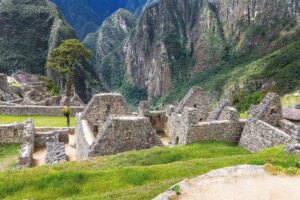
| Machu Picchu | 2,430 m | 7,972 ft |
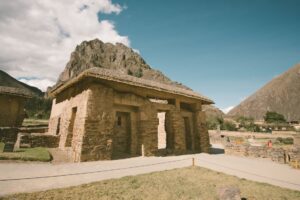
| Ollantaytambo | 2,792 m | 9,160 ft |
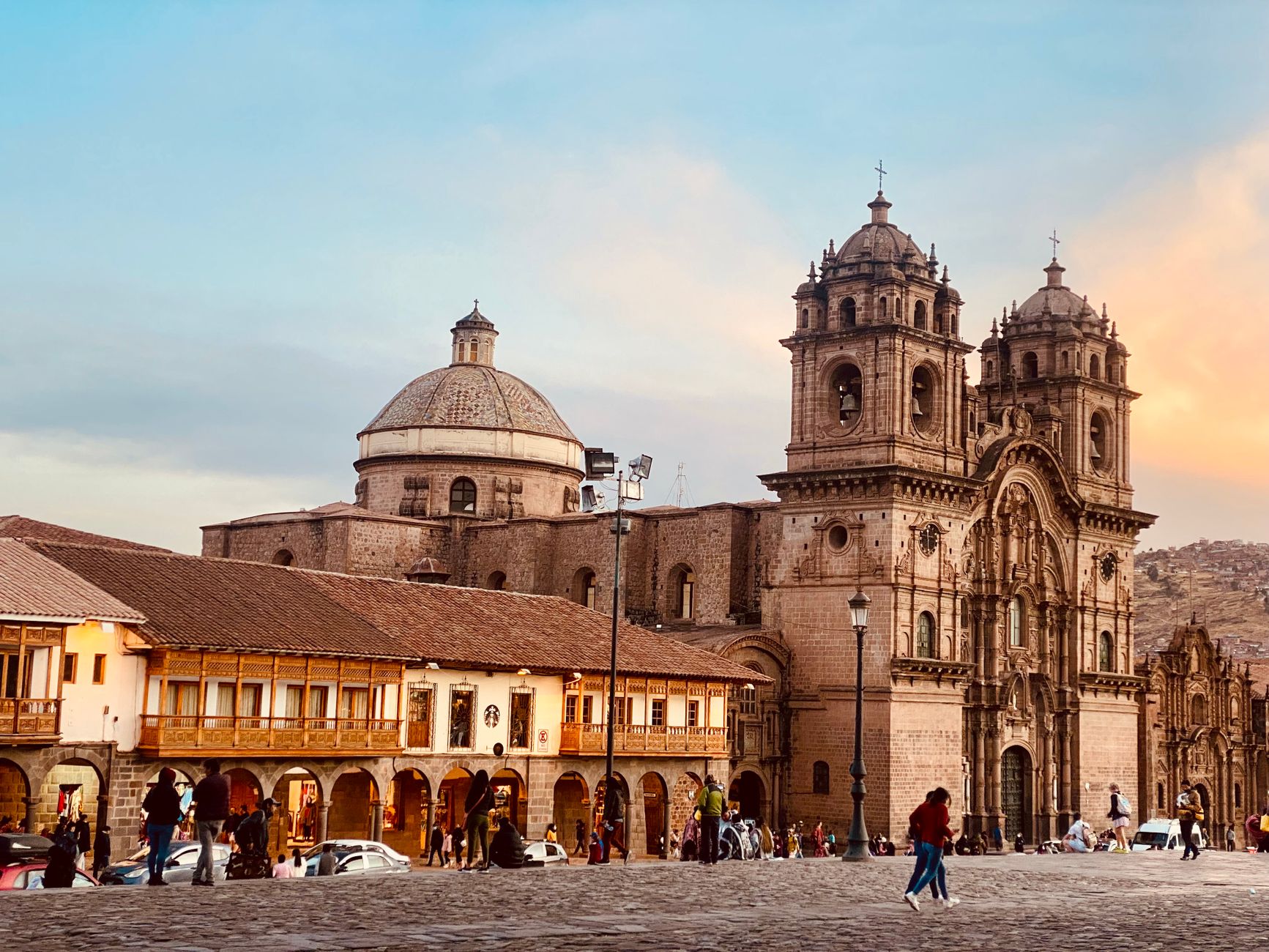
| Cusco City Centre | 3,399 m | 11,152 ft |
| Humantay Lake | 4,200 m | 13,780 ft |
| Rainbow Mountain | 5,200 m | 17,060 ft |
As the table shows, a major misconception is that the famous citadel is the highest point of your trip. It is actually much lower. If you are struggling with the thin air in the city, taking the train down to Aguas Calientes will almost certainly make you feel better. Read the Machu Picchu from Cusco guide for train logistics and ticketing.
Common Symptoms of Soroche
Mild altitude sickness feels very similar to a bad hangover. The most common symptom is a persistent, throbbing headache, usually accompanied by fatigue and a general sense of lethargy. You will likely find yourself out of breath simply walking up the slight incline from the Plaza de Armas to your accommodation.
Insomnia is another frequent complaint on the first night. When you sleep, your breathing naturally slows down. At 3,399 metres, this drop in respiration lowers your blood oxygen levels further, which can cause you to wake up suddenly gasping for air. Nausea and a complete loss of appetite are also standard physical reactions.
Severe symptoms, such as confusion, a wet cough, or the inability to walk in a straight line, are signs of High Altitude Pulmonary Edema (HAPE) or High Altitude Cerebral Edema (HACE). These are medical emergencies. If these occur, you must seek oxygen immediately and descend to a lower elevation.
How to Prevent Altitude Sickness in Cusco
The most effective way to prevent severe symptoms is to alter your arrival logistics. Instead of staying in the city centre on night one, hire a taxi directly from the airport and drive 60 km down into the surrounding valleys.
The Sacred Valley Strategy
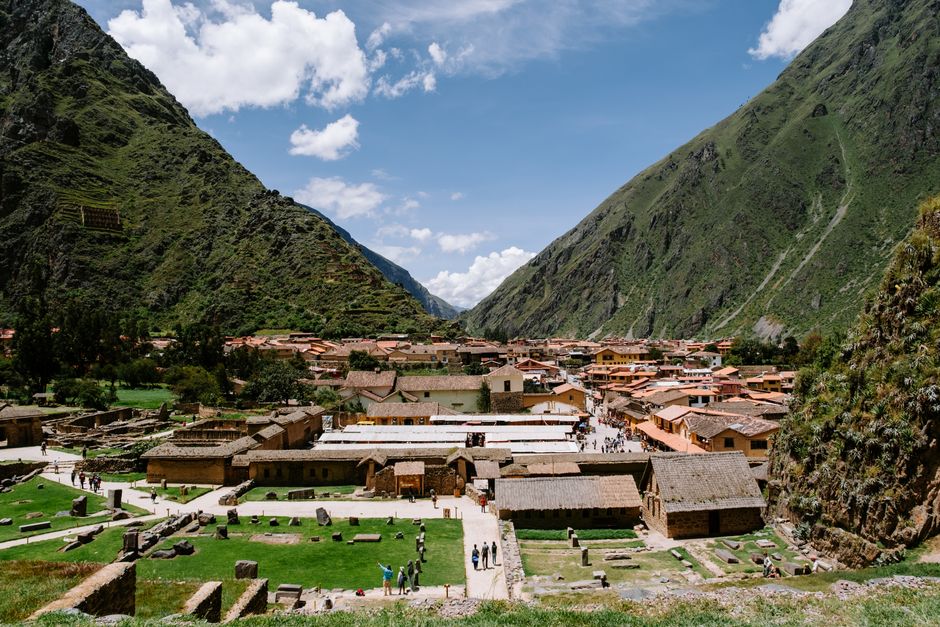
Towns like Ollantaytambo, Pisac, and Urubamba sit at roughly 2,800 metres (9,186 feet). This 600-metre difference is massive for your body’s ability to acclimatise. Spending your first two nights in this lower region allows your red blood cell count to increase gradually.
Taxis from the airport to Urubamba take about 90 minutes and cost between $30 and $45 USD. You can explore lower-elevation ruins while your body adjusts. For a full breakdown of the towns and transit routes, see our Sacred Valley guide.
Medical and Natural Remedies
If your schedule forces you to stay in the city on night one, you need to rely on preventative medications and local remedies to ease the transition.
Pharmacy Medications
Many doctors recommend taking Acetazolamide (commonly sold as Diamox) to speed up acclimatisation. You typically need to start taking this prescription medication 24 hours before you fly into the Andes. It works by acidifying your blood, which forces you to breathe deeper and faster, taking in more oxygen.
If you prefer an over-the-counter option upon arrival, head to a local pharmacy. Inkafarma and Mifarma are the dominant pharmacy chains, with multiple branches along Avenida El Sol. Ask the pharmacist for Sorojchi Pills. These contain a mix of aspirin, caffeine, and salophen to combat headaches and stimulate blood flow. A blister pack costs around $5 to $8 USD.
Coca Leaves and Tea
The traditional Andean remedy for altitude is the coca leaf. Most hotels keep a basket of fresh leaves and hot water in the lobby so guests can make mate de coca (coca tea) upon arrival. The natural alkaloids in the leaves act as a mild stimulant, helping to reduce fatigue, suppress appetite, and ease headaches.
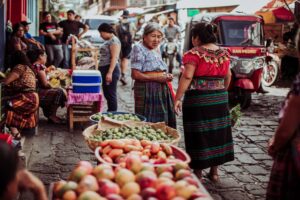
If you want to try chewing the leaves like the locals, head to the San Pedro Market Cusco. You can buy a large bag of fresh leaves for less than $2 USD. The technique involves rolling a few leaves together, placing them between your cheek and gum, and letting the juices slowly release. Do not swallow the leaves themselves.
Diet, Hydration, and Digestion
At high elevations, your body reroutes blood and oxygen away from your digestive tract and towards your brain and vital organs. As a result, your digestion slows to a crawl. Eating a heavy, rich meal on your first night is a guaranteed way to trigger stomach cramps and severe nausea.
Avoid heavy meats like alpaca steaks or deep-fried dishes like chicharrón for the first 48 hours. Stick to light, easily digestible carbohydrates. Quinoa soup or dieta de pollo (a simple chicken and noodle broth) are perfect first-night dinners. Check the what to eat in Cusco guide for easy-to-digest local restaurant options.
Hydration is equally critical. The air in the Andes is incredibly dry, and the increased breathing rate causes you to lose moisture rapidly. Aim to drink at least three to four litres of bottled water a day. Strictly avoid alcohol for the first two days, as it dehydrates you further and depresses your respiratory system, making acclimatisation much harder.
Weather Factors
The time of year you visit also impacts how you feel. During the dry season (May to October), nighttime temperatures frequently drop below freezing (0°C / 32°F). While cold air is technically denser, the chill can make breathing feel harsher on your lungs, and shivering burns extra energy that your body needs for acclimatisation. Read the best time to visit Cusco guide for seasonal packing advice to keep your core temperature stable.
Adjusting Your Itinerary
Your Cusco itinerary needs to be front-loaded with rest. Spend day one doing absolutely nothing strenuous. Wander the flat streets near the Plaza de Armas, sit in a cafe, and drink water. Save the steep climb up the cobblestones of the San Blas neighbourhood or the hike up to the Sacsayhuamán ruins for day three.
There are plenty of low-impact activities to keep you occupied while you adjust. Exploring the Qorikancha (Temple of the Sun) or walking through the Museo Inka are some of the best things to do in Cusco that require minimal physical exertion.
Timing Your Day Trips
Once you have spent at least 48 hours acclimatising, you can start looking at higher elevations. Many of the best day trips from Cusco take you significantly higher than the city itself. Attempting the 5,200-metre hike to Rainbow Mountain on your second day is a recipe for severe illness. Schedule these high-altitude treks for the very end of your trip when your red blood cell count is at its peak.
Oxygen-Enriched Accommodation
If you have the budget, booking a room with oxygen enrichment can completely change your arrival experience. Luxury properties pump filtered oxygen directly into the sealed rooms through the ventilation system, lowering the effective altitude to around 2,400 metres (7,870 feet). This allows you to sleep soundly and wake up refreshed.
Hotels offering this service include the Belmond Hotel Monasterio, the JW Marriott El Convento, and the Palacio del Inka. Even if you do not book an enriched room, most mid-range and luxury hotels keep portable oxygen tanks at the front desk. Do not hesitate to ask for five minutes on the mask if you feel a headache coming on. Review the where to stay in Cusco guide for specific hotel recommendations in the historic centre.
Emergency Clinics in Cusco
If your symptoms do not improve after 48 hours, or if you begin vomiting, you need professional medical help. Cusco has several excellent private clinics accustomed to treating tourists with severe soroche. The O2 Medical Network on Avenida Macchu Picchu and Clinic San Jose both have dedicated oxygen rooms and English-speaking doctors. A standard consultation and an hour on an IV drip with oxygen usually costs between $100 and $150 USD, which is entirely claimable on standard travel insurance.
Plan Your Trip
Altitude sickness is highly unpredictable; it affects marathon runners and couch potatoes equally. The best defence is a slow, methodical arrival. Drink plenty of water before your flight lands, take a taxi straight to the Sacred Valley if your schedule allows, and respect the physical toll the elevation takes on your body. Keep your first few days flexible, eat light soups, and rely on the local coca tea to ease yourself into the Andes.