When deciding what to eat in Cusco, focus on traditional Andean ingredients like alpaca, quinoa, and native potatoes, alongside hearty regional dishes such as cuy al horno (baked guinea pig). You will find everything from cheap set lunches in local markets to high-end Peruvian fusion around the Plaza de Armas.
Because the city sits at an elevation of 3,400 metres, dining here requires a bit of strategy. Locals eat their heaviest meal in the middle of the day to aid digestion, leaving evenings for lighter soups and street food. Understanding this local food rhythm is a vital part of any comprehensive Cusco guide.
Traditional Andean Dishes: What to Eat in Cusco
Cuy al Horno (Baked Guinea Pig)
For many international visitors, eating guinea pig is a psychological hurdle, but cuy is a traditional Andean delicacy that predates the Incas. In Cusco, it is typically baked in a wood-fired oven (al horno) rather than fried, resulting in crispy skin and tender meat that tastes similar to dark chicken or rabbit.
It is almost always served whole, complete with the head and teeth, alongside roasted potatoes and a stuffed rocoto pepper. Because it takes time to prepare, many traditional restaurants require you to order it an hour in advance. Expect to pay between $20 and $30 USD for a whole cuy at established spots like Pachapapa in the San Blas neighbourhood.
Alpaca Steak
Alpaca is a staple protein in the high Andes. It is an incredibly lean, low-cholesterol meat that tastes like a slightly sweeter, earthier version of beef. Because it has so little fat, it must be cooked rare or medium-rare; otherwise, it becomes tough and dry.
You will find alpaca served in various ways, from casual street-food skewers (anticuchos) to high-end steaks. Uchu Peruvian Steakhouse on Calle Palacio is one of the best places in the city centre to try alpaca steak, often served on a hot volcanic stone so you can cook it to your exact preference.
Chiri Uchu
If you want to know what to eat in Cusco to experience a true local festival dish, look for Chiri Uchu. Translating to “cold chilli” in Quechua, this is the signature dish of the region. It is a cold platter that combines ingredients from the coast, the Andes, and the jungle.
A standard plate includes roasted guinea pig, boiled chicken, chalona (dried meat), fish roe, cheese, toasted corn, seaweed, and a spicy rocoto pepper. It is traditionally eaten during the Corpus Christi festival in June, but you can find it year-round at local picanterías (traditional lunchtime restaurants) slightly outside the main tourist centre.
Trucha Frita (Fried Trout)
While Cusco is far from the ocean, the surrounding glacial lakes and rivers are full of Andean trout. Trucha frita is a simple, everyday dish consisting of a whole pan-fried trout served with rice, chips, and a simple onion and tomato salad. It is a fantastic, lighter alternative to heavy red meats and usually costs around $5 to $10 USD in local restaurants.
Classic Peruvian Staples Found in Cusco
Lomo Saltado
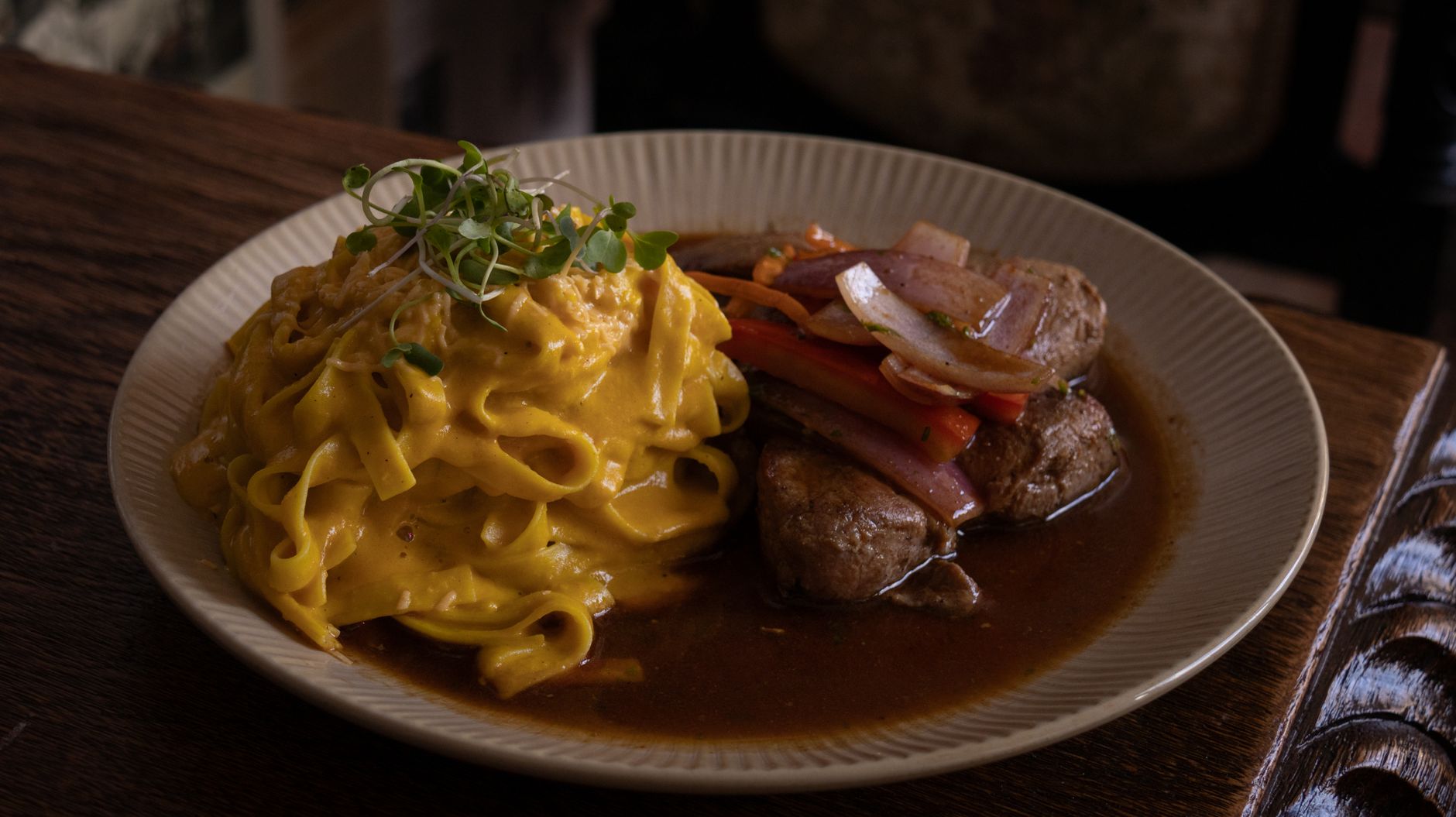
Although it originated on the coast as a blend of Peruvian and Chinese (Chifa) cuisines, Lomo Saltado is ubiquitous in Cusco. This stir-fry of marinated beef tenderloin, red onions, tomatoes, and soy sauce is served with both chips and rice. For a high-end version, Chicha por Gastón Acurio on Plaza Regocijo elevates this comfort food using premium local beef.
Ceviche in the Andes
Eating raw fish at 3,400 metres above sea level might seem counterintuitive, but modern transport means fresh catch arrives from the Pacific coast daily. Many Cusco restaurants also put a local spin on the dish by using fresh Andean trout instead of sea bass. Morena Peruvian Kitchen offers an excellent trout ceviche cured in traditional tiger’s milk (lime, chilli, and fish stock).
Aji de Gallina
When evening temperatures drop to 5°C (41°F), Aji de Gallina is the ultimate comfort food. This thick, creamy stew is made from shredded chicken cooked in a sauce of yellow chilli (ají amarillo), walnuts, cheese, and milk. It is mild, warming, and typically served over boiled potatoes with a side of white rice.
Soups and Street Food for Cold Nights
Sopa de Quinoa (Quinoa Soup)
Quinoa has been grown in the Andes for thousands of years. In Cusco, it is most commonly served in a light, brothy vegetable soup. Because heavy meals can exacerbate altitude issues, a bowl of quinoa soup is the perfect dinner during your first few days. For more tips on managing the elevation, read our guide on Altitude Sickness in Cusco.
Anticuchos (Beef Heart Skewers)
As dusk falls, you will smell smoke wafting through the cobblestone streets. Street vendors set up small grills to cook anticuchos, which are skewers of marinated beef heart. The meat is soaked in vinegar, garlic, and spices before being grilled over charcoal. They are tender, highly flavourful, and cost just a few dollars. Look for busy vendors near Plaza San Francisco.
Local Drinks: From Coca Tea to Pisco Sours
Mate de Coca (Coca Tea)
Upon arriving at your hotel, you will likely be offered a cup of hot water with raw coca leaves. Mate de coca is a mild stimulant, similar to a weak green tea, that helps dilate blood vessels and combat altitude sickness. It is perfectly legal and safe to drink in Peru, though you should avoid it right before bed as it can keep you awake.
Chicha Morada and Chicha de Jora
You will see two types of chicha in Cusco. Chicha morada is a sweet, non-alcoholic drink made by boiling purple corn with pineapple rinds, cinnamon, and cloves. It is refreshing and served at almost every lunch spot.
Chicha de jora is a fermented corn beer with a slightly sour, cider-like taste. In the countryside and residential neighbourhoods, locals signal that a fresh batch is ready by hanging a red plastic bag on a bamboo pole outside their home. You will spot these frequently if you follow our Sacred Valley Guide.
Pisco Sour
Peru’s national cocktail is made with Pisco (grape brandy), fresh lime juice, simple syrup, egg white, and a dash of Angostura bitters. The Museo del Pisco on Calle Santa Catalina Ancha is not actually a museum, but a dedicated cocktail bar where you can sample dozens of Pisco infusions and masterclasses.
Exploring Cusco’s Food Markets
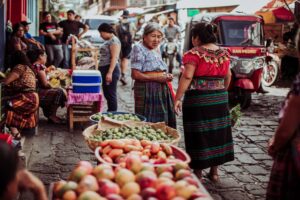
For budget-friendly meals and a look at local produce, you must visit the city’s markets. San Pedro Market Cusco is the largest and most famous, located just 1 km from the Plaza de Armas. The fresh juice aisles are legendary—vendors will blend any combination of tropical fruits you request and keep topping up your glass until the blender is empty.
Deeper inside San Pedro, the food stalls serve massive bowls of caldo de gallina (hen soup) and cheap set lunches. If San Pedro feels too chaotic, walk up the steep hills to the San Blas Market. It is much smaller, cleaner, and features excellent stalls selling fresh fruit, local cheeses, and excellent vegan options.
Vegetarian and Vegan Dining in Cusco
Despite the heavy focus on meat in traditional Andean cooking, Cusco is an incredibly vegan-friendly city. The local agricultural heritage relies heavily on thousands of varieties of potatoes, corn, quinoa, and legumes like tarwi (lupin beans), making plant-based eating very accessible.
Green Point, located on Calle Carmen Bajo in San Blas, is widely considered one of the best vegan restaurants in South America. They serve entirely plant-based versions of Peruvian classics, alongside excellent kombucha and vegan pastries. Chia Vegan Kitchen on Calle Carmen Alto is another superb option, known for a fantastic vegan Lomo Saltado made with marinated mushrooms.
Dining Logistics: Etiquette, Tipping, and Meal Times
In Cusco, lunch (almuerzo) is the main event. Most local restaurants offer a menú del día between 12:00 PM and 3:00 PM. This set menu includes a starter (usually soup or a small salad), a main course, and a drink, all for a fraction of the dinner price.
When it comes to tipping, 10% is customary in sit-down restaurants aimed at international visitors. It is best to leave the tip in cash (Peruvian Soles) on the table, as many local card machines do not have the functionality to add a gratuity to the bill.
Finally, tap water in Cusco is not safe to drink. Always order bottled water, asking for either agua sin gas (still) or agua con gas (sparkling). Even in luxury restaurants, do not drink from the tap.
| Dining Category | Average Cost (USD) | What to Expect |
|---|---|---|
| Local Market Lunch | $3 – $6 | Soup, main course (chicken/trout with rice), and a fruit drink. |
| Mid-Range Tourist Restaurant | $15 – $25 | A la carte Peruvian classics like Lomo Saltado or Alpaca skewers. |
| High-End Dining | $35 – $60+ | Refined Andean fusion, craft cocktails, and premium cuts of meat. |
Plan Your Trip
If you are deciding Where to Stay in Cusco: Best Areas and Hotels, picking a neighbourhood like San Blas puts you right in the centre of the city’s best independent dining. To burn off those heavy Andean meals, you will want to tackle some of the Best Things to Do in Cusco, from exploring the ruins of Sacsayhuamán to walking the steep cobblestone streets of the historic centre.
Mapping out your meals is much easier once you have your Cusco Itinerary: How to Spend 1, 2 or 3 Days locked in. Keep in mind that restaurant availability and seasonal ingredients change throughout the year, so consult our Best Time to Visit Cusco: Month-by-Month Guide before booking tables at high-demand spots like Chicha or Pachapapa.
Many travellers use the city as a base for further exploration. Whether you are looking into the Best Day Trips from Cusco or figuring out how to reach Machu Picchu from Cusco: Train or Trek, you will find excellent food at both ends of your journey. For broader travel advice across the country, refer to our complete Peru guide.