Building a practical Cusco itinerary requires balancing magnificent Inca stonework with the physical reality of arriving at 3,399 metres above sea level. Most travellers need at least three days here to adjust to the thin air, explore the historic centre, and visit the immediate surrounding ruins before heading to lower elevations. For a complete overview of the city’s history and logistics, start with our main Cusco guide.
This guide outlines exactly how to structure your days, manage the altitude, and navigate local transport. You will find a step-by-step breakdown of the best routes to take, ensuring you see the major sites without exhausting yourself on the steep Andean streets.
Cusco Itinerary at a Glance
If you are short on time, here is a quick summary of how to break down your days in the city.
| Day | Focus | Key Locations |
|---|---|---|
| Day 1 | Acclimatisation & The Centre | Plaza de Armas, Cathedral, San Pedro Market, Qorikancha, San Blas |
| Day 2 | The Four Inca Ruins | Tambomachay, Puka Pukara, Q’enqo, Sacsayhuamán |
| Day 3 | The Sacred Valley | Pisac ruins and market, Ollantaytambo fortress |
Day 1: The Historic Centre and Acclimatisation
Your first day in the Andes should be taken slowly. The air is noticeably thin, and steep climbs will leave you breathless. Stick to the relatively flat areas of the historic centre to help your body adjust.
Morning: Plaza de Armas and the Cathedral
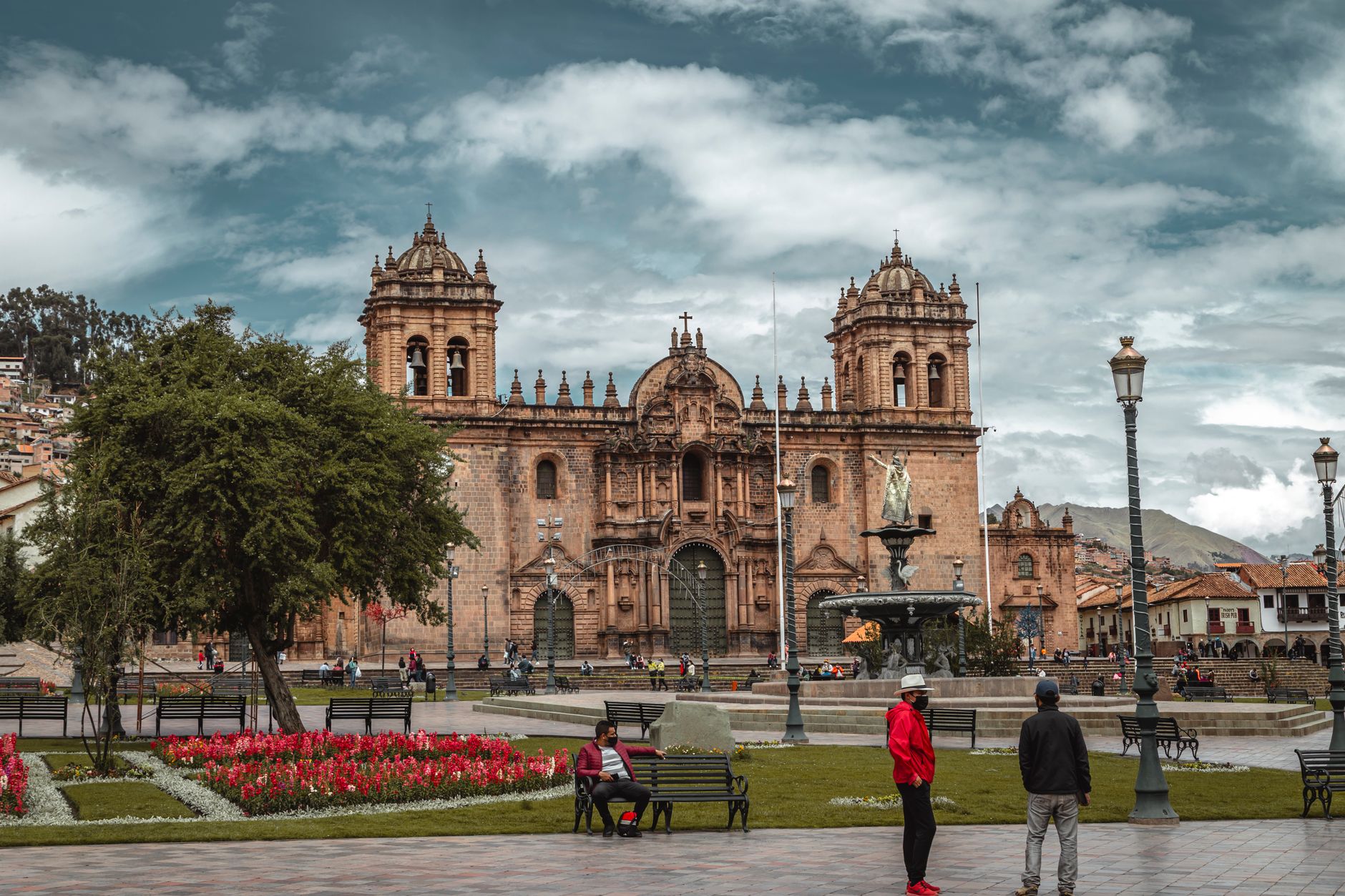
Start your morning in the Plaza de Armas, the main square that served as the exact centre of the Inca Empire. Today, it is lined with colonial arcades built directly on top of original Inca foundations. Take a slow walk around the perimeter to get your bearings.
Head into the Cusco Cathedral on the northeastern side of the square. Entrance costs 40 PEN (approx $11 USD). The interior is massive, housing heavily carved cedar altars and hundreds of colonial-era paintings. Look closely at Marcos Zapata’s painting of The Last Supper; you will notice the disciples are preparing to eat a roasted guinea pig (cuy) with a glass of chicha.
Lunch: San Pedro Market
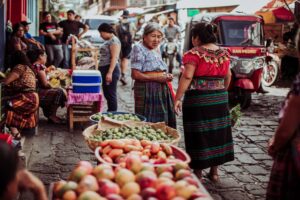
Walk about 10 minutes southwest from the main square down Calle Santa Clara to reach the city’s main food hub. Visiting San Pedro Market Cusco is an essential sensory experience. The aisles are packed with vendors selling massive wheels of Andean cheese, sacks of quinoa, and whole butchered animals.
Head to the juice aisle, where vendors will aggressively wave menus at you. Pick any stall and ask for a mix of mango, pineapple, and maca (an Andean root). For food, walk to the hot meal section at the back. A massive bowl of caldo de gallina (hen soup) costs around 10-15 PEN ($3-4 USD) and is a brilliant, easy-to-digest meal for your first day at altitude.
Afternoon: Qorikancha and the 12-Angled Stone
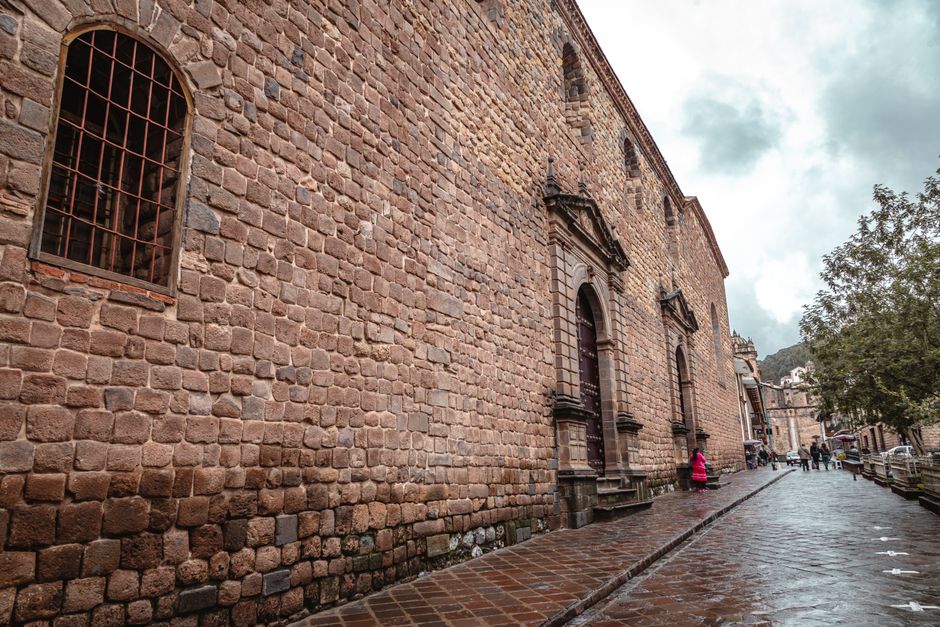
From the market, walk back toward the centre and head down Avenida El Sol to Qorikancha. This was the Temple of the Sun, the most important religious site in the Inca Empire. Entrance is 20 PEN ($5-6 USD). The site perfectly illustrates the Spanish conquest: the colonial Santo Domingo church was built directly on top of the flawless, curved Inca retaining walls, which survived multiple earthquakes that destroyed the Spanish architecture above.
After Qorikancha, walk up the pedestrian alley of Calle Hatunrumiyoc. Keep an eye on the stone wall on your right to spot the famous 12-Angled Stone. It is a masterpiece of polygonal masonry, cut so precisely that you cannot fit a piece of paper between the joints.
Evening: San Blas
Continue walking up the hill from Hatunrumiyoc to reach the San Blas neighbourhood. The walk up Cuesta San Blas is steep, so take your time. This area is known for its narrow cobbled streets, artisan workshops, and excellent cafes like L’Atelier Café Concept.
For dinner, keep it light. Digestion slows down significantly at high elevation, which is a major factor in altitude sickness in Cusco. Avoid heavy red meats and excessive alcohol on your first night. Instead, order a warm quinoa soup or a light trout dish, and drink plenty of coca or muña (Andean mint) tea. For specific restaurant recommendations, check our guide on what to eat in Cusco.
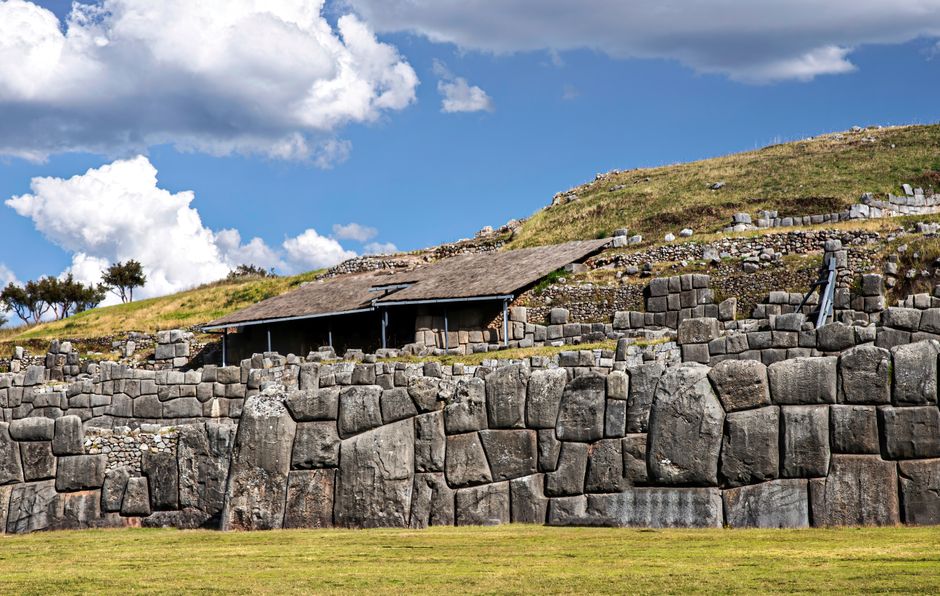
Day 2: Sacsayhuamán and the Upper Ruins
Once you have a day of acclimatisation behind you, it is time to tackle the four main archaeological sites located on the hills above the city. To enter these sites, you must purchase the Boleto Turístico (Tourist Ticket). You cannot buy this online; purchase the Circuit 1 partial ticket for 70 PEN ($19 USD) at the first ruin you visit.
Morning: Tambomachay and Puka Pukara
To avoid walking entirely uphill, take a taxi from the city centre to Tambomachay, the furthest ruin. The 8 km drive takes about 20 minutes and costs 25-30 PEN ($7-8 USD). Tambomachay sits at 3,700 metres and consists of a series of aqueducts, canals, and waterfalls that run through the terraced rocks.
From Tambomachay, it is an easy 10-minute walk downhill along the main road to Puka Pukara. This small site translates to “Red Fortress” due to the colour of the stones at dusk. It likely served as a military checkpoint and administrative centre for travellers entering the Inca capital.
Lunch: Q’enqo
After Puka Pukara, you can either walk downhill for 45 minutes or flag down any passing colectivo (shared van) for 2 PEN ($0.50 USD) to reach Q’enqo. There are no major restaurants right next to the ruins, so it is best to bring a packed lunch or buy snacks like roasted giant corn (choclo) from the street vendors near the entrance.
Q’enqo is entirely different from the other ruins. It is a large limestone rock formation riddled with natural caves and carved tunnels. Inside, you will find a smooth, subterranean altar that historians believe was used for sacrifices or mummification rituals.
Afternoon: Sacsayhuamán
From Q’enqo, walk 15 minutes across the open field to Sacsayhuamán. This massive complex is one of the best things to do in Cusco and requires at least two hours to explore. The site is famous for its three tiered zigzag walls, constructed from massive boulders weighing up to 200 tonnes.
Explore the central plaza, climb to the top of the ruins for a panoramic view of the city, and slide down the natural rock slides (Rodadero) on the opposite hill. When you are finished, take the steep pedestrian stairs down past the San Cristóbal church, which leads directly back to the Plaza de Armas.
Evening: Historic Centre Dining
Reward yourself after a day of walking with a proper Peruvian meal. Head to a restaurant near the main square to try lomo saltado (beef stir-fry) or aji de gallina (creamy chicken stew). If you are feeling adjusted to the altitude, stop by Museo del Pisco on Calle Santa Catalina to sample a classic pisco sour or a chilcano.
Day 3: The Sacred Valley
Use your third day to get out of the city. The Urubamba Valley, sitting at a lower altitude than Cusco, was the agricultural heartland of the empire. Taking a day trip here is essential for understanding Inca history. For a deep dive into the region, read our Sacred Valley guide.
Morning: Pisac Ruins and Market
Start early and head to Pisac, located 33 km away. You can catch a colectivo from Calle Puputi in Cusco; the ride costs around 6 PEN ($1.50 USD) and takes 45 minutes. Alternatively, you can book a guided tour that handles all transport, which is one of the best day trips from Cusco.
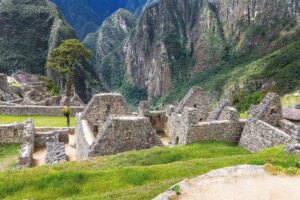
Begin at the Pisac ruins, located high on the mountain above the town. The agricultural terraces here sweep down the mountainside in massive curves. Walk through the ancient residential areas and up to the Intihuatana, a carved stone used for astronomical observations. Afterwards, take a taxi down to the town square to browse the famous Pisac artisan market for textiles and silver jewellery.
Afternoon: Ollantaytambo
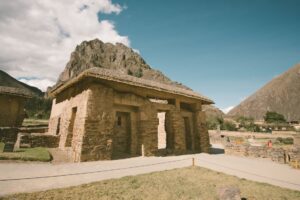
From Pisac, you will need to take a colectivo to Urubamba, and then transfer to another colectivo heading to Ollantaytambo. The total journey takes about 90 minutes. Ollantaytambo is a living Inca town, with locals still using the original stone buildings and water channels laid out centuries ago.
The main attraction is the fortress clinging to the steep cliffside. This was the site of a rare Inca victory over the Spanish conquistadors. Climb the 200 steep stone steps to the Temple of the Sun at the top, where massive pink granite monoliths stand unfinished.
Evening: Next Steps
If you are returning to Cusco, catch a colectivo from the main square in Ollantaytambo back to Calle Pavitos (takes nearly two hours, costs 12 PEN / $3 USD). However, Ollantaytambo is the main departure point for trains to Aguas Calientes. If you are travelling to Machu Picchu from Cusco, it is highly practical to stay the night in Ollantaytambo and catch the early train the following morning.
If You Only Have One Day
If you are extremely pressed for time, you can condense the highlights into a single day. Start your morning at Qorikancha to see the finest Inca stonework, then walk up to the Plaza de Armas to view the Cathedral. Grab a quick lunch at the San Pedro Market.
In the afternoon, hire a taxi to take you directly up to Sacsayhuamán. Spend two hours exploring the massive zigzag walls before walking back down into the city via the San Blas neighbourhood. This route gives you a taste of Inca engineering, colonial history, and modern local life in just 12 hours.
Where to Stay for this Cusco Itinerary
Choosing the right base makes executing this itinerary much easier. The Centro Historico is the most convenient option. Staying near the Plaza de Armas means you are on flat ground, close to the main restaurants, and within easy walking distance of Qorikancha and the market. However, it can be noisy due to traffic and late-night venues.
If you prefer a quieter atmosphere, the San Blas neighbourhood offers stunning views and excellent boutique hotels. The trade-off is the steep walk up the hill every time you return to your room, which can be exhausting at altitude. For a full breakdown of neighbourhoods and hotel recommendations across all budgets, check our guide on where to stay in Cusco as you piece together the rest of your Peru guide planning.
Plan Your Trip
The Boleto Turístico: You will need this ticket for Day 2 and Day 3. The full 10-day ticket costs 130 PEN ($35 USD) and covers 16 sites, including the four ruins above Cusco, plus Pisac and Ollantaytambo. If you are only doing the Cusco city ruins, you can buy the Circuit 1 partial ticket for 70 PEN ($19 USD). Bring cash and your passport to purchase it at the gate.
Weather and Packing: The climate varies significantly between the dry season (May to October) and the wet season (November to April). During the dry season, expect bright daytime highs around 20°C (68°F), but temperatures plummet to near 0°C (32°F) as soon as the sun goes down. Pack layers, including a warm jacket and a hat, regardless of when you visit. For a detailed breakdown of the weather, read our guide on the best time to visit Cusco.
Getting from the Airport: Alejandro Velasco Astete International Airport is located just 5 km from the historic centre. Official taxis wait right outside the terminal doors. The ride to the Plaza de Armas takes about 20 minutes and should cost between 20 and 30 PEN ($5-8 USD). Always agree on the price before getting into the vehicle.