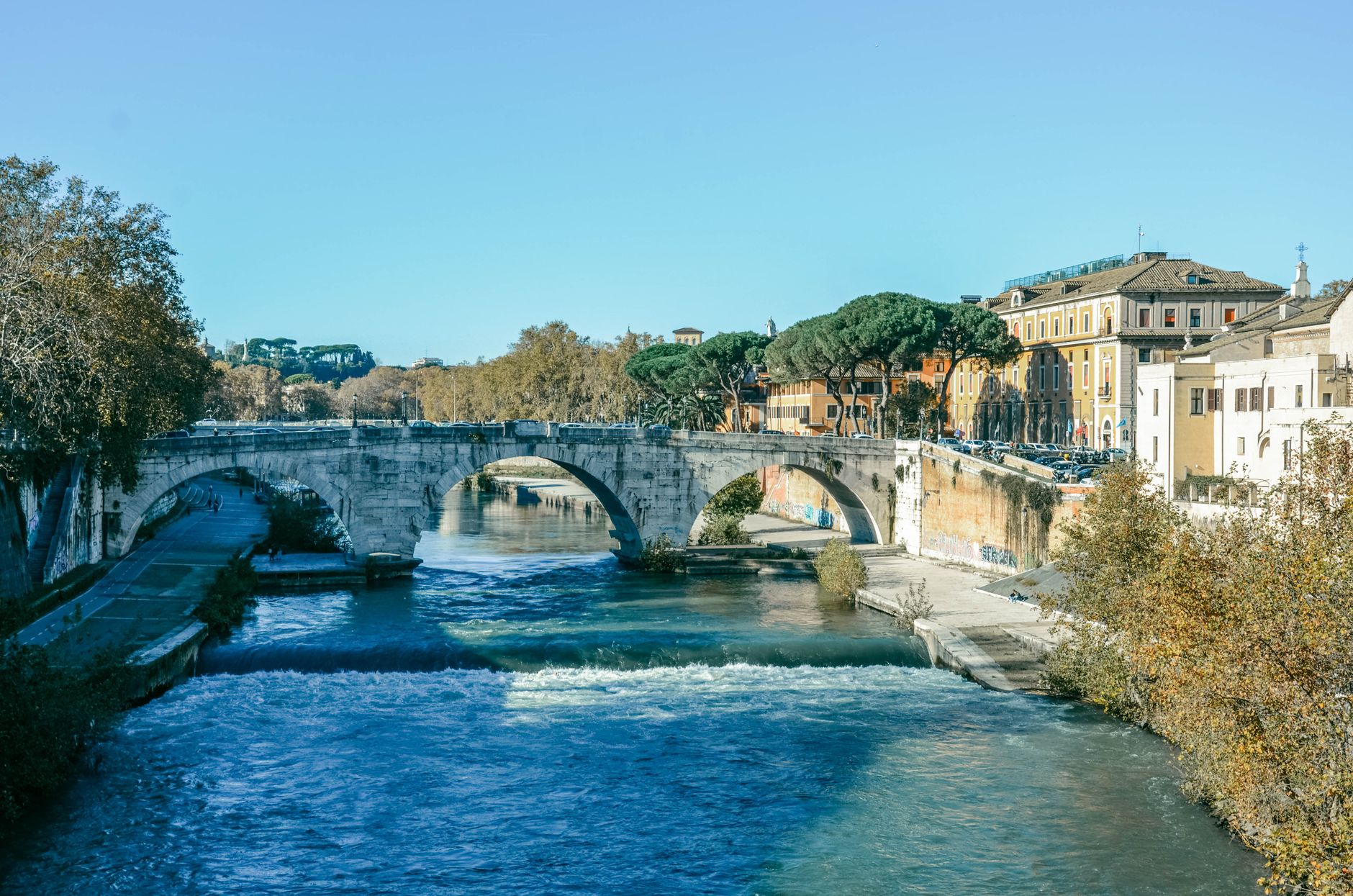
Trastevere is a vibrant neighbourhood on the west bank of the Tiber River, famous for its ivy-draped cobbled streets, medieval churches, and buzzing dining scene. Visiting Trastevere offers a lively contrast to the monumental ancient centre, giving you a chance to experience traditional Roman trattorias and busy evening piazzas. If you are planning your trip using our Rome guide and broader Italy guide, dedicating time to this area is essential.
What is Trastevere and Why Visit?
The name Trastevere comes from the Latin trans Tiberim, meaning “across the Tiber”. For centuries, this area was home to Rome’s working-class citizens, sailors, and immigrants, separated from the political and religious power centres of the city. Today, it has gentrified into Rome’s most popular district for dining and nightlife, yet it retains its distinctive, village-like character.
You visit Trastevere to wander without a strict agenda. The streets are paved with traditional sampietrini (Roman cobblestones) and lined with ochre and terracotta buildings. While the area gets incredibly busy after dark, it remains the most atmospheric place in the city to grab an aperitivo, eat traditional pasta, and watch the world go by.
How to Get to Trastevere
Trastevere is highly walkable from the historic centre. The most scenic approach is to walk south from Campo de’ Fiori and cross the pedestrianised Ponte Sisto. This 0.5 km walk drops you directly into Piazza Trilussa, the neighbourhood’s main gathering spot.
If you are travelling from further afield, public transport is straightforward. Tram 8 is the primary route, running from Piazza Venezia across the river and down Viale di Trastevere. From Termini train station, the most direct route is the H Bus, which takes about 20 minutes depending on traffic. Note that Rome’s metro system does not connect to Trastevere.
Best Time to Visit Trastevere
Your experience of Trastevere changes drastically depending on the time of day. Before 10:00 AM, the streets are virtually empty. This is the best time for photography, quiet walks, and seeing the local market stalls set up in Piazza di San Cosimato. By 7:00 PM, the area transforms as Romans and tourists arrive for dinner and drinks.
When considering the best time to visit Rome, remember that Trastevere’s narrow streets trap the summer heat. In July and August, daytime temperatures regularly exceed 32°C (90°F). During these months, it is best to visit in the late evening when the temperature drops and the outdoor dining terraces open up.
Top Things to Do in Trastevere
While the neighbourhood itself is the main attraction, it is home to several specific sites that rank among the best things to do in Rome.
Basilica di Santa Maria in Trastevere
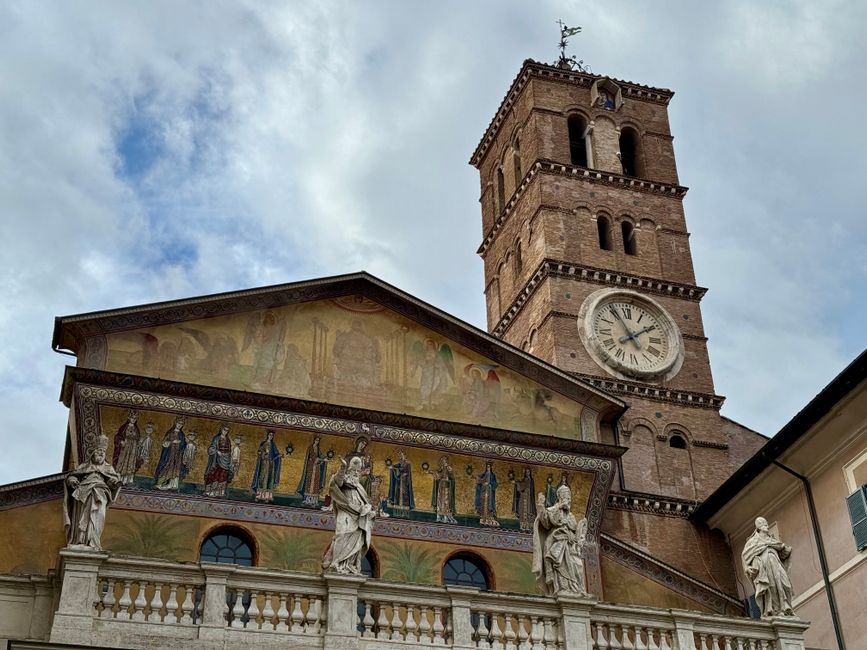
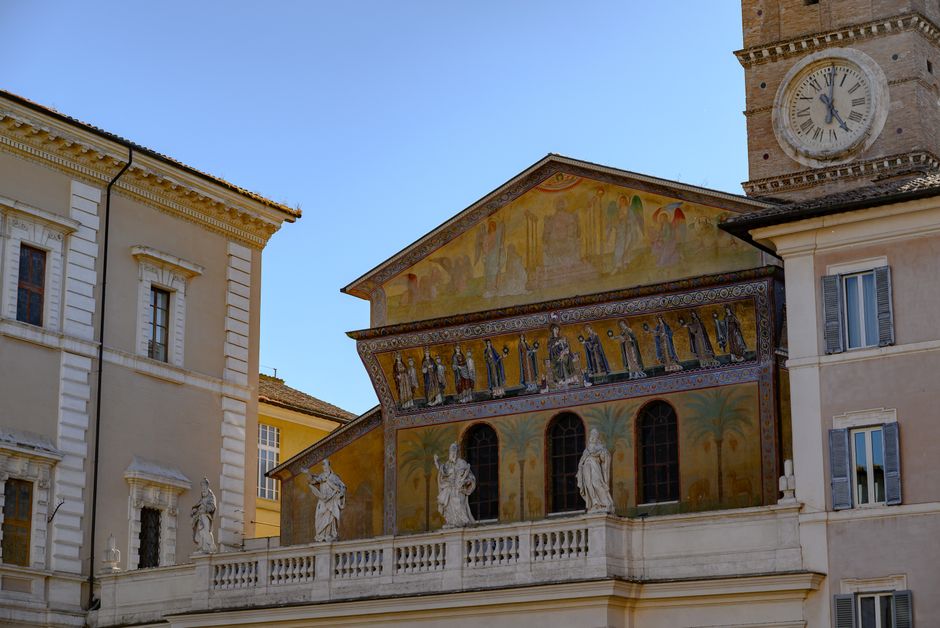
Located in the neighbourhood’s central piazza, this is one of the oldest churches in Rome. The current structure dates back to the 12th century. The highlight is the glittering apse mosaic by Pietro Cavallini, depicting the Life of the Virgin. Entry is free, but bring a few €1 coins to operate the light boxes that illuminate the golden mosaics. The church is typically open from 7:30 AM to 9:00 PM.
Villa Farnesina
If you want to see High Renaissance art without the crushing crowds of the Vatican Museums and Sistine Chapel, head to Villa Farnesina. This 16th-century suburban villa was built for a wealthy banker and features magnificent frescoes by Raphael, including the Loggia of Cupid and Psyche. Tickets cost between $13 and $18, and it takes about an hour to tour the rooms and gardens.
Janiculum Hill (Gianicolo)
Rising directly behind Trastevere is the Janiculum Hill. Though not one of the ancient Seven Hills of Rome, it offers the best panoramic views over the city’s domes and bell towers. Walk up Via Garibaldi to reach the Terrazza del Gianicolo. If you time your walk for midday, you can watch the traditional firing of the cannon, a daily ritual dating back to 1847.
Orto Botanico (Botanical Garden)
Nestled at the base of the Janiculum Hill, Rome’s botanical garden spans 12 hectares. It is a quiet, shaded retreat from the busy streets outside. The gardens feature a bamboo grove, a Japanese garden, and historic greenhouses. Entry is around $5 to $9, making it a low-cost escape during a busy sightseeing day.
Where and What to Eat
Trastevere is synonymous with Roman comfort food. For a full breakdown of regional dishes, read our guide on what to eat in Rome. In Trastevere, you should focus on classic pastas like carbonara, amatriciana, and cacio e pepe, as well as street food.
For a quick lunch, head to Supplì Roma on Via di San Francesco a Ripa. They serve traditional supplì (fried rice balls stuffed with mozzarella and tomato sauce) for just a few dollars. Another excellent casual option is Trapizzino in Piazza Trilussa, which serves triangular pizza pockets filled with traditional Roman stews like oxtail or chicken cacciatore.
For a sit-down dinner, Da Enzo al 29 is legendary for its rigatoni carbonara and fried artichokes. They do not take reservations for dinner, so expect to queue for up to an hour on the pavement. Alternatively, book a table well in advance at Roma Sparita in Piazza di Santa Cecilia, famous for serving its cacio e pepe in a crispy parmesan bowl. A standard two-course meal with house wine in Trastevere will cost between $25 and $45 per person.
Trastevere Nightlife and Bars
Trastevere is the epicentre of Rome’s casual nightlife. The evening begins in Piazza Trilussa, where crowds gather on the steps of the fountain to drink takeaway beers and listen to buskers. From there, the narrow streets branching off the piazza are packed with cocktail bars, enotecas (wine bars), and pubs.
For an authentic, no-frills experience, visit Bar San Calisto. This historic institution has not changed its decor in decades and serves large bottles of Peroni for around $3. The outdoor tables are a chaotic mix of local residents, students, and tourists. For craft cocktails in a more refined setting, Freni e Frizioni offers excellent drinks and a generous aperitivo buffet.
Mistakes to Avoid in Trastevere
Wearing the wrong shoes: The sampietrini cobblestones are uneven and unforgiving. Leave the heels in your suitcase and wear supportive, flat walking shoes. Twisted ankles are a common tourist injury here.
Eating at tourist traps: Avoid any restaurant on the main squares that has a staff member standing outside trying to usher you in, especially if they have large menus with photos of the food. The best trattorias in Trastevere are tucked down side streets and let their food speak for itself.
Ignoring the southern half: Viale di Trastevere, the main tram road, splits the neighbourhood in two. Most tourists stay in the northern half near Piazza Trilussa and Santa Maria. Cross the busy avenue to the southern side (towards Piazza di Santa Cecilia) to find quieter streets, fewer crowds, and highly rated local restaurants.
How to Fit Trastevere into Your Trip
When planning your Rome itinerary, Trastevere is best paired with sites on the western side of the city or the Jewish Ghetto. A popular route is to spend the morning exploring the Vatican, walk south along the river to Trastevere for a late lunch, and then cross the Tiber Island into the Jewish Ghetto.
Trastevere is also an excellent base if you are deciding where to stay in Rome. It offers more charm than the area around Termini station, though you will rely more on buses and trams. Staying here means you can easily walk to dinner each night without worrying about late-night transport.
| Trastevere Quick Facts | Details |
|---|---|
| Location | West bank of the Tiber River, south of the Vatican |
| Best Transport | Tram 8, Bus H, or walking via Ponte Sisto |
| Time Needed | 3 to 4 hours (plus time for dinner) |
| Average Meal Cost | $25 – $45 per person |
If you are spending several days in the city, use your mornings for major ticketed attractions. Secure your Colosseum tickets and tours early, read up on our Trevi Fountain tips to avoid the worst crowds, and consider taking one of the best day trips from Rome to places like Tivoli or Ostia Antica. Save Trastevere for your relaxed afternoons and evenings.
Plan Your Trip
- Book dinners ahead: The best trattorias in Trastevere book out days in advance. If a restaurant accepts reservations, make one.
- Carry some cash: While cards are widely accepted, having small Euro coins is useful for street food, tipping buskers, and illuminating church mosaics.
- Watch your belongings: Trastevere is very safe, but the crowded evening streets and busy Tram 8 are prime locations for pickpockets. Keep your valuables secure.