Planning a Rome itinerary requires balancing ancient ruins, Renaissance art, and long lunches in busy piazzas. If you have one, two, or three days in the Italian capital, grouping your sightseeing by neighbourhood is the only way to avoid spending half your trip on crowded buses. This guide covers exactly how to structure your time, which tickets to book in advance, and how to navigate the city efficiently.
Rome Itinerary at a Glance
| Day | Morning | Afternoon | Evening |
|---|---|---|---|
| Day 1 | Colosseum & Roman Forum | Pantheon, Navona & Trevi | Dinner in Monti |
| Day 2 | Vatican Museums & Sistine Chapel | St. Peter’s & Castel Sant’Angelo | Aperitivo in Trastevere |
| Day 3 | Borghese Gallery & Gardens | Spanish Steps & Capitoline Museums | Traditional food in Testaccio |
Day 1 of Your Rome Itinerary: Ancient Ruins and Piazzas
Morning: The Colosseum and Roman Forum
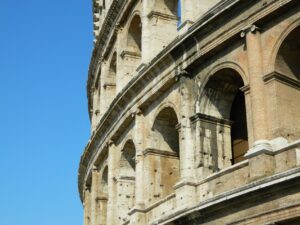
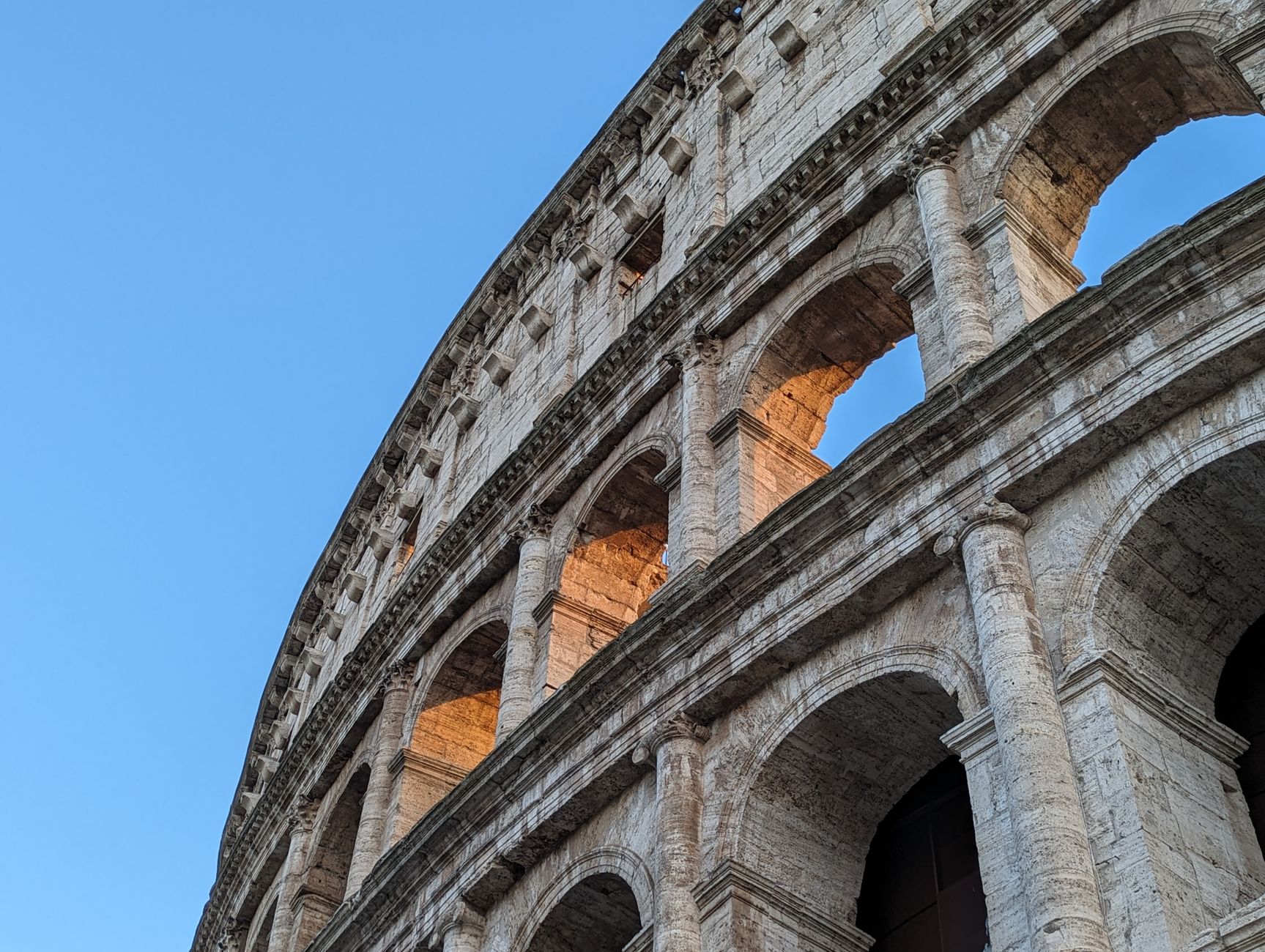
Start your morning the Roman way with a quick espresso and a cornetto (a sweet pastry) standing at a local bar for about $2.50. Then, head straight to the Colosseum, the largest amphitheatre ever built. Arrive by 8:30 AM to beat the worst of the midday heat and the heaviest crowds.
You cannot buy tickets at the gate; you must secure them online well before your trip. Depending on your ticket type, you will spend about 90 minutes walking the perimeter and looking down into the hypogeum, the underground network of tunnels. For a complete breakdown of the complex entry options, read our guide to Colosseum tickets and tours explained.
Directly next to the Colosseum is the Roman Forum and Palatine Hill. Your Colosseum ticket usually includes entry to this archaeological park. The Palatine Hill offers excellent vantage points over the ruins below and houses the remains of Emperor Domitian’s sprawling palace. Walk down into the Forum to see the Temple of Saturn and the Curia Julia, the ancient Roman senate house. The ground is uneven dirt and cobblestone, so wear flat, supportive shoes.
Afternoon: The Historic Centre
Leave the Forum via the exit near Piazza Venezia. From here, it is a 1.5 km walk into the Centro Storico, Rome’s historic core. Your first stop is the Pantheon. Built by Emperor Hadrian in 125 AD, this former Roman temple features the world’s largest unreinforced concrete dome. Entry costs €5 (about $5.50), and you must book a time slot online if visiting on a weekend. Inside, look up at the oculus, the 8-metre opening at the top of the dome.
From the Pantheon, walk five minutes west to Piazza Navona. This long, oval-shaped square follows the footprint of the ancient Stadium of Domitian. The centrepiece is Bernini’s Fountain of the Four Rivers. The restaurants lining the square charge premium prices for the view, so walk a few streets away to a local salumeria to grab a freshly made panino with prosciutto and mozzarella.
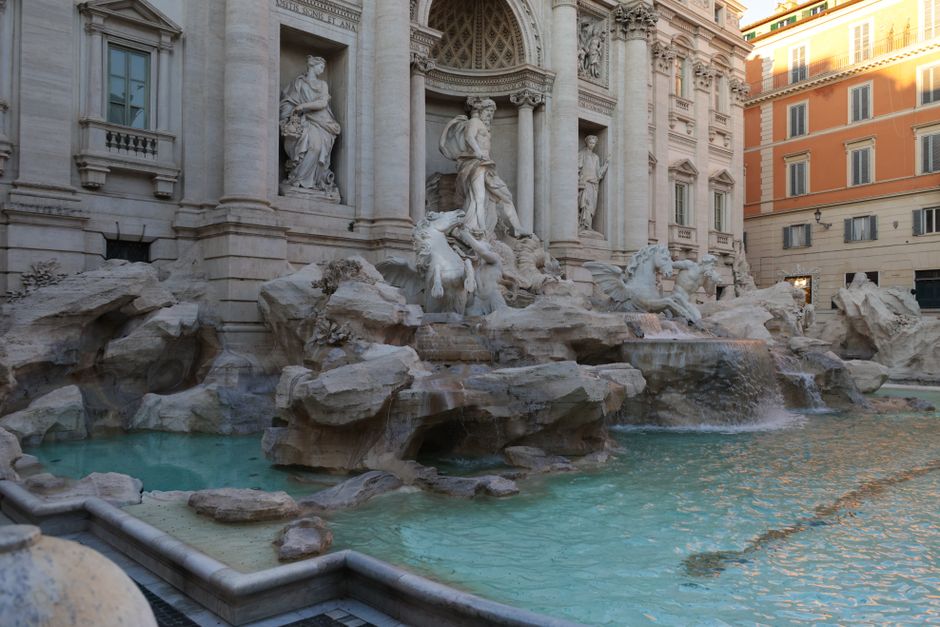
In the late afternoon, navigate the narrow streets east towards the Trevi Fountain. It will be crowded at any time of day, but the late afternoon light hitting the white travertine stone is excellent for photos. Toss a coin over your left shoulder with your right hand to ensure your return to Rome. For more advice on avoiding the worst crowds here, check our Trevi Fountain tips.
Evening: Dinner in Monti
End your first day with a traditional Roman dinner in the Monti neighbourhood, just north of the Colosseum. Look for a local trattoria serving classic pasta dishes like carbonara or amatriciana. Expect to pay $15 to $25 for a main pasta dish. If you want to know exactly which local specialties to order, read our guide on what to eat in Rome.
Day 2: The Vatican City and Trastevere
Morning: Vatican Museums and St. Peter’s Basilica
Dedicate your second day to the smallest country in the world. The Vatican City sits across the Tiber River from the historic centre. Take the Metro Line A to Ottaviano station, then walk 10 minutes south to the Vatican Museums entrance on Viale Vaticano.
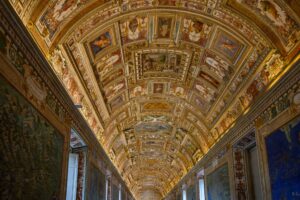
The Vatican Museums hold a massive collection of classical sculptures and Renaissance masterpieces. The one-way system pushes you through the Gallery of Maps and the Raphael Rooms before culminating in the Sistine Chapel. You must cover your shoulders and knees to enter. For strategies on navigating this massive complex, read our guide to the Vatican Museums and Sistine Chapel.
After the museums, walk 15 minutes around the Vatican walls to St. Peter’s Square. Entry to St. Peter’s Basilica is free, but the security line can take up to an hour. Inside, you will find Michelangelo’s Pietà and Bernini’s massive bronze baldachin over the papal altar. For $10 to $15, you can buy a ticket to climb the dome for panoramic views.
Afternoon: Castel Sant’Angelo and the Tiber
For lunch, do not eat in the immediate blocks surrounding St. Peter’s Square. Walk 10 minutes north into the Prati neighbourhood for excellent, fairly priced Roman food. Afterward, leave the Vatican via Via della Conciliazione, a wide avenue leading straight to Castel Sant’Angelo.
Originally commissioned by Emperor Hadrian as a mausoleum, this cylindrical fortress later served as a papal residence. You do not need to go inside unless you are highly interested in military history, but the bridge in front of it, Ponte Sant’Angelo, is lined with angel statues and offers great views of the river.
Evening: Aperitivo in Trastevere
Walk south along the Tiber River for about 2 km until you reach Trastevere. This neighbourhood is famous for its ivy-draped buildings and narrow, cobbled alleys. Start at the Basilica of Santa Maria in Trastevere to see the 12th-century golden mosaics.
Before dinner, join the locals for an aperitivo—a pre-dinner drink like an Aperol Spritz served with small snacks—at a bar around Piazza Trilussa. Trastevere comes alive in the evening, with locals and tourists filling the outdoor dining areas. Learn more about navigating this area in our Trastevere guide.
Day 3: Borghese Gallery, Spanish Steps and Testaccio
Morning: Art and Gardens
Start your third day at the Borghese Gallery. Located in the northeast of the city, this museum houses an incredible collection of Bernini sculptures, including Apollo and Daphne, as well as several major Caravaggio paintings. Tickets are strictly limited to two-hour time slots and sell out weeks in advance. You must arrive 30 minutes early to check your bags.
After your museum slot, spend an hour walking through the surrounding Villa Borghese gardens. Rent a rowboat on the small lake or walk to the Pincio Terrace. This viewpoint looks directly down over Piazza del Popolo and offers a clear line of sight across the city to the dome of St. Peter’s Basilica.
Afternoon: Spanish Steps and Capitoline Hill
Walk down from the Pincio Terrace and head south to the Spanish Steps. This monumental stairway connects Piazza di Spagna at the base with the Trinità dei Monti church at the top. Sitting on the steps is strictly prohibited and carries a hefty fine, so snap your photos and keep moving. The streets branching off the piazza, particularly Via dei Condotti, house Rome’s luxury designer boutiques.
Take the Metro Line A from Spagna down to Termini, switch to Line B, and exit at Colosseo. From here, walk up the Capitoline Hill to the Capitoline Museums. These museums are rarely as crowded as the Vatican but hold incredible pieces, including the original bronze equestrian statue of Marcus Aurelius. The underground Tabularium connects the two main museum buildings and provides the best elevated view of the Roman Forum.
Evening: Traditional Food in Testaccio
Spend your final evening in Testaccio, located south of the historic centre. This working-class neighbourhood is the historical heart of Roman cuisine. It was once home to Europe’s largest abattoir, which gave rise to the city’s tradition of offal-based dishes.
The Non-Catholic Cemetery is also located here, housing the graves of poets John Keats and Percy Bysshe Shelley. After a walk, grab a table at a local osteria for a plate of cacio e pepe or coda alla vaccinara (oxtail stew).
How to Spend 1 Day in Rome
If you only have one day in Rome, you must prioritise. Start at 8:30 AM at the Colosseum, spending two hours between the amphitheatre and the Roman Forum. Take a taxi or walk the 1.5 km to the Centro Storico.
Spend your afternoon walking between the Pantheon, Piazza Navona, and the Trevi Fountain. These three sights are within a 10-minute walk of each other. End your day with dinner near the Pantheon. You will not have time to visit the Vatican Museums or go inside St. Peter’s Basilica on a strict one-day schedule.
How to Get Around During Your Trip
Walking is the most efficient way to navigate the historic centre. The narrow, cobbled streets of the Centro Storico and Trastevere are largely inaccessible to buses and the Metro. Wear comfortable trainers, as the cobblestones (sanpietrini) will ruin delicate shoes.
For longer distances, Rome has a public transport network of buses, trams, and two main Metro lines (Line A and Line B). The Metro is useful for connecting the Termini train station to the Colosseum, the Spanish Steps, and the Vatican. A single ticket costs €1.50 (about $1.60) and is valid for 100 minutes. You can tap your contactless credit card directly at the turnstiles.
Where to Stay for This Rome Itinerary
Choosing the right base makes executing this itinerary much easier. The Centro Storico (Historic Centre) is the most convenient area. Staying near the Pantheon or Piazza Navona means you can walk to the Colosseum in 20 minutes and the Vatican in 30 minutes, bypassing public transport entirely. Hotels here range from $200 to $500 per night.
Monti is an excellent alternative. Located right next to the Colosseum, it feels like a local village with narrow streets and independent boutiques. It also offers easy access to the Metro Line B. If you prefer nightlife, Trastevere has the highest concentration of bars and casual restaurants, though it lacks a Metro connection. For a full breakdown of neighbourhoods and hotel recommendations, read our guide on where to stay in Rome.
Plan Your Rome Trip
Rome is a year-round destination, but the weather drastically impacts the experience. July and August routinely see temperatures above 30°C (86°F), making afternoon sightseeing exhausting. The shoulder seasons of April, May, September, and October offer pleasant weather around 20°C to 25°C (68°F to 77°F). For a detailed look at weather and crowd levels, see our Best Time to Visit Rome: Month-by-Month Guide.
If you have more than three days, consider exploring beyond the city limits. High-speed trains make it easy to reach other regions in under two hours. You can find our top recommendations in our guide to the best day trips from Rome.
Make sure you review our full list of the best things to do in Rome to swap out any stops on this itinerary that do not match your interests. For broader planning advice, practical tips, and transport guides, check out our complete Rome guide and our overarching Italy guide.