If you are wondering where to stay in Rome, the Centro Storico (Historic Centre) is the best choice for first-time visitors. Staying near the Pantheon or Piazza Navona puts you within a 20-minute walk of major sights. For a more local feel, look across the river to Trastevere or the trendy Monti neighbourhood near the Colosseum.
Choosing the right base makes a huge difference to your trip. Rome is a sprawling city, and while the public transport network is functional, the metro does not reach the very centre of the historic district. You will spend a lot of time walking, so location is everything.
This guide breaks down the best neighbourhoods, what to expect in each, and highly rated hotels for different budgets. For a broader overview of planning your trip, start with our comprehensive Rome guide.
Where to Stay in Rome: Neighbourhood Comparison
Before diving into the specifics of each area, here is a quick overview of how the main central neighbourhoods compare.
| Neighbourhood | Vibe | Best For | Transport Connections |
|---|---|---|---|
| Centro Storico | Classic, bustling, romantic | First-timers, walking everywhere | Poor (buses only) |
| Monti | Trendy, bohemian, historic | Local atmosphere, ancient history | Excellent (Metro Line B) |
| Trastevere | Lively, cobbled, traditional | Food, nightlife, evening walks | Moderate (Tram 8, buses) |
| Prati | Upscale, orderly, quiet | Vatican visits, shopping | Good (Metro Line A) |
| Termini | Busy, practical, gritty in parts | Budget travellers, day trips | Excellent (Metro A & B, trains) |
| Testaccio | Authentic, unpretentious | Returning visitors, foodies | Moderate (Metro Line B nearby) |
Centro Storico: Best Area for First-Timers
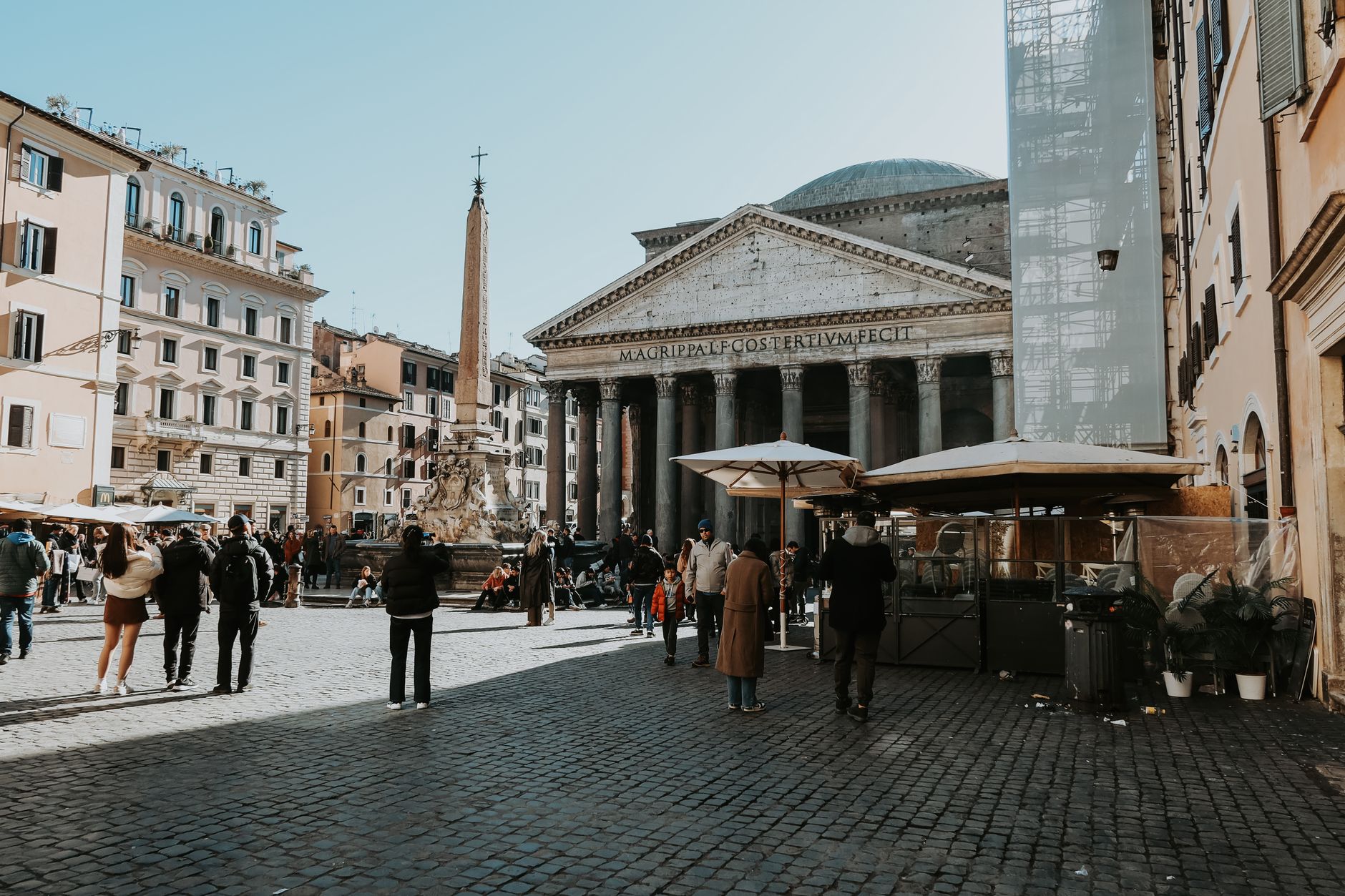
The Centro Storico is the heart of ancient and Renaissance Rome. It encompasses the cobbled streets around the Pantheon, Piazza Navona, and Campo de’ Fiori. If you want to step out of your hotel and immediately see centuries-old architecture, this is the place.
Staying here means you can walk to almost everything. You are less than 2 km from the Colosseum and about 1.5 km from the Vatican. You can easily beat the crowds by visiting popular spots early in the morning. Read our Trevi Fountain tips to see why a 7:00 AM visit is essential.
The main downside is the cost and the crowds. Hotels here charge a premium, and the narrow streets are packed with tour groups by midday. The area also lacks direct metro access, so you will rely on buses running along Corso Vittorio Emanuele II or your own two feet.
Best Hotels in Centro Storico
- Albergo del Senato (Luxury): Located directly on Piazza della Rotonda, offering rooftop views of the Pantheon dome. Rooms range from $350-$500 per night.
- Hotel Raphael (Luxury): Just steps from Piazza Navona, famous for its ivy-covered facade and multi-level rooftop terrace. Expect to pay $400-$600.
- Hotel Smeraldo (Mid-range): A reliable, well-maintained option near Campo de’ Fiori. It offers a great location without the luxury price tag, usually $180-$250.
Monti: Best Area for Local Vibe and History
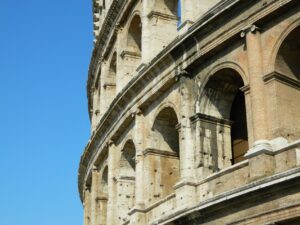
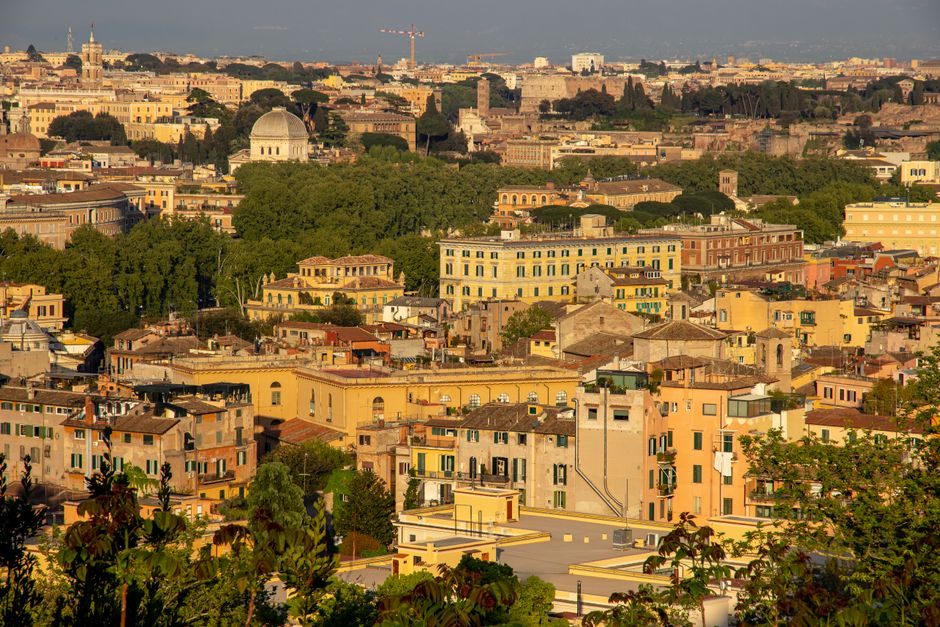
Monti is a brilliant alternative to the Centro Storico. Located just north of the Colosseum, it is one of Rome’s oldest residential neighbourhoods. Today, it balances its ancient roots with a trendy, bohemian atmosphere.
Via del Boschetto and Via Urbana are lined with independent boutiques, vintage shops, and excellent wine bars. It is quieter than the historic centre but still incredibly central. You also have the Cavour metro station (Line B), making it easy to reach Termini station or head south.
If your Rome itinerary focuses heavily on ancient history, Monti is ideal. You can walk to the Roman Forum in 10 minutes. Before you go, make sure you understand the booking system with our guide to Colosseum tickets and tours explained.
Best Hotels in Monti
- The Fifteen Keys Hotel (Luxury): A boutique hotel on a quiet street with a beautiful courtyard and excellent breakfast. Rooms from $350-$450.
- Hotel Monti Palace (Mid-range): Offers modern rooms and a rooftop bar with views over the city. Conveniently located near the Cavour metro. Prices hover around $200-$300.
- Salotto Monti (Mid-range): A stylish boutique guesthouse with a small terrace, offering great value at $150-$220 per night.
Trastevere: Best for Food and Nightlife
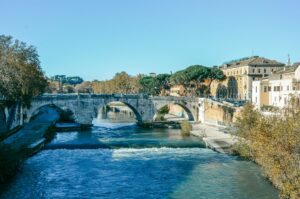
Across the Tiber River lies Trastevere, a neighbourhood famous for its narrow cobbled alleys, ivy-draped buildings, and vibrant evening atmosphere. It feels like a small village within the city.
Trastevere is the undisputed centre of Roman nightlife and traditional dining. The streets around Piazza di Santa Maria in Trastevere fill up with locals and visitors enjoying aperitivo as the sun goes down. If you want to dive into the local culinary scene, read our guide on what to eat in Rome and try the trattorias here.
The area is not connected to the metro network. You will need to use Tram 8 to reach Piazza Venezia or walk across the river (about 2 km to the Pantheon). It can also be noisy at night, so request a courtyard-facing room. For a deeper dive into this area, check out our dedicated Trastevere guide.
Best Hotels in Trastevere
- Donna Camilla Savelli (Luxury): A former 17th-century convent designed by Borromini, offering quiet gardens and elegant rooms. Prices range from $300-$450.
- Hotel Santa Maria (Mid-range): Set in a converted 16th-century cloister, offering single-story rooms around a peaceful courtyard filled with orange trees. Expect to pay $200-$280.
- Relais Le Clarisse (Budget/Mid-range): A charming guesthouse with a courtyard garden, offering rooms from $140-$200.
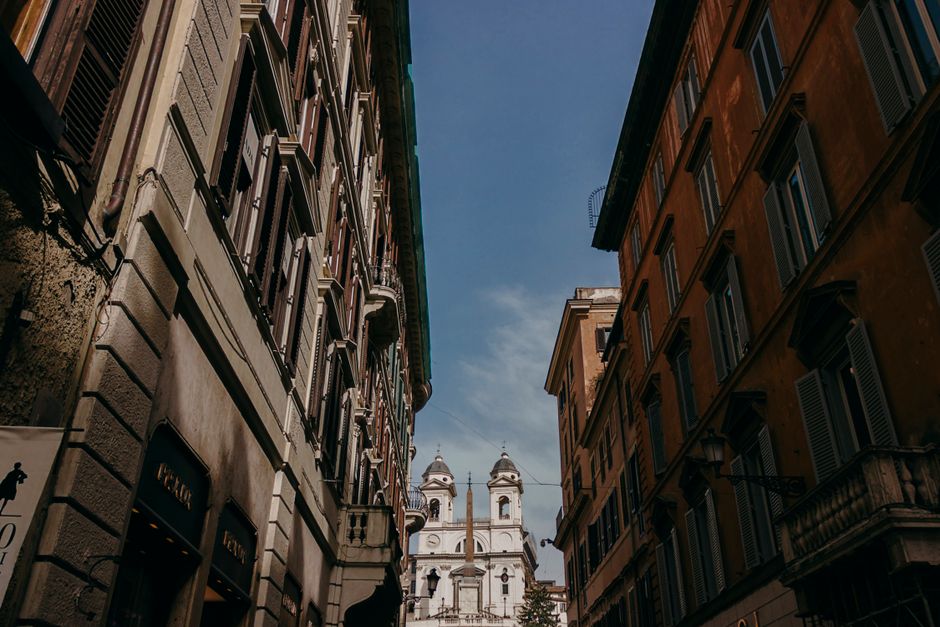
Prati: Best for the Vatican and Upscale Shopping
Prati sits on the west bank of the Tiber, directly north of the Vatican. Unlike the medieval alleys of the historic centre, Prati features wide, grid-like boulevards, elegant 19th-century architecture, and a more orderly feel.
This is an excellent base if you plan to spend significant time at St Peter’s Basilica or exploring the Vatican Museums and Sistine Chapel. It is also home to Via Cola di Rienzo, one of Rome’s best shopping streets for Italian brands.
Prati is generally quieter and cleaner than the city centre. It is well-served by Metro Line A (Ottaviano and Lepanto stations), making it easy to reach the Spanish Steps or Termini. However, it feels slightly removed from the ancient Roman ruins. For a full list of attractions across the river, see our guide to the best things to do in Rome.
Best Hotels in Prati
- NH Collection Roma Giustiniano (Luxury/Mid-range): A modern, reliable hotel just a 10-minute walk from the Vatican. Some rooms offer views of St Peter’s dome. Prices from $250-$350.
- Hotel della Conciliazione (Mid-range): Located on the pedestrian street leading directly to St Peter’s Square. Recently renovated rooms cost around $180-$260.
- Boutique Hotel dei Papi (Budget/Mid-range): A comfortable, no-fuss option close to the metro and the Vatican walls, usually $130-$180.
Termini and Esquilino: Best for Budget and Transport
The area surrounding Roma Termini, the city’s main train station, is the most practical choice for logistics. If you have early trains to catch or plan to take several best day trips from Rome, staying near Termini saves you dragging luggage across cobblestones.
This neighbourhood offers the highest concentration of budget accommodation. You also have access to both Metro Line A and Line B, the main bus terminal, and direct trains to Fiumicino Airport.
The trade-off is the atmosphere. The streets immediately surrounding the station lack the charm of Monti or Trastevere. While generally safe during the day, the southern side of the station (towards Piazza Vittorio Emanuele II in Esquilino) can feel gritty and intimidating late at night. Stick to the northern side near Piazza della Repubblica or Via Nazionale for a better experience.
Best Hotels near Termini
- Hotel Artemide (Luxury): Located on Via Nazionale, a 10-minute walk from the station. Known for exceptional service and a great rooftop bar. Rooms from $300-$450.
- iQ Hotel Roma (Mid-range): A modern, highly functional hotel near the Opera House with self-service laundry and vending machines. Prices around $180-$250.
- The Beehive (Budget): A famous eco-conscious hostel and guesthouse offering private rooms and dorms. It has a peaceful garden and a relaxed vibe. Private rooms from $100-$150.
Testaccio: Best for Returning Visitors and Foodies
If you have visited Rome before and want to escape the tourist crowds, look south to Testaccio. This working-class neighbourhood is the historic heart of Roman cuisine.
Testaccio is authentic and unpretentious. The Mercato di Testaccio is a brilliant spot for street food, while the local trattorias serve the city’s best carbonara and cacio e pepe. The neighbourhood is built around a literal hill of discarded ancient Roman pottery (Monte Testaccio) and is home to the beautiful Non-Catholic Cemetery.
You will need to use the Piramide metro station (Line B) or local buses to reach the main sights. It is a 2.5 km walk to the historic centre, making it better suited for travellers who do not mind navigating public transport.
Best Hotels in Testaccio
- Hotel Re Testa (Mid-range): Clean, modern, and spacious rooms with balconies, located right in the heart of the neighbourhood. Prices from $150-$220.
- Althea Inn Roof Terrace (Budget/Mid-range): A small, welcoming guesthouse with a lovely terrace for breakfast, usually $120-$180.
Areas to Avoid Staying In
Rome is generally a safe city, but certain areas are less ideal for a holiday base.
Avoid the deep Esquilino neighbourhood (specifically south and east of Piazza Vittorio Emanuele II) late at night. While it is a vibrant multicultural area by day, it can feel sketchy after dark, and petty crime around the train station borders is common.
You should also avoid booking accommodation outside the Grande Raccordo Anulare (GRA), Rome’s ring road. While villas or modern hotels there might look cheap, the public transport connections are poor. You will waste hours commuting into the centre.
Finally, while Parioli and Flaminio in the north are beautiful, wealthy residential districts, they are disconnected from the metro network. Unless you are visiting for a specific event at the Stadio Olimpico, these areas are inconvenient for general sightseeing.
Plan Your Trip
When deciding where to stay in Rome, always check the exact location on a map relative to a metro station or a major bus route. Walking 1.5 km might sound easy, but doing it on uneven cobblestones in the summer heat takes a toll.
Speaking of heat, ensure your hotel guarantees air conditioning if you are visiting between June and September, when temperatures regularly exceed 32°C (90°F). For a detailed breakdown of weather and crowd levels, read our guide on the best time to visit Rome.
Remember that Rome charges a city tax (contributo di soggiorno). As of 2026, this ranges from €4 to €10 per person, per night, depending on the star rating of your accommodation. This is almost always paid directly to the hotel at checkout, separate from your booking fee.
For more tips on navigating the country, explore our complete Italy guide.