To make the most of your visit, the best Trevi Fountain tips revolve around timing and the city’s updated entry rules. You now need a €2 (about $2 to $3) ticket to access the lower basin between 9:00 AM and 10:00 PM, but visiting before 9:00 AM lets you walk right down to the water for free. Arrive at sunrise to beat the heavy crowds and have the Baroque masterpiece mostly to yourself.
What is the Trevi Fountain?
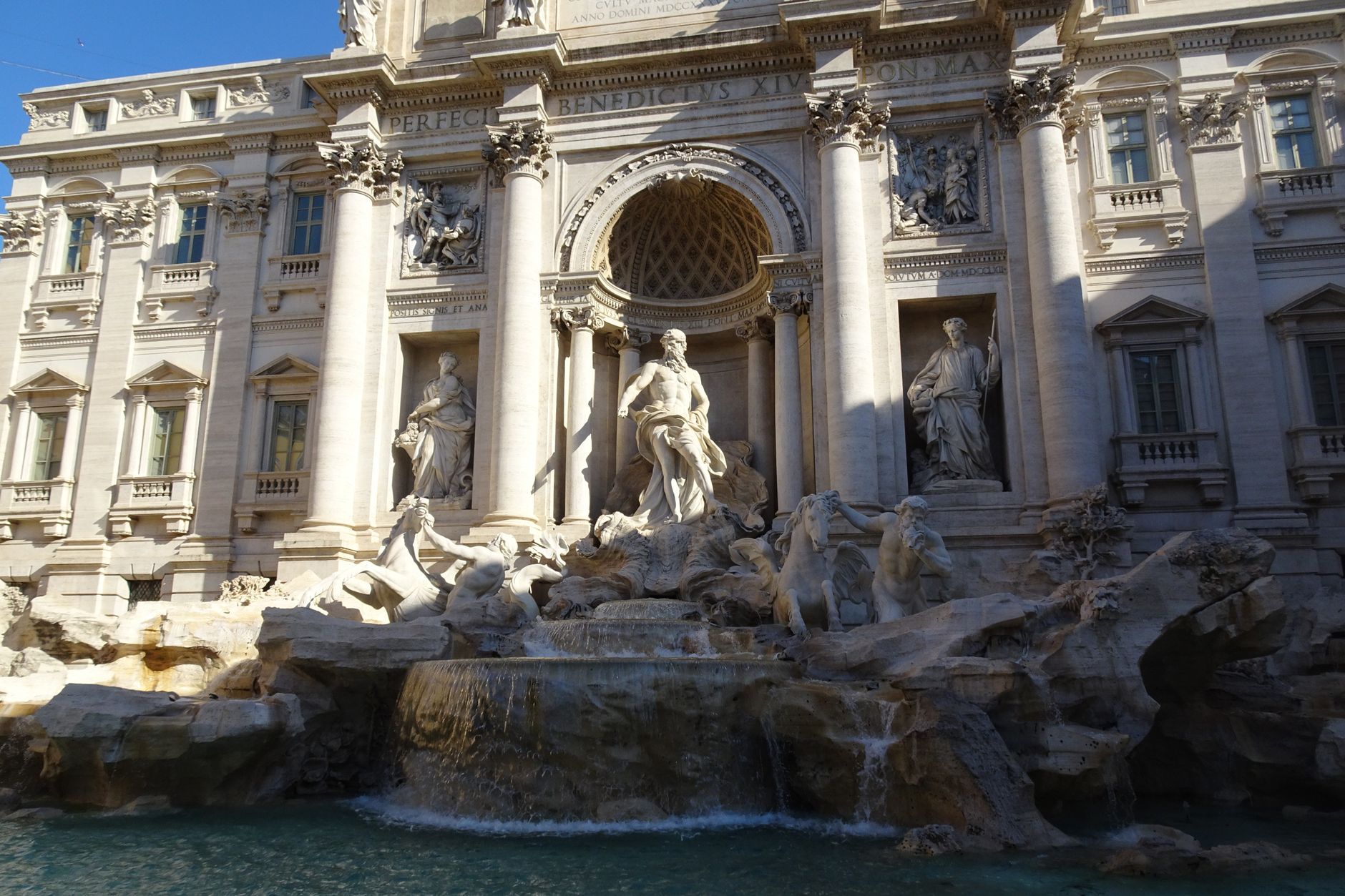
Taking up almost the entire Piazza di Trevi, this 18th-century masterpiece is the largest Baroque fountain in the city and one of the most famous water features in the world. Designed by Italian architect Nicola Salvi and completed by Giuseppe Pannini in 1762, it stands an impressive 26 metres high and 49 metres wide. The fountain is built directly against the back of the Palazzo Poli, using the building’s facade as a theatrical backdrop.
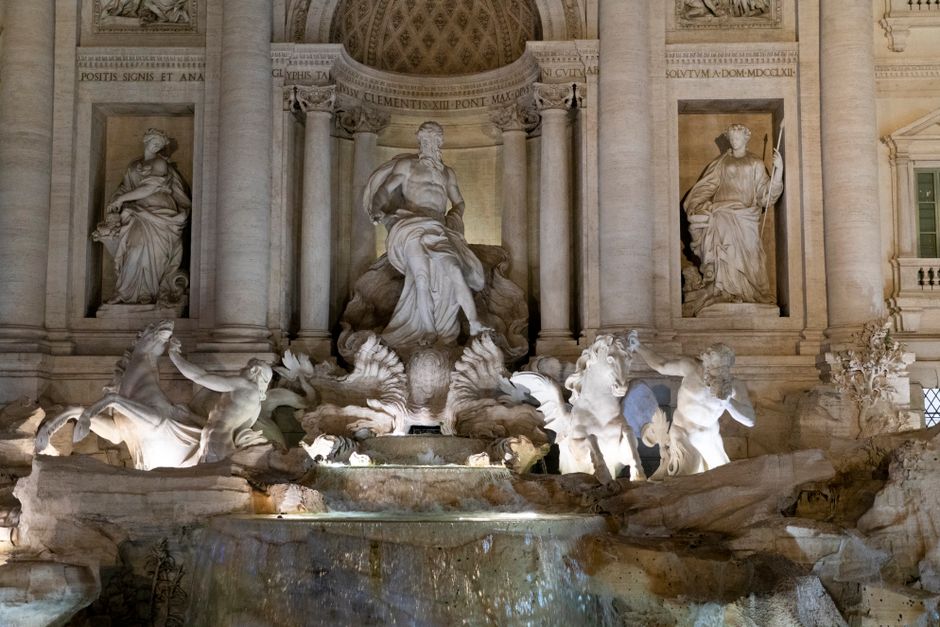
The monument marks the terminal point of the Acqua Virgo, an ancient Roman aqueduct constructed by Agrippa in 19 BC. Remarkably, this same aqueduct still supplies the water today. The central statue depicts Oceanus, the divine personification of the sea, riding a shell-shaped chariot pulled by two sea horses. One horse is calm and the other is wild, representing the fluctuating moods of the ocean. They are guided by Tritons, while the statues in the side niches represent Abundance and Health.
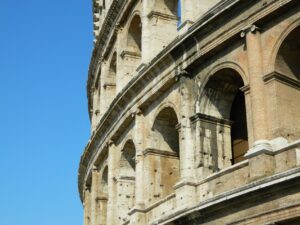
The entire structure is carved from travertine stone, the same durable material used to build the Colosseum. The stone was sourced from quarries in Tivoli, about 30 km east of the city, and hauled in by horse and cart.
How to Get There
The fountain is located right in the dense Centro Storico (historic centre). Because the immediate streets are a restricted traffic zone (ZTL) and heavily pedestrianised, you will need to walk the final stretch. The closest metro station is Barberini on Line A. From there, it is a straightforward 600-metre walk: head down Via del Tritone, turn left onto Via della Stamperia, and you will hear the rushing water before you see the square.
If you prefer to take the bus, numerous lines including the 51, 62, 71, and 83 stop along Via del Tritone. However, walking between the major central sights is often faster than relying on surface transport. You can easily walk here from the Spanish Steps in under 10 minutes by heading south down Via di Propaganda. From the Pantheon, it is an equally short walk east along Via del Seminario and Via delle Muratte.
Tickets, Costs and Opening Hours
In a major shift to combat overtourism, Rome implemented a new ticketing system in February 2026. The city now charges a small fee to access the lower basin—the stone steps leading directly down to the water where visitors traditionally toss their coins.
Viewing the monument from the upper piazza remains completely free 24 hours a day. You can still walk through the square, take photos, and admire the statues from street level without a ticket. However, to pass the barriers and walk down the steps, tourists must pay a €2 fee (roughly $2 to $3). Residents of Rome and children under five are exempt.
| Viewing Area | Cost | Operating Hours |
|---|---|---|
| Upper Piazza | Free | 24/7 |
| Lower Basin | €2 | 9:00 AM – 10:00 PM |
| Lower Basin | Free | 10:00 PM – 9:00 AM |
Tickets for the lower basin are open-ended rather than timed, meaning you do not need to book a specific entry slot. You can purchase them online via the official municipal website or in person at designated kiosks located around the piazza. To manage safety, the lower basin is capped at a strict 400-person capacity, so you may have to wait briefly at the barrier during peak afternoon hours.
You only need about 15 to 30 minutes for your visit. There is no seating, and the square is designed for a quick viewing rather than lingering.
Best Time to Visit
Summer daytime temperatures regularly exceed 30°C (86°F), making the crowded, unshaded piazza physically uncomfortable by midday. The absolute best time to go is before 8:00 AM. Not only do you bypass the €2 daytime fee for the lower basin, but the morning lighting is soft and even, and the crowds are minimal.
The fountain faces west. If you visit in the late afternoon, the sun directly illuminates the white travertine, which can look spectacular but often creates harsh shadows in photographs. Late night (after 11:00 PM) is another excellent option. The monument is beautifully floodlit, and the atmosphere is lively, though it will be significantly busier than the early morning.
Essential Trevi Fountain Tips
1. Master the coin toss
Throwing a coin into the water is a mandatory ritual for first-time visitors. The correct method is to stand with your back to the water, hold the coin in your right hand, and toss it over your left shoulder. According to local lore, one coin ensures your return to the city. Two coins mean you will return and fall in love, while three coins guarantee you will marry that person.
The municipality drains the basin frequently to collect the money. It generates over a million euros annually, all of which is donated to Caritas, a local Catholic charity that runs food banks and shelters.
2. Go underground to the Water City
Most visitors take a photo and leave, completely missing the archaeological site right beneath their feet. The Vicus Caprarius (often called the Water City) is an excavated imperial-era apartment complex located just metres from the square on Vicolo del Puttarello. Down here, you can see the massive castellum aquae—the ancient water distribution tank for the Acqua Virgo aqueduct that still feeds the fountain above. Entry costs around €4 (about $4 to $5), and it offers a quiet, fascinating contrast to the chaos of the piazza.
3. Watch your belongings
Piazza di Trevi is notoriously busy, making it a prime location for opportunistic pickpockets. Keep your bag zipped, wear your backpack on your front if you are carrying valuables, and do not leave your phone resting unattended on the stone ledges while setting up a photo.
4. Respect the strict monument rules
The local police (Polizia Roma Capitale) heavily patrol the square and enforce strict decorum rules to protect the 18th-century stone. You will be fined immediately if you attempt to sit on the marble edges of the fountain. Eating is also strictly prohibited on the steps and ledges. Save your pizza or gelato for the surrounding streets.
Mistakes to Avoid
- Buying gelato right on the square: The gelaterias facing the monument are heavily overpriced and often rely on artificial colours. Walk a few streets away to a traditional spot like Gelateria San Crispino on Via della Panetteria, where the gelato is kept in covered metal tubs.
- Engaging with illegal street vendors: You will likely be approached by people selling roses, polaroid photos, or cheap plastic toys. A polite but firm “no, grazie” is all that is needed. Do not accept a rose that is pushed into your hand, as they will immediately demand payment.
- Blocking the pedestrian flow: The surrounding streets are narrow. When taking photos from the upper piazza, be mindful of the walking paths. Step to the side rather than stopping abruptly in the middle of Via delle Muratte.
Plan Your Trip
The fountain sits right in the middle of the historic centre, making it incredibly easy to group with other major sights. It is a core stop on any Rome Itinerary: How to Spend 1, 2 or 3 Days. If you are planning your wider trip, read the main Rome guide and the broader Italy guide for practical logistics. To understand the seasonal weather and crowd levels, check the Best Time to Visit Rome: Month-by-Month Guide.
Start your morning here, then walk 10 minutes west to the Pantheon. From there, you can explore the Best Things to Do in Rome, including Piazza Navona and Campo de’ Fiori. After a morning of walking, you will want a good meal. Read up on What to Eat in Rome: Local Food Guide to find authentic carbonara or cacio e pepe nearby.
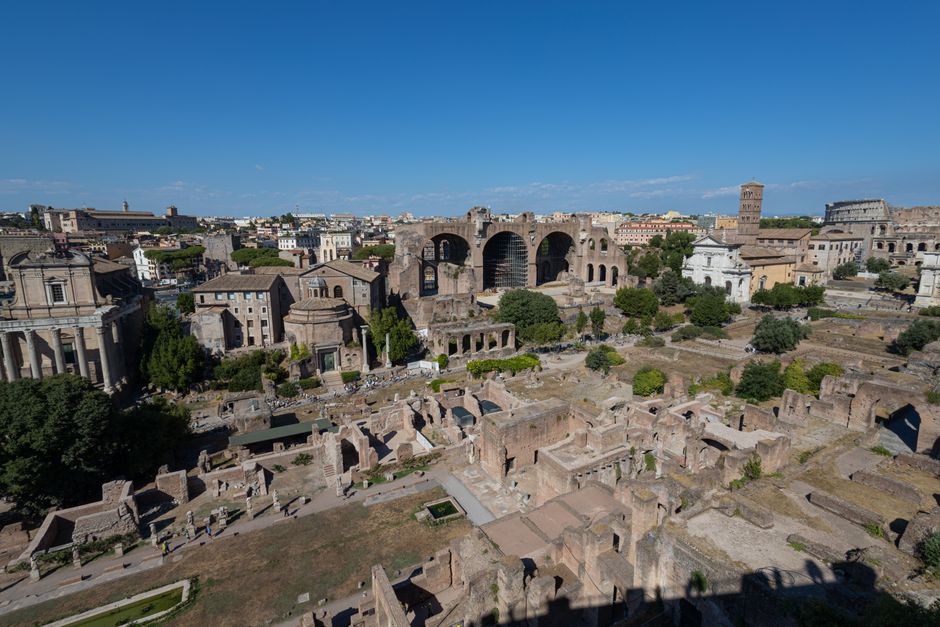
In the afternoon, you might head south to the ancient ruins. Make sure you understand how the entry systems work by reading Colosseum Tickets and Tours Explained. Alternatively, cross the river to see the Vatican Museums and Sistine Chapel.
For dinner, escape the immediate tourist zone and head across the Tiber. The Trastevere Guide covers the best spots for evening drinks and traditional food in a lively neighbourhood. If you want to base yourself within walking distance of the historic centre, review Where to Stay in Rome: Best Areas and Hotels. Finally, if you have spare time in your schedule, consider looking at the Best Day Trips from Rome to explore Pompeii or the villas of Tivoli.