Figuring out your Italy trip cost depends heavily on your travel style, the regions you visit, and the time of year. On average, a mid-range traveller should budget between $180 and $300 per day. This covers a comfortable hotel, meals at local trattorias, train travel between cities, and entry to major historical sites.
Estimating Your Italy Trip Cost: Daily Budgets
To help you plan, here is a breakdown of average daily costs per person. These figures assume you are sharing the cost of a double room with another person. If you are travelling solo, your accommodation costs will be higher.
| Expense Category | Budget | Mid-Range | Luxury |
|---|---|---|---|
| Accommodation (per person, shared) | $40 – $70 | $90 – $150 | $250+ |
| Food & Drink | $30 – $50 | $60 – $100 | $150+ |
| Transport (Local & Intercity) | $10 – $20 | $20 – $40 | $60+ |
| Activities & Tours | $10 – $20 | $30 – $60 | $100+ |
| Total Daily Budget | $90 – $160 | $200 – $350 | $560+ |
Breakdown of Italy Trip Costs
Flights and Entry Requirements
Your flight will likely be your largest single expense. Return flights from the US East Coast to Rome or Milan typically cost between $600 and $1,200. Flights from the US West Coast or Australia often range from $900 to $1,800. If you are flying from the UK, budget airlines like Ryanair and EasyJet offer return flights for $50 to $150.
Starting in 2026, visitors from visa-exempt countries (including the US, UK, Canada, and Australia) must apply for ETIAS before entering the Schengen Area. The application costs €7 (roughly $8) and is valid for three years. For full details on entry rules, read our guide on Italy visa and entry requirements.
Accommodation
Hotel prices vary drastically by location and season. A room in central Rome in June will cost significantly more than a room in Bologna in November. When you look at our main Italy guide, you will see that accommodation eats up the largest part of any budget.
- Hostels: $35 to $60 per night for a dorm bed. Private rooms in hostels usually start around $90.
- Budget Hotels and B&Bs: $80 to $150 per night. These are simple, clean rooms, often family-run (called a pensione).
- Mid-Range Hotels: $150 to $300 per night. You can expect modern amenities, central locations, and breakfast included.
- Agriturismos: $100 to $250 per night. These are working farms that offer accommodation, common in Tuscany and Umbria. You will often need a rental car to reach them.
Keep in mind that most Italian municipalities charge a city tax (tassa di soggiorno). This ranges from $3 to $8 per person, per night, and is usually paid directly to the hotel at checkout. If you are comparing costs for travel across Europe, Italy sits firmly in the middle—cheaper than Switzerland or Scandinavia, but pricier than Spain or Portugal.
Food and Drink
Eating well in Italy does not have to be expensive. If you avoid restaurants sitting directly on main tourist squares (like Piazza Navona in Rome or St. Mark’s Square in Venice), you will find excellent food at reasonable prices.
Breakfast is typically a quick affair. An espresso and a cornetto (pastry) at a local bar will cost $3 to $5 if you stand at the counter. If you sit at a table, the price often doubles.
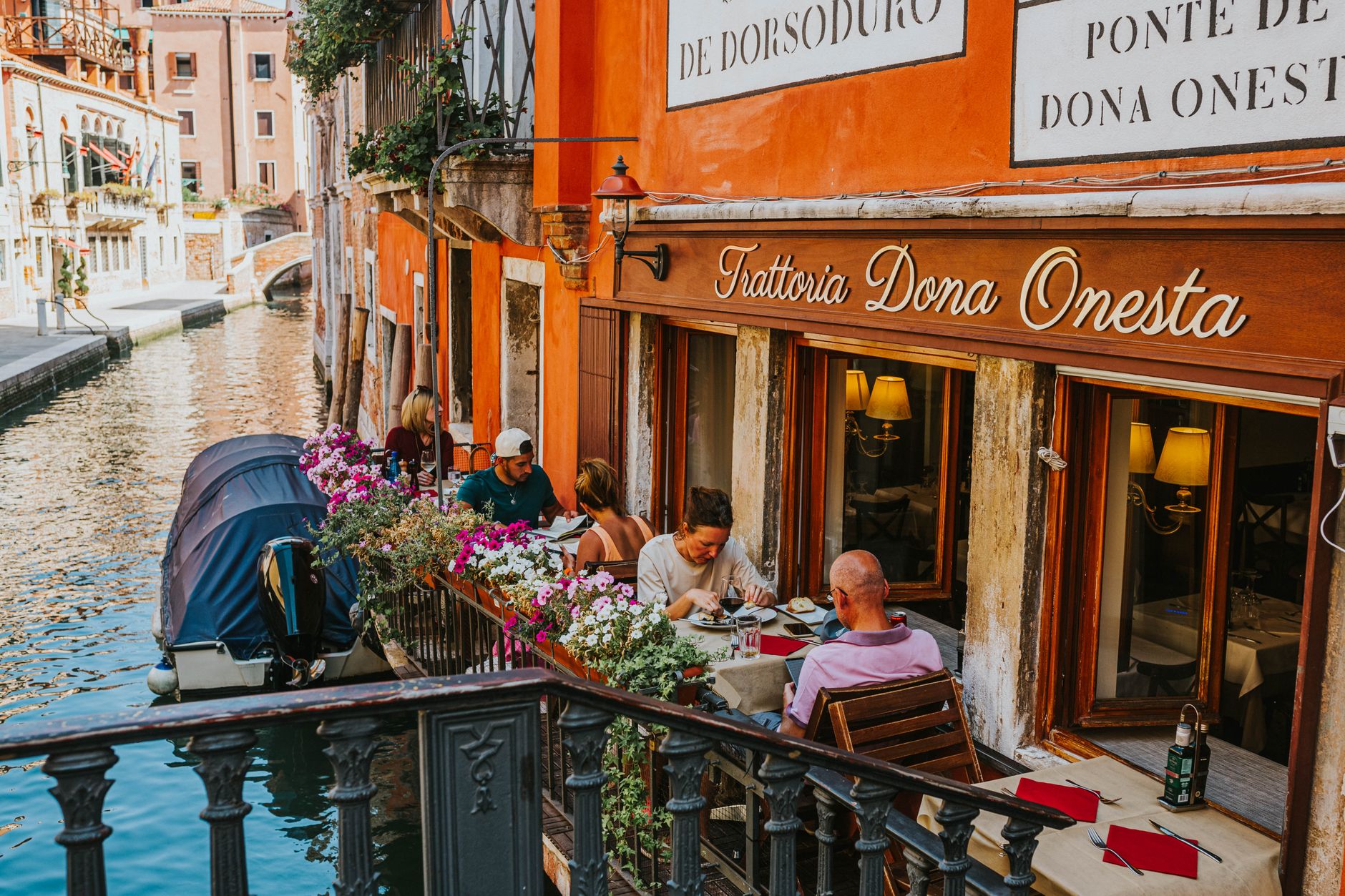
For lunch, you can grab a slice of pizza (pizza al taglio) or a panino for $6 to $10. A sit-down lunch at a casual trattoria will cost $15 to $25 per person.
Dinner is where you will spend the most. A traditional meal consists of an antipasto (starter, $10-$15), a primo (pasta or risotto, $12-$20), and a secondo (meat or fish, $18-$30). Most people do not order all three courses. A standard dinner with a shared starter, a main dish each, and a half-litre of house wine will cost $30 to $50 per person.
When reviewing your restaurant bill, you will likely see a coperto. This is a per-person cover charge, usually $2 to $4, which covers the bread and table setting. It is standard practice and not a scam.
Transport
Getting around Italy is efficient, thanks to an extensive rail network. Your transport budget will depend on how far in advance you book and what type of trains you use.
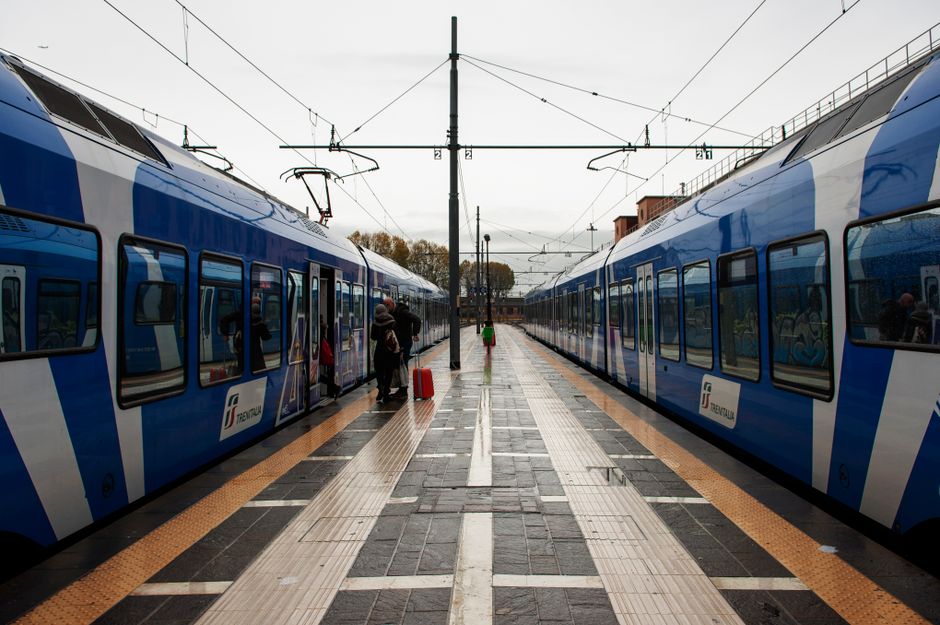
High-speed trains (operated by Trenitalia and Italo) connect major cities like Naples, Rome, Florence, and Milan. They travel up to 300 km/h. If you buy tickets on the day of travel, expect to pay $60 to $120 for a route like Rome to Florence. If you book two to three months in advance, you can find tickets for $20 to $40. For a deep dive into the two competing rail companies, read our guide to train travel in Italy.
Regional trains are slower but much cheaper. A ticket from Florence to Pisa, or Rome to Orvieto, costs $10 to $15. These prices are fixed, so you can buy them at the station on the day you travel.
Within cities, public transport (buses, trams, and metros) is very affordable. A single ride ticket in Rome or Milan costs $1.50 to $2.50. Airport transfers are slightly more; the Leonardo Express train from Rome Fiumicino airport to the city centre costs $15.
Activities and Tours
Italy holds some of the world’s most famous historical sites and museums. General admission tickets are reasonably priced, but guided tours will increase your Italy trip cost.
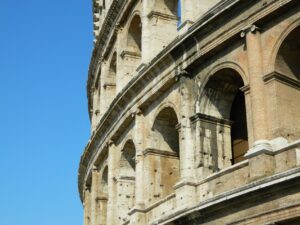
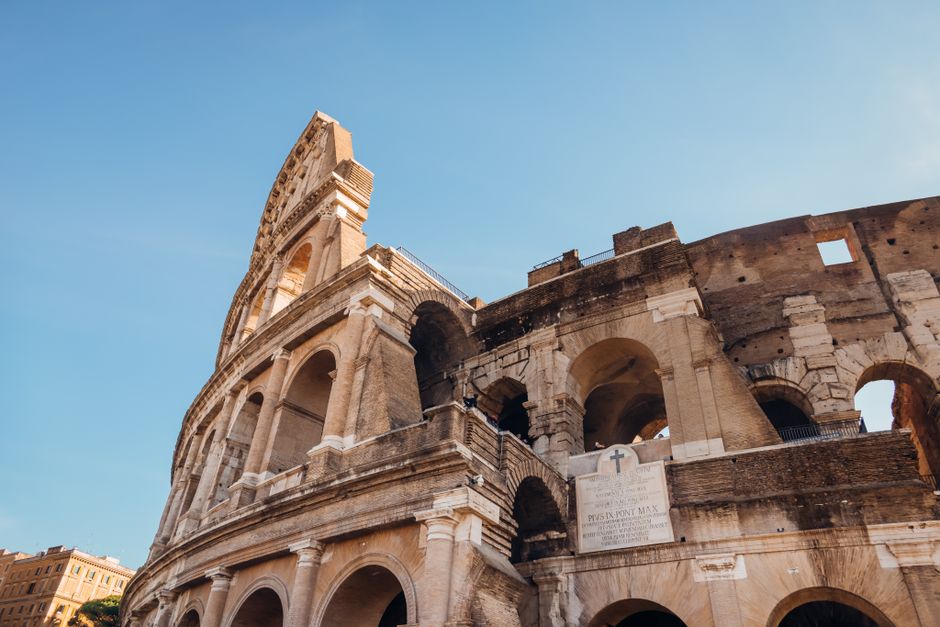
- Colosseum and Roman Forum (Rome): $20 for basic entry.
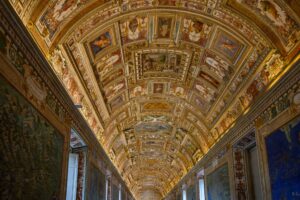
- Vatican Museums and Sistine Chapel (Rome): $22 for basic entry.
- Uffizi Gallery (Florence): $27 during high season.
- Pompeii Archaeological Park: $22.
If you prefer guided tours to understand the history, expect to pay $50 to $90 per person for small-group tours of these major sites. Specialty experiences, like a pasta-making class in Bologna or a wine tasting in Chianti, typically cost $80 to $150 per person.
Sample Italy Trip Cost for 1 and 2 Weeks
Using the mid-range daily budget of $200 to $350 per person, here is what you can expect to spend in total. These estimates exclude your international flights.
One Week in Italy: A 7-day trip will cost between $1,400 and $2,450 per person. This budget works well for a fast-paced trip focusing on two major cities, like Rome and Florence.
Two Weeks in Italy: A 14-day trip will cost between $2,800 and $4,900 per person. With two weeks, you have time to explore the cities and spend a few days in the countryside or on the coast. Need help planning your route? Check out our Italy itinerary options for 7, 10, and 14 days.
Regional Price Differences
Your Italy trip cost will fluctuate depending on geography. Generally, northern Italy is more expensive than southern Italy.
Major tourist hubs like Venice, Milan, Rome, and Florence command the highest prices for hotels and food. Coastal resort areas are also premium destinations. If you are planning a trip using our Amalfi Coast travel guide or our Lake Como travel guide, you should increase your accommodation and food budgets by at least 30%. The same applies to the five coastal villages detailed in our Cinque Terre guide, where space is limited and demand is high.
To stretch your budget, head south. Regions like Puglia, Calabria, and Sicily offer incredible food, beautiful beaches, and historical sites for a fraction of the cost of Tuscany or the Amalfi Coast. You can easily find an excellent dinner for under $25 and comfortable B&Bs for $80 a night.
Money Matters: Currency, Cards, and Tipping
Italy uses the Euro (€). While cash was once king, contactless card payments are now accepted almost everywhere, from train stations to small gelaterias. Visa and Mastercard are universally accepted; American Express is less common.
You should still carry a small amount of cash (around €50) for market stalls, minor purchases, or places where the card machine is temporarily out of order. When withdrawing cash, always use a bank ATM (Bancomat) attached to a physical bank. Avoid independent ATMs like Euronet, which charge exorbitant fees and offer terrible exchange rates. Petty theft around ATMs and crowded tourist sites is the most common crime, so keep your wallet secure. For more security advice, read is Italy safe to visit.
Tipping in Italy is not mandatory and is not culturally expected in the same way it is in the US. Restaurant staff are paid a living wage. If you receive exceptional service, it is common to leave a few coins or round up the bill (e.g., leaving $50 for a $47 bill). You do not need to tip for coffee at a bar or for a taxi ride.
How to Lower Your Italy Trip Cost
If you are trying to keep expenses down, a few smart choices can save you hundreds of dollars.
Travel in the shoulder season: July and August are hot, crowded, and expensive. Travelling in April, May, September, or October will save you money on accommodation while still offering pleasant temperatures (usually 18°C to 25°C / 64°F to 77°F). For a detailed breakdown of weather by region, see the best time to visit Italy.
Embrace the aperitivo: In the early evening (around 6:00 PM to 8:00 PM), many bars offer aperitivo. You buy a drink (like an Aperol Spritz or a glass of wine) for $10 to $15, and you get access to a buffet of snacks or a generous plate of food brought to your table. It is often enough to replace a heavy dinner.
Stand for your coffee: Do as the locals do. Drink your morning espresso standing at the bar counter. The moment you sit down and a waiter serves you, a service fee is added, turning a $1.50 coffee into a $4.00 coffee.
Take advantage of free museum days: State-run museums and archaeological sites (including the Colosseum, Pompeii, and the Uffizi) are free to enter on the first Sunday of every month. Be prepared for long queues, and arrive early.
Plan Your Trip
Understanding your Italy trip cost is the first step to making your holiday a reality. Start by locking in your flights and booking your high-speed train tickets as soon as they become available (usually three to four months in advance). From there, you can mix and match budget street food with the occasional splurge on a nice dinner to balance your daily spending. For more practical advice on packing, logistics, and local etiquette, read our Italy travel tips.