Planning your first trip requires mastering a few logistics, from understanding regional train networks to knowing when to order a cappuccino. These practical Italy travel tips will help you avoid common tourist traps, skip the longest queues, and navigate the country efficiently. If you start by reading our comprehensive Italy guide, you will already be ahead of the crowds.
Essential Italy Travel Tips for First-Timers
As of mid-2025, the European Travel Information and Authorisation System (ETIAS) is fully operational. If you hold a passport from the US, UK, Australia, or Canada, you must apply for this 7 EUR waiver online before boarding your flight. It is valid for three years. Check our guide to Italy visa and entry requirements for the exact application steps. If you are exploring multiple countries, read our broader Europe guide to understand Schengen area rules.
Timing your trip changes everything. August brings intense heat, often exceeding 35°C (95°F) in Rome and Florence, and marks the traditional Ferragosto holiday when many local businesses close. For milder weather and fewer crowds, aim for the shoulder seasons of May or October. Read our breakdown of the best time to visit Italy to match your destination with the right month.
Budgeting requires realistic expectations. While a quick espresso at a standing bar costs just 1.20 EUR to 1.50 EUR, accommodation in central Rome or Positano can easily exceed 300 USD per night during peak season. Review our breakdown of Italy travel cost to plan a realistic daily budget.
Resist the urge to cram the entire country into a single week. Moving between Venice, Florence, Rome, and the south in seven days leaves you spending half your holiday dragging luggage over cobblestones. Instead, focus on two or three bases. Our Italy itinerary guides offer sensible pacing for one or two-week trips.
Packing light is a logistical necessity. Historic centres feature cobblestone streets, narrow pavements, and ancient apartment buildings without lifts. If you book an apartment in the historic centre of Florence or Rome, expect to carry your luggage up three flights of steep stairs. A sturdy travel backpack or a single carry-on rolling case is far more practical than a massive checked bag.
Money, SIM Cards and Essential Apps
Contactless payment is standard across Italy. You can tap your card or phone for everything from a 2 EUR gelato to regional train tickets. However, you should always carry 30 EUR to 50 EUR in small notes and coins. Rural agriturismos, small market stalls, and some family-run trattorias still prefer cash. Always choose to pay in Euros on card machines to avoid poor dynamic currency conversion rates.
When you need cash, only use official bank ATMs, known locally as a Bancomat. You will find them attached to major banks like Intesa Sanpaolo or UniCredit. Avoid the independent Euronet ATMs scattered around tourist hotspots, as they charge exorbitant withdrawal fees and offer terrible exchange rates. Always decline the ATM’s offer to convert the currency for you.
Do not rely on your home provider’s international roaming plans, which often charge 10 USD per day. Instead, download an eSIM app like Airalo or Holafly before you depart. You can purchase a 10GB data plan for about 15 USD to 20 USD, which activates the moment you land at Fiumicino or Malpensa airports.
Download the right apps to navigate local systems. Google Maps is excellent for walking directions and public transit schedules in major cities. For taxis, Uber only operates its expensive Uber Black service in Rome and Milan. Instead, download FreeNow or IT Taxi to hail licensed white city cabs. For dining, TheFork allows you to book restaurant tables online, which is crucial since many traditional spots do not have functional websites.

Etiquette Dos and Don’ts
Italian dining culture operates on strict, unspoken rules. Dinner service rarely begins before 7:30 PM, and locals typically eat around 8:30 PM or 9:00 PM. If you see a restaurant serving dinner at 5:30 PM, it caters exclusively to tourists.
Coffee culture is equally structured. Milk-based coffees like cappuccinos and macchiatos are strictly for breakfast. Ordering a cappuccino after a heavy pasta lunch disrupts digestion according to Italian tradition. Order un caffè (a single espresso) after meals instead. When drinking coffee at a bar, pay at the cash register first, then take your receipt to the barista. Standing at the counter costs a fraction of the price of sitting at a table.
Understanding the bill will save you frustration. Most restaurants charge a coperto (cover charge), usually 2 EUR to 4 EUR per person. This covers the bread basket and table setting, and it is entirely legal. Because of this, tipping is not mandatory. If the service is excellent, leaving a 5 to 10 percent tip in cash is appreciated but never demanded.
Dress codes are strictly enforced at religious sites. The Vatican, St. Mark’s Basilica in Venice, and the Duomo in Florence require knees and shoulders to be covered. Guards will turn you away if you wear tank tops or short shorts, regardless of the summer heat. Carry a lightweight scarf in your day bag to drape over your shoulders.
When entering a shop, cafe, or restaurant, it is polite to greet the staff. A simple buongiorno (good morning) or buonasera (good evening) sets a positive tone. When leaving, say arrivederci (goodbye). Italians value these small pleasantries, and skipping them marks you as a rude tourist.
Italy Travel Tips for Transport and Logistics
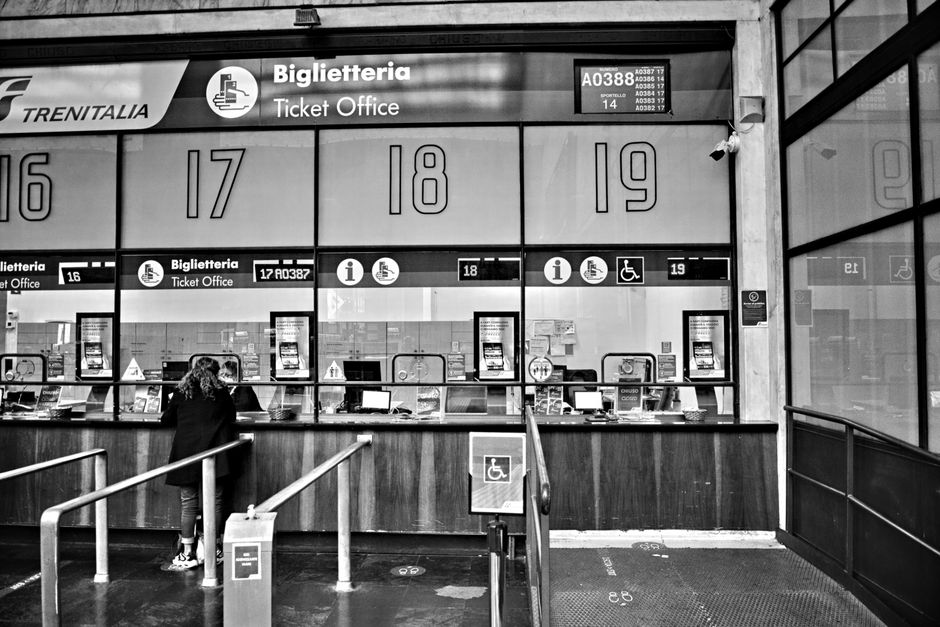
Italy’s high-speed rail network is world-class, connecting Naples, Rome, Florence, Milan, and Venice at speeds up to 300 km/h. You have two operators to choose from: the state-run Trenitalia and the privately owned Italo. Book these tickets two to three months in advance, as prices soar for last-minute purchases. Read our comparison of train travel in Italy to choose the right service.
Regional trains do not require advance booking, as prices remain fixed and they cannot sell out. However, if you buy a paper ticket for a regional train, you must validate it in the small green or white machines on the platform before boarding. Failure to validate results in heavy fines from ticket inspectors. If you buy a digital regional ticket on the Trenitalia app, you must check in on the app before the train departs.
City public transit relies on a mix of buses, trams, and metro lines. Rome and Milan have comprehensive metro systems, but buses are required to reach certain historic neighbourhoods. You must buy bus tickets before boarding at a tobacco shop or a newsstand. Many cities now allow you to tap your contactless credit card directly on the bus reader, but having a paper ticket as backup is smart.
Renting a car is brilliant for exploring the rolling hills of Tuscany, the jagged peaks of the Dolomites, or the trulli houses of Puglia. It is a terrible idea for city centres. Every major Italian city and many small towns operate a ZTL (Zona Traffico Limitato). These restricted traffic zones are monitored by cameras, and driving into one without authorisation triggers a fine of 80 EUR to 300 EUR.
Coastal and lake transport requires different planning. If you are heading to the southern coast, ferries are the most efficient way to bypass the congested coastal road. Review our Amalfi Coast travel guide for ferry routes between Salerno, Amalfi, and Positano. In the north, the public ferry network is the backbone of local transit. Our Lake Como travel guide explains how to navigate the mid-lake shuttle between Bellagio, Varenna, and Menaggio.
Transport Methods Compared
| Transport Type | Best For | Booking Window |
|---|---|---|
| High-Speed Train | Moving between Rome, Florence, Milan, Naples | 2-3 months in advance |
| Regional Train | Short trips like Florence to Pisa or Lucca | Day of travel |
| Rental Car | Exploring Tuscany, Puglia, or the Dolomites | 1-2 months in advance |
| Ferries | Amalfi Coast, Lake Como, Gulf of Naples | 1-2 weeks in advance (summer) |
Common Mistakes First-Timers Make
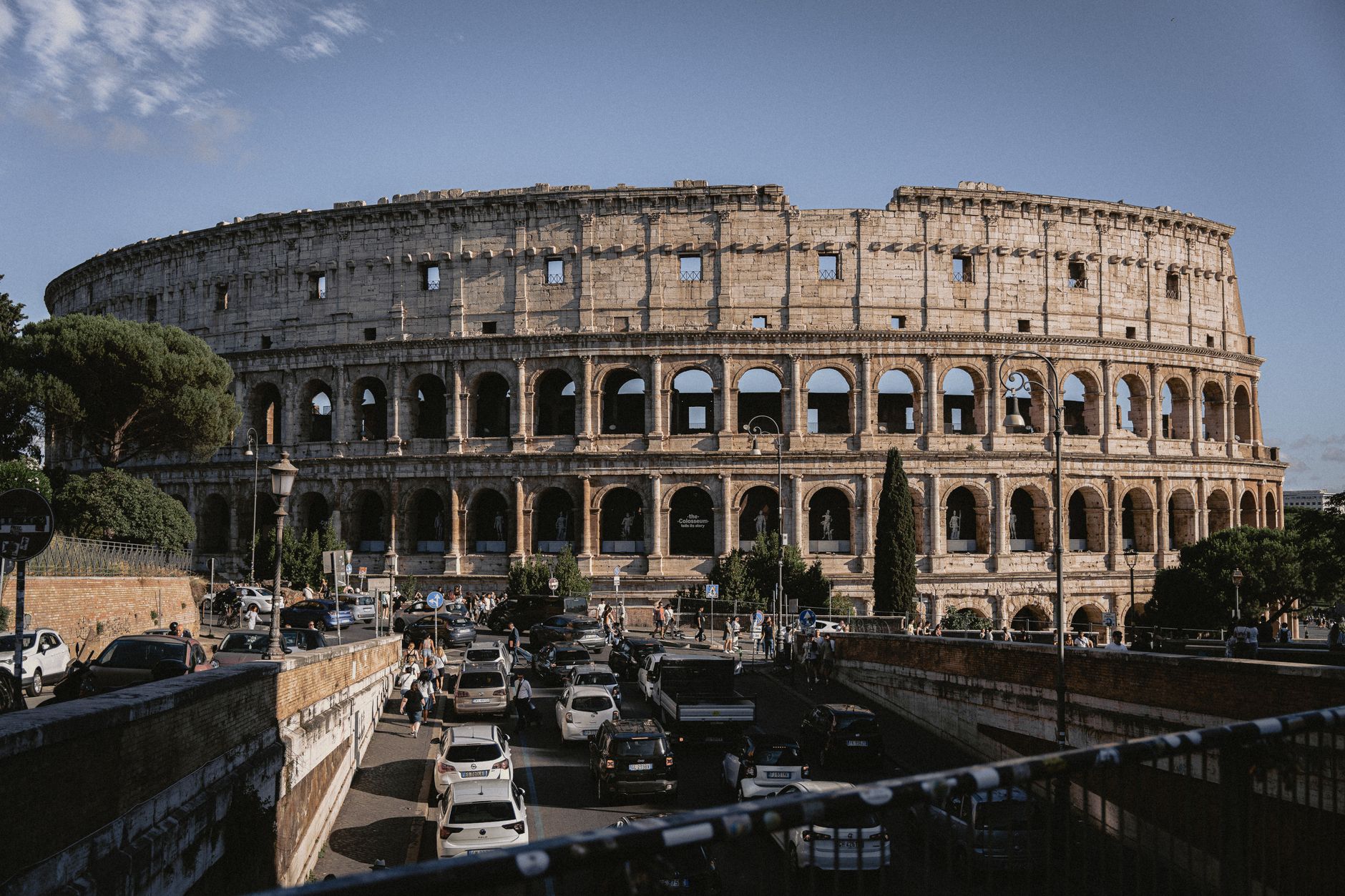
Assuming you can buy tickets on the day is the fastest way to ruin your trip. The Colosseum, the Vatican Museums, the Uffizi Gallery, and the Last Supper in Milan sell out weeks or months in advance. Always book directly through the official museum websites to avoid paying massive markups to third-party resellers.
Overestimating safety issues is common, but ignoring basic precautions is a mistake. Violent crime is extremely rare, but pickpocketing is an industry in crowded tourist hubs. Be hyper-vigilant on the Circumvesuviana train to Pompeii, the vaporetto in Venice, and around Termini station in Rome. Keep your valuables in a secure cross-body bag. Read our guide to is Italy safe for practical security advice.
Trying to visit the coastal villages as a quick day trip from a distant city rarely ends well. Taking a train from Florence to the Ligurian coast for a few hours leaves you battling peak crowds with no time to hike. If you want to see the colourful cliffside towns, spend at least two nights there. Our Cinque Terre guide details the logistics of moving between the five villages.
To summarise, here are a few rapid-fire mistakes to avoid:
- Ordering pepperoni pizza: In Italian, peperoni means bell peppers. For spicy salami, order a pizza alla diavola.
- Asking for tap water: Restaurants serve bottled water for a small fee. Tap water is rarely served at the table.
- Dipping bread in oil and vinegar: The bread basket is meant for wiping up leftover pasta sauce at the end of your meal.
Plan Your Trip
Your Italian holiday requires a mix of advance booking and on-the-ground flexibility. Lock in your high-speed trains and major museum tickets early, but leave room in your afternoons to wander through local neighbourhoods, sit in a piazza with an Aperol Spritz, and adjust to the slower local pace. Keep your itinerary focused, respect the dining etiquette, and you will experience the country far beyond the standard tourist trail.