The best time to visit Rome is during the spring months of April and May, or the autumn months of September and October. During these shoulder seasons, temperatures generally sit between 20°C and 24°C (68°F to 75°F), providing the most comfortable climate for walking between ancient ruins and lingering at outdoor cafes. However, these are also the most popular times to visit, so you will share the city with plenty of other travellers.
If your priority is avoiding massive queues and securing cheaper accommodation, January and February are the quietest months in the Italian capital. While the weather is crisp and occasionally rainy, you will have a much easier time navigating the historic centre. Read through our comprehensive Rome guide to start building your overall trip, or keep reading to find the exact month that suits your travel style.
The Overall Best Time to Visit Rome
Finding the ideal window for your trip depends entirely on what you want to get out of the city. For perfect sightseeing weather, late April to late May is unmatched. The skies are generally blue, the city’s parks are blooming, and you can comfortably dine outside in the evenings without a heavy coat. September offers a similar climate, though the landscape is slightly more parched after the intense summer heat.
For budget travellers, the deep winter months of January and February offer the lowest hotel rates of the year. You can often find excellent rooms in central neighbourhoods for $100 to $150 per night, a significant drop from the $250+ rates seen in May. If you are planning a wider trip using our Italy guide, keep in mind that winter in Rome is much milder than in northern cities like Milan or Venice.
The worst time to visit Rome is undeniably August. The heat is oppressive, frequently topping 32°C (90°F), and the humidity trapped within the city’s stone walls can be exhausting. Furthermore, the middle of August brings the Ferragosto holiday, when many locals leave the city for the coast. You will find that several independent restaurants, bakeries, and artisan shops shutter completely for two to three weeks.
Rome Seasons Explained
Spring (March to May)
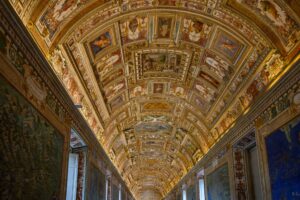
Spring is glorious in Rome, but it requires careful planning. March is known for unpredictable weather—locals call it marzo pazzerello (crazy March)—with bright sunshine one minute and sharp rain the next. By April, the temperatures stabilise, and the city prepares for Easter. Holy Week brings enormous crowds to Vatican City, so booking is essential if you are navigating the Vatican Museums and Sistine Chapel during this time.
May is arguably the most beautiful month. The Municipal Rose Garden on the Aventine Hill opens to the public, offering stunning views over the Palatine Hill. This is the peak time for ticking off the best things to do in Rome, so expect maximum crowds at major landmarks. You will need to book your major attraction tickets at least a month in advance.
Summer (June to August)
Summer in Rome is hot, sticky, and vibrant. June kicks off the Estate Romana (Roman Summer) festival, where temporary bars, outdoor cinemas, and food stalls line the banks of the River Tiber. The evenings are long and warm, making it a fantastic time for late-night strolls and gelato.
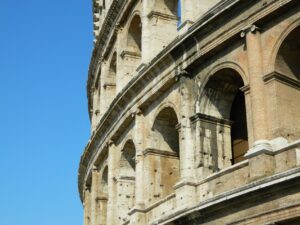
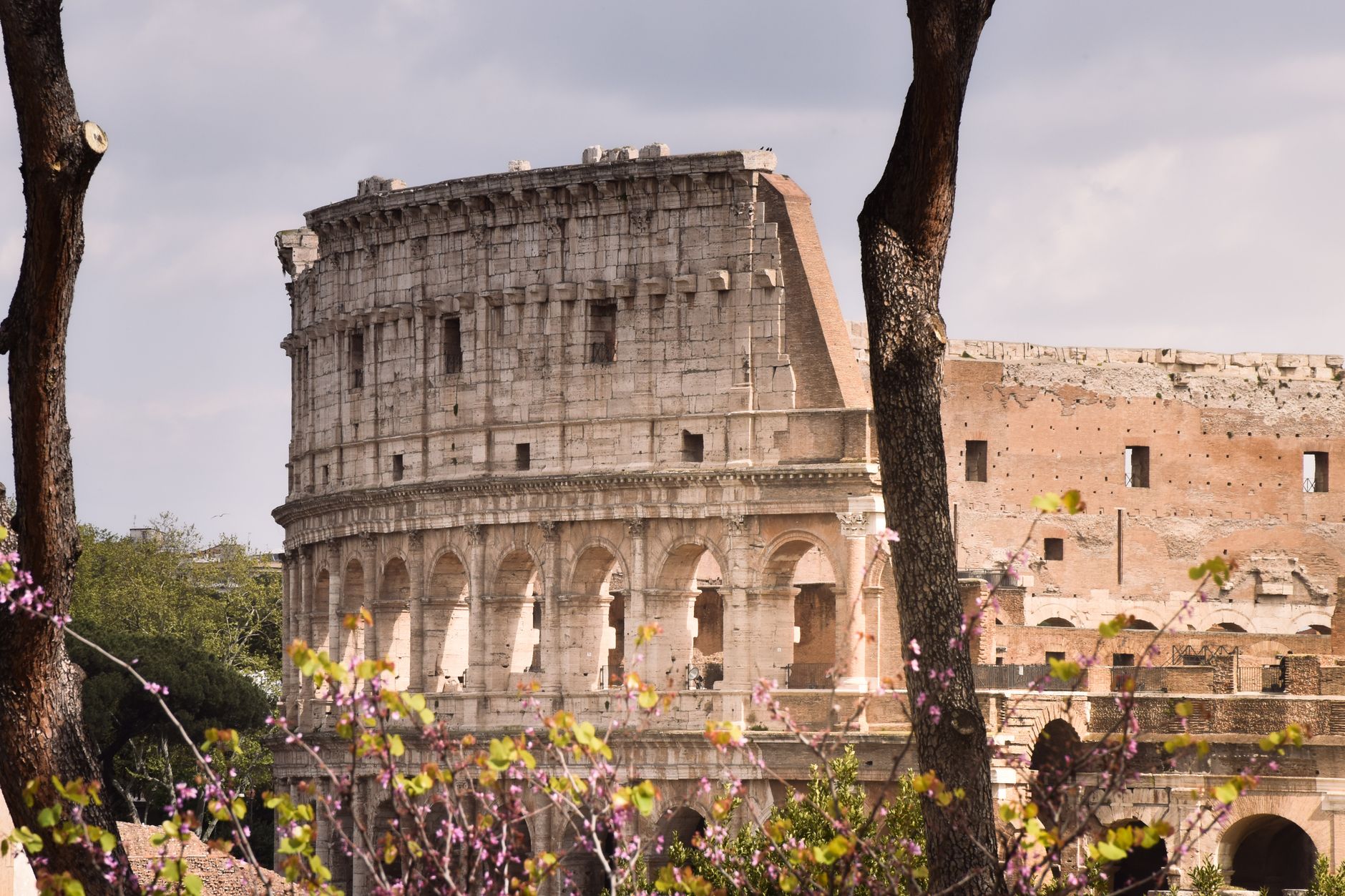
July and August require a strategic approach to sightseeing. You must start your days by 7:30 AM to beat the midday sun, which routinely pushes temperatures above 30°C (86°F). This is the time to ensure you understand how Colosseum tickets and tours work, as standing in the unshaded forum at noon is a recipe for heatstroke. Many visitors use the summer to take day trips from Rome to cooler spots like the coastal town of Sperlonga or the shaded gardens of Tivoli, both roughly 30 to 120 km away.
Autumn (September to November)
September retains the summer heat but gradually cools as the month progresses. By October, Rome experiences what locals call Ottobrate Romane—beautiful, warm, golden days that feel like a second summer. Because the weather is so reliable, October has effectively become the busiest month of the year for tourism.
November marks a sharp transition. It is statistically the rainiest month in Rome, and the daylight hours shrink significantly. However, it is a brilliant time for food lovers. The surrounding Lazio region is harvesting olives and truffles, and you can dive into what to eat in Rome by sampling hearty, seasonal dishes in cosy trattorias without the massive crowds.
Winter (December to February)
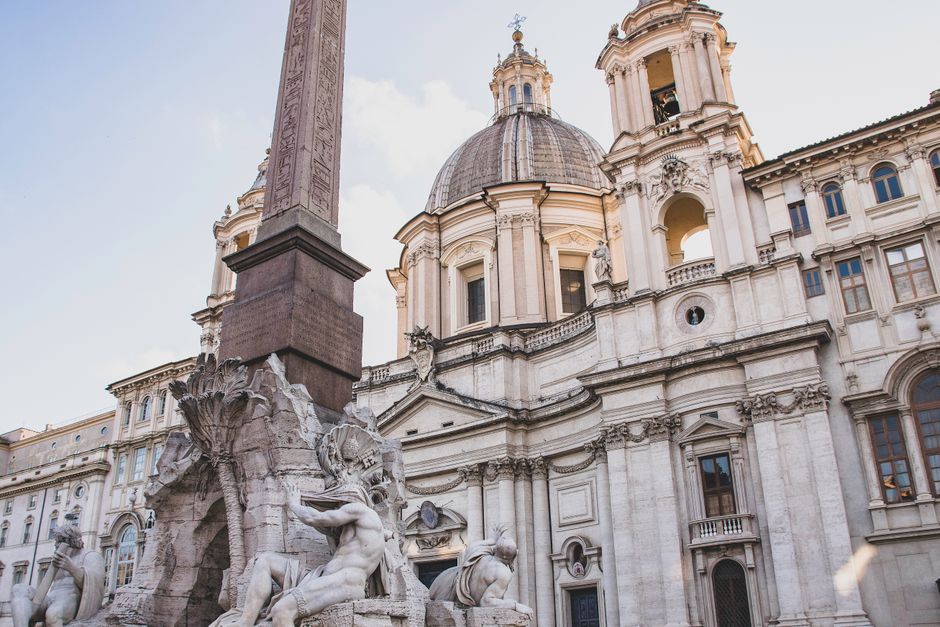
December is festive and bustling, heavily focused on Christmas markets in Piazza Navona and massive nativity scenes (presepi) across the city’s churches. The weather is chilly, usually hovering around 8°C to 12°C (46°F to 54°F), but snow is exceptionally rare.
January and February return the city to the locals. After the Epiphany on January 6th, the crowds vanish. This is the perfect season for crafting a relaxed Rome itinerary focused on indoor attractions, long museum visits, and unhurried lunches. Just pack a warm coat, a scarf, and a sturdy umbrella.
Month-by-Month Weather and Crowds Table
| Month | Avg High / Low (°C) | Avg High / Low (°F) | Rain Days | Crowd Level |
|---|---|---|---|---|
| January | 12 / 3 | 54 / 37 | 7 | Low |
| February | 13 / 4 | 55 / 39 | 7 | Low |
| March | 16 / 6 | 61 / 43 | 7 | Moderate |
| April | 19 / 9 | 66 / 48 | 7 | High |
| May | 24 / 13 | 75 / 55 | 5 | Very High |
| June | 28 / 17 | 82 / 63 | 3 | High |
| July | 32 / 19 | 90 / 66 | 2 | High |
| August | 32 / 19 | 90 / 66 | 2 | Moderate |
| September | 27 / 16 | 81 / 61 | 5 | Very High |
| October | 22 / 12 | 72 / 54 | 7 | Very High |
| November | 17 / 8 | 63 / 46 | 10 | Moderate |
| December | 13 / 4 | 55 / 39 | 8 | Moderate |
A Month-by-Month Guide to Rome
January
January is quiet and crisp. The winter sales (saldi) begin on Via del Corso, making it a great time for shopping. The holiday season officially ends on January 6th with the Feast of the Epiphany, marked by the arrival of La Befana (a good witch) bringing sweets to children.
February
February remains chilly but often features bright, clear skies. The city sees a brief spike in visitors during the weekends when the Six Nations rugby tournament comes to the Stadio Olimpico. Bakeries fill up with traditional Carnevale pastries like frappe (fried dough dusted with sugar) and castagnole.
March
March is a transitional month. The Rome Marathon usually takes place, winding past ancient monuments and temporarily closing major roads. Pack layers, as a sunny morning can quickly turn into a brisk, showery afternoon.
April
April kicks off the high season. On April 21st, the city celebrates Natale di Roma (Rome’s birthday) with historical reenactments, gladiatorial displays, and parades at the Circus Maximus. Artichokes (carciofi) are perfectly in season, dominating restaurant menus across the Jewish Ghetto.
May
May offers peak weather and peak crowds. The International Tennis Tournament takes over the Foro Italico, drawing sports fans from across Europe. The evenings are warm enough to dine al fresco, making it an ideal time to explore our Trastevere guide for the best evening atmosphere.
June
June 2nd is Festa della Repubblica, Italy’s Republic Day. Expect a massive military parade along Via dei Fori Imperiali and a spectacular flyover by the Frecce Tricolori, leaving trails of green, white, and red smoke over the Vittoriano monument. Summer heat begins to set in firmly.
July
July is sweltering. The highlight for locals is the Festa de Noantri in Trastevere, a deeply traditional religious festival that spans two weeks of processions, street performances, and late-night dining. Ensure you are figuring out where to stay in Rome with guaranteed, high-quality air conditioning.
August
August is the month of Ferragosto (August 15). Rome empties out as residents flee to the beaches of Ostia and Fregene. While major tourist sites and hotels remain open, many beloved local trattorias lock their doors. The heat radiating off the cobblestones is intense.
September
September sees the return of the Romans and the continuation of massive tourist crowds. The Romaeuropa Festival kicks off, bringing contemporary dance, music, and theatre to venues across the city. The grape harvest begins in the nearby Castelli Romani hills.
October
October is arguably the busiest month for international visitors. The Rome Film Festival takes place at the Auditorium Parco della Musica, bringing a touch of glamour to the northern suburbs. The golden autumn light makes this the best month for photography.
November
November brings rain and shorter days. November 1st is All Saints’ Day, a public holiday where some shops may close. This is the perfect month to duck into the Pantheon during a downpour or spend an entire afternoon exploring the Capitoline Museums.
December
December is magical, illuminated by massive Christmas trees at Piazza Venezia and the Spanish Steps. A large menorah is lit in Piazza Barberini for Hanukkah. While the city gets busy around Christmas and New Year’s Eve, the atmosphere is incredibly festive and welcoming.
The Best Time to Visit Rome for Specific Activities
Best Time for Sightseeing
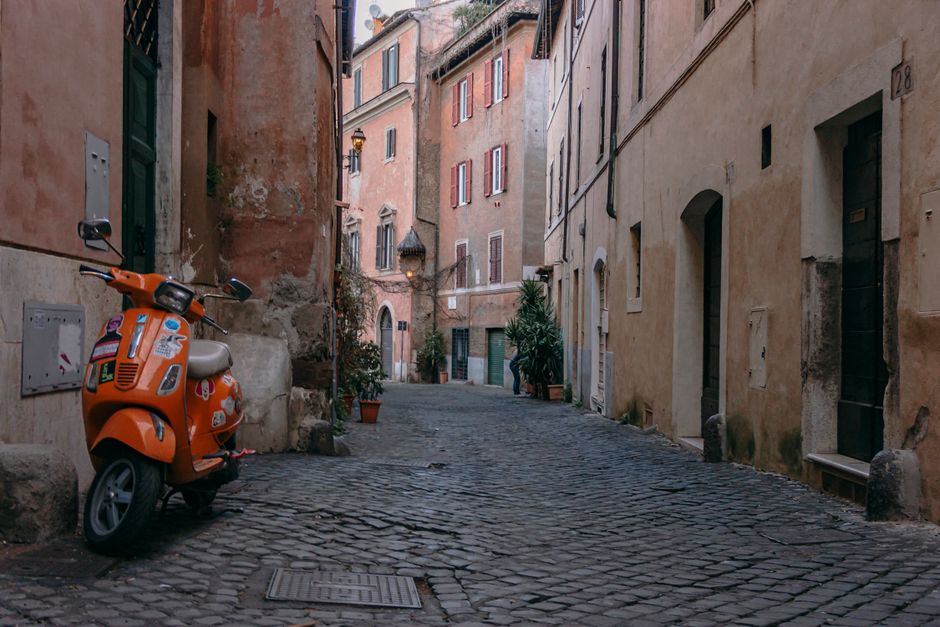
No matter the month, the best time for sightseeing is always early morning. If you want to photograph the historic centre without a thousand other people in your shot, you need to be out by 6:30 AM. Review our Trevi Fountain tips to understand just how quickly the small piazza fills up by 9:00 AM.
Best Time for Food and Wine
Autumn is the undisputed champion for food lovers. October and November bring fresh white truffles, porcini mushrooms, and the new olive oil harvest to Roman tables. Spring is a close second, offering the beloved seasonal artichokes prepared either Roman style (braised with mint and garlic) or Jewish style (deep-fried).
Plan Your Trip
When planning your trip, remember that Rome requires advance booking for almost everything. For visits between April and October, book your major attraction tickets at least four weeks in advance, and secure dinner reservations at popular trattorias at least a week prior. Always pack comfortable, broken-in walking shoes, as the sampietrini (cobblestones) will quickly ruin flimsy footwear. Finally, dress in layers; churches require covered shoulders and knees year-round, regardless of the sweltering summer heat outside.