The best time to visit Italy is during the shoulder seasons of May and September. During these months, you get comfortable temperatures across the country, ranging from 18°C to 25°C (64°F to 77°F), making it ideal for both city sightseeing and coastal visits. The weather is warm but not oppressive, allowing you to explore the Roman Forum or hike the coastal trails of Liguria without the intense summer heat.
The Overall Best Time to Visit Italy
If you want the short answer, plan your trip for May, June, September, or October. These months offer the optimal balance of pleasant weather, manageable crowds, and fully operational seasonal transport. July and August bring intense heat, especially in landlocked cities like Florence and Rome, where temperatures regularly exceed 35°C (95°F). August also coincides with the Italian national holiday period, meaning many family-run restaurants and shops close while locals head to the coast.
Winter is the best time for budget travellers and skiers. From December to February, you will find the lowest hotel rates in major cities and empty galleries. If you are starting your research, our comprehensive Italy guide is the best place to begin, or you can look at our broader Europe guide if you are planning a multi-country trip.
Understanding Italy’s Weather by Region
Italy is geographically diverse, stretching from the snow-capped Alps in the north to the sun-baked Mediterranean islands in the south. The weather varies drastically depending on where you are.
Northern Italy (Milan, Venice, the Lakes, and the Dolomites)
The north experiences a continental climate. Winters are cold and damp, with heavy snowfall in the Alps and Dolomites, making it a premier skiing destination from December to March. Milan and Venice often see temperatures hovering around 2°C to 7°C (35°F to 45°F) in January, accompanied by thick fog in the Po Valley. Summers are hot and highly humid, with frequent late-afternoon thunderstorms. If you are heading to the lakes, read our Lake Como travel guide; the ferry schedules here are heavily reduced between November and March, making spring and early autumn the most practical times to visit.
Central Italy (Rome, Florence, Tuscany, and Umbria)
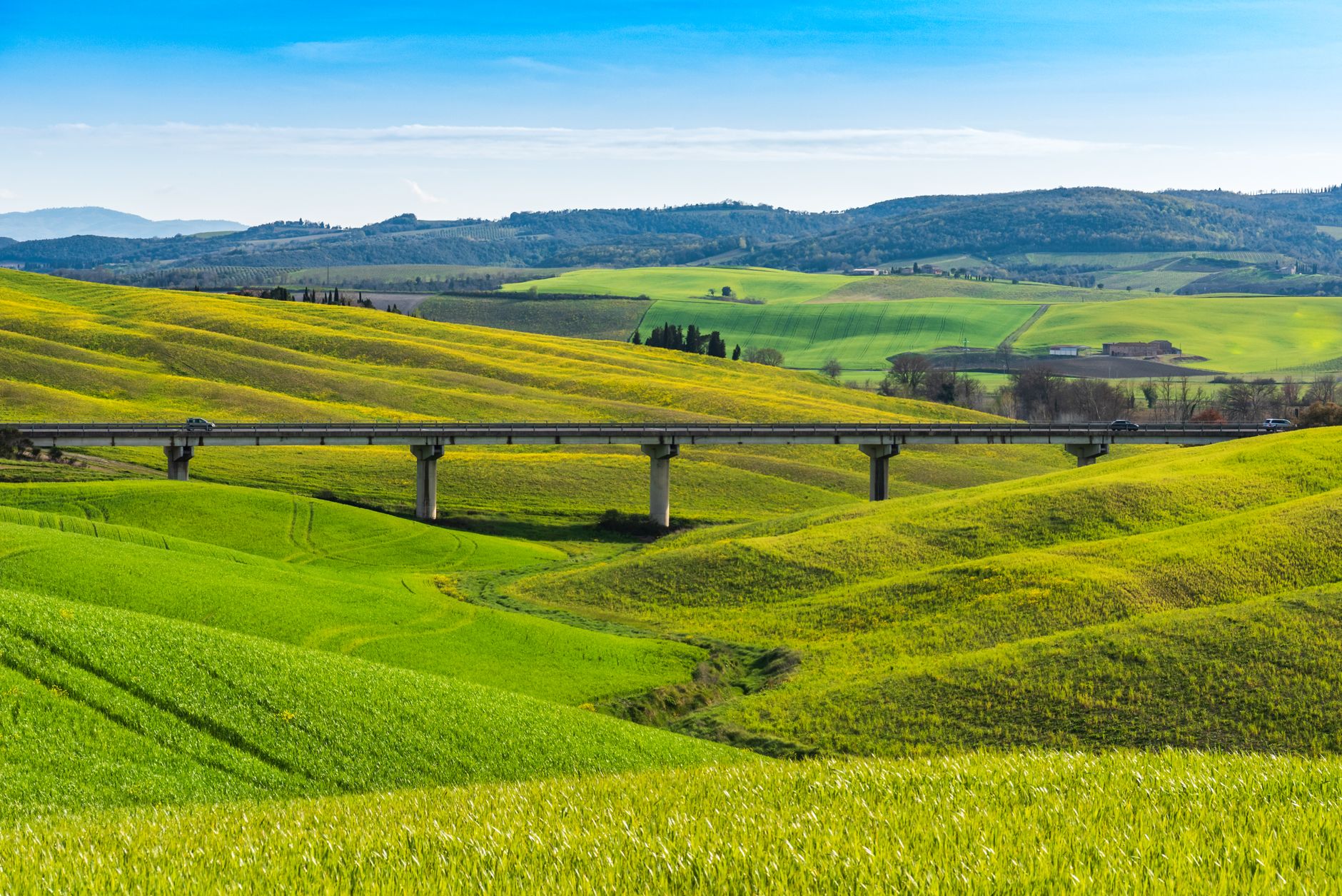
Central Italy has a transitional climate. Winters are mild but wet, with daytime highs around 10°C to 14°C (50°F to 57°F). Snow is rare in the cities but common in the Apennine Mountains. Summers are notoriously hot and dry. Florence sits in a valley that traps the heat, often pushing August temperatures above 37°C (98°F). Spring and autumn are the most comfortable seasons here. October is particularly beautiful in Tuscany, as the vineyards turn gold and red during the grape harvest.
Southern Italy and the Islands (Naples, Puglia, Sicily, and Sardinia)
The south enjoys a classic Mediterranean climate. Winters are mild and sunny, with temperatures rarely dropping below 10°C (50°F) on the coasts, though the interior of Sicily can get cold. Summers are long, dry, and scorching, often lasting from late May well into October. The Sirocco wind from North Africa can bring intense heatwaves, pushing temperatures past 40°C (104°F) in July and August. If you are planning a coastal road trip along the 50 km stretch of the Campanian coast, check our Amalfi Coast travel guide. Be aware that many hotels and restaurants in southern beach towns close completely from November to Easter.
Month-by-Month Guide to Visiting Italy
To help you plan, here is a quick overview of average daytime high temperatures and the general atmosphere across the country.
| Month | Northern Italy (Milan) | Central Italy (Rome) | Southern Italy (Palermo) | Travel Season |
|---|---|---|---|---|
| March | 13°C (55°F) | 16°C (61°F) | 17°C (63°F) | Shoulder |
| April | 17°C (63°F) | 19°C (66°F) | 19°C (66°F) | Shoulder |
| May | 22°C (72°F) | 24°C (75°F) | 24°C (75°F) | High |
| June | 26°C (79°F) | 28°C (82°F) | 28°C (82°F) | High |
| July | 29°C (84°F) | 32°C (90°F) | 31°C (88°F) | Peak |
| August | 29°C (84°F) | 32°C (90°F) | 32°C (90°F) | Peak |
| September | 24°C (75°F) | 27°C (81°F) | 28°C (82°F) | High |
| October | 18°C (64°F) | 22°C (72°F) | 24°C (75°F) | Shoulder |
| November | 11°C (52°F) | 17°C (63°F) | 20°C (68°F) | Low |
| December | 6°C (43°F) | 13°C (55°F) | 16°C (61°F) | Low |
| January | 6°C (43°F) | 12°C (54°F) | 15°C (59°F) | Low |
| February | 8°C (46°F) | 13°C (55°F) | 15°C (59°F) | Low |
Spring (March to May)
March is unpredictable, often bringing a mix of brilliant sunshine and sudden rain showers. By April, the weather warms up significantly, and wildflowers begin to bloom across Sicily and Puglia. Easter is a massive event in Italy, drawing huge crowds to Rome and the Vatican, which drives up accommodation prices.
May is arguably the best month to visit. The countryside is lush and green, and temperatures sit comfortably in the low 20s Celsius (70s Fahrenheit). It is warm enough to eat outside in the evenings but cool enough for strenuous sightseeing. This is the ideal time to hike the coastal paths before the summer heat arrives; our Cinque Terre guide covers the best trails to tackle during this window.
Summer (June to August)
June marks the start of the high season. The beaches begin to fill up, and the sea is finally warm enough for swimming. July and August are the busiest and hottest months. Major cities like Rome, Florence, and Venice become crowded with international tourists, while Italians flee the urban heat for the coast or the mountains.
If you visit in August, you must navigate Ferragosto (August 15th). This national holiday effectively shuts down non-tourist businesses for weeks. Expect premium pricing for coastal accommodation during this period, with basic sunbed rentals at beach clubs costing anywhere from $30 to $80 per day. To understand how this impacts your budget, review our breakdown on how much an Italy trip costs.
Autumn (September to November)
September feels like a second summer in Italy, particularly in the south, but without the extreme August heat. The sea remains warm, making it an excellent time for a beach holiday in Sardinia or Calabria. By October, the crowds thin out significantly, and the focus shifts to food. This is the season of the vendemmia (grape harvest) and the olive harvest.
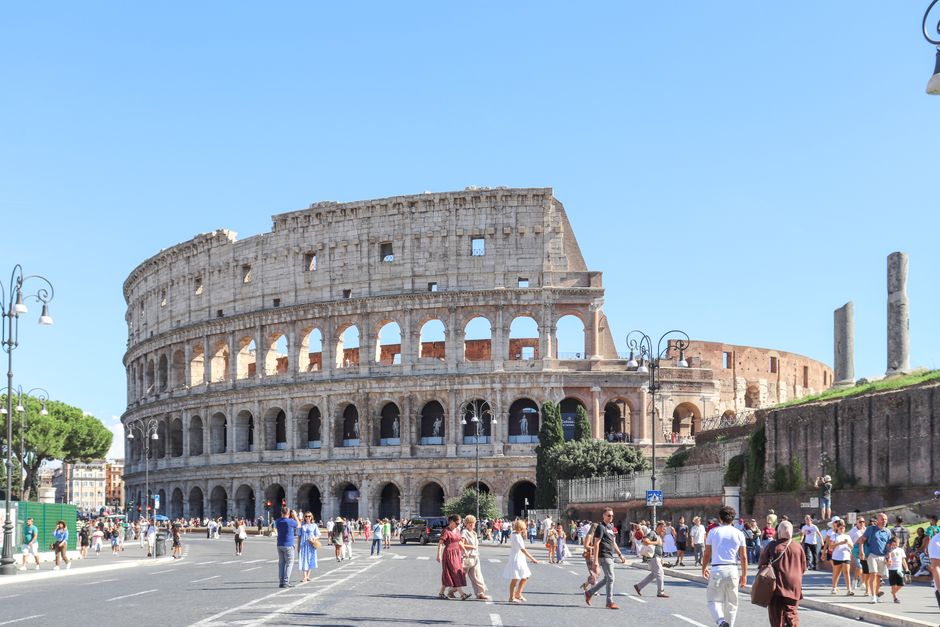
November is typically the wettest month across the country. Venice also enters its acqua alta (high water) season, requiring waterproof boots to navigate flooded squares. While you will need an umbrella, you will also have major attractions like the Uffizi Gallery or the Colosseum largely to yourself.
Winter (December to February)
December brings festive cheer, with Christmas markets popping up in northern cities like Bolzano and Trento, and elaborate nativity scenes (presepi) displayed in Naples. January and February are the quietest and coldest months.
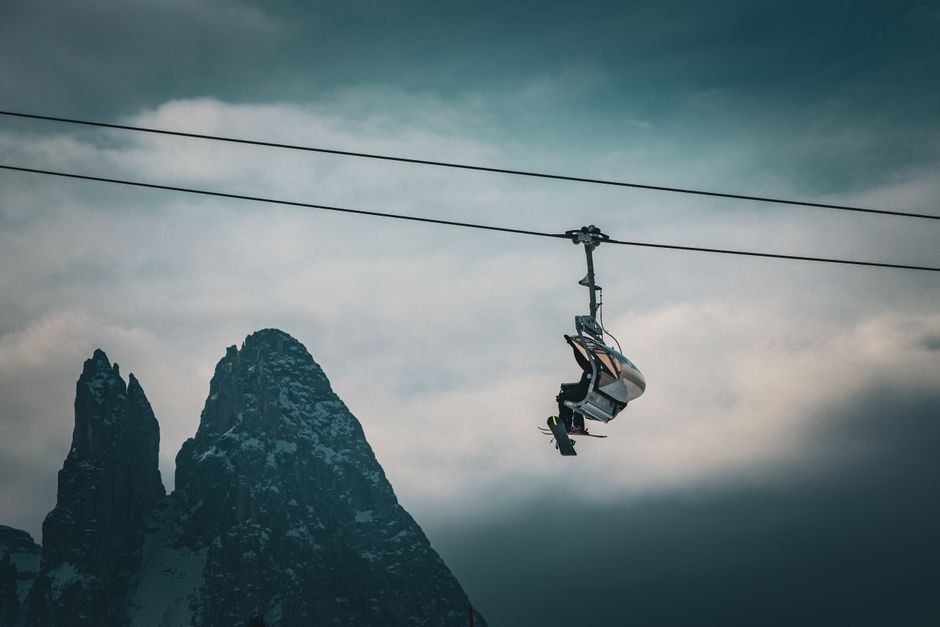
Winter is the perfect time for a city break focused on museums, galleries, and heavy, comforting food like Milanese risotto. It is also the high season for the ski resorts in the Alps and Dolomites. Navigating the country in winter is easy if you stick to the high-speed rail network; read our comparison on train travel in Italy to understand the differences between Trenitalia and Italo.
Best Time to Visit Italy for Key Experiences
Sightseeing and Museums
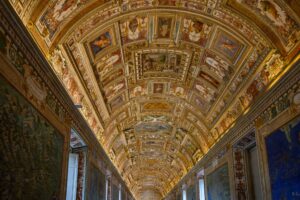
If your priority is art, history, and architecture, the best time to visit Italy is from November to March. The Vatican Museums and the Uffizi Gallery are notoriously packed in the summer, requiring tickets booked months in advance. In late January, you can often walk right in. If you are mapping out your route, our Italy itinerary for 7, 10, or 14 days will help you structure your time efficiently.
Beaches and Coastal Towns
For a beach holiday, aim for June or September. The water in the Mediterranean and Adriatic is warm, and the beach clubs (stabilimenti) are fully operational. July and August are peak beach months for Italians, meaning sunbeds are expensive and must be reserved well in advance. By late October, most beach clubs pack up their umbrellas for the winter.
Hiking and the Outdoors
The hiking season depends entirely on your elevation. For the Dolomites and the Alps, July and August are the best months, as the high-altitude trails are finally clear of snow and the mountain huts (rifugi) are open. For coastal hikes like the Path of the Gods on the Amalfi Coast or the trails in Cinque Terre, May and October are optimal. Summer is simply too hot for exposed coastal walking.
Food and Wine Harvests
Food lovers should plan a trip for October or November. Piedmont hosts the famous Alba White Truffle Fair in October, drawing chefs and gourmands from around the world. Across Tuscany and Umbria, you can participate in olive oil tastings, sampling the spicy, bright green olio nuovo (new oil) pressed just days before.
Italian Holidays and Festivals to Plan Around
National holidays and regional festivals can heavily impact your trip, causing transport delays, museum closures, and spikes in hotel prices.
- Carnevale (February): Venice hosts the most famous celebrations, with elaborate masks and balls, while Viareggio in Tuscany puts on massive satirical float parades.
- Easter (March or April): A deeply religious time. Expect massive crowds in Rome for the Pope’s addresses, and unique traditions like the Scoppio del Carro (Explosion of the Cart) in Florence.
- Liberation Day (April 25) and Labour Day (May 1): These often merge into a long weekend (ponte) for Italians, leading to busy trains and packed domestic tourist sites.
- Republic Day (June 2): Expect military parades in Rome and the closure of some central streets.
- Ferragosto (August 15): The peak of the Italian summer holidays. Cities empty out, and coastal areas are at maximum capacity.
Final Trip Planning Tips
Before you book your flights, ensure you understand the entry rules. As of 2026, the ETIAS system is fully operational, meaning visa-exempt travellers from the US, UK, and Australia must secure pre-travel authorisation. You can find the exact steps in our guide to Italy visa and entry requirements.
Always book your high-speed trains and major museum tickets at least a month in advance if travelling between May and September. Finally, while Italy is generally very secure, petty crime like pickpocketing spikes in crowded tourist areas during the summer. Review our safety tips for travellers in Italy and our broader essential Italy travel tips to ensure your trip goes smoothly.