Crafting the perfect 2 weeks in Europe itinerary requires balancing your ambition with real-world logistics. Fourteen days gives you enough time to comfortably explore three to four major cities, or to travel deeply through a single region. The key to a successful trip is minimising transit time so you do not spend half your holiday hauling luggage through train stations.
Before locking in your route, familiarise yourself with the basics in our main Europe guide. It will help you understand regional differences in transport, costs, and culture. From there, you can build a realistic plan based on your budget and travel style.
Practical Essentials for Europe
Visas and Entry Requirements
As of mid-2025, the ETIAS (European Travel Information and Authorisation System) is fully active. Travellers from visa-exempt countries, including the US, UK, and Australia, must secure this digital authorisation before boarding a flight to the Schengen Area. It costs €7 and is valid for three years. For full details on applications and processing times, read Schengen Visa and ETIAS: What Travellers Need to Know.
Getting Around
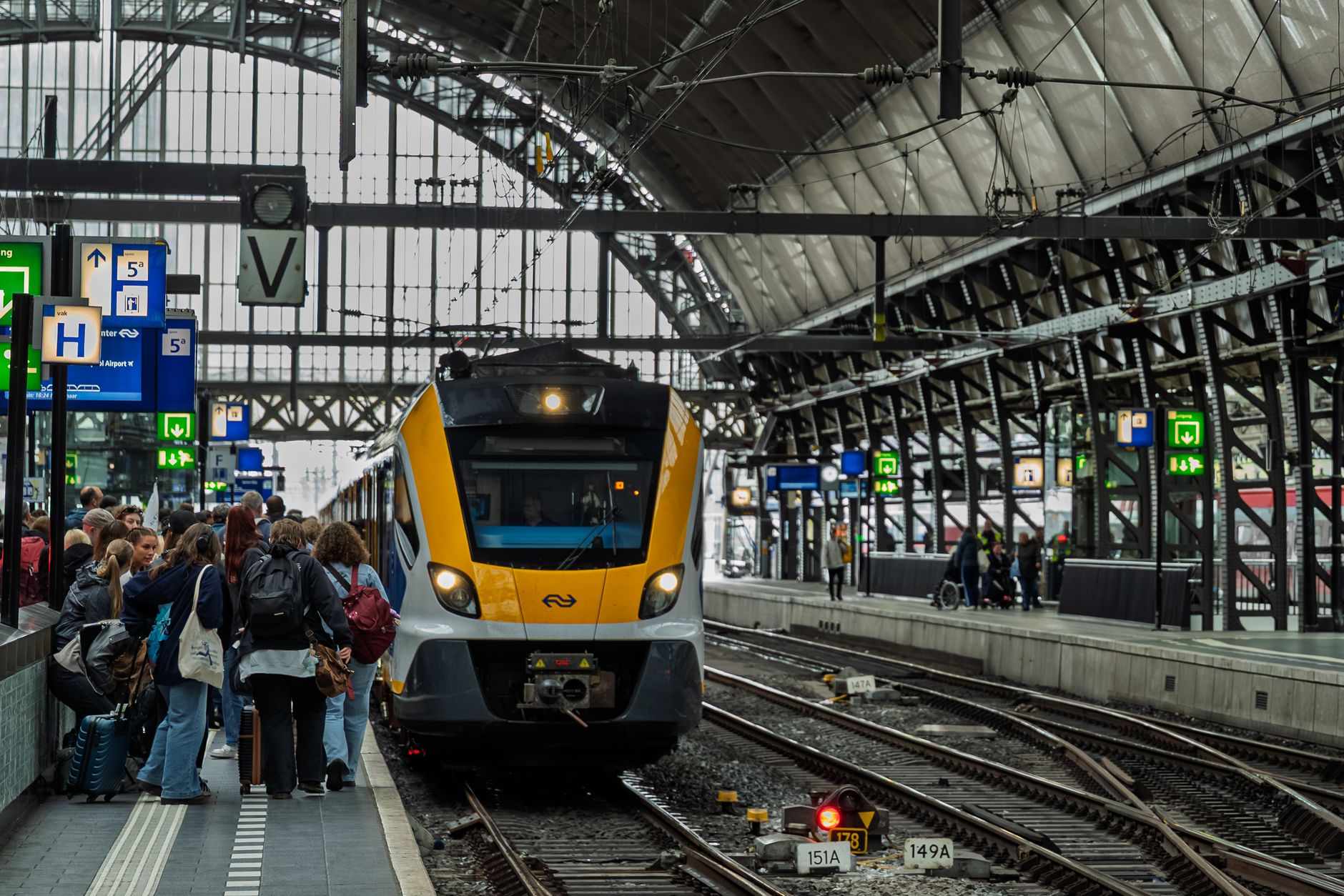
The most efficient way to travel between neighbouring countries is by high-speed rail. Trains take you directly from city centre to city centre, eliminating the hour-long commute to regional airports and the hassle of security lines. For a detailed breakdown of rail networks and tickets, check Travelling Europe by Train: Passes, Routes and Tips. When crossing larger distances (like Spain to Italy), budget airlines like Vueling or Ryanair are necessary, but always factor in the extra fees for cabin baggage.
Costs and Budgeting
Your daily budget will vary wildly depending on the region. For Western and Northern Europe, expect to spend $200 to $350 per day, per person, covering mid-range hotels, local transit, attraction tickets, and dining. Central and Southern Europe offer slightly better value, where a comfortable mid-range budget sits around $150 to $250 per day. Always book accommodation and major attraction tickets at least two to three months in advance to secure the best rates.
When to Go
Shoulder seasons—May to June and September to October—offer the best balance of daylight, manageable crowds, and mild weather, generally ranging from 15°C to 22°C (59°F to 72°F). July and August are peak season, bringing heavy crowds and temperatures often exceeding 32°C (90°F) in southern countries. If you travel in December, temperatures drop to around 0°C to 5°C (32°F to 41°F), but you can experience the Best Christmas Markets in Europe.
Choose Your 2 Weeks in Europe Itinerary
If you are struggling to narrow down your focus, review the Best Countries to Visit in Europe to see which cultures align with your interests. Otherwise, choose one of these five tested routes.
1. The Classic Western Capitals: London, Paris, Amsterdam
This route connects three heavyweights via direct, high-speed rail, making it perfect for first-time visitors.
- Days 1-5: London. Fly into Heathrow or Gatwick. Use your contactless credit card to tap in and out of the Tube. Spend your days walking the South Bank, exploring the British Museum, and visiting the Tower of London. Take a day trip to Bath or Windsor.
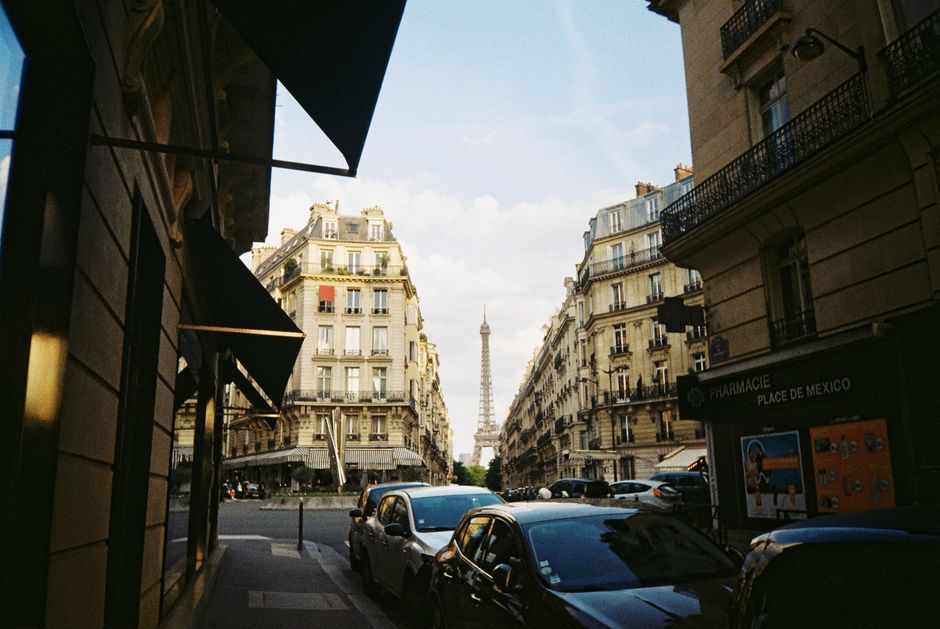
- Days 6-10: Paris. Catch the Eurostar from St Pancras International to Gare du Nord (book this 4 to 6 months ahead). Buy a Navigo Easy pass for the metro. Explore Le Marais, see the restored Notre Dame Cathedral, and pick just one wing of the Louvre to avoid museum fatigue.
- Days 11-14: Amsterdam. Take the direct Eurostar (formerly Thalys) from Paris to Amsterdam Centraal. Download the GVB app for tram tickets. Cycle through Vondelpark, visit the Rijksmuseum, and remember that Anne Frank House tickets are released exactly six weeks in advance and sell out immediately. Fly home from Schiphol.
2. Central Europe Triangle: Prague, Vienna, Budapest
This route offers stunning architecture, rich history, and excellent value, connected seamlessly by the ÖBB (Austrian Railways) network.
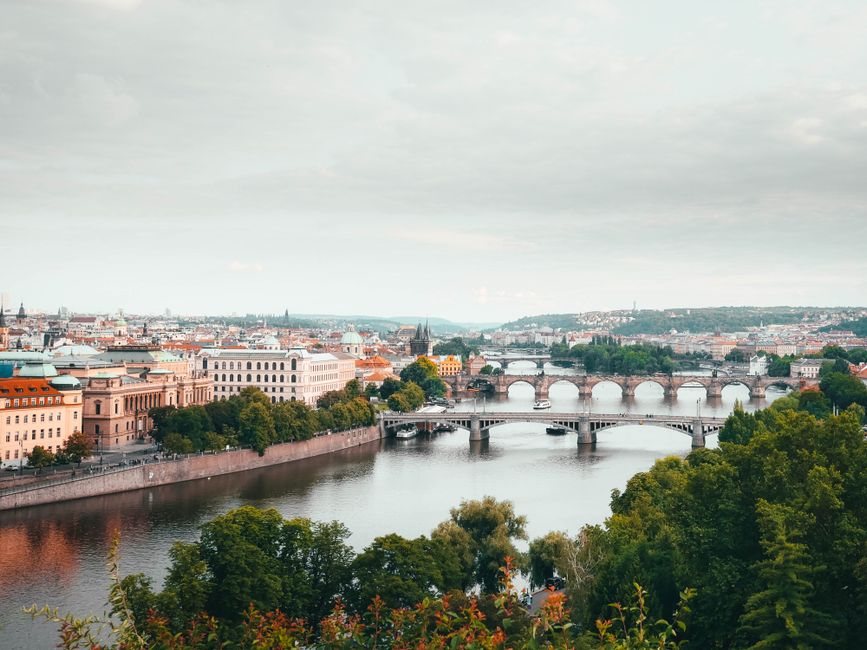
- Days 1-4: Prague. Arrive at Václav Havel Airport. Walk the Charles Bridge at dawn to beat the crowds, explore the Staré Město (Old Town), and take Tram 22 up to Prague Castle.
- Days 5-9: Vienna. Take the Railjet train from Prague (about 4 hours). Use the U-Bahn to navigate. Tour Schönbrunn Palace, and skip the massive queue at Cafe Sacher by getting your coffee and cake fix at the equally historic Cafe Sperl.
- Days 10-14: Budapest. Ride the train from Vienna to Budapest Keleti station (2.5 hours). Purchase digital transit tickets via the BudapestGO app. Soak in the Széchenyi Thermal Baths, take an evening cruise on the Danube, and explore the ruin bars in the Jewish Quarter. Fly out of Budapest Ferenc Liszt Airport.
3. Mediterranean Highlights: Spain and Italy
This route requires one short internal flight but covers the most iconic sights of Southern Europe.
- Days 1-4: Barcelona. Buy a T-Casual ticket for the metro. Marvel at the Sagrada Família (book tickets 3 weeks ahead), walk through the Gothic Quarter, and eat tapas in El Born.
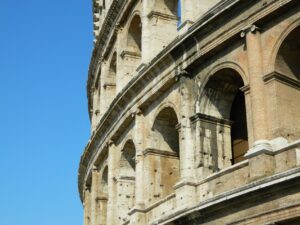
- Days 5-8: Rome. Fly from Barcelona to Rome Fiumicino. Take the Leonardo Express train to Roma Termini. Spend your days at the Colosseum and Roman Forum, visit the Vatican, and enjoy evening meals in the Trastevere neighbourhood.
- Days 9-11: Florence. Catch the Frecciarossa high-speed train from Rome (1.5 hours). Climb the Duomo, walk across the Ponte Vecchio, and view Michelangelo’s David at the Accademia Gallery.
- Days 12-14: Venice. Take the high-speed train from Florence to Venezia Santa Lucia (2 hours). Buy a Vaporetto pass to travel the Grand Canal, explore St. Mark’s Basilica, and get lost in the quieter Cannaregio district. Fly home from Marco Polo Airport.
4. The Alpine and Lakes Route: Munich, Swiss Alps, Milan
Ideal for scenery lovers, this route mixes Bavarian culture, dramatic mountains, and Italian elegance.
- Days 1-3: Munich. Start at Marienplatz, watch the Glockenspiel, and grab a pretzel at the Viktualienmarkt. Take a short train ride to the Nymphenburg Palace.
- Days 4-8: Swiss Alps. Take the EuroCity train from Munich to Zurich, connecting to Interlaken or Grindelwald. Purchase a Swiss Travel Pass for seamless access to regional trains, buses, and boats. Ride the Jungfraubahn up to the Jungfraujoch, or hike the trails around Lauterbrunnen.
- Days 9-11: Lake Como. Travel by train south into Italy, connecting through Milan to Varenna. Spend your days riding the public ferries between Bellagio, Menaggio, and Varenna, touring historic villas and gardens.
- Days 12-14: Milan. Take the regional train back to Milan Centrale. Walk on the roof of the Duomo, view The Last Supper (book months in advance), and enjoy the aperitivo culture in the Navigli district. Fly out of Malpensa Airport.
5. Iberian Peninsula Explorer: Portugal and Spain
A sun-drenched itinerary focusing on food, art, and Moorish architecture.
- Days 1-4: Lisbon. Ride the historic Tram 28 through the steep streets of the Alfama district, listen to live Fado music, and take the train to Belém for authentic pasteis de nata.
- Days 5-7: Porto. Take the Alfa Pendular high-speed train north (3 hours). Walk across the Dom Luís I Bridge, tour the port wine cellars in Vila Nova de Gaia, and take a day cruise on the Douro River.
- Days 8-10: Seville. Fly direct from Porto to Seville. Visit the Royal Alcázar, marvel at the Plaza de España, and watch a flamenco performance in the Triana neighbourhood.
- Days 11-14: Madrid. Ride the AVE high-speed train from Seville Santa Justa to Madrid Atocha (2.5 hours). Spend a full day in the Prado Museum, eat at the Mercado de San Miguel, and relax in Retiro Park. Fly home from Barajas Airport.
Mistakes to Avoid on Your 2 Weeks in Europe Itinerary
Booking Round-Trip Flights
Do not book a basic round-trip ticket in and out of the same city unless you are only visiting that specific region. Backtracking to your starting point wastes a full day of your 14-day trip and costs extra in train or flight tickets. Always book “multi-city” or open-jaw flights (e.g., flying into London and out of Amsterdam).
Overpacking
European infrastructure involves cobblestones, narrow staircases, and train aisles. If you cannot easily lift your suitcase above your head to place it on a train luggage rack, it is too heavy. Stick to a carry-on and a personal item. Most mid-range hotels and Airbnbs have laundry facilities, or you can use local laundromats.
Cramming in Too Many Cities
Moving locations every single day leads to exhaustion. Every time you change cities, you lose roughly half a day to packing, checking out, transiting to the station, travelling, and checking into your new accommodation. Stick to three or four base cities for a two-week trip.
European Train Travel Times
To help you plan your transit days, here is a quick reference for the high-speed rail connections mentioned in the itineraries above.
| Route | Transport Mode | Distance (approx) | Travel Time |
|---|---|---|---|
| London to Paris | Eurostar | 344 km | 2h 20m |
| Paris to Amsterdam | Eurostar | 430 km | 3h 20m |
| Prague to Vienna | Railjet (ÖBB) | 290 km | 4h 00m |
| Vienna to Budapest | Railjet / EuroCity | 240 km | 2h 30m |
| Rome to Florence | Frecciarossa | 270 km | 1h 30m |
| Seville to Madrid | AVE (Renfe) | 470 km | 2h 30m |
Plan Your Trip
Once your flights and major train tickets are secured, focus on the daily logistics. Ensure your phone is unlocked before you leave home so you can download an eSIM (like Airalo or Holafly) the day before you fly; this gives you instant data the moment you land. Buy a universal power adapter, as the UK uses Type G plugs, while mainland Europe uses Type C, E, or F. Finally, while card payments are ubiquitous across most of Europe, it is always smart to withdraw a small amount of local currency from a bank ATM upon arrival for minor purchases at street markets or small cafes.