If you want to travel Europe by train, you need to understand that the continent does not operate on a single unified rail network. Instead, you will be navigating distinct national systems, mandatory seat reservations, and a mix of high-speed and regional services. Getting it right means balancing point-to-point tickets against multi-country rail passes to save money and avoid being stranded on the platform.
Before mapping out your rail routes, consult our comprehensive Europe guide to narrow down your regional priorities. Rail logistics vary wildly from the highly efficient high-speed corridors of Western Europe to the slower, scenic regional lines in the Balkans. Knowing your exact route is the first step to determining which tickets to buy.
Tickets and Costs: Eurail Passes vs Point-to-Point
The most common decision travellers face is whether to buy individual point-to-point tickets or a multi-country rail pass. Point-to-point tickets use dynamic pricing, similar to airline flights. If you book a high-speed Eurostar train from London to Paris three months in advance, you might pay $50 USD. If you buy it at St Pancras International on the day of travel, it could cost over $200 USD.
A Eurail Global Pass (sold as the Interrail Global Pass for European residents) offers access to 33 countries. In 2026, a pass for 4 days of travel within a month costs roughly $250 to $325 USD for second class, depending on your age and ongoing promotions. A continuous 15-day pass costs between $490 and $635 USD. The pass is generally cost-effective if you are covering long distances across the best countries to visit in Europe, such as travelling from Amsterdam to Berlin, then down to Munich and across to Zurich.
However, a pass does not guarantee you a seat. It acts as your baseline ticket, allowing you to board most local and regional trains for free. For high-speed lines and night trains, you must pay an additional mandatory fee to secure a seat.
The Seat Reservation Trap
Assuming a Eurail pass covers everything is the most expensive mistake you can make. Seat reservations are additional supplements charged by specific railway companies, and the rules change at every border. If you board a compulsory-reservation train without one, you will be fined or removed from the carriage.
France is notoriously strict. On domestic TGV routes, pass holders must buy a reservation costing €10 to €20. SNCF strictly limits the quota of pass holder seats on each train. Once the €10 seats sell out, the price jumps to €20, and when the quota is exhausted, you cannot board the train using your pass, even if standard tickets are still available for cash purchase.
| Country / Train Type | Reservation Requirement | Estimated Cost (2nd Class) |
|---|---|---|
| France (TGV / Intercités) | Mandatory | €10 – €20 (Quota limited) |
| Italy (Frecciarossa) | Mandatory | €13 |
| Germany (ICE / IC) | Optional but recommended | €4.90 – €5.50 |
| Spain (AVE) | Mandatory | €10 |
| Eurostar (London/Paris/Brussels) | Mandatory | €30 – €35 (Quota limited) |
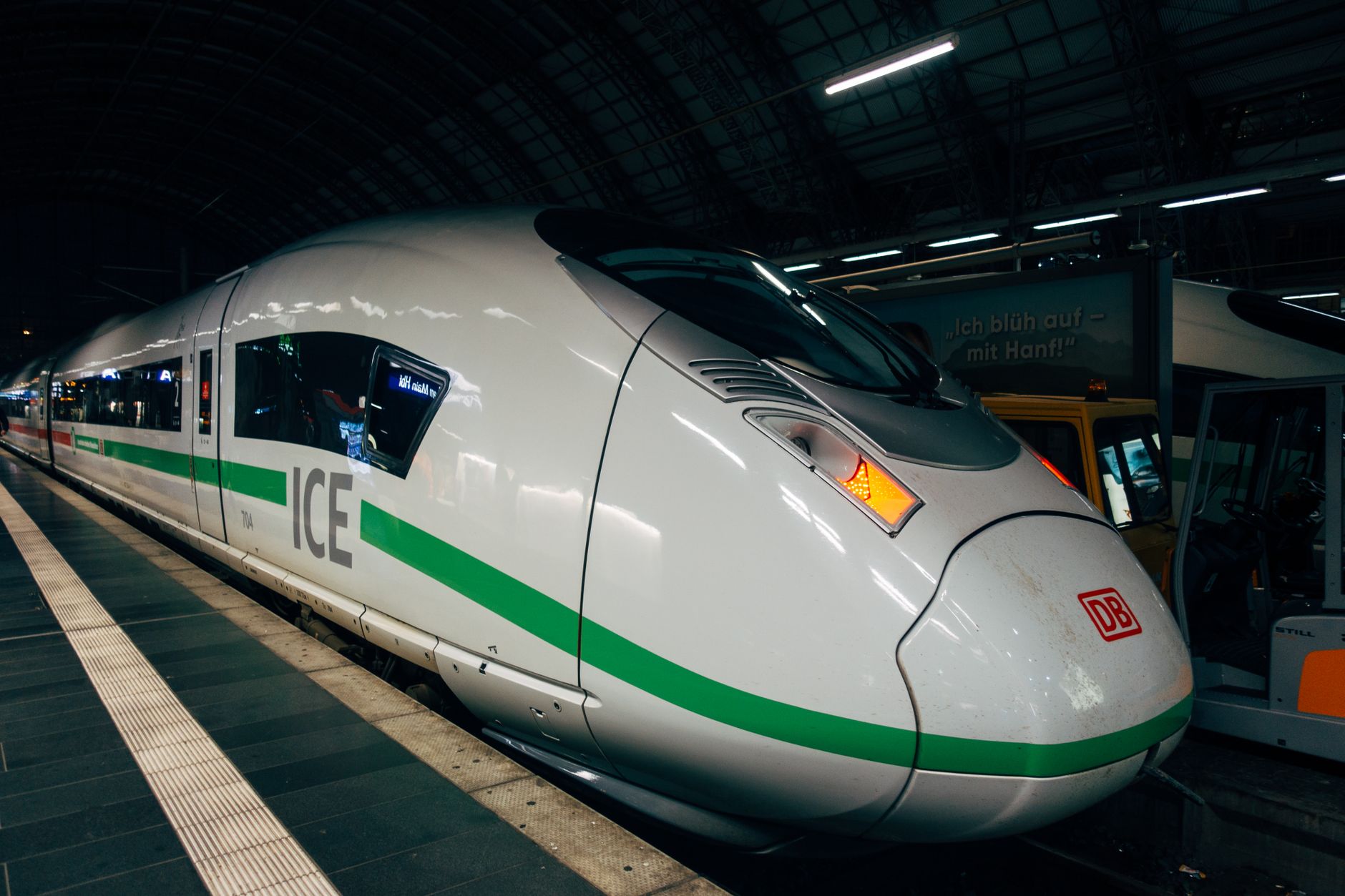
In contrast, Germany and Austria operate an open system. On German ICE or Austrian Railjet trains, reservations are optional. You can board with just your Eurail pass and sit in any unreserved seat. If you want a guaranteed seat during peak hours, you can pay a small €4.90 fee via the Deutsche Bahn (DB) website.
Essential Logistics: Booking Windows and Border Rules
European train operators open their booking windows at different times. Deutsche Bahn (Germany) opens bookings up to six months in advance. SNCF (France) and Trenitalia (Italy) typically open schedules three to four months ahead. If you are travelling in the peak summer months of July and August, you must secure mandatory reservations the week they become available.
Border crossings within the Schengen Area are generally seamless, with trains rolling through without passport checks. However, non-EU nationals should prepare for upcoming administrative changes. The European Union expects to implement the ETIAS pre-travel authorisation system in the last quarter of 2026. This €7 digital waiver will be required for US, UK, Canadian, and Australian citizens entering the Schengen zone. Always check the latest Schengen Visa and ETIAS requirements before booking international routes.
Weather also dictates rail logistics. Summer carriages can get hot, though high-speed trains are heavily air-conditioned. Shoulder seasons (May and September) offer comfortable platform waits with temperatures around 15 to 22°C (59 to 72°F). Winter travel requires buffer time, as heavy snow in the Alps or Scandinavia can delay regional connections.
Top Routes and New 2026 Night Trains
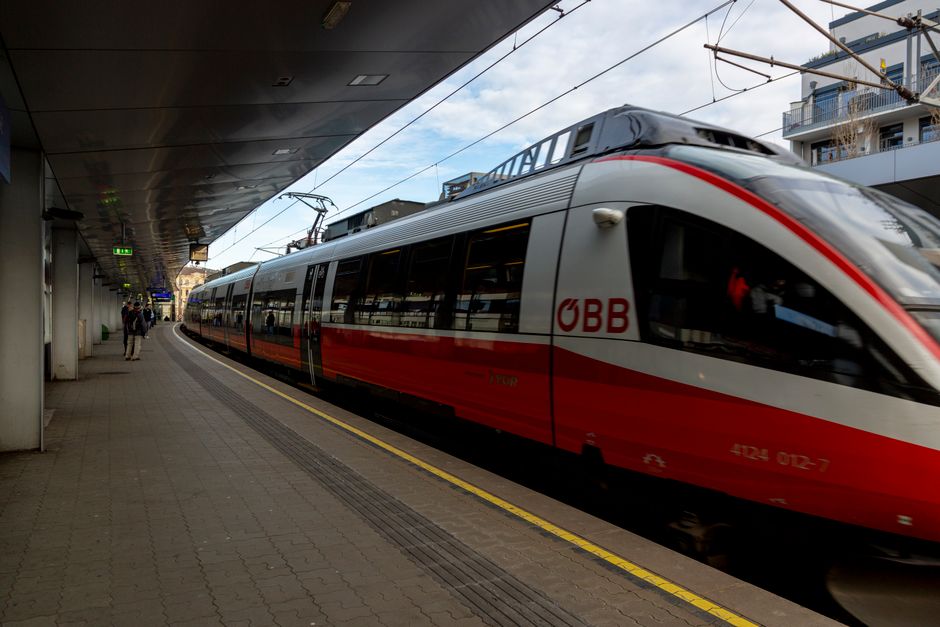
Night trains are experiencing a massive revival across the continent, allowing you to cross borders while saving on hotel costs. The ÖBB Nightjet network leads the industry, introducing next-generation trains throughout 2026 on routes like Vienna to Rome and Munich to Venice. These new carriages feature individual ‘Mini Cabins’ for solo travellers, offering secure, pod-style sleeping quarters, alongside standard couchettes and private sleeper cabins with en-suite showers.
Private operators are also expanding the map. The European Sleeper cooperative launched a direct Paris to Berlin overnight route in March 2026, running three times a week via Brussels. In September 2026, they added a Brussels to Milan route, traversing the spectacular Gotthard Pass through the Swiss Alps right at dawn.
When booking a night train, a standard seat is the cheapest option but rarely results in good sleep. A couchette provides a basic flat bunk in a shared compartment of four to six people, typically costing between $65 and $130 USD. Private sleeper cabins are the premium option, ranging from $150 to $350 USD depending on the route and booking timeframe.
Insider Tips for Station Navigation
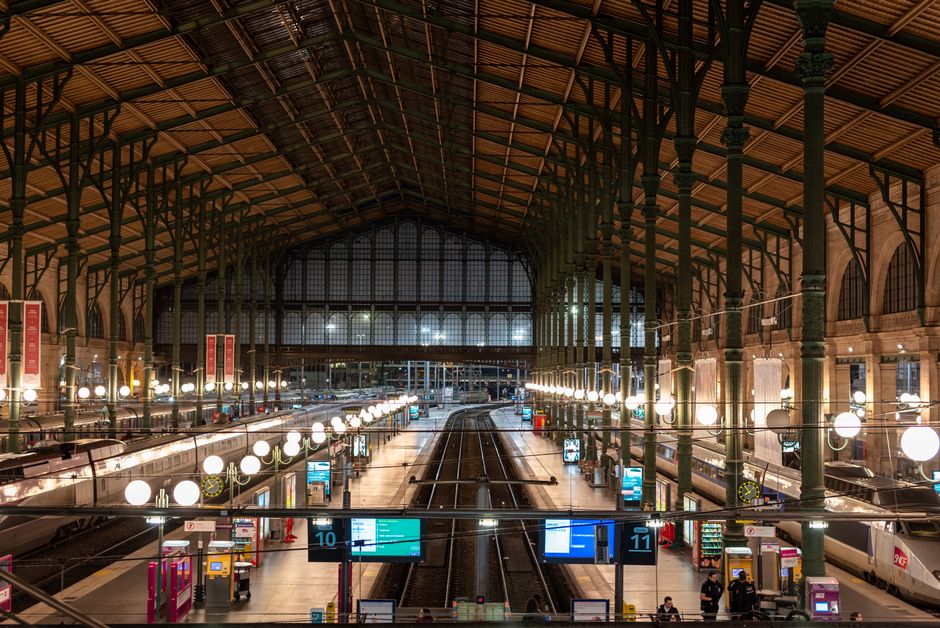
European train stations are massive transit hubs that require situational awareness. Platforms are often not announced until 15 to 20 minutes before departure. In stations like Roma Termini or Paris Gare du Lyon, you must watch the main departure board and move quickly once your platform number appears.
If you are travelling on regional paper tickets in Italy or France, you must validate your ticket in the small machines on the platform before boarding. Failure to stamp the ticket results in immediate fines from the conductor. E-tickets and Eurail mobile passes do not require physical stamping, but you must activate your travel day in the app before boarding.
Luggage limits are rarely enforced by weight, but they are enforced by physics. You must be able to lift your own bags up three steep steps from the platform into the carriage, and hoist them onto overhead racks. Keep your luggage to one carry-on sized suitcase and a small backpack. Aisles are narrow, and blocking them with oversized check-in bags will frustrate locals and conductors alike.
Download the DB Navigator app, regardless of which country you are in. Deutsche Bahn’s app pulls data from almost every rail network in Europe and is the most reliable tool for checking live platform changes, delays, and regional connections across borders.
What to Combine Your Rail Trip With
Rail travel excels at connecting major capitals and secondary cities without the hassle of airport security. If you are planning 2 weeks in Europe, a classic rail itinerary might start in London, take the Eurostar to Paris, catch the European Sleeper to Berlin, and finish with a high-speed ICE train to Munich.
Winter travellers will find the train network particularly useful in Central Europe. Rail is the most efficient way to navigate between the best Christmas markets in Europe. You can easily travel from the massive markets in Cologne down the Rhine Valley to Strasbourg, and across to Stuttgart or Munich, with train stations dropping you directly in the historic city centres where the markets are held.
Plan Your Trip
Start by outlining your exact route and checking the point-to-point ticket prices on official operator websites (like SNCF, Trenitalia, or DB) three months before your departure date. Compare that total against the cost of a Eurail pass plus mandatory reservation fees. Book your long-distance high-speed routes and night trains immediately, leaving regional travel flexible for day-of decisions. Pack light, download the necessary transit apps, and arrive at major stations 30 minutes early to locate your platform.