Building your first Japan itinerary requires balancing the neon-lit streets of Tokyo with the traditional temples of Kyoto. The country offers an overwhelming number of regions to explore, but a well-planned route ensures you spend less time navigating transit and more time eating ramen or walking through historic gardens. Whether you have one week or two, mapping out your daily stops is the key to a smooth trip.
This guide breaks down realistic routes for 7, 10, and 14 days. We focus on the classic “Golden Route” for shorter trips, while expanding into the Japanese Alps and western regions for longer stays. For a broader overview of the country, start with our comprehensive Japan guide, or explore our wider Asia guide for regional context.
Route Map Overview
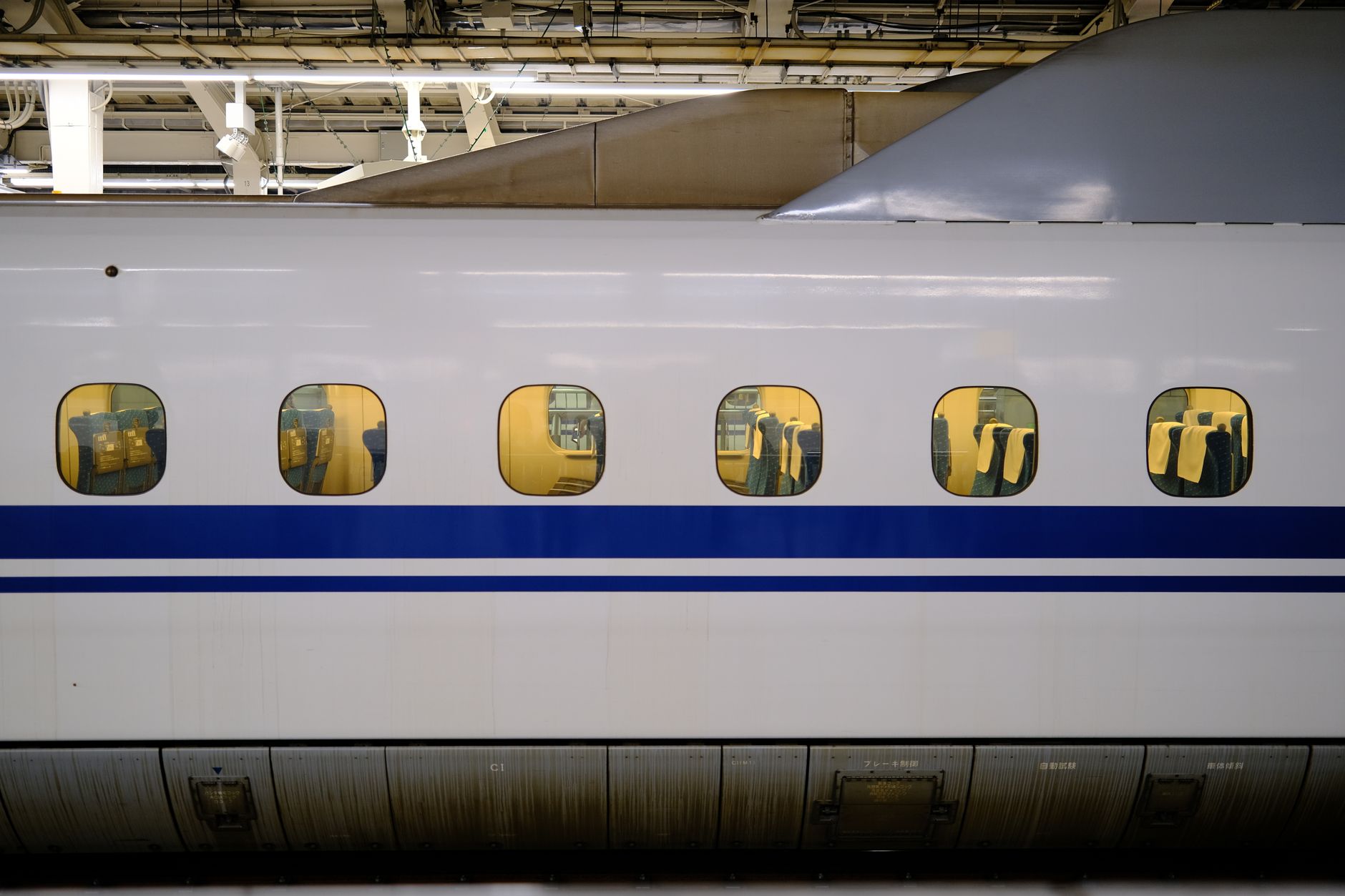
The standard first-time route runs along the Tokaido corridor between Tokyo and Osaka. This 500 km stretch is serviced by the Tokaido Shinkansen, making it incredibly easy to hop between major cities. Most international flights land in Tokyo (Haneda or Narita) or Osaka (Kansai International).
If you are travelling for 7 or 10 days, booking a multi-city flight—arriving in Tokyo and departing from Osaka—saves you a half-day of travel and the cost of a return train ticket. If you must fly in and out of Tokyo, you will need to factor in a 2.5-hour bullet train ride back to the capital at the end of your trip.
7-Day Japan Itinerary: The Golden Route
Seven days is a fast-paced trip, but it is enough time to see the highlights of Tokyo and Kyoto. This 7-day Japan itinerary focuses strictly on the essentials, splitting your time between the modern capital and the cultural heart of the country.
Days 1 to 3: Tokyo
Base yourself in a central neighbourhood on the Yamanote Line, such as Shinjuku, Shibuya, or Ueno. On your first day, recover from jet lag by exploring the immediate area around your hotel. If you stay in Shinjuku, walk through the narrow alleys of Omoide Yokocho for yakitori skewers, or head up to the Tokyo Metropolitan Government Building for free panoramic views of the city.
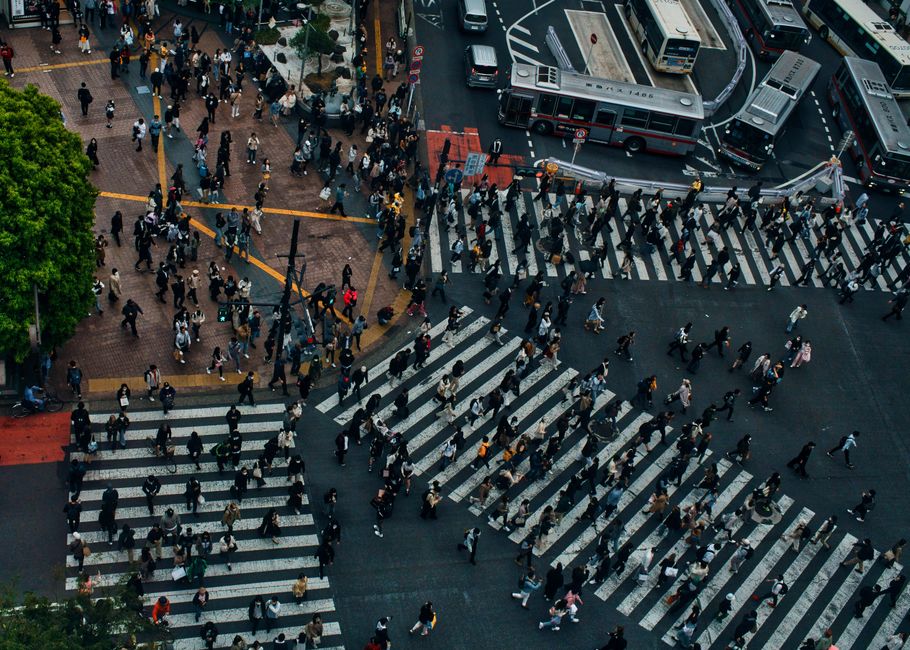
Dedicate your second day to West Tokyo. Start early at Meiji Jingu, a Shinto shrine surrounded by a dense forest right next to Harajuku station. Walk down Takeshita Street to see Tokyo’s youth culture, then continue south to Shibuya. Cross the famous Shibuya Scramble and book tickets in advance for the Shibuya Sky observation deck at sunset.
Spend your third day in East Tokyo. Begin at Senso-ji in Asakusa, Tokyo’s oldest Buddhist temple. Browse the Nakamise shopping street for traditional snacks like ningyo-yaki (sweet red bean cakes). In the afternoon, take the Ginza subway line to Ueno Park to visit the Tokyo National Museum, or head to Akihabara to browse multi-story electronics stores and anime shops.
Days 4 to 5: Kyoto
Take the morning Nozomi Shinkansen from Tokyo to Kyoto (about 2 hours and 15 minutes). Drop your bags at your hotel—staying near Sanjo or Kawaramachi makes getting around easier—and head straight to the Higashiyama district. Walk up the preserved streets of Sannenzaka to Kiyomizu-dera, a wooden temple offering sweeping views over the city. In the evening, walk through Gion, Kyoto’s famous geisha district.
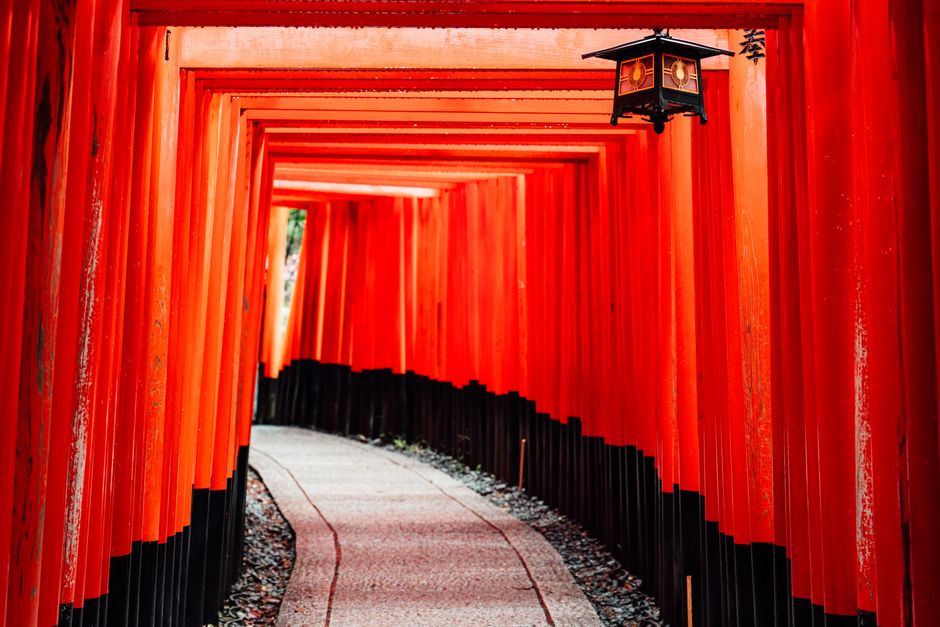
On day five, wake up by 6:30 AM to visit Fushimi Inari Taisha. Arriving early is the only way to walk through the thousands of vermilion torii gates without heavy crowds. By late morning, take the train across the city to Arashiyama. Walk through the Bamboo Grove, visit the zen gardens of Tenryu-ji, and cross the Togetsukyo Bridge.
Day 6: Nara and Osaka
Take a 45-minute local train from Kyoto to Nara. Spend the morning in Nara Park, where hundreds of semi-wild deer roam freely. Walk to Todai-ji to see the 15-metre-tall bronze Great Buddha. After lunch, take the Kintetsu line directly into Osaka’s Namba station.
Spend your afternoon and evening eating your way through Osaka. Walk down the Dotonbori canal, famous for its neon signs and giant mechanical crab displays. Order a plate of takoyaki (octopus balls) and okonomiyaki (savoury cabbage pancakes) from the street vendors. Osaka is known as the nation’s kitchen, so skip a formal sit-down dinner and graze through the Kuromon Ichiba Market and Shinsekai district.
Day 7: Departure
If you booked an open-jaw flight, take the Haruka Express train from Osaka or Kyoto directly to Kansai International Airport (KIX). If your flight departs from Tokyo, take the morning Shinkansen back to Shinagawa or Tokyo Station, then transfer to the Narita Express or Haneda Monorail.
10-Day Japan Itinerary: Adding Hakone and Hiroshima
With 10 days, you can slow down the pace of the 7-day route and add two distinct experiences: a hot spring town with views of Mount Fuji, and the historic city of Hiroshima.
Day 4: Hakone
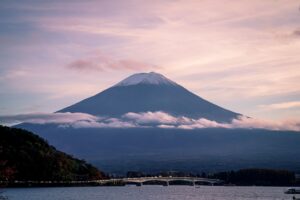
Between Tokyo and Kyoto, stop for one night in Hakone. Take the Romancecar train from Shinjuku to Hakone-Yumoto. Purchase a Hakone Free Pass to ride the mountain railway, cable car, and ropeway up to Owakudani, an active volcanic valley where you can eat eggs boiled in sulfurous waters. Ride the pirate ship across Lake Ashi, hoping for a clear view of Mount Fuji.
Spend the night in a traditional ryokan (inn). You will sleep on tatami mats, eat a multi-course kaiseki dinner, and bathe in thermal waters. Before you go, make sure you understand Onsen Etiquette: How to Use a Japanese Hot Spring, as tattoos are often restricted and bathing suits are not allowed.
Days 8 to 9: Hiroshima and Miyajima
After your time in Kyoto and Osaka, take the Shinkansen west to Hiroshima (about 1.5 hours from Shin-Osaka). Spend the afternoon at the Peace Memorial Park and the Atomic Bomb Dome. The museum is sobering but essential for understanding the city’s history. For dinner, try Hiroshima-style okonomiyaki, which is layered with yakisoba noodles.
The next morning, take the local train and ferry to Miyajima Island. The island is famous for the Itsukushima Shrine and its “floating” torii gate, which appears to sit on the water during high tide. Hike or take the ropeway up Mount Misen for views over the Seto Inland Sea before returning to Osaka for your final night.
14-Day Japan Itinerary: The Complete Circuit
Two weeks is the ideal amount of time for a first trip. It allows you to complete the Golden Route, visit Hiroshima, and venture north into the Japanese Alps. For a highly detailed daily breakdown of this specific route, read our guide to 2 Weeks in Japan: First-Timer Itinerary.
| Days | Destination | Key Activities |
|---|---|---|
| 1 to 4 | Tokyo | Shinjuku, Shibuya, Asakusa, Meiji Jingu, Tsukiji Outer Market |
| 5 | Hakone | Lake Ashi, Owakudani, Ryokan stay, Onsen bathing |
| 6 to 7 | Takayama | Sanmachi Suji historic district, Hida beef, Morning markets |
| 8 to 10 | Kyoto | Fushimi Inari, Kiyomizu-dera, Arashiyama, Kinkaku-ji |
| 11 to 12 | Hiroshima & Miyajima | Peace Memorial Park, Itsukushima Shrine, Mount Misen |
| 13 | Osaka | Dotonbori, Osaka Castle, Shinsekai food tour |
| 14 | Departure | Travel to KIX or return to Tokyo for your flight home |
Adding the Japanese Alps requires taking the Hida Limited Express train from Nagoya up to Takayama. This mountainous region feels entirely different from the coastal cities. The air is cooler, the architecture features heavy wooden beams designed for heavy winter snow, and the local speciality is heavily marbled Hida beef. From Takayama, you can also take a half-day bus trip to Shirakawa-go, a UNESCO World Heritage village known for its steep thatched-roof farmhouses.
Getting Between Your Stops
Japan’s public transport network is incredibly efficient, but it requires a bit of planning to navigate cost-effectively.
The Shinkansen and Rail Passes
The bullet train is the fastest way to travel between Tokyo, Kyoto, Osaka, and Hiroshima. In late 2023, the price of the nationwide rail pass increased by roughly 70%. For a standard 7-day or 10-day trip along the Golden Route, the pass no longer pays off. You are better off buying individual tickets at the station or via the official SmartEX app. To calculate your exact route costs, read our breakdown: Japan Rail Pass: Is It Still Worth It?.
IC Cards
For local subways, buses, and convenience store purchases, you need an IC card (Suica, Pasmo, or Icoca). You tap the card at the ticket gates, and the fare is automatically deducted. Physical cards can sometimes face shortages due to chip supplies, but you can easily add a digital Suica or Pasmo to your smartphone wallet before you arrive.
Luggage Forwarding (Takkyubin)
Navigating crowded train stations with large suitcases is stressful. The Tokaido Shinkansen now requires advance reservations for oversized luggage (suitcases with total dimensions over 160 cm). Instead of hauling bags, use the Yamato Transport luggage forwarding service. For $15 to $25 per bag, you can ship your suitcase from your Tokyo hotel directly to your Kyoto hotel. It usually arrives the next day, allowing you to travel to Hakone or Takayama with just an overnight backpack.
Adjusting for Season and Budget
Your itinerary will look very different depending on the month you travel and the budget you set.
Seasonal Planning
Spring and autumn are the most popular times to visit, offering mild temperatures of 15 to 20°C (59 to 68°F). If you want to see the sakura, timing is everything. The blooms move from south to north, typically hitting Tokyo and Kyoto in late March or early April. Check our guide to Cherry Blossom Season in Japan: Where and When for historical dates.
Summer (June to August) is intensely hot and humid, with temperatures regularly exceeding 30°C (86°F) and high rainfall in June. If you visit in summer, plan indoor activities for the afternoon and focus on evening summer festivals (matsuri). Winter (December to February) is cold and dry in the cities, hovering around 5°C (41°F). It is the best time for clear views of Mount Fuji and skiing in Hokkaido or Nagano. For a month-by-month breakdown, see Best Time to Visit Japan: Weather and Seasons by Region.
Managing Your Budget
Japan is often perceived as wildly expensive, but it caters to all budgets. A weak yen has made the country much more affordable for international visitors in recent years. For a detailed breakdown of daily expenses, read Japan Travel Cost: How Much Does a Trip Cost?.
- Accommodation: Business hotels (like APA, Dormy Inn, or Toyoko Inn) offer clean, compact rooms for $60 to $100 per night. Mid-range western hotels average $150 to $250. A night in a luxury ryokan with meals included will cost $300 to $600+.
- Food: You can eat incredibly well on a budget. Convenience stores (7-Eleven, Lawson, FamilyMart) sell fresh onigiri, bento boxes, and egg sandwiches for under $5. A bowl of ramen or udon at a local shop costs $7 to $12. Mid-range sushi or izakaya dinners range from $30 to $60 per person.
- Attractions: Most temples and shrines cost $3 to $5 to enter. Observation decks and major museums cost $15 to $25.
Plan Your Trip
Before you lock in your flights and hotels, make sure your logistics are in order. First, check your passport validity and read up on Japan Visa and Entry Requirements. Most visitors from the US, UK, and Australia can enter visa-free for up to 90 days, but you should fill out the Visit Japan Web customs forms online before departure to speed up airport processing.
Japan is renowned for its low crime rate, making it an excellent destination for solo travellers and families alike. However, it is still wise to review Is Japan Safe to Visit? Safety Tips for Travellers to understand local emergency numbers and natural disaster protocols (like earthquake alerts). Finally, brush up on local customs—such as not tipping at restaurants and keeping quiet on public transport—by reading our Japan Travel Tips: What to Know Before You Go. With your route mapped and your logistics sorted, you are ready to experience one of the most fascinating countries in the world.