When deciding exactly what to eat in Tokyo, focus on regional specialities like Edomae sushi, shoyu ramen, and Tsukishima monjayaki. The sheer volume of restaurants in the Japanese capital can feel overwhelming, but sticking to specific neighbourhood specialities guarantees an excellent meal. For a broader overview of navigating the city, start with our comprehensive Tokyo guide.
What to Eat in Tokyo: Signature Local Dishes
Tokyo’s culinary history is rooted in the Edo period (1603–1867), which birthed many of the fast, flavourful dishes we associate with Japanese cuisine today.
Edomae Sushi and Sashimi
Edomae refers to the traditional Tokyo style of sushi. Before modern refrigeration, chefs in Edo (historical Tokyo) marinated, cured, or simmered seafood from Tokyo Bay to preserve it, rather than serving it raw. Today, Edomae sushi chefs still use these techniques to enhance flavour, often pairing the fish with rice seasoned with akazu (red vinegar).
You will find excellent sushi across the city, from standing counters near major train stations to high-end omakase counters in Ginza. Expect to pay $15-$30 for a high-quality casual lunch set. Michelin-starred omakase dinners require reservations months in advance and regularly exceed $200 per person.
Shoyu Ramen and Tsukemen
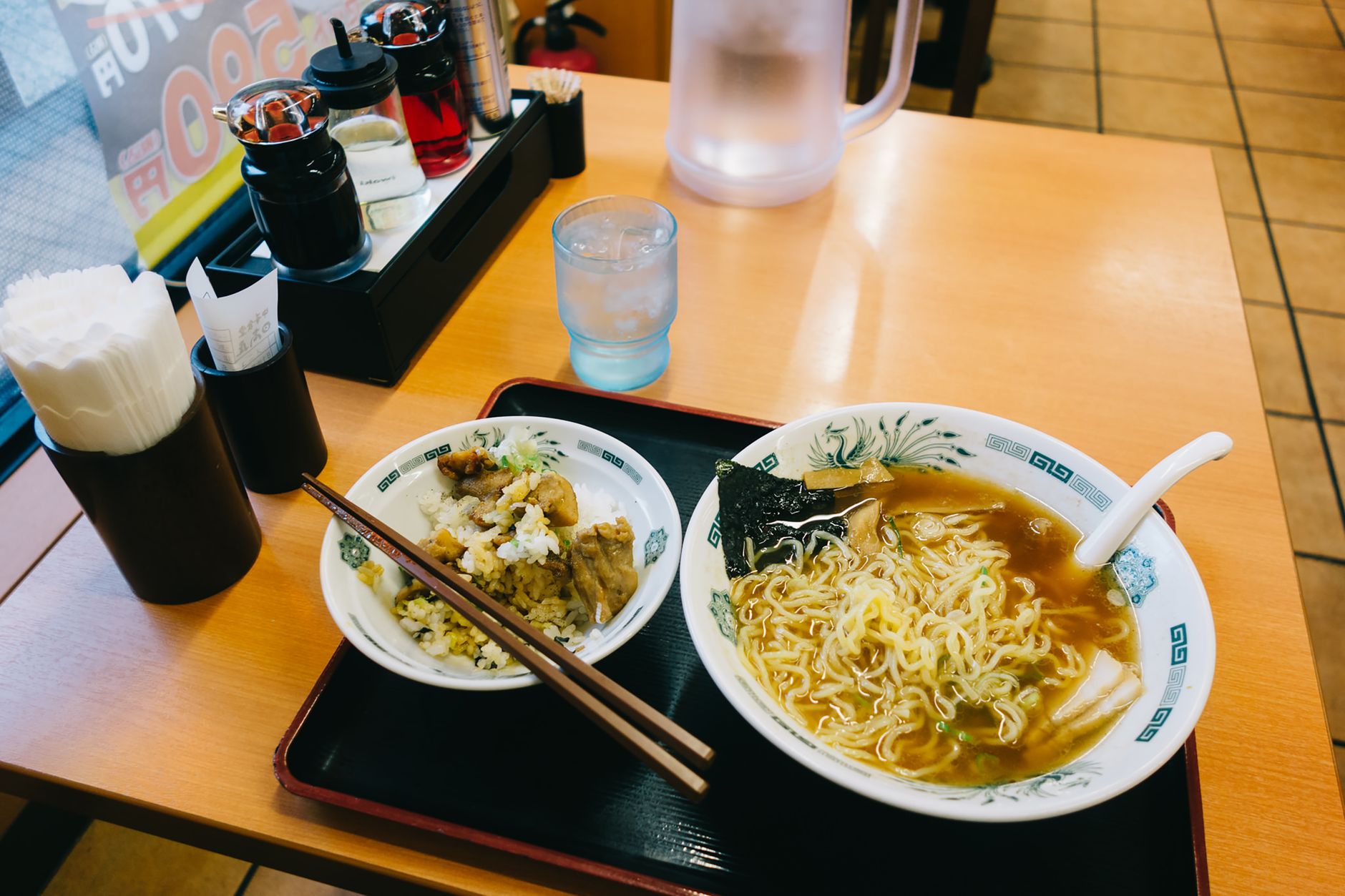
Tokyo is the birthplace of shoyu (soy sauce) ramen. This classic style features a clear, brown broth made from chicken or pork bones and soy sauce, topped with curly noodles, sliced chashu (braised pork), menma (bamboo shoots), and a soft-boiled egg.
Another local variation is tsukemen. Here, cold, thick noodles are served alongside a separate bowl of rich, hot broth for dipping. Rokurinsha, located in Tokyo Station’s underground Ramen Street, is famous for its dense tsukemen broth made from pork and dried fish. Bowls of ramen typically cost between $7 and $12.
Monjayaki
Often compared to Osaka’s okonomiyaki, monjayaki is Tokyo’s native savoury pancake. The batter is much runnier, mixed with dashi and ingredients like finely chopped cabbage, seafood, or pork. It is grilled on an iron plate built directly into your dining table.
You eat it straight off the grill using a tiny metal spatula called a hagashi. To try it, head straight to Tsukishima Monja Street, a dedicated thoroughfare housing over 70 monjayaki restaurants. Meals usually cost $10-$20 per person.
Tempura
Tempura consists of lightly battered and deep-fried seafood and vegetables. In Tokyo, traditional tempura batter uses sesame oil, giving the crust a golden colour and a distinctively rich flavour. You can eat it as a standalone meal, over a bowl of rice as a tendon bowl, or alongside cold soba noodles.
Asakusa is a historic centre for tempura, with many restaurants dating back over a century. A hearty tendon bowl in this neighbourhood will set you back $10-$18.
Yakitori and Izakaya Fare
Yakitori involves bite-sized pieces of chicken skewered on bamboo sticks and grilled over binchotan charcoal. Chefs use every part of the bird, from breast meat (mune) and thigh with spring onion (negima) to cartilage (nankotsu) and minced chicken balls (tsukune).
You can order skewers seasoned with shio (salt) or tare (a sweet soy glaze). It is the ultimate izakaya (Japanese pub) food, best paired with a cold beer or highball. Skewers generally cost $1.50-$3 each.
Tonkatsu
Tonkatsu is a thick pork cutlet, breaded in panko and deep-fried until crisp. It is almost always served with a mountain of finely shredded raw cabbage, rice, miso soup, and a thick, sweet-and-savoury tonkatsu sauce. Look for restaurants serving Kurobuta (Berkshire pork) for the most tender, flavourful cuts. A standard set meal costs $12-$20.
Top Food Markets and Dining Neighbourhoods
Finding great food in Tokyo is often about knowing which neighbourhood to visit for specific dining experiences.
Tsukiji Outer Market
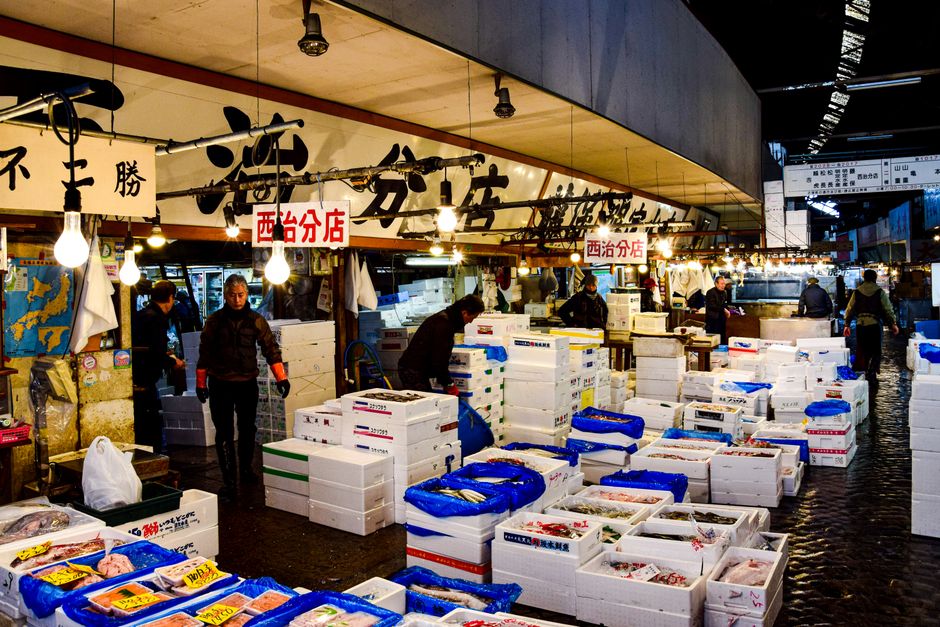
The inner wholesale fish market moved to Toyosu in 2018, but the historic Tsukiji Outer Market remains one of the city’s best food destinations. The narrow streets are packed with stalls selling fresh seafood donburi, tamagoyaki (sweet rolled omelette), wagyu beef skewers, and matcha ice cream. Arrive by 8:00 AM to beat the worst of the crowds. Read our full Tsukiji Outer Market Guide for specific stall recommendations.
Shinjuku and Omoide Yokocho
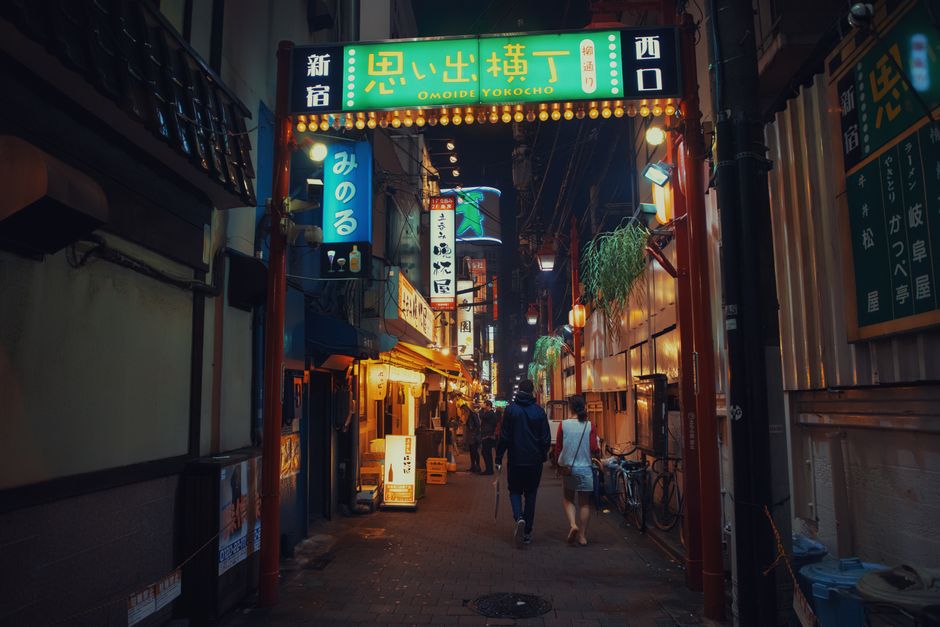
Shinjuku is a massive dining hub, but its most atmospheric spot is Omoide Yokocho (Memory Lane). This narrow alleyway near the station tracks is crammed with tiny, smoke-filled yakitori stalls seating just five or six people. It is loud, cramped, and entirely authentic. Expect to pay a small seating fee (otoshi) of $2-$4, which usually includes a small appetizer.
Shibuya and Harajuku
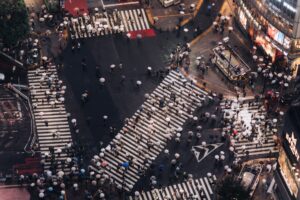
Shibuya offers everything from cheap conveyor-belt sushi to upscale dining. After navigating the famous scramble, grab a meal at one of the many izakayas surrounding the station. If you are exploring the area, check out our guide to Shibuya Crossing and Shibuya Sky. Just a short walk away, Harajuku’s Takeshita Street is famous for extreme street food, particularly sweet crepes loaded with cheesecake, strawberries, and whipped cream.
Ueno and Ameyoko
Ameya-Yokocho (Ameyoko) is a bustling open-air market running along the Yamanote Line tracks south of Ueno Station. It has a gritty, post-war black market history that survives in its chaotic atmosphere. Today, it is an excellent place to find cheap street food like takoyaki (octopus balls), fresh fruit on sticks, and casual seafood rice bowls for under $10.
The Konbini (Convenience Store)
Do not dismiss Tokyo’s convenience stores. 7-Eleven, FamilyMart, and Lawson offer incredibly high-quality, affordable food 24 hours a day. Grab a tamago sando (egg salad sandwich) on fluffy milk bread, a warm onigiri (rice ball) filled with spicy cod roe, or Lawson’s famous Karaage-kun fried chicken nuggets.
Essential Japanese Dining Etiquette
Understanding local customs will make your dining experience much smoother.
Tipping is Not Practised
Tipping is not customary in Japan. If you leave money on the table, the staff will likely chase you down the street to return it, assuming you forgot your change. Excellent service is simply part of the dining culture. Instead of a tip, politely say “gochisosama deshita” (thank you for the meal) when leaving.
How to Order and Pay
Many casual restaurants, particularly ramen shops, use ticket machines located near the entrance. You insert cash, press the button for your meal, and hand the printed ticket to the staff. These machines increasingly accept IC transit cards (like Suica) but rarely take credit cards.
In traditional restaurants, you will often find a call button on the table to summon a waiter. If there is no button, a polite “sumimasen” (excuse me) works perfectly. You almost always pay at the register near the door, not at the table.
Chopstick Rules
Never stick your chopsticks vertically into a bowl of rice, and never pass food directly from your chopsticks to someone else’s. Both actions resemble Japanese funeral rituals. When you are not using your chopsticks, lay them flat across your bowl or on the provided chopstick rest (hashioki).
| English Phrase | Japanese Phrase | Pronunciation |
|---|---|---|
| Excuse me | すみません | Soo-mee-mah-sen |
| Water, please | お水をお願いします | Oh-mee-zoo oh neh-guy shee-mahs |
| English menu, please | 英語のメニューをお願いします | Ay-go no meh-nyoo oh neh-guy shee-mahs |
| Check, please | お会計をお願いします | Oh-kye-kay oh neh-guy shee-mahs |
| Thank you for the meal | ごちそうさまでした | Go-chee-so-sah-mah desh-tah |
Navigating Vegetarian and Dietary Needs
Eating strictly vegetarian or vegan in Tokyo requires planning, but the options are expanding rapidly.
The Dashi Challenge
The main hurdle for vegetarians in Japan is dashi, a ubiquitous fish stock used in everything from miso soup to noodle broths and dipping sauces. Even dishes that appear vegetarian, like vegetable tempura or tofu salads, often contain dashi or bonito (fish) flakes.
Shojin Ryori (Buddhist Cuisine)
For a traditional, naturally vegan meal, seek out Shojin Ryori. This is Buddhist temple cuisine, focusing on seasonal vegetables, tofu, and mountain foraging without any animal products. It is delicate, beautifully presented, and usually found in specialised restaurants or near major temples. Expect to pay $40-$80 for a multi-course Shojin Ryori lunch.
Modern Plant-Based Options
Tokyo’s modern vegan scene is excellent. T’s Tantan, located inside Tokyo Station and Ueno Station, serves entirely vegan ramen with rich sesame broths that rival their meat-based counterparts. Apps like HappyCow are essential for finding dedicated plant-based cafes in modern neighbourhoods like Shimokitazawa and Shibuya.
Plan Your Trip
Food is just one aspect of navigating this massive metropolis. Before you book your flights, review our guide on the Best Time to Visit Tokyo: Month-by-Month Guide to align your trip with seasonal foods and comfortable weather. Summer temperatures regularly exceed 30°C (86°F) with high humidity, making autumn and spring far more pleasant for market hopping.
Choosing the right neighbourhood is crucial for easy access to morning markets and late-night izakayas. Our breakdown of Where to Stay in Tokyo: Best Areas and Hotels will help you find the right base. Once your accommodation is sorted, map out your days using our Tokyo Itinerary: How to Spend 1, 2 or 3 Days.
Between meals, you will want to hit the major sights. Browse our list of the Best Things to Do in Tokyo, and be sure to book tickets well in advance for popular digital art museums. You can read our comparison of teamLab Tokyo: Planets vs Borderless to decide which exhibition suits your schedule.
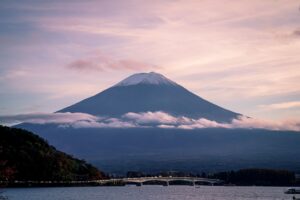
If you have a few extra days, escape the city limits. Check out the Best Day Trips from Tokyo, which includes coastal towns and mountain retreats. A Mount Fuji Day Trip from Tokyo is highly recommended, especially in winter when the air is clear and the peak is visible from 100 km away. Finally, for wider travel across the country, consult our complete Japan guide.