Deciding exactly where to stay in Tokyo can feel overwhelming when you look at the city’s sprawling transit map. With 23 distinct wards and a population of over 14 million, picking the right neighbourhood is the single most important logistical decision of your trip. If you are wondering where to stay in Tokyo, the most practical approach is to anchor yourself near a major station on the JR Yamanote Line. This circular train route connects the city’s primary hubs, saving you hours of transit time. For a complete overview of the city before you choose your base, read our comprehensive Tokyo guide.
Tokyo Neighbourhoods at a Glance
Before diving into specific hotels, here is a quick comparison of the most popular areas to help you narrow down your choices based on your travel style and budget.
| Neighbourhood | The Vibe | Best For |
|---|---|---|
| Shinjuku | Neon lights, busy, endless dining | First-timers, day trips, nightlife |
| Shibuya | Trendy, youthful, fast-paced | Shopping, pop culture, cafes |
| Ginza & Tokyo Station | Upscale, polished, corporate | Luxury, transit, fine dining |
| Asakusa | Traditional, historic, slower-paced | Budget stays, temple views |
| Ueno | Down-to-earth, green spaces | Families, Narita Airport access |
Where to Stay in Tokyo for First-Timers: Shinjuku
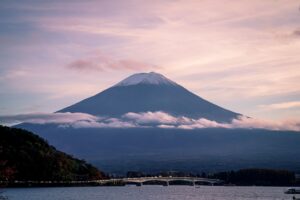
Shinjuku is the undisputed heavyweight of Tokyo neighbourhoods. As the busiest railway station in the world, handling over 3.5 million passengers daily, it offers unmatched connectivity. Staying here means you have direct access to the Narita Express (N’EX), the JR Yamanote Line, and multiple subway lines including the Marunouchi and Oedo lines. It is also the departure point for the Fuji Excursion train and highway buses, making it the perfect base if you are planning the Mount Fuji day trip from Tokyo or other best day trips from Tokyo.
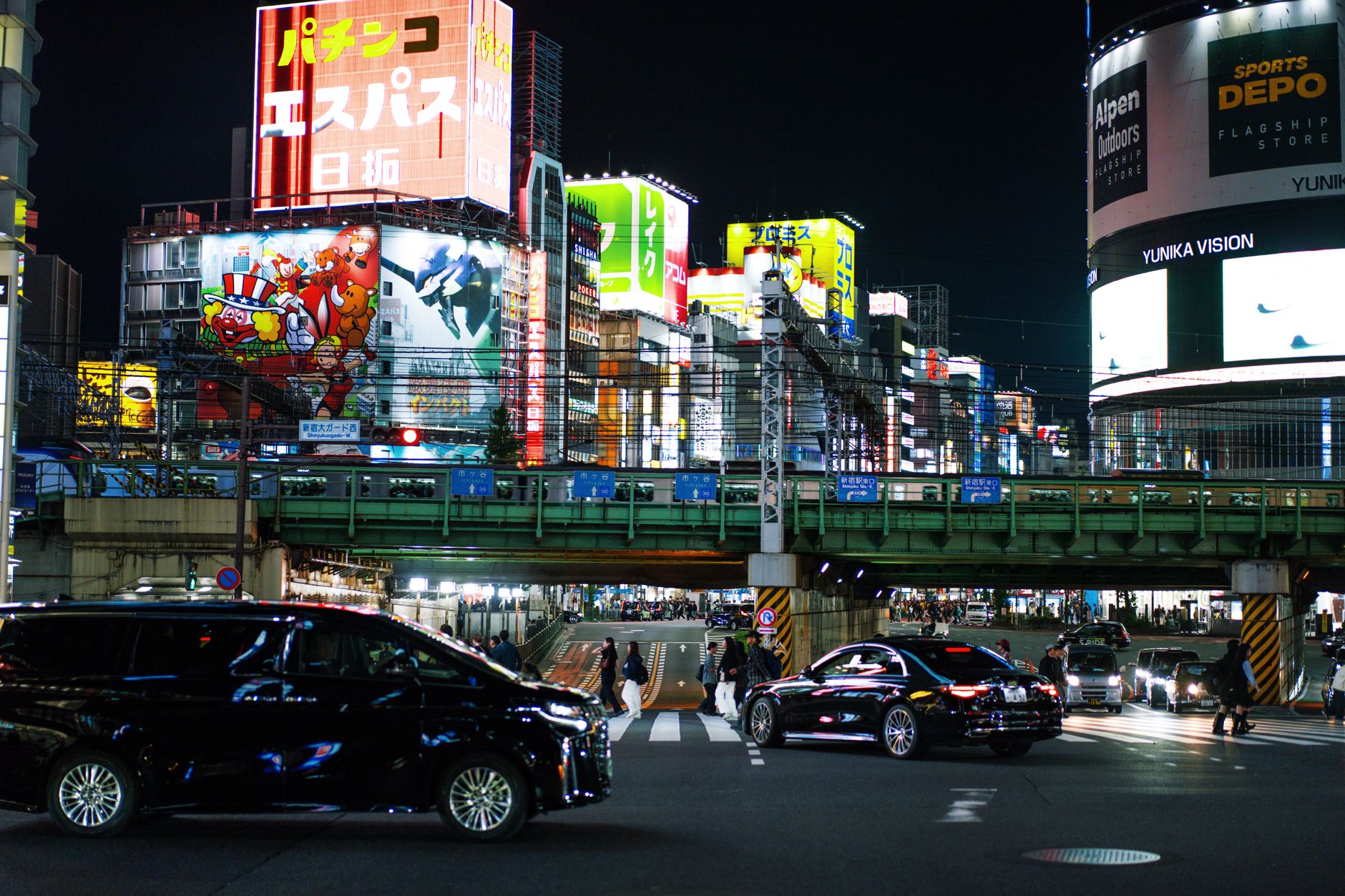
The area is split into two distinct sides. The West Exit is dominated by towering skyscrapers, luxury hotels, and the Tokyo Metropolitan Government Building. It is quieter, with wide pavements and a more corporate atmosphere. The East Exit is where you will find the neon-lit chaos of Kabukicho, the narrow drinking alleys of Golden Gai, and massive department stores like Isetan. First-timers love Shinjuku because it delivers the quintessential, high-energy Tokyo experience right on your doorstep.
However, Shinjuku station itself is a labyrinth. It can take 15 minutes just to walk from one side of the station to the other underground. The sheer volume of people can also be exhausting after a long day of sightseeing, particularly during the humid summer months when temperatures regularly exceed 30°C (86°F).
Best Hotels in Shinjuku
- Luxury ($500+): Park Hyatt Tokyo. Occupying the top 14 floors of the Shinjuku Park Tower, this iconic property offers sweeping views across the Kanto Plain. It is a 15-minute walk from the station, but the hotel runs a complimentary shuttle.
- Mid-Range ($150–$250): Hotel Gracery Shinjuku. Famous for the massive Godzilla head peering over its terrace, this hotel is located right in the centre of Kabukicho. Rooms are compact but modern, placing you steps away from late-night dining.
- Budget ($80–$130): Shinjuku Washington Hotel. Located on the quieter west side, this massive business hotel is connected to Shinjuku Station via an underground walkway. Rooms are very small, but the price and location are hard to beat.
Shibuya: Best for Youth Culture and Shopping
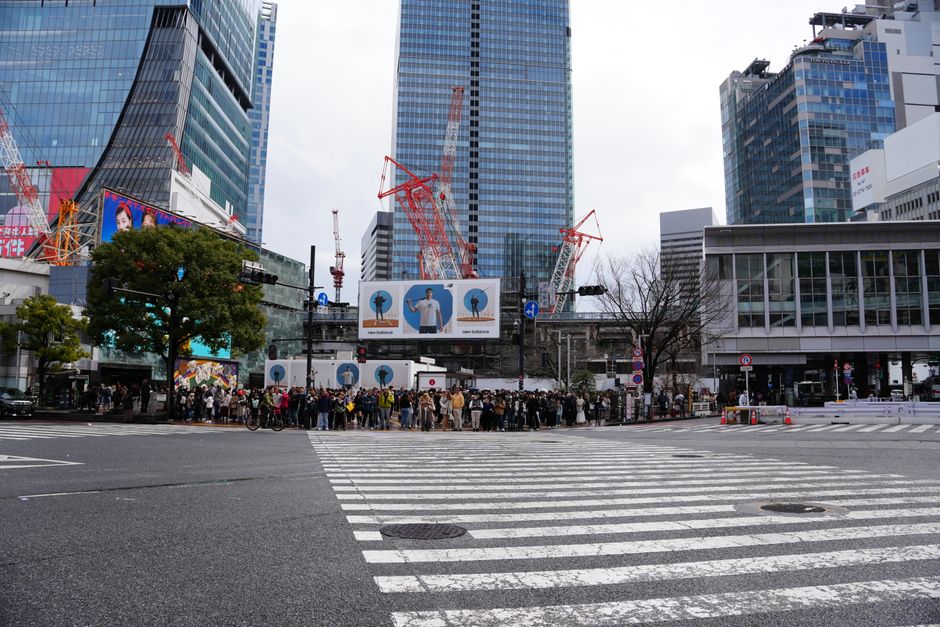
Just three stops south of Shinjuku on the Yamanote Line, Shibuya is the epicentre of Japanese youth culture, fashion, and entertainment. The moment you step out of the Hachiko Exit, you are greeted by the famous scramble crossing and walls of flashing video billboards. If your itinerary heavily features modern fashion, record shopping in Udagawacho, or checking out the Shibuya Crossing and Shibuya Sky observation deck, this is the area for you.
Shibuya has undergone massive redevelopment over the last decade. New complexes like Shibuya Stream and Miyashita Park have added pedestrian-friendly walkways, stylish cafes, and modern retail spaces. Unlike Shinjuku, Shibuya is built in a valley, meaning many of the surrounding streets, like Dogenzaka and Spain-zaka, involve walking up steep hills. This is something to consider if you are travelling with heavy luggage or a pram.
While Shibuya is fantastic for nightlife and dining, it lacks the high concentration of budget business hotels found in other wards. Accommodation here tends to lean towards upper-mid-range and boutique properties.
Best Hotels in Shibuya
- Luxury ($400+): Cerulean Tower Tokyu Hotel. Located just a five-minute walk from the station’s West Exit, this high-rise hotel offers spacious rooms (by Tokyo standards) and excellent views of the scramble crossing from its upper floors.
- Mid-Range ($200–$350): Shibuya Stream Hotel. Directly connected to Shibuya Station, this modern hotel features industrial-chic design and sits above a complex of excellent restaurants lining the revived Shibuya River.
- Budget/Boutique ($120–$180): sequence MIYASHITA PARK. Situated at the northern end of Shibuya, this trendy hotel integrates with the rooftop park. It features smart check-in, late 2:00 PM check-out, and a minimalist design appealing to younger travellers.
Ginza and Tokyo Station: Best for Luxury and Foodies
If you prefer wide, pristine boulevards, high-end shopping, and world-class dining, the area surrounding Tokyo Station and Ginza is the premier choice. Tokyo Station is the terminal for the Shinkansen (bullet train) network. If you are arriving from Kyoto or Osaka and want to drop your bags immediately, staying in Marunouchi (the west side of the station) or Yaesu (the east side) is incredibly convenient.
Just south of Tokyo Station is Ginza, Tokyo’s most famous upscale shopping district. On weekends, the main thoroughfare, Chuo-dori, is closed to traffic, creating a massive pedestrian promenade. The area is packed with flagship designer stores, historic department stores like Mitsukoshi, and some of the city’s finest sushi counters. To help you navigate the local culinary scene, check out our guide on what to eat in Tokyo.
Ginza is also geographically close to the waterfront and fish markets. It is an easy morning walk or a short subway ride if you want to follow our Tsukiji Outer Market Guide for a fresh sashimi breakfast. The downside to this area is the lack of budget dining options late at night, and the atmosphere can feel a bit sterile compared to the neon-soaked streets of the west side.
Best Hotels in Ginza and Tokyo Station
- Luxury ($600+): The Tokyo Station Hotel. Housed inside the historic 1914 red-brick station building, this European-style heritage hotel offers classic elegance and the ultimate transit convenience.
- Mid-Range ($180–$280): Millennium Mitsui Garden Hotel Tokyo. Located steps from the Higashi-Ginza subway station, this sleek property offers modern comforts and easy access to the Kabukiza Theatre.
- Budget ($100–$150): remm Tokyo Kyobashi. A highly efficient business hotel located between Tokyo Station and Ginza. It focuses heavily on sleep quality, featuring custom mattresses and massage chairs in every compact room.
Asakusa: Best for Traditional Atmosphere and Budget Stays
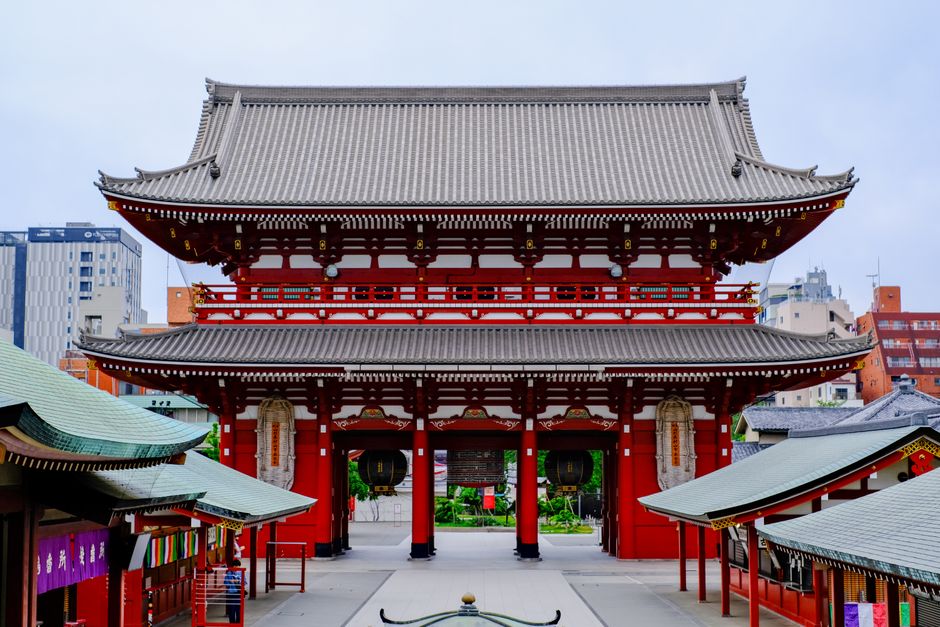
For travellers wondering where to stay in Tokyo on a strict budget, Asakusa is the traditional answer. Located in the city’s northeast, in the area historically known as Shitamachi (the low city), Asakusa retains a distinctly older Tokyo vibe. The neighbourhood is built around Senso-ji, the city’s oldest and most significant Buddhist temple, and the bustling Nakamise shopping street.
Unlike the high-rise districts of the west, Asakusa feels more grounded. You will see rickshaws navigating the streets, traditional craft shops, and izakayas spilling out onto the pavements in the Hoppy Street area. It is heavily pedestrianised and sits right on the Sumida River, offering great views of the Tokyo Skytree, which sits just 1.5 km across the water.
The primary drawback of Asakusa is transport. It is not on the JR Yamanote Line. You will need to rely on the Ginza Line or Asakusa Line subways to cross the city. Getting to western hubs like Shibuya or Shinjuku takes about 30 to 40 minutes, which can add up if you are making the journey daily.
Best Hotels in Asakusa
- Luxury/Upper-Mid ($250+): The Gate Hotel Kaminarimon by Hulic. Located directly opposite the iconic Kaminarimon gate, this stylish hotel features a stunning rooftop terrace exclusively for guests, offering panoramic views of Senso-ji.
- Mid-Range ($120–$180): Richmond Hotel Premier Asakusa. A highly reliable, clean, and spacious (for Tokyo) option located near the Tsukuba Express station. Many rooms offer direct views of the Tokyo Skytree.
- Budget ($60–$100): APA Hotel Asakusa Tawaramachi Ekimae. Part of a ubiquitous Japanese business hotel chain, this property offers tiny but exceptionally clean rooms, an artificial hot spring bath on the top floor, and a location right next to the Ginza Line.
Ueno: Best for Families and Airport Access
Ueno is a fantastic, often overlooked alternative to Asakusa. It shares the same eastern-city, down-to-earth atmosphere but comes with a massive logistical advantage: Ueno Station is a major hub on the JR Yamanote Line and the terminus for the Keisei Skyliner. The Skyliner will whisk you from Narita Airport to Ueno in just 41 minutes, making this an ideal base if you are arriving late or departing early.
Families particularly love Ueno because of Ueno Park, a sprawling green space that houses the Tokyo National Museum, the National Museum of Nature and Science, and Ueno Zoo. Having open space to let children run around is a rare luxury in central Tokyo. Just south of the station is Ameyoko, a chaotic, open-air market street built beneath the train tracks, selling everything from fresh seafood to discount sneakers.
Ueno lacks the polished luxury of Ginza and the cutting-edge fashion of Shibuya, but it makes up for it with affordability, unpretentious dining, and brilliant transport links.
Best Hotels in Ueno
- Mid-Range ($150–$250): Nohga Hotel Ueno Tokyo. A beautifully designed boutique hotel that partners with local artisans. It sits on a quiet street just a few minutes’ walk from the central station and features an excellent ground-floor bistro.
- Budget ($90–$140): Mitsui Garden Hotel Ueno. A solid, comfortable business hotel located right across from the station. It offers themed panda rooms (a nod to the nearby zoo) which are a huge hit with younger children.
Areas to Avoid Staying In
While Tokyo is exceptionally safe, there are a few logistical nightmares and specific pockets you might want to avoid when booking accommodation. First, avoid booking hotels in the far eastern residential wards like Edogawa or Adachi. While the prices look tempting, you will spend over an hour commuting each way to reach central sights, completely negating the financial savings.
Second, if you value a quiet night’s sleep, avoid the deep interior of Kabukicho in Shinjuku and the immediate vicinity of Roppongi Crossing. Both areas are the epicentres of Tokyo’s nightlife. While fun to visit, they are loud, crowded, and heavily populated by aggressive club touts until the early hours of the morning.
Finally, be cautious of booking Airbnbs or unbranded apartments that are more than a 15-minute walk from a train station. After walking 15 to 20 km a day exploring the city, a long trek back to your accommodation from the nearest subway stop will quickly become a regret.
Plan Your Trip
Once you have decided where to stay, booking early is essential. Tokyo’s hotel inventory fills up rapidly, and you should secure your room at least four months in advance. This is especially critical if you are aligning your dates with the best time to visit Tokyo, such as the spring cherry blossom season or the crisp, clear days of autumn.
With your base secured, you can start mapping out your daily activities. If you are short on time, our Tokyo Itinerary: How to Spend 1, 2 or 3 Days will help you group neighbourhoods efficiently so you do not waste time crisscrossing the city. For a broader look at the city’s top sights, browse our guide to the best things to do in Tokyo.
Remember that popular immersive art exhibitions require advance booking. You will need to secure tickets weeks ahead for teamLab Tokyo: Planets vs Borderless, regardless of where you are staying in the city. Finally, if you are using Tokyo as the starting point for a larger adventure across the country, check out our complete Japan guide to start planning your Shinkansen routes to Kyoto, Osaka, and beyond.