If you are planning a trip to Japan, choosing between the two teamLab Tokyo exhibitions is a common dilemma. Planets is a linear, barefoot experience where you wade through knee-deep water, while Borderless is a vast, mapless digital art maze located in Azabudai Hills. Both are incredible, but they offer completely different sensory experiences.
Before you finalise your Tokyo guide research and build your Tokyo Itinerary: How to Spend 1, 2 or 3 Days, you need to understand the logistics of these two massive installations. Showing up at the wrong venue or without an advance ticket will end your visit before it begins.
What is teamLab Tokyo?
Founded in 2001, teamLab is an international, interdisciplinary art collective made up of artists, programmers, engineers, CG animators, mathematicians, and architects. They create immersive digital installations using light, sound, mirrors, and physical space. Instead of looking at framed paintings on a wall, you step completely inside the artwork. The projections react to your physical presence and movement, meaning no two visits are exactly the same.
Currently, there are two major teamLab Tokyo locations: teamLab Planets in Toyosu and teamLab Borderless in Azabudai Hills. While they share a similar futuristic aesthetic and both make for incredible photography, their execution is totally different. If you only have time for one on your Japan guide bucket list, you need to pick the one that fits your travel style.
teamLab Planets vs Borderless: The Core Differences
To help you choose the best fit for your trip, here is a quick breakdown of how the two museums compare.
| Feature | teamLab Planets | teamLab Borderless |
|---|---|---|
| Location | Toyosu (Shin-Toyosu Station) | Azabudai Hills (Kamiyacho Station) |
| Format | Linear, one-way path | Mapless, open exploration |
| Footwear | Barefoot (lockers provided) | Your own walking shoes |
| Physicality | Wading in water, soft floors | Dry, flat walking, some stairs |
| Time Needed | 1.5 to 2 hours | 2.5 to 3.5 hours |
teamLab Planets: The Barefoot Water Experience
Located in the Toyosu waterfront district, teamLab Planets is a highly tactile, sensory journey. You remove your shoes and socks at the entrance, place your belongings in a free locker, and walk through a strict, one-way sequence of rooms. Because the path is linear, it is easier to manage if you get overwhelmed by choices.
The experience is famously physical. You will walk up a ramp with water cascading down towards you, and sink into the “Soft Black Hole”—a room entirely padded with deep beanbags that makes walking deliberately difficult. The most famous installation involves wading through warm water up to your knees while digital koi fish swim around your legs. When the fish bump into you, they burst into digital flowers. These flowers change with the seasons, showing cherry blossoms in spring or autumn leaves in November.
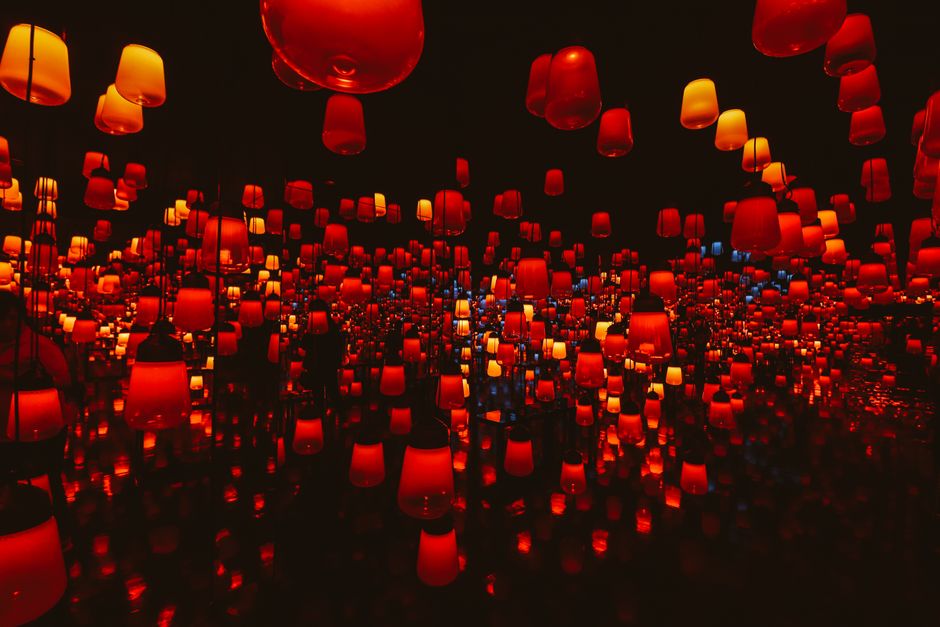
Other highlights include the Infinite Crystal Universe, a dizzying mirrored room hung with thousands of LED lights, and a massive dome where real, living orchids descend from the ceiling. Planets is brilliant for those who want a guided, intensely physical art experience.
teamLab Borderless: The Mapless Digital Maze
teamLab Borderless relocated and reopened in the ultra-modern Azabudai Hills complex in early 2024. True to its name, this museum has no map, no set route, and no boundaries. It is a sprawling, multi-level labyrinth of dark corridors and hidden rooms.
The artworks here are not confined to a single space. Digital butterflies, frogs, and flowers move out of their designated rooms, travel down the hallways, and interact with other projections. You wear your own shoes and stay completely dry. It is incredibly easy to spend three hours here just getting intentionally lost.
A major highlight unique to the Azabudai Hills location is the Bubble Universe, a mirrored room filled with glowing glass spheres that react to your proximity. You can also visit the En Tea House inside the museum. For a small additional fee (around $4 USD), you can order a cup of green tea or yuzu drink and watch digital flowers bloom on the surface of your drink as long as there is liquid left in the cup.
Practical Essentials
Location and How to Get There
Do not mix up the locations—they are on opposite sides of the city. For Planets, take the Yurikamome Line to Shin-Toyosu Station. The Yurikamome is a scenic, driverless transit line that offers fantastic views over Tokyo Bay. From the station, the museum entrance is a one-minute walk away.
For Borderless, take the Hibiya Subway Line to Kamiyacho Station. The station connects directly to the Azabudai Hills complex via an underground passage. Follow the signs for Garden Plaza B, and head down to the B1 floor. Because it is entirely connected underground, Borderless is a brilliant rainy-day activity.
Tickets and Costs
Both venues use a dynamic pricing model. Adult tickets generally range from $26 to $33 USD (¥3,800 to ¥4,800), depending on the day of the week, public holidays, and seasonality. Youth (ages 13–17) and children’s tickets (ages 4–12) are significantly cheaper, and children under three enter for free.
You must book your tickets online via the official website or a trusted partner at least three to four weeks in advance. They operate on strict timed entry slots, and walk-up tickets are almost never available. If you show up hoping to buy a ticket at the door, you will likely be turned away.
Opening Hours and Time Needed
Both museums typically open at 8:30 or 9:00 and close between 21:00 and 22:00. However, you must check the official calendar for your specific date, as hours can shift and both venues occasionally close for scheduled maintenance.
Plan for 1.5 to 2 hours at Planets. The linear route keeps the crowd moving at a steady pace. Borderless requires much more stamina—budget at least 2.5 to 3.5 hours to wander the halls, double back to see how rooms have changed, and find all the hidden installations.
Accessibility is another major difference. Because Planets involves knee-deep water and soft, uneven floors, it is very difficult to navigate with mobility issues, and wheelchairs must bypass several main rooms. Borderless, however, is fully wheelchair accessible, with flat floors and lifts available to bypass the stairs between levels.
Best Time to Visit
The earliest morning slots (8:30 or 9:00) are the best way to avoid the heaviest crowds. If you cannot secure an early morning ticket, late evening slots are your next best bet, as families with young children tend to leave by dinner time.
Because both venues are entirely indoors, they are fantastic year-round. They offer a perfect escape from the intense summer heat—which frequently exceeds 30°C (86°F)—or the biting winter chill. For broader trip planning, check our Best Time to Visit Tokyo: Month-by-Month Guide to align your wider itinerary with pleasant weather.
Insider Tips and Mistakes to Avoid
Visiting either teamLab Tokyo venue requires a bit of specific preparation to keep things comfortable.
- Dress appropriately for Planets: You will wade through water that reaches adult knee height. Wear shorts or trousers that easily roll up above the knee. Tight jeans are a mistake. If you forget, the museum offers free rental shorts in the locker room.
- Beware of mirrored floors: Both venues feature rooms with entirely mirrored floors. If you wear a dress or skirt, be aware of the reflections below you. Both museums offer free wrap skirts if you need one, but wearing shorts underneath is the easiest solution.
- Download the teamLab app: At Borderless, the official app allows you to interact with certain artworks. For example, you can swipe on your phone to trigger specific light patterns and elements in the Crystal Room.
- Prepare for darkness: Borderless is incredibly dark in the transition hallways to make the light art pop. Let your eyes adjust, walk slowly, and keep a close eye on young children so they do not wander off in the gloom.
- Do not bring large bags: Both venues require you to store large backpacks and suitcases in lockers before entering. Travel light, bringing only your phone or camera into the exhibits.
What to Combine It With
Because Planets is in Toyosu, it pairs perfectly with a morning seafood breakfast. Read our Tsukiji Outer Market Guide for the best stalls, then take the short transit ride over to your teamLab slot. Afterwards, you can explore the nearby Odaiba area.
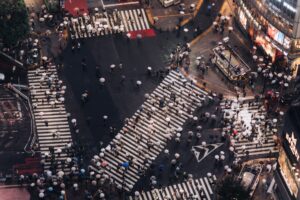
Borderless is in central Tokyo, making it incredibly easy to slot into a busy sightseeing day. You can grab lunch at the upscale Azabudai Hills food hall, walk over to see Tokyo Tower, then head to Roppongi. Alternatively, take a short subway ride to cross off Shibuya Crossing and Shibuya Sky in the late afternoon.
If you are building out your full itinerary, make sure to read our comprehensive guide on the Best Things to Do in Tokyo. You will also need to decide Where to Stay in Tokyo: Best Areas and Hotels based on your transit needs, and figure out What to Eat in Tokyo: Local Food Guide to keep your energy up during long museum days.
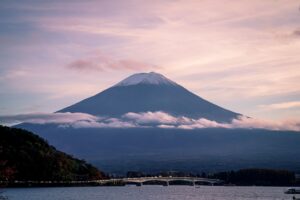
Finally, if you have spare days in your schedule, consider leaving the city entirely. Look into the Best Day Trips from Tokyo, or specifically plan a Mount Fuji Day Trip from Tokyo for a complete change of pace from neon lights and digital art.
Final tips
Always double-check which teamLab ticket you have purchased before navigating there—tourists confusing Toyosu and Azabudai Hills is a daily occurrence. Arrive 15 minutes before your timed entry slot to allow time for the queue and locker storage. Finally, make sure your phone or camera is fully charged before you arrive. You will take more photos and videos here than almost anywhere else in Japan, and you do not want your battery dying halfway through the Infinite Crystal Universe.