When you are planning a trip to Japan’s capital, deciding on the best things to do in Tokyo can feel overwhelming due to the sheer size of the metropolis. Tokyo is not a single city centre, but a massive collection of distinct wards connected by the world’s most extensive rail network. From the historic temples of Asakusa to the neon-lit alleys of Shinjuku, every district offers a completely different atmosphere.
To save hours of transit time, the smartest way to plan your sightseeing is to group activities by area. Start by reading our comprehensive Tokyo guide for a complete overview of the city’s logistics, transport, and culture.
Best Things to Do in Tokyo by Neighbourhood
Before diving into the specific sights, it helps to understand the general layout of the city. The Yamanote Line is a circular train route that connects most of Tokyo’s major hubs. Spending your days exploring adjacent stops on this loop will make your trip significantly smoother.
| Neighbourhood | Best Known For | Vibe |
|---|---|---|
| Shibuya & Harajuku | Youth fashion, massive crossings, shrines | Energetic, crowded, trend-setting |
| Shinjuku | Nightlife, skyscrapers, massive parks | Neon-lit, chaotic, diverse |
| Asakusa & Ueno | Historic temples, street markets, museums | Traditional, nostalgic, relaxed |
| Central (Ginza/Tsukiji) | Luxury shopping, seafood, imperial history | Upscale, orderly, culinary-focused |
| Odaiba & Toyosu | Digital art, modern fish market, bay views | Futuristic, spacious, waterfront |
Shibuya and Harajuku
These two adjacent neighbourhoods dictate youth culture and fashion in Japan. You can easily walk between them in about 20 minutes via the tree-lined Omotesando avenue.
-
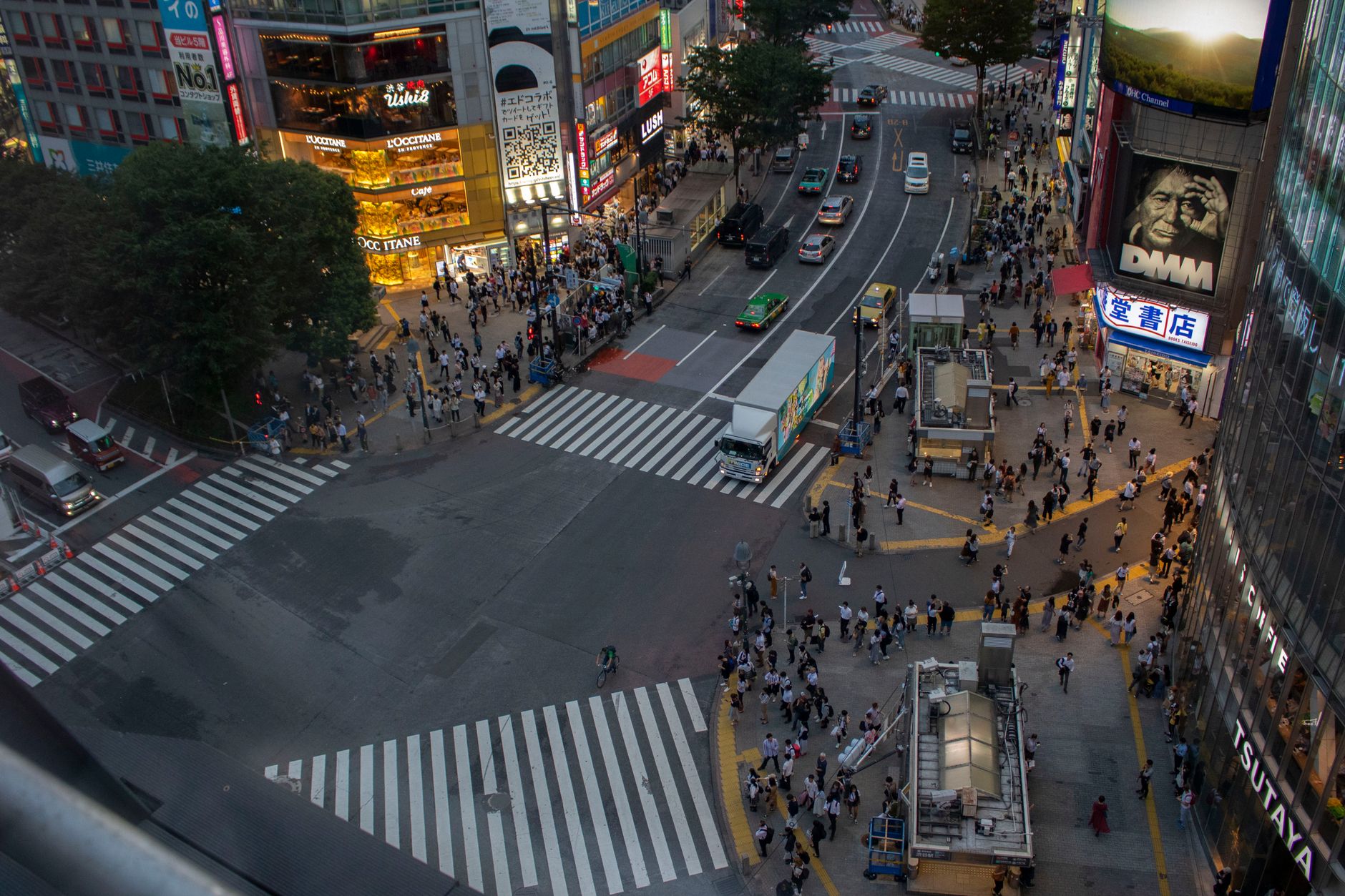
Walk the Shibuya Crossing and view it from Shibuya Sky
What: The world’s busiest pedestrian intersection, where up to 3,000 people cross the street during a single light change. Above it sits Shibuya Sky, a 229-metre-high open-air observation deck on the roof of the Scramble Square building.
Why: Navigating the scramble is the defining modern Tokyo experience. Viewing it from above gives you a true sense of the city’s scale, with 360-degree views that stretch to Mount Fuji on clear days.
Insider tip: Sunset slots for the observation deck sell out weeks in advance. If you want golden hour photos, book your tickets online exactly 28 days before your visit.
Cost: The crossing is free; Shibuya Sky is $15–$18.
Time needed: 2 hours.
Read more: Shibuya Crossing and Shibuya Sky. -
Explore Meiji Jingu Shrine and Yoyogi Park
What: A major Shinto shrine dedicated to Emperor Meiji and Empress Shoken, located in a 70-hectare forest made up of 100,000 trees donated from across Japan.
Why: The shrine offers a striking, peaceful contrast to the sensory overload of the adjacent Harajuku district. The walk down the wide gravel path, past the massive wall of decorative sake barrels, is incredibly atmospheric.
Insider tip: Most tourists enter via the main Harajuku gate. For a quieter experience, enter via the Yoyogi station gate on the northern side of the forest.
Cost: Free (the Inner Garden costs about $3).
Time needed: 1.5 hours. -
Shop along Takeshita Street and Omotesando
What: Two parallel shopping streets offering completely different aesthetics. Takeshita Street is the epicentre of teenage kawaii (cute) culture, packed with crepe stands and vintage shops. Omotesando is a wide, zelkova tree-lined avenue featuring flagship luxury stores and striking modern architecture.
Why: Walking from Takeshita to Omotesando shows the extreme duality of Japanese fashion and consumer culture in the space of just a few blocks.
Insider tip: Skip the animal cafes on Takeshita Street due to ongoing ethical concerns regarding animal welfare. Instead, grab a matcha latte and people-watch at the Tokyu Plaza rooftop garden.
Cost: Free to walk.
Time needed: 2 hours.
Shinjuku
Shinjuku is a massive entertainment, business, and shopping hub. The station itself is the busiest in the world, handling over 3.5 million passengers a day.
-
Wander through Shinjuku Gyoen National Garden
What: A 58-hectare park blending traditional Japanese, English landscape, and French formal garden designs. It originally served as a feudal lord’s residence before becoming an imperial garden.
Why: It is one of the most beautiful green spaces in the city. The traditional Japanese garden features winding ponds, wooden bridges, and a historic teahouse that feels entirely removed from the surrounding skyscrapers.
Insider tip: Alcohol is strictly prohibited, and bags are checked at the entrance gates. It is one of the premier spots for cherry blossoms, so expect long queues in spring.
Cost: $3.50.
Time needed: 2 hours.
Read more: Best Time to Visit Tokyo: Month-by-Month Guide. -
See the city from the Tokyo Metropolitan Government Building
What: The administrative centre of Tokyo features twin observation decks located 202 metres above ground in Shinjuku’s skyscraper district.
Why: It offers panoramic views of the skyline that are completely free of charge. You can easily spot the Tokyo Skytree, Tokyo Tower, and the sprawling urban density of the Kanto plain.
Insider tip: The South Observation Deck closes at 5:30 PM, but the North Observatory stays open until 9:30 PM, making it an excellent spot for free night views of the neon city.
Cost: Free.
Time needed: 1 hour. -
Eat yakitori in Omoide Yokocho
What: A narrow, atmospheric alleyway near Shinjuku Station packed with tiny, smoke-filled food stalls serving skewered meats (yakitori) and cold beer.
Why: Known colloquially as “Memory Lane,” this area retains the gritty, intimate vibe of post-war Tokyo. The stalls usually seat no more than six to eight people, creating a highly social dining environment.
Insider tip: Most stalls charge an “otoshi” (a mandatory seating charge of $2–$4 per person), which includes a small appetizer. Do not linger too long once you finish eating; these stalls rely on high turnover.
Cost: $15–$30 per person for food and drinks.
Time needed: 1.5 hours.
Read more: What to Eat in Tokyo: Local Food Guide.
Asakusa and Ueno
This northeast section of the city, known as “shitamachi” (the lower city), retains a more traditional, historic atmosphere compared to the western wards.
-
Visit Senso-ji Temple and Nakamise Shopping Street
What: Tokyo’s oldest and most significant Buddhist temple, approached via the Kaminarimon (Thunder Gate) and a 250-metre street of traditional snack vendors and souvenir shops.
Why: The temple grounds are visually stunning, featuring a five-story pagoda and a massive main hall. It is the best place in the city to experience traditional Japanese religious architecture and street food like ningyoyaki (sweet bean cakes).
Insider tip: The crowds here can be overwhelming by 10:00 AM. Visit before 8:00 AM to photograph the architecture in peace, or after 8:00 PM when the buildings are illuminated (though the shops will be closed).
Cost: Free.
Time needed: 1.5 hours. -
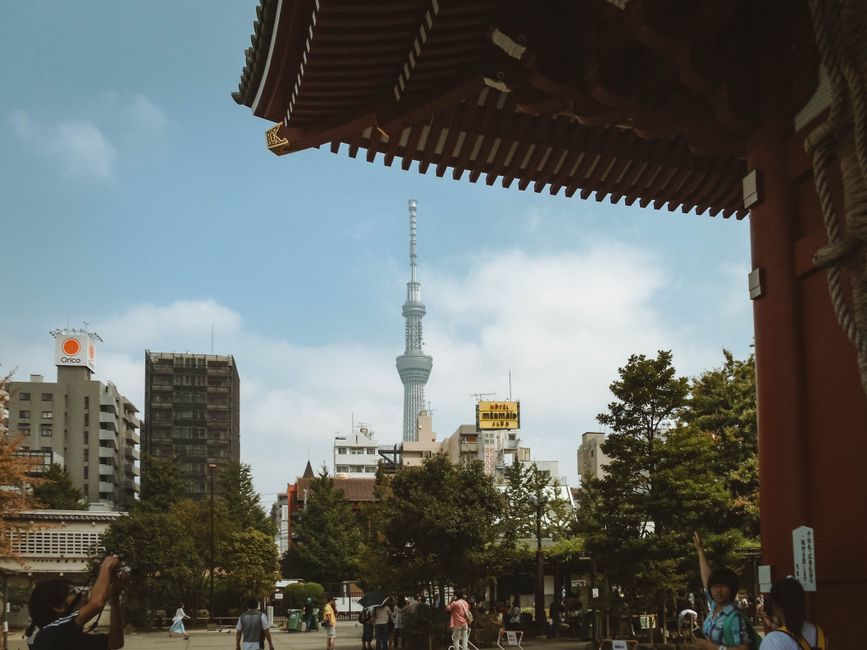
Look down from Tokyo Skytree
What: A 634-metre broadcasting tower located just across the Sumida River from Asakusa, featuring observation decks at 350 and 450 metres.
Why: It is the tallest structure in Japan. The views from the upper Tembo Galleria deck are unmatched, featuring a sloping spiral walkway that makes you feel as though you are floating above the city.
Insider tip: Buy the combo ticket online in advance to skip the lengthy queue at the base. Save time to explore Solamachi, the massive shopping and dining complex at the bottom of the tower.
Cost: $20–$24.
Time needed: 2 hours. -
Browse Ameyoko Market
What: A busy open-air market running beneath the Yamanote train line tracks between Ueno and Okachimachi stations.
Why: Originally a post-war black market for American goods, Ameyoko is now a lively, chaotic strip selling discounted cosmetics, fresh seafood, spices, and cheap street food. It feels wonderfully unpolished compared to the rest of Tokyo.
Insider tip: Bring cash. While most of Japan has embraced digital payments, many of the small vendors and street food stalls here still only accept coins and notes.
Cost: Free to browse.
Time needed: 1 hour.
Central Tokyo (Ginza and Marunouchi)
The heart of Tokyo features wide boulevards, upscale shopping, the Imperial Palace, and the city’s culinary centre.
-
Eat fresh seafood at Tsukiji Outer Market
What: A dense grid of streets hosting over 400 shops selling fresh seafood, produce, kitchenware, and street food.
Why: Although the famous inner wholesale fish market moved to Toyosu in 2018, the outer market remains in its original location. It is still the best place in Tokyo for a morning sushi breakfast, fresh oysters, and tamagoyaki (sweet rolled omelette).
Insider tip: Arrive by 8:00 AM. The area gets incredibly congested by mid-morning, and most stalls sell out of their best items and close by early afternoon.
Cost: $10–$40 depending on what you eat.
Time needed: 2 hours.
Read more: Tsukiji Outer Market Guide. -
Walk the Imperial Palace East Gardens
What: The former site of Edo Castle’s innermost circles of defence, now maintained as a public park adjacent to the current Emperor’s residence.
Why: The gardens offer a look at massive historic stone walls, defensive moats, and meticulously maintained Japanese landscaping right in the middle of the financial district.
Insider tip: The gardens are closed on Mondays and Fridays. You do not need a guided tour to enter the East Gardens, you simply collect a token at the gate and return it when you leave.
Cost: Free.
Time needed: 1.5 hours.
Odaiba, Toyosu and Azabudai
These areas showcase Tokyo’s modern, futuristic side, featuring reclaimed land in Tokyo Bay and cutting-edge urban developments.
-
Immerse yourself in digital art at teamLab
What: Massive, room-scale interactive digital art installations created by an ultra-technologists group. You have two choices: teamLab Planets (in Toyosu) or teamLab Borderless (in the new Azabudai Hills complex).
Why: These are visually spectacular, sensory experiences unlike traditional museums. Planets involves walking barefoot through water and mirrored rooms, while Borderless is a complex, mapless maze of wandering light projections.
Insider tip: If you choose Planets, wear trousers that can easily be rolled up to your knees, as the water in some rooms is quite deep. Skirts are not recommended due to the mirrored floors.
Cost: $25–$30.
Time needed: 2 to 3 hours.
Read more: teamLab Tokyo: Planets vs Borderless. -
See the new Toyosu Market and Senkyaku Banrai
What: The modern wholesale fish market that replaced Tsukiji, and the newly opened (2024) Senkyaku Banrai, an Edo-themed dining and hot spring complex next door.
Why: You can watch the famous early morning tuna auction from observation windows in the market, then walk over to the new complex to eat incredibly fresh seafood in a beautifully designed wooden streetscape.
Insider tip: Viewing the tuna auction from the upper walkway is free and requires no booking, but if you want access to the lower observation deck closer to the action, you must apply for a lottery ticket a full month in advance.
Cost: Market entry is free; dining varies.
Time needed: 2 hours.
How Many Days Do You Need in Tokyo?
Because the city is so vast, you need a minimum of three full days just to scratch the surface. With three days, you can dedicate one day to the west (Shibuya, Harajuku, Shinjuku), one day to the east (Asakusa, Ueno, Akihabara), and one day to the centre and bay area (Tsukiji, Ginza, Toyosu).
However, five days is the ideal amount of time for a first-time visitor. This allows you to travel at a slightly slower pace, account for jet lag, and explore distinct neighbourhoods without rushing. It also gives you a buffer day in case of heavy rain. For a detailed day-by-day breakdown, check out our Tokyo Itinerary: How to Spend 1, 2 or 3 Days.
Your base will also dictate how much you can see. Staying near a Yamanote line station is crucial for efficiency. Review our guide on Where to Stay in Tokyo: Best Areas and Hotels to find the right district for your travel style.
Best Day Trips from Tokyo
If you have more than four days in the city, getting out of the concrete jungle is highly recommended. The rail network makes it incredibly easy to reach the mountains or the coast.
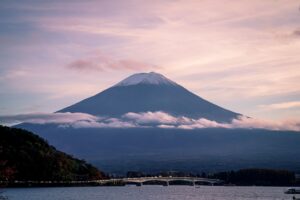
Kamakura, located about an hour south, offers historic Zen temples, a giant bronze Buddha, and coastal views. Nikko, two hours north, features the incredibly ornate Toshogu Shrine set within a dense cedar forest. If you want to see Japan’s most famous peak, taking a Mount Fuji Day Trip from Tokyo to the Fuji Five Lakes region or Hakone is a must-do for clear weather days.
For more ideas and transit logistics, read our full guide to the Best Day Trips from Tokyo, and check our comprehensive Japan guide if you are continuing your travels to Kyoto or Osaka.
Plan Your Trip to Tokyo
Navigating Tokyo is much easier than it looks on a map. Download Google Maps, which provides exact train times, platform numbers, and which specific station exit to use. Exits in Tokyo are numbered and lettered (e.g., A4, B2); always follow the exit sign rather than just walking above ground and trying to find your way.
You will need an IC card (Suica, Pasmo, or ICOCA) to tap in and out of the trains. If you have an iPhone, you can add a digital Suica card directly to your Apple Wallet and top it up with a foreign credit card, which saves you from queuing at ticket machines.
Finally, while Japan has become much more card-friendly in recent years, you still need to carry cash. Small shrines for buying amulets, street food vendors in Ameyoko, and older ramen shops with ticket machines often only accept yen. Bring a coin purse, as the $1 and $3 equivalents in Japan are coins, and you will accumulate them quickly.