Planning a mount fuji day trip from tokyo requires choosing between the Fuji Five Lakes area for direct views or Hakone for hot springs. The journey covers roughly 100 km and takes about two hours each way via direct train or highway bus. Booking transport in advance and checking the weather are the most critical steps for a successful excursion.
Before leaving the city, it helps to understand how this trip fits into your broader travel plans. You can read our comprehensive Tokyo guide and Japan guide for wider context. Because the mountain dictates its own schedule through the weather, flexibility is key. This is widely considered one of the Best Day Trips from Tokyo, provided you know exactly where to go and how to navigate the local transport.
Planning Your Mount Fuji Day Trip from Tokyo
Kawaguchiko vs. Hakone
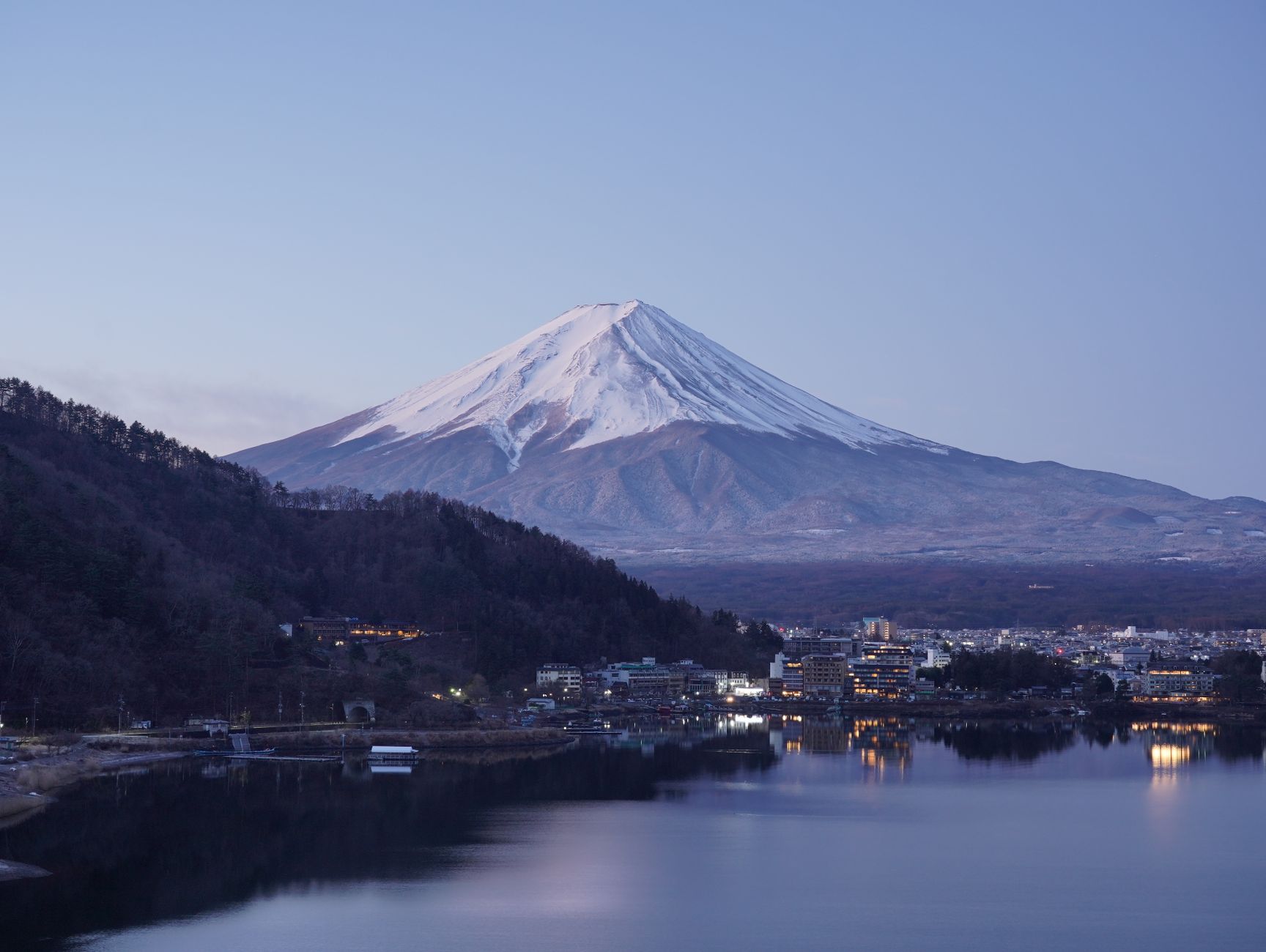
Travellers generally choose between two main base towns for viewing the mountain. Kawaguchiko, part of the Fuji Five Lakes region to the north, offers the classic, unobstructed views you see in most photographs. The town sits directly at the base of the volcano, making it the best choice if your primary goal is seeing the peak.
Hakone, located to the south, is a hot spring resort town. Here, the mountain is part of a wider landscape that includes Lake Ashi and volcanic valleys. Views from Hakone are more distant and frequently obscured by surrounding hills. For a dedicated day trip focused purely on the mountain, Kawaguchiko is the superior and more straightforward destination.
Transport Options: Train vs. Bus
Most direct transport to Kawaguchiko departs from Shinjuku. If you plan to make this trip, review our guide on Where to Stay in Tokyo: Best Areas and Hotels, as staying on the western side of the Yamanote line makes an early morning departure significantly easier.
The Fuji Excursion is a direct limited express train running from JR Shinjuku Station to Kawaguchiko Station. It takes 1 hour and 55 minutes, bypassing the need to transfer at Otsuki. Tickets cost around $27 USD (4,130 JPY) one way. This train is incredibly popular and tickets open exactly 30 days in advance at 10:00 AM JST on the JR East Ekinet website. They often sell out within hours.
Alternatively, highway buses depart from Busta Shinjuku, the large terminal located on the fourth floor of the Newoman complex above the station. The bus takes roughly 1 hour and 45 minutes, though weekend traffic on the Chuo Expressway can easily add an hour to the journey. Bus tickets are cheaper, costing around $14 to $16 USD (2,200 JPY) one way, and can be booked online via Highwaybus.com.
| Transport Method | Departure Point | Travel Time | Estimated Cost (One Way) |
|---|---|---|---|
| Fuji Excursion Train | JR Shinjuku Station | 1h 55m | $27 USD |
| Highway Bus | Busta Shinjuku | 1h 45m (varies with traffic) | $15 USD |
| Shinkansen + Local Bus | Tokyo or Shinagawa Station | 2h 30m+ (via Mishima) | $35+ USD |
Best Time of Year and Day for Visibility
Mount Fuji is notoriously shy, and your chances of seeing it depend heavily on the season. Winter, from December to February, offers the highest probability of clear skies. The cold, crisp air removes much of the atmospheric haze. During these months, daytime temperatures in Kawaguchiko hover around 0°C to 5°C (32°F to 41°F), so heavy layers are essential.
Summer, particularly from June to August, is highly humid. The mountain is frequently hidden behind thick cloud cover for days at a time. Even on clear summer mornings, heat causes moisture to rise, forming clouds around the summit by mid-morning. Summer temperatures are a pleasant 20°C to 25°C (68°F to 77°F), but the visibility trade-off is severe. For more details on seasonal weather, check our Best Time to Visit Tokyo: Month-by-Month Guide.
Regardless of the season, the rule for a mount fuji day trip from tokyo is to arrive early. The clearest views are almost always before 9:00 AM. By midday, clouds often obscure the peak, even if the surrounding sky remains blue.
The Perfect Kawaguchiko Itinerary
8:00 AM: Chureito Pagoda
Start your day by getting off the train at Shimoyoshida Station, which is a few stops before Kawaguchiko. From the station, follow the painted signs on the pavement for about 10 minutes to reach Arakurayama Sengen Park. From the base of the shrine, you must climb 398 stone steps through a cedar forest to reach the observation deck.
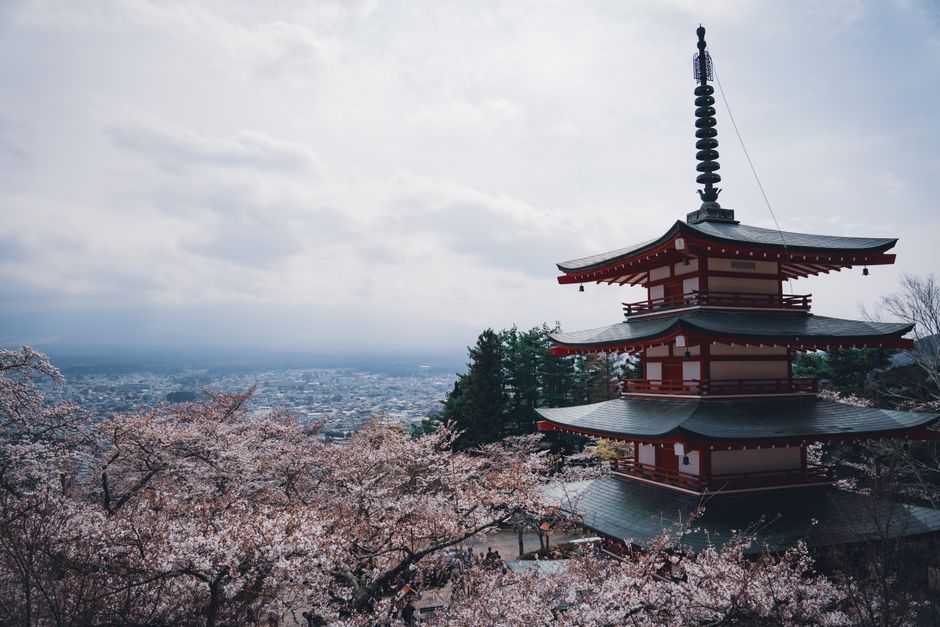
At the top, you will find the Chureito Pagoda, a five-storey vermillion structure built as a peace memorial. The view of the pagoda with Mount Fuji in the background is the most famous photographic spot in the region. Arriving by 8:00 AM helps you beat the tour buses and secure a spot on the viewing deck.
10:30 AM: Cycling the Northern Shores
Walk back to Shimoyoshida Station and take the local Fujikyu Railway to Kawaguchiko Station. The journey takes 15 minutes and costs about $2 USD. Once at Kawaguchiko Station, skip the crowded Red Line sightseeing buses and rent an electric bicycle from one of the shops directly across the road. Full-day rentals cost between $15 and $20 USD.
Cycle across the Kawaguchiko Ohashi Bridge to the northern shore of the lake. The cycling paths here are flat and well-maintained. Head towards Oishi Park, located at the western end of the northern shore. The park features seasonal planting, including lavender in early summer and bright red kochia bushes in autumn, all framing the view of the mountain across the water.
1:30 PM: Local Lunch
You cannot leave the region without trying Houtou noodles, the local Yamanashi prefecture specialty. The most famous place to eat this is Houtou Fudou. They have a striking, cloud-shaped restaurant building designed by architect Takeshi Hosaka on the road leading to the lake, as well as a branch directly across from Kawaguchiko Station.
The dish consists of thick, flat, udon-style noodles served in a heavy iron pot. The broth is a rich miso base filled with pumpkin, cabbage, mushrooms, and seasonal vegetables. A massive, boiling bowl costs around $8 to $10 USD and is incredibly warming, especially during the winter months. If you want to compare this to city dining, read our What to Eat in Tokyo: Local Food Guide.
3:00 PM: Mt. Fuji Panoramic Ropeway
After returning your bicycle, walk 10 minutes from the station to the Mt. Fuji Panoramic Ropeway. The cable car takes just three minutes to ascend Mount Tenjo, reaching an observation area at 1,075 metres above sea level. From the top, you get a sweeping view of the lake below and the mountain directly opposite.
Expect queues for the ropeway, particularly in the mid-afternoon. Tickets cost roughly $6 USD round trip. At the summit, you can buy matcha and dango (sweet rice dumplings) from the small teahouse while taking in the panorama before heading back to the station for your return train or bus.
Insider Tips and Mistakes to Avoid
The biggest mistake travellers make is treating this as a spontaneous trip. Do not turn up at Shinjuku Station expecting to buy a ticket for the next train or bus. Morning departures frequently sell out weeks in advance. If you fail to book, you will be stuck taking slow local trains, which require multiple transfers and turn a two-hour journey into a three-hour ordeal.
Another common error is travelling on a cloudy day. Before you leave your hotel in Tokyo, search online for “Fujigoko TV live camera”. These webcams show real-time views of the mountain. If the screen shows nothing but grey fog, cancel your transport and stay in the city. The town of Kawaguchiko has very little to offer if the mountain is not visible.
Finally, bring cash. While Tokyo is rapidly adopting contactless payments, the Fuji Five Lakes region is still largely cash-based. Local buses, small food vendors, and bicycle rental shops often only accept Yen.
Combining Your Trip with City Sights
A day trip to the mountain will take a full 10 to 12 hours. You will likely be back at Shinjuku Station by 6:00 PM or 7:00 PM, exhausted but with enough evening left for dinner. To see how this fits into a broader schedule, look at our Tokyo Itinerary: How to Spend 1, 2 or 3 Days.
If your Fuji day is rained out, you will need a backup plan. Pivot to indoor activities that are not weather-dependent. A great alternative is exploring digital art; our guide on teamLab Tokyo: Planets vs Borderless will help you choose the best indoor experience.
If you want to see the mountain without dedicating a full day to travel, you can spot it from the city on clear winter mornings. The observation decks in Shibuya offer excellent distant views. Read our guide to Shibuya Crossing and Shibuya Sky for details on booking tickets for the open-air deck.
Because the Fuji trip requires waking up early, you might find your body clock adjusts to morning activities. Use that energy the following day to explore the city’s food markets. Our Tsukiji Outer Market Guide explains the best times to arrive for fresh sushi. For other ideas to fill your remaining days, browse our list of the Best Things to Do in Tokyo.
Plan Your Trip
Success relies heavily on securing your transport exactly 30 days before you intend to travel. Set an alarm for 10:00 AM Japan Standard Time to book the Fuji Excursion train via the JR East website. If the train is sold out, immediately switch to Highwaybus.com and book a bus departing from Busta Shinjuku.
Pack a power bank, as the cold winter temperatures in Kawaguchiko will drain your phone battery much faster than usual. Finally, download offline maps for the Kawaguchiko and Shimoyoshida areas, as mobile reception can occasionally drop out near the lake shores.