Planning a trip to Tokyo, Kyoto, and beyond requires understanding a unique set of logistics. The most important Japan travel tips revolve around setting up your phone for transit, understanding basic etiquette, and booking the right transport passes in advance. Read on for the practical details you need to navigate the country smoothly, whether you are consulting our Japan guide or integrating this trip into a broader Asia guide itinerary.
Essential Japan Travel Tips for Pre-Trip Admin
Your preparation starts before you board your flight. Japan has streamlined its entry process, but you still need to complete a few administrative tasks to avoid delays at the airport.
First, register your details on Visit Japan Web. This official government site allows you to fill out your immigration and customs declarations online. Once completed, the site generates a QR code that you scan at the automated kiosks upon arrival. This replaces the old paper forms and significantly speeds up your exit from the airport. Make sure you understand the Japan Visa and Entry Requirements for your specific passport before booking flights.
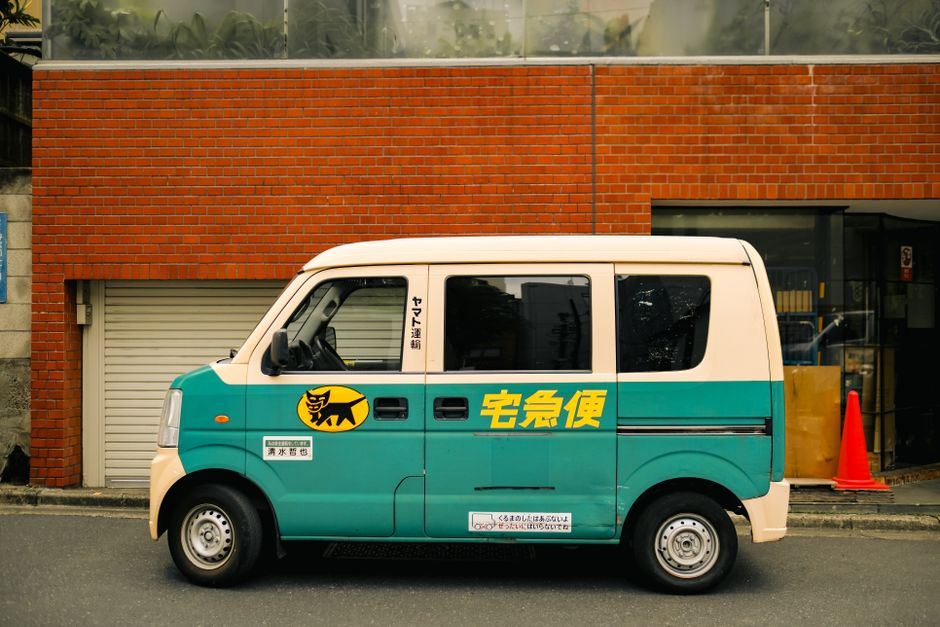
Second, plan your luggage strategy. Dragging large suitcases through crowded stations like Shinjuku or Kyoto is a miserable experience. Instead, use a luggage forwarding service, known locally as Takuhaibin. Yamato Transport (identifiable by its black cat logo) is the most ubiquitous. You can ship your bags directly from the airport to your hotel, or between hotels, usually for $15 to $25 USD per piece. Bags typically arrive the next day, so pack a small overnight bag.
If you must bring large bags on the Shinkansen (bullet train), be aware of the oversized baggage rules. Any suitcase with total dimensions (length + width + height) between 160 cm and 250 cm requires a specific reserved seat at the back of the carriage. If you board without this reservation, you will be fined and your bag will be moved.
Money, Connectivity, and Essential Apps
Japan was traditionally a cash-heavy society, but card acceptance has expanded massively in recent years. You can use credit cards at hotels, convenience stores (konbini), department stores, and most mid-range to high-end restaurants.
However, you still need physical Japanese Yen. Small local ramen shops, rural ryokans, temple entrance fees, and street food stalls often only accept cash. The best way to get Yen is to withdraw it from an ATM once you arrive. The ATMs inside 7-Eleven, FamilyMart, and Lawson convenience stores are reliable, offer English menus, and accept international debit cards. Read our guide on Japan Travel Cost: How Much Does a Trip Cost? to help budget your daily cash needs.
Getting Connected
Free public Wi-Fi in Japan is unreliable and often requires navigating Japanese login screens. You need a continuous data connection for maps and translation. If your smartphone is unlocked and supports eSIM technology, installing an eSIM from providers like Ubigi, Airalo, or Holafly before you leave home is the most efficient method. Alternatively, you can rent a pocket Wi-Fi router at the airport, which is useful if you are travelling in a group and want to share one connection.
Apps to Download
- Google Maps: Essential for transit. In Japan, Google Maps tells you exactly which platform your train leaves from, which carriage to board for the fastest transfer, and which exit to use. Station exits are numbered (e.g., A1, B3) and taking the wrong one can leave you blocks away from your destination.
- Navitime: A highly accurate transit app that allows you to filter routes based on specific rail passes, ensuring you do not accidentally board a train you are not covered for.
- Google Translate: Download the Japanese language pack for offline use. The camera feature is invaluable for translating menus, air conditioning remotes, and washing machine buttons.
Transport Tips: Navigating Trains and City Transit
The Japanese rail network is punctual, clean, and extensive, but it is run by dozens of different private companies alongside the Japan Railways (JR) group.
For city transit, you need an IC Card. These are rechargeable smart cards used to tap in and out of train stations, buses, and even to pay for items at convenience stores and vending machines. The most common are Suica and Pasmo (in the Tokyo area) and ICOCA (in the Kansai area like Osaka and Kyoto), but they are fully interchangeable across the country.
If you have an iPhone, you can add a digital Suica, Pasmo, or ICOCA directly to your Apple Wallet and top it up using Apple Pay. This is the easiest method by far. If you use an Android phone purchased outside of Japan, you will likely need a physical card. Due to chip shortages, standard physical cards are currently restricted, but tourists can buy a Welcome Suica or Pasmo Passport at major airports, which are valid for 28 days.
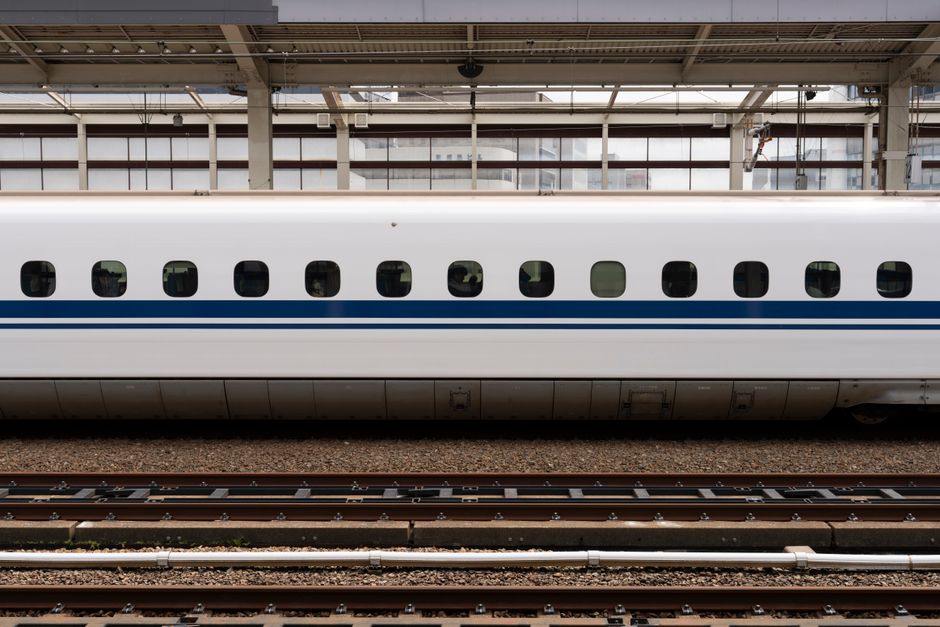
When travelling long distances, you will use the Shinkansen. The nationwide JR Pass used to be an automatic purchase for tourists, but a massive price increase in October 2023 changed the math. Now, individual tickets or regional passes are often cheaper. We break down the math in our guide: Japan Rail Pass: Is It Still Worth It?.
To plan your route, look at our Japan Itinerary: 7, 10 and 14 Days. When waiting for a train, look at the ground on the platform. You will see painted lines and numbers indicating exactly where the doors will open. Line up neatly behind these markers; pushing onto a train is considered highly rude.
Etiquette Dos and Don’ts
Japanese culture places a high value on social harmony and respect for others. Following basic etiquette will make your trip much smoother.
- Do not tip: Tipping is not practiced in Japan. If you leave money on a table at a restaurant, the staff will likely chase you down the street thinking you forgot your change. Excellent service is simply part of the standard price.
- Take your shoes off indoors: When entering a traditional home, a ryokan (inn), temple, and even some restaurants, you must remove your shoes. You will step into a sunken entryway called a genkan. Leave your shoes pointing toward the door and step up into the main room, usually putting on provided slippers. Never wear slippers onto tatami mats; walk on tatami in socks only.
- Keep quiet on public transport: Trains and buses are quiet spaces. Do not talk loudly, and always set your phone to silent mode (referred to in Japan as “manner mode”). Taking phone calls on local trains is a major faux pas.
- Carry your rubbish: Public trash cans were largely removed from Japanese streets following a domestic terror incident in the 1990s. You are expected to carry your rubbish with you until you return to your hotel or find a bin inside a convenience store. Bring a small plastic bag in your daypack for this purpose.
If you plan to visit a hot spring, the rules are very strict regarding washing before entering the water and covering tattoos. Read our full guide on Onsen Etiquette: How to Use a Japanese Hot Spring. Regarding general security, the country is incredibly secure, but you should still review Is Japan Safe to Visit? Safety Tips for Travellers for peace of mind.
Seasonal Planning and Booking Timelines
Japan experiences four distinct seasons, and the weather dramatically impacts crowds and logistics. Summers (June to August) are brutally hot and humid, with temperatures regularly exceeding 35°C (95°F). Winters are cold, especially in the Japanese Alps and Hokkaido, which receive massive snowfall.
Spring and autumn are the most popular times to visit, but they require booking accommodations six to nine months in advance. Review our guide on the Best Time to Visit Japan: Weather and Seasons by Region, and if you are chasing the blooms, bookmark our tracker for Cherry Blossom Season in Japan: Where and When.
You must also adhere to strict booking timelines for activities and transit. Use this table as a baseline:
| Service / Activity | When to Book | Notes |
|---|---|---|
| Shinkansen Tickets | 30 days in advance | Essential for routes like Tokyo to Kyoto during holidays or if you need oversized baggage seats. |
| Theme Parks (USJ, Disney) | 60 days in advance | Tickets for Universal Studios Japan and Tokyo Disney sell out rapidly. |
| High-End Dining | 2 to 3 months in advance | Omakase sushi and Michelin-starred venues require reservations via hotel concierges or booking sites like TableAll. |
| Ghibli Museum | 10th of the previous month | Tickets go on sale at 10:00 AM JST and sell out within hours. |
Common Mistakes First-Timers Make
Even well-prepared travellers can stumble. One of the biggest mistakes is overpacking. Japanese hotel rooms, especially in business hotels in Tokyo, are notoriously small. You will struggle to open two large suitcases simultaneously. Furthermore, many smaller train stations only have stairs, making heavy bags a physical burden.
Another common error is tunnel vision regarding the “Golden Route” (Tokyo, Kyoto, Osaka, Hiroshima). While these cities are incredible, they are also the most crowded. If you are building a 2 Weeks in Japan: First-Timer Itinerary, try to include at least one secondary destination, such as Kanazawa, Takayama, or the Kiso Valley, to experience a quieter side of the country.
First-timers also frequently underestimate the physical toll of a Japan trip. You will likely walk 15 to 20 km (10 to 12 miles) a day navigating massive station complexes and sprawling temple grounds. Bring broken-in, highly supportive walking shoes. Finally, remember to carry a coin purse. The 100-yen and 500-yen coins stack up quickly in your pockets, and you will need them for vending machines and lockers.
Plan Your Trip
Japan rewards meticulous planning. By setting up your IC card on your phone, mapping out your Shinkansen journeys, and understanding the basic rules of etiquette, you eliminate the friction of daily logistics. Focus on booking your core accommodations and high-priority tickets first, and leave enough flexibility in your daily schedule to wander down a lantern-lit alleyway or spend an extra hour at a serene temple.