If you are planning your first trip to East Asia, a Japan 2 week itinerary is the perfect introduction. Fourteen days gives you exactly enough time to ride the Shinkansen down the classic Golden Route, taking in the neon energy of Tokyo, the historic temples of Kyoto, and the street food stalls of Osaka, with a few days left for Mount Fuji or Hiroshima. This guide breaks down exactly where to spend your days, how to navigate the 2026 transport updates, and the practical logistics you need to book before you fly.
Planning Your Japan 2 Week Itinerary: The Essentials
Before you map out daily sightseeing, get your logistics locked in. Japan is highly organised, but it rewards those who book ahead.
When to go: Spring (March to May) and autumn (September to November) offer the most comfortable weather, with temperatures hovering around 15–20°C (59–68°F). If you are chasing the spring blooms, read our guide to Cherry Blossom Season in Japan: Where and When. To compare regional climates, check our breakdown of the Best Time to Visit Japan: Weather and Seasons by Region.
Visas: Most travellers from the US, UK, and Australia can enter visa-free for up to 90 days. You should complete your digital customs and immigration forms on the Visit Japan Web portal before your flight to generate a QR code for the border agents. For full details, see our Japan Visa and Entry Requirements.
Costs: The exchange rate has made Japan significantly more affordable for Western travellers in recent years. A mid-range trip typically costs between $150 to $250 USD per person per day, covering 3-star business hotels, local transport, and meals. Dive into the exact numbers in Japan Travel Cost: How Much Does a Trip Cost?.
Safety: Violent crime is exceptionally rare, and petty theft is uncommon. You can comfortably walk through major cities at night, and it is entirely normal to see locals leaving their phones on cafe tables to reserve a seat. For specific emergency numbers and advice, read Is Japan Safe to Visit? Safety Tips for Travellers.
Transport: Getting Around on a Japan 2 Week Itinerary
Navigating Japanese public transport is straightforward once you understand a few key systems.
The Shinkansen (Bullet Train):
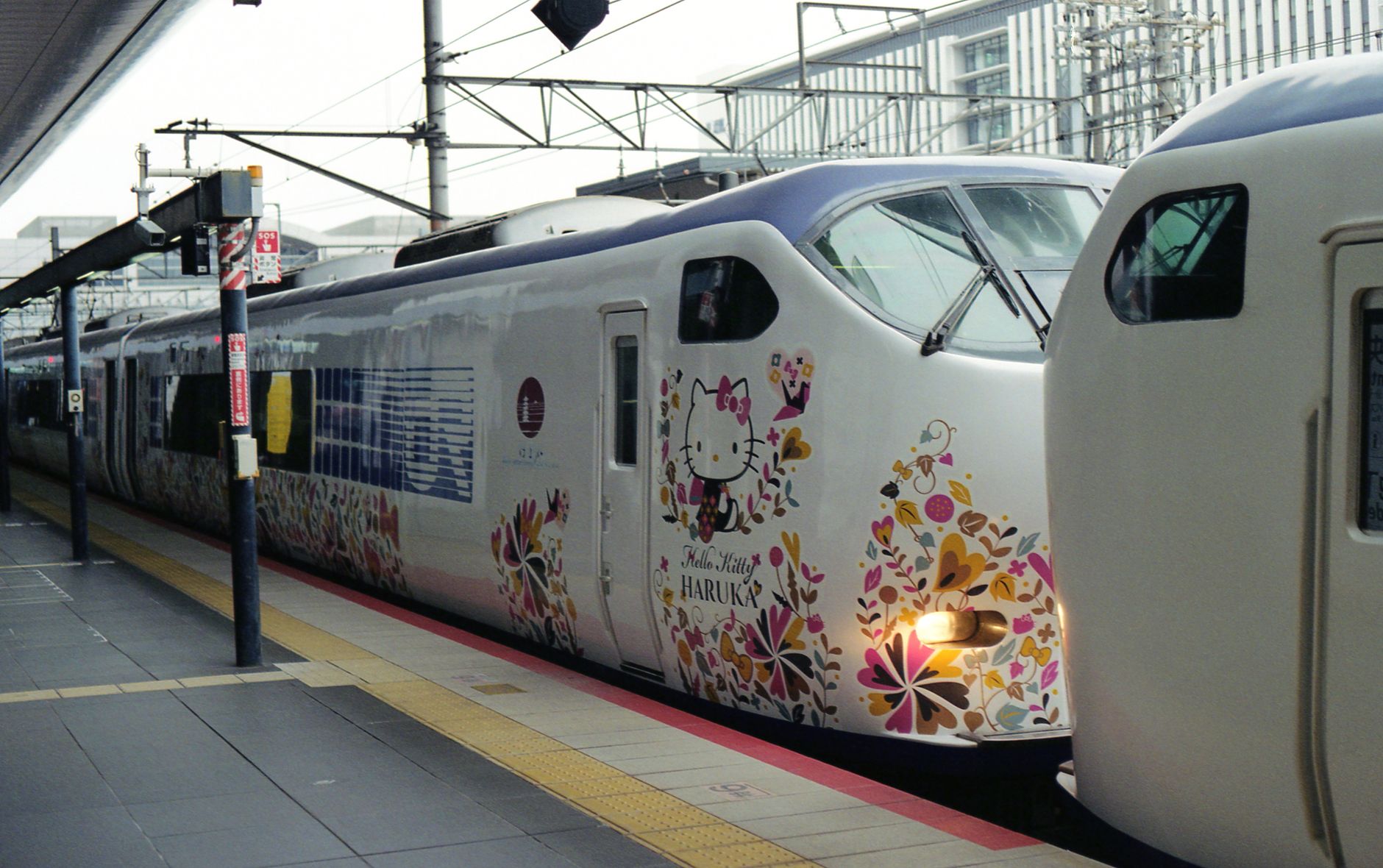
For decades, tourists blindly bought a national rail pass. Following a massive price hike (a 7-day pass now costs upwards of 50,000 JPY / ~$335 USD), it rarely pays off for a standard Tokyo-Kyoto-Osaka route. You are usually better off buying individual Shinkansen tickets via the SmartEX app. We break down the maths in Japan Rail Pass: Is It Still Worth It?. Note that if you bring oversized luggage (total dimensions over 160 cm) on the bullet train, you must reserve a specific baggage seat in advance or face a fine.
IC Cards:
For local subways and buses, set up a digital Suica or PASMO card in your smartphone’s wallet before you arrive. You simply tap your phone at the ticket barriers. Physical cards are still available at major airports, but the digital version saves you from queuing at ticket machines.
The Perfect 14-Day Japan Itinerary
This route follows the popular Golden Route but paces it out so you are not changing hotels every single night. If you have less or more time, check our alternative Japan Itinerary: 7, 10 and 14 Days.
Days 1–4: Tokyo (The Neon Metropolis)
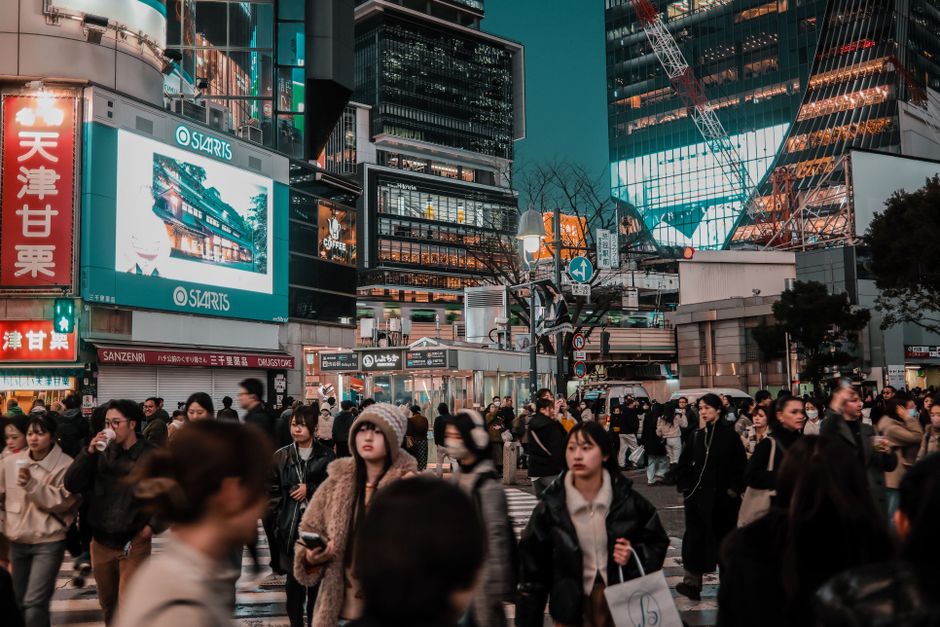
Start in the capital. Tokyo is not a single city centre but a sprawling collection of distinct neighbourhoods. Spend your first day fighting jet lag in the neon-lit streets of Shinjuku and Shibuya. Walk the famous Shibuya Crossing, explore the tranquil forested grounds of Meiji Shrine, and head up to the Shibuya Sky observation deck at sunset. For dinner, squeeze into a tiny yakitori (grilled chicken) stall in Shinjuku’s Omoide Yokocho.
Dedicate your second day to history in Asakusa, home to the 7th-century Senso-ji Temple. Arrive by 8:00 AM to photograph the giant red lantern at the Kaminarimon Gate without the crowds. Afterwards, take the subway to Ueno Park to visit the Tokyo National Museum, or head to Akihabara for multi-storey electronics stores and arcade culture.
On day three, head to the Tsukiji Outer Market early for a breakfast of fresh sushi and tamagoyaki (rolled omelette). Book tickets well in advance for the immersive digital art museum, teamLab Borderless, which recently relocated to the modern Azabudai Hills complex. Spend your afternoon exploring the high-end boutiques and sleek architecture of Ginza.
Keep day four free for a day trip. You could ride the train an hour south to Kamakura to see the Great Buddha and coastal shrines, or stay in Tokyo to explore the vintage clothing stores and indie coffee shops in the Shimokitazawa neighbourhood.
Days 5–6: Hakone (Mount Fuji Views and Hot Springs)
Leave the city behind and take the Odakyu Romancecar train from Shinjuku to Hakone, a mountainous hot spring town about 90 km southwest of Tokyo. Buy the digital Hakone Free Pass on your phone to cover all local transport.
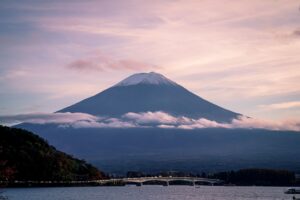
Hakone is famous for its circular sightseeing route. You will ride a switchback train up the mountain to Gora, transfer to a cable car, and then take a ropeway over the active sulphur vents of Owakudani. Here, you must try the local specialty: black eggs boiled in the volcanic waters. Finally, board a pirate ship across Lake Ashi, where you can spot the snow-capped peak of Mount Fuji on a clear day.
Spend the night in a traditional ryokan (Japanese inn). You will sleep on futons laid over tatami mats and dine on a multi-course kaiseki meal. The highlight is soaking in the onsen (volcanic hot springs). Before you strip off, make sure you know the local washing and modesty rules by reading Onsen Etiquette: How to Use a Japanese Hot Spring.
Days 7–9: Kyoto (Temples and Traditions)
Take the Shinkansen 350 km west to Kyoto, Japan’s cultural heart. Kyoto suffers from heavy tourist crowds, so your strategy here is early mornings and late evenings.
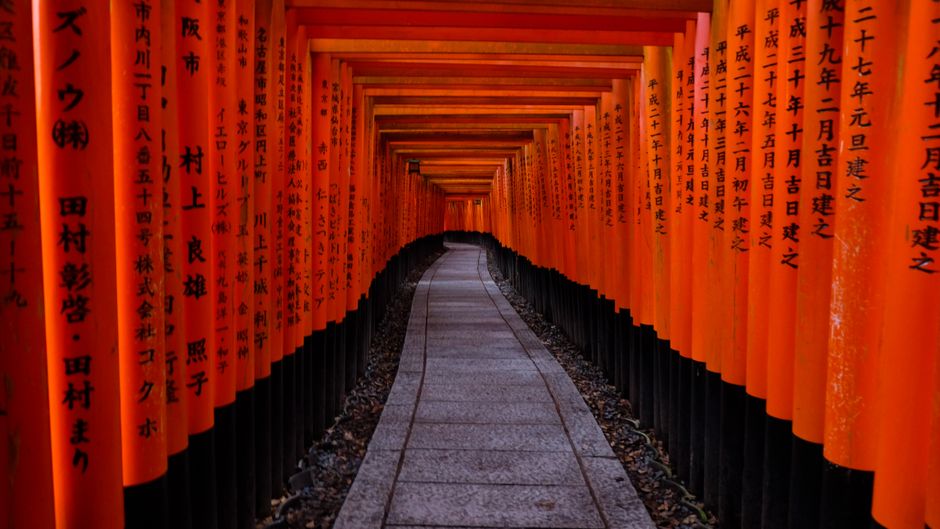
Start your first day before 7:00 AM at the Fushimi Inari Shrine. Hiking through its thousands of vermilion torii gates up the mountain is magical when you have the path to yourself. In the afternoon, explore the preserved wooden streets of the Higashiyama district, leading up to the massive wooden terrace of Kiyomizu-dera temple.
On day eight, head west to the Arashiyama district. Walk through the towering Arashiyama Bamboo Grove and visit Tenryu-ji Temple with its stunning landscape garden. Later, travel north to see the spectacular Kinkaku-ji (Golden Pavilion) reflecting in its surrounding pond.
Spend your final day walking the Philosopher’s Path, a stone walkway following a cherry-tree-lined canal that connects several smaller, quieter temples like Ginkaku-ji (the Silver Pavilion). In the evening, walk through the Gion district. Be aware that as of 2026, many of Gion’s private alleys are strictly closed to tourists to protect the local geisha community, so stick to the main public thoroughfares like Hanamikoji Street.
Days 10–11: Osaka & Nara (Food and Deer)
Osaka is only a 15-minute bullet train ride from Kyoto, but it operates at a completely different volume. It is Japan’s unofficial kitchen, known for its outgoing locals and incredible street food.
Spend your evenings in the Dotonbori district. Eat your way through stalls selling takoyaki (molten octopus balls) and okonomiyaki (savoury cabbage pancakes) under the glowing mechanical crab signs and the famous Glico Running Man billboard. During the day, visit the imposing Osaka Castle or head to the retro Shinsekai neighbourhood for kushikatsu (deep-fried skewers).
Use day 11 for a half-day trip to Nara, located just 45 minutes away by local train. Nara was Japan’s first permanent capital. Walk through Nara Park, where hundreds of semi-wild deer roam freely. You can buy special crackers to feed them, and they will even bow to you for a treat. Do not miss Todai-ji Temple, a massive wooden structure housing a 15-metre-tall bronze Buddha statue.
Days 12–13: Hiroshima & Miyajima (History and Island Beauty)
Continue 330 km west on the Shinkansen to Hiroshima. The Hiroshima Peace Memorial Park and the Atomic Bomb Dome offer a sobering, essential look at the tragic events of August 1945. The museum is incredibly moving and provides a powerful plea for nuclear disarmament. For dinner, head to Okonomimura, a multi-floor building packed with stalls serving Hiroshima-style okonomiyaki, which layers noodles and cabbage on a thin crepe.
The next day, take a local train and a short ferry ride to Miyajima Island. At high tide, the massive red torii gate of Itsukushima Shrine appears to float on the water. Take the ropeway up Mount Misen for panoramic views over the islands of the Seto Inland Sea. Stay overnight in a local ryokan if your budget allows, or head back to Hiroshima.
Day 14: Return to Tokyo and Departure
Take the Shinkansen back to Tokyo (a direct journey of about 4 hours from Hiroshima). Use your final hours for last-minute souvenir shopping in Ginza or Shibuya before catching the Narita Express or Keisei Skyliner to the airport.
Essential Rules and Mistakes to Avoid
Japan has specific cultural and logistical rules that can catch first-timers off guard. For a full checklist of cultural nuances and packing advice, read our Japan Travel Tips: What to Know Before You Go.
- Use luggage forwarding (Takuhaibin): Do not drag heavy suitcases onto packed commuter trains. Services like Yamato Transport (look for the black cat logo) will ship your bags from your Tokyo hotel to your Kyoto hotel for about $15 to $20 USD. It takes 24 hours, so pack a day bag for the night in between.
- Know the 2026 tax-free rules: Japan recently changed its tax-free shopping system. You now pay the full 10% consumption tax at the store checkout and claim your refund at the airport via customs verification before your departure flight.
- Carry some cash: While digital payments are everywhere in 2026, small ramen shops, rural buses, and temple entrance booths still rely on physical Yen.
- Do not eat while walking: It is considered poor manners to eat while walking down the street. If you buy street food or a drink from a vending machine, stand to the side, finish it, and dispose of the rubbish in the bins provided by the vendor.
To help you plan your transit days, here is a quick look at travel times between the major stops on this route:
| Route | Transport Mode | Approx. Travel Time |
|---|---|---|
| Tokyo to Hakone (Odawara) | Odakyu Romancecar / Shinkansen | 1.5 hours / 35 mins |
| Hakone (Odawara) to Kyoto | Shinkansen (Bullet Train) | 2 hours |
| Kyoto to Osaka | Local JR Train / Shinkansen | 30 mins / 15 mins |
| Osaka to Hiroshima | Shinkansen (Bullet Train) | 1.5 hours |
| Hiroshima to Tokyo | Shinkansen (Bullet Train) | 4 hours |
Plan Your Trip
A well-planned trip to Japan balances the fast-paced, neon-lit cities with quiet moments in traditional landscape gardens. Once you have this core route down, you can start booking your accommodation and locking in your transport tickets.
For more destination breakdowns, neighbourhood guides, and hotel recommendations, head over to our main Japan guide. If you are planning a wider adventure across the region, explore our Asia guide to see how easily you can combine a fortnight in Japan with a quick flight to South Korea or Taiwan.