A mid-range Japan trip cost averages $150 to $250 per person per day, excluding international flights. Budget travellers can manage on $70 to $100 daily by using hostels and eating at convenience stores, while luxury trips easily exceed $400 per day. Your total depends heavily on how much you use the Shinkansen (bullet train) and your accommodation style.
Japan Trip Cost: Daily Budget Breakdown
Here is a realistic look at what you can expect to spend per person, per day, based on your travel style.
| Expense Category | Budget | Mid-Range | Luxury |
|---|---|---|---|
| Accommodation | $25 – $45 | $80 – $150 | $250+ |
| Food & Drink | $20 – $30 | $40 – $60 | $100+ |
| Transport (Local) | $5 – $10 | $10 – $15 | $20+ |
| Activities | $5 – $10 | $15 – $25 | $50+ |
| Daily Total | $55 – $95 | $145 – $250 | $420+ |
Note: These daily totals do not include long-distance Shinkansen tickets or international flights, which should be budgeted separately.
Flights to Japan
Flight prices to Tokyo (Haneda or Narita) or Osaka (Kansai) vary wildly depending on your departure city and the season. From the US West Coast, direct return flights typically range from $800 to $1,200. From the East Coast or the UK, expect to pay between $1,000 and $1,500 for economy.
Flights from Australia generally cost $700 to $1,100. Booking four to six months in advance usually secures the best rates, especially if you are travelling during peak spring or autumn seasons.
Accommodation Costs
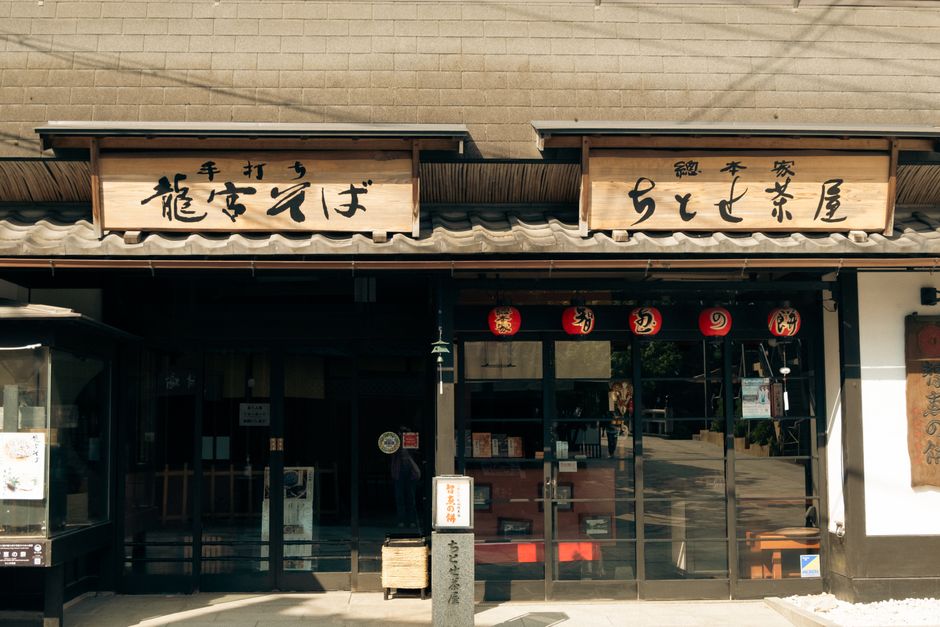
Accommodation in Japan ranges from bare-bones sleeping pods to ultra-luxurious traditional inns. Space is at a premium in cities like Tokyo and Osaka, so standard hotel rooms are much smaller than you might be used to—often around 12 to 15 square metres.
- Hostels and Capsule Hotels: Budget travellers can find hostel dorm beds for $25 to $45 per night. Capsule hotels, like the Nine Hours chain, offer a uniquely Japanese experience for $35 to $50, providing a small sleeping pod, communal showers, and lockers.
- Business Hotels: These are the sweet spot for mid-range travellers. Chains like APA Hotel, Toyoko Inn, and Dormy Inn offer clean, compact, and highly efficient private rooms for $60 to $100 per night. Dormy Inn often includes a public bath and free late-night ramen.
- Mid-Range and Boutique Hotels: For a bit more space and style in neighbourhoods like Asakusa in Tokyo or Karasuma in Kyoto, expect to pay $120 to $250 per night.
- Ryokan (Traditional Inns): Staying in a ryokan is a cultural experience rather than just a bed for the night. Prices in hot spring towns like Hakone or Kinosaki Onsen range from $200 to $500+ per person, per night. This usually includes an elaborate multi-course kaiseki dinner and a traditional breakfast. Before booking, make sure you understand basic onsen etiquette for using the communal baths.
Food and Drink Prices
You can eat incredibly well in Japan on almost any budget. The quality of food is exceptionally high, even at the lowest price points.
Convenience Stores (Konbini): 7-Eleven, Lawson, and FamilyMart are lifesavers for budget travellers. You can grab a filling breakfast of onigiri (rice balls), a sandwich, and iced coffee for under $5. A heated bento box for lunch costs around $4 to $6.
Fast Food and Casual Chains: Japan has its own fast-food culture centred around rice bowls and noodles. Chains like Matsuya, Yoshinoya, and Sukiya serve beef bowls (gyudon) for $4 to $6. A bowl of ramen at a popular spot like Ichiran or a plate of conveyor-belt sushi at Kura Sushi will set you back $8 to $15.
Mid-Range Dining: A sit-down meal at an izakaya (Japanese pub) in Shinjuku or Dotonbori, sharing plates of yakitori, karaage (fried chicken), and edamame, usually costs $20 to $40 per person, including a couple of drinks.
Fine Dining: High-end omakase sushi, Kobe beef steakhouses, or Michelin-starred kaiseki meals start at $100 and can easily exceed $300 per person.
Drinks: Vending machines are on every corner, dispensing hot and cold drinks for about $1. A pint of draft beer in a bar costs $4 to $6, while a coffee in a trendy cafe in Nakameguro will cost $4 to $5.
Transport: Getting Around
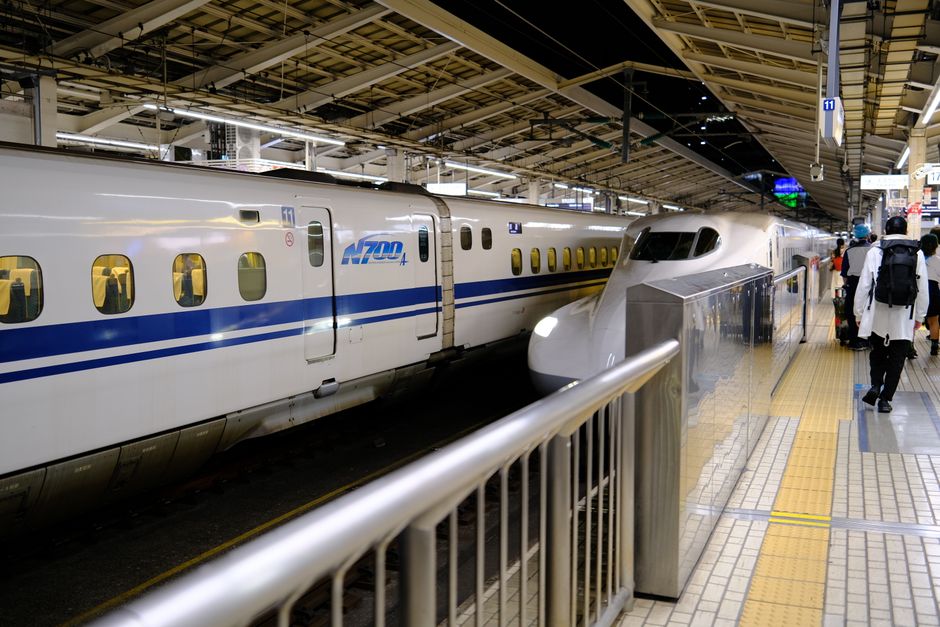
Transport will likely be the second-largest expense of your Japan trip cost. The country’s rail network is fast, punctual, and extensive, but it is not cheap.
Shinkansen (Bullet Trains): Individual tickets for the Shinkansen add up quickly. A one-way unreserved ticket from Tokyo to Kyoto costs around $90 to $100 (14,000 JPY). Tokyo to Osaka is roughly $105.
Japan Rail Pass: Following the massive price increase in late 2023, the national JR Pass is no longer the automatic purchase it once was. A 7-day pass now costs around $350 (50,000 JPY). You need to take multiple long-distance trips within a short window to break even. Read our detailed breakdown to see if the Japan Rail Pass is still worth it for your specific route.
Local Transit: For getting around cities, you will use an IC card (like Suica or Pasmo). You can load these onto your Apple Wallet or buy a physical tourist card at the airport. Subway and local train rides in Tokyo and Kyoto cost between $1.50 and $2.50 per journey. Expect to spend $5 to $10 per day on local transit.
Taxis: Japanese taxis are spotless and the drivers wear white gloves, but they are expensive. A short 5 km ride across central Tokyo will cost $15 to $20. Use them sparingly, such as when travelling with heavy luggage to a station.
Activities and Attractions
Sightseeing in Japan is surprisingly affordable compared to North America or Europe. Many of the best experiences, like walking through the Fushimi Inari shrine gates in Kyoto or exploring the neon streets of Akihabara, are completely free.
- Temples, Shrines, and Gardens: Entry to major historical sites like Kinkaku-ji (the Golden Pavilion) or Kiyomizu-dera in Kyoto costs just $3 to $5.
- Museums and Viewpoints: Tickets to popular modern attractions like teamLab Planets in Toyosu or the Shibuya Sky observation deck cost between $15 and $25.
- Theme Parks: A 1-day pass to Universal Studios Japan in Osaka or Tokyo Disneyland costs $60 to $80, depending on the day of the week.
- Seasonal Events: If you are travelling during peak periods, you might pay premium prices for special viewing events or boat rides. Check our guide on cherry blossom season in Japan for timing and locations.
Sample Japan Trip Cost for 1 and 2 Weeks
To help you plan, here are realistic estimates for total on-the-ground costs (excluding international flights).
1 Week in Japan: A 7-day trip focusing on the classic Tokyo-Kyoto-Osaka route will cost a mid-range traveller between $1,050 and $1,750. This covers business hotels, a mix of casual and sit-down dining, Shinkansen tickets, and daily sightseeing. For route ideas, look at our Japan itinerary options.
2 Weeks in Japan: Doubling your time allows you to slow down or add destinations like Hiroshima, Kanazawa, or the Japanese Alps. A 14-day mid-range trip will cost between $2,100 and $3,500. Budget backpackers can squeeze this down to $1,000 to $1,400 by using overnight buses and hostels. For a complete day-by-day plan, see our guide to 2 weeks in Japan.
Money Matters: Currency, Cards and Tipping
Japan’s currency is the Japanese Yen (JPY). While the country has historically been heavily cash-based, the pandemic accelerated the adoption of contactless payments.
Cards vs Cash: Major credit cards (Visa, Mastercard) are now widely accepted at hotels, department stores, convenience stores, and mid-range restaurants. However, you still need cash for small vendors, rural transport, temple entrance fees, and tiny ramen shops that rely on ticket machines.
ATMs: The easiest way to get cash is to use your debit card at ATMs located inside 7-Eleven, FamilyMart, or Japan Post offices. These machines have English menus and accept foreign cards reliably.
Tipping: There is absolutely no tipping in Japan. Do not leave money on the table at restaurants, do not tip taxi drivers, and do not tip hotel staff. It is not expected, and leaving money will only cause confusion. Excellent service is simply part of the culture. For more cultural norms, read our Japan travel tips and our guide on is Japan safe to visit.
Practical Ways to Save Money
If your Japan trip cost is looking a little high, there are several easy ways to trim your budget without sacrificing the experience.
Tax-Free Shopping: Tourists can claim a 10% consumption tax refund on purchases over 5,000 JPY at participating stores (look for the “Tax Free” logo). You must show your physical passport. Ensure you understand the Japan visa and entry requirements to qualify as a temporary visitor.
Eat a Heavy Lunch: Many high-end restaurants, especially sushi and wagyu beef spots, offer lunch sets for a fraction of their dinner prices. You can often get a $60 dinner experience for $20 at midday.
Discount Supermarkets and Depachika: Department store food halls (depachika) and local supermarkets discount their fresh bento boxes and sushi by 20% to 50% after 7:00 PM.
Highway Buses: If you have more time than money, swap the Shinkansen for a highway bus. Companies like Willer Express run comfortable overnight buses between Tokyo and Osaka for $30 to $50, saving you both transport costs and a night of accommodation.
Travel Off-Peak: Accommodation prices surge during cherry blossom season (late March to April) and autumn foliage season (November). Travelling in the shoulder seasons or winter will save you hundreds of dollars. Winter brings crisp days around 5°C to 10°C (41°F to 50°F) in Tokyo, and significantly lower hotel rates. Check our guide on the best time to visit Japan for month-by-month details.
Plan Your Trip
Japan offers incredible value for money if you plan carefully. Whether you are eating $5 ramen in a bustling Tokyo station or splurging on a serene ryokan in the mountains, understanding your daily budget is the first step to a stress-free trip. For more destination inspiration, dive into our comprehensive Japan guide, or explore our wider Asia guide to combine your visit with other countries in the region.