Mastering Japanese onsen etiquette is essential before stepping into the country’s geothermal hot springs. From washing thoroughly before entering the water to understanding the strict rules around towels and tattoos, the bathing culture here is built on respect and hygiene. Once you know the basics, soaking in these mineral-rich waters becomes one of the most relaxing experiences of your trip.
Whether you are planning a luxury stay at a traditional ryokan in the mountains or visiting a local bathhouse in Tokyo, knowing the rules prevents awkward moments. For an overview of planning your wider trip, start with our comprehensive Japan guide, or explore our broader Asia guide for regional context.
What is an Onsen?
Legally, an onsen must contain water naturally heated above 25°C (77°F) and include at least one of 19 designated minerals, such as sulphur, iron, or metabolic acid. The Japanese archipelago is highly volcanic, resulting in over 3,000 distinct hot spring resorts across the country.
You will encounter several specific terms when navigating hot springs. Understanding the difference between a natural spring and a heated tap water bath is the first step in planning your bathing experience.
| Japanese Term | Meaning and Context |
|---|---|
| Onsen | Natural geothermal hot spring (over 25°C / 77°F) containing specific therapeutic minerals. |
| Sento | Public bathhouse using heated tap water, common in urban residential neighbourhoods. |
| Rotenburo | Outdoor bath, often surrounded by gardens, forests, or mountain views. |
| Kashikiri-buro | Private bath available for rent, ideal for families, couples, or tattooed guests. |
Step-by-Step Onsen Etiquette
Proper onsen etiquette is non-negotiable. The rules are designed to keep the communal water pristine and ensure a peaceful environment for everyone. If you are reading up on Japan Travel Tips: What to Know Before You Go, make sure bathing rules are at the top of your list.
The Entrance and Changing Room
When you enter a bathhouse, you will first remove your shoes and place them in a locker. You will then see two curtains (noren) leading to the changing rooms. The red curtain is almost always for women (女), and the blue or navy curtain is for men (男). Pay close attention, as many ryokan swap the male and female baths overnight so guests can experience different views.
Inside the changing room, you must undress completely. Swimsuits are strictly forbidden in traditional Japanese hot springs. Place your clothes and large bath towel in a basket or locker. You will only take your small modesty towel, usually provided by your accommodation, into the bathing area.
Washing Before Bathing
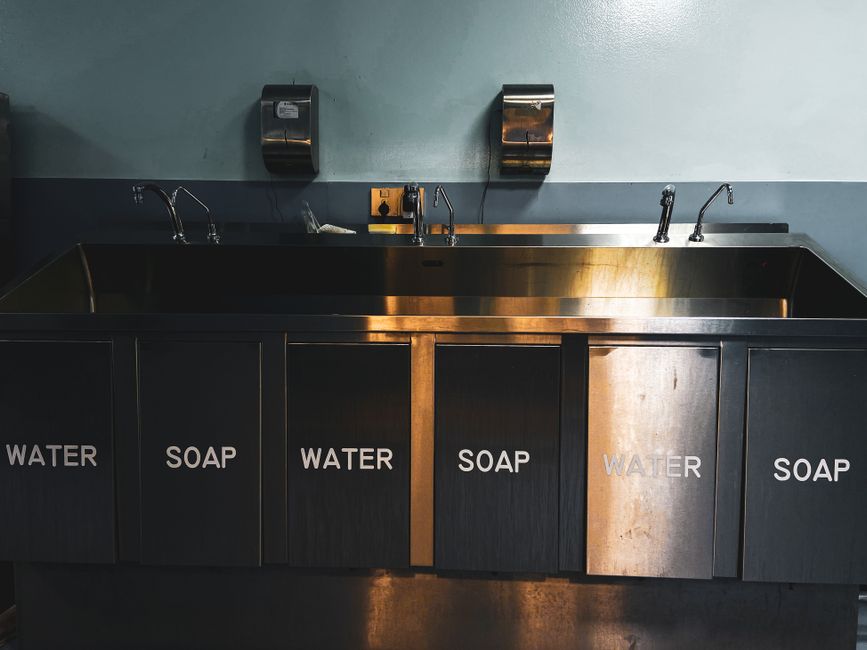
This is the most critical rule of onsen etiquette: you must be completely clean before entering the communal bath. Head to the washing stations lining the wall. Take a seat on the small plastic or wooden stool. Do not stand, as splashing your neighbours is considered extremely rude.
Use the provided body wash, shampoo, and conditioner to scrub yourself thoroughly. Rinse off every trace of soap using the handheld showerhead or the wooden bucket (oke). Once you are clean, turn off the shower and tidy your station before walking to the bath.
Entering the Water
Slide into the water slowly. Onsen water is typically maintained between 39°C and 42°C (102°F to 107°F), which can feel intensely hot at first. Do not dive, splash, or swim. The bath is a place for quiet soaking and relaxation, so keep your voice to a low whisper.
Your small modesty towel must never touch the bathwater. Most bathers fold it and place it on top of their head, or leave it on the rocks beside the pool. If your towel accidentally drops into the water, wring it out outside the bath.
Exiting the Bath
When you are finished soaking, it is generally advised not to rinse off with tap water, as you want the therapeutic minerals to remain on your skin. However, if you have been in a highly acidic or strong sulphur spring, a quick rinse might be necessary for sensitive skin.
Before stepping back into the changing room, use your small towel to wipe off excess moisture. Dripping wet on the tatami or bamboo mats is a major faux pas. Once back at your locker, you can use your large towel to dry off completely.
Tattoos and Onsen Etiquette
Tattoos remain a complex issue in Japan due to their historical association with organised crime (the Yakuza). Many public bathhouses and ryokan still enforce a strict “no tattoos” policy. Even small, easily concealable tattoos can result in you being asked to leave the water.
If you have small tattoos, you can often buy flesh-coloured waterproof bandages (tattoo seals) at convenience stores or pharmacies to cover them up. If your tattoos are too large to cover, you have two main options. First, seek out tattoo-friendly onsen towns like Kinosaki in Hyogo Prefecture, where all seven public baths welcome tattooed guests.
Your second option is to book a ryokan with a private reserve bath (kashikiri-buro) or a room with a rotenburo attached to your private balcony. This allows you to soak without entering the communal areas.
Yukata Rules and Ryokan Culture
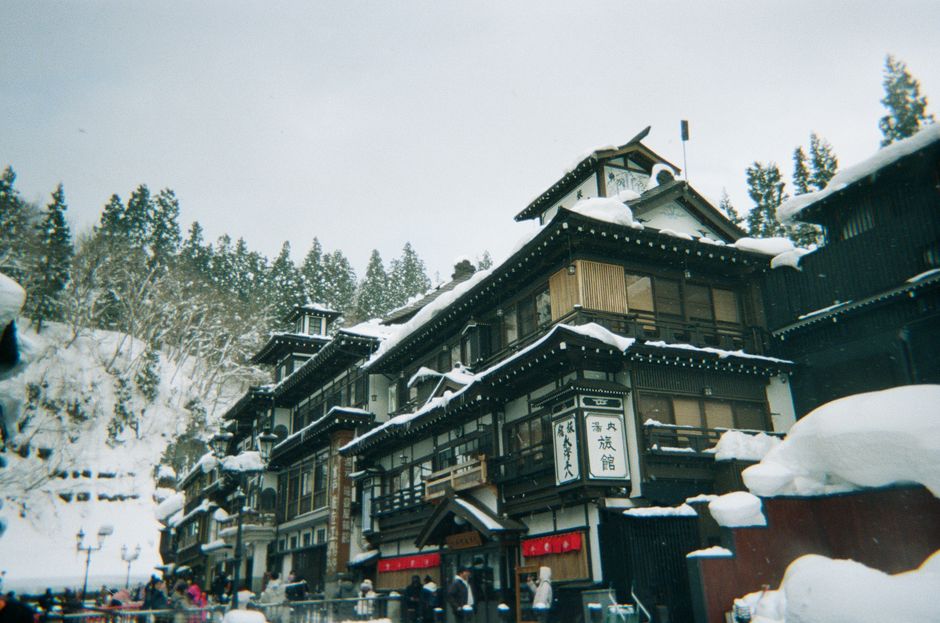
If you are staying overnight at a hot spring inn, you will be provided with a cotton kimono called a yukata. Wearing this around the ryokan, to dinner, and even out into the streets of the onsen town is highly encouraged. It acts as both loungewear and a bathrobe.
There is one vital rule when tying your yukata: always fold the left side over the right side. Folding the right side over the left is reserved for dressing the deceased at funerals. Tie the obi (sash) securely around your waist. Women traditionally tie the obi at the waist, while men tie it slightly lower on the hips.
Costs, Logistics and Time Needed
You do not have to stay at an expensive inn to enjoy a hot spring. Many ryokan open their baths to day-trippers (higaeri onsen) for a small fee, usually between $3 and $10 USD (500 to 1,500 JPY). You can rent a towel for an additional $1.50 to $2 USD.
If you choose to stay overnight, ryokan prices vary wildly. A basic minshuku (guesthouse) with an onsen might cost $100 USD per night, while a luxury ryokan with multi-course kaiseki meals can exceed $500 USD per person. For a full breakdown of budgeting, read our guide on Japan Travel Cost: How Much Does a Trip Cost?.
A typical onsen soak lasts 10 to 20 minutes. Due to the high temperatures, staying in longer risks nobose (a hot flash or dizziness). It is common to soak multiple times during a ryokan stay: once before dinner, once before bed, and once early in the morning.
Best Time of Year for Hot Springs
While onsen are open year-round, the experience changes drastically with the seasons. Summer soaking can be sweltering, though mountainous regions like Nagano offer cooler air. The winter months (December to February) are arguably the most magical, as you can sit in a steaming outdoor bath while snow falls around you.
Spring and autumn are incredibly popular due to the scenery. If you are trying to time your visit with the blooming flowers, check our guide to Cherry Blossom Season in Japan: Where and When. For a broader look at regional weather patterns, consult Best Time to Visit Japan: Weather and Seasons by Region.
Top Onsen Destinations to Include in Your Itinerary
Japan has thousands of hot spring towns, but a few stand out for international visitors due to their accessibility, water quality, and traditional atmosphere.
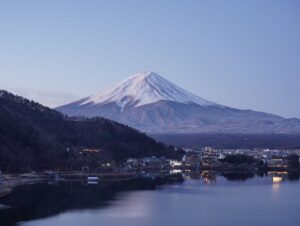
- Hakone: Located about 90 km from Tokyo, Hakone offers views of Mount Fuji and dozens of high-end ryokan. It is an easy addition to any trip. If you are wondering how to fit it in, look at our Japan Itinerary: 7, 10 and 14 Days.
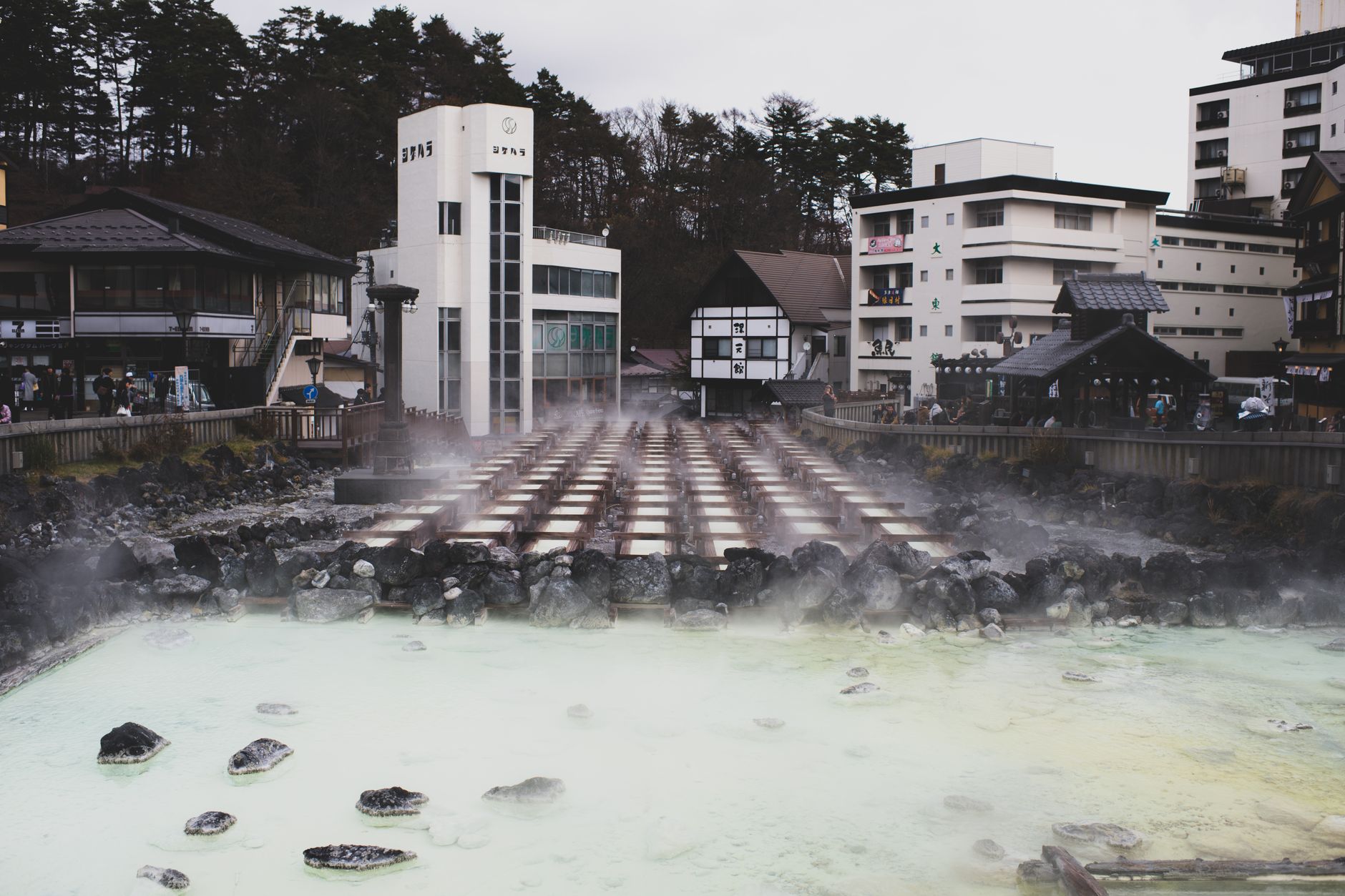
- Kusatsu Onsen: Situated in Gunma Prefecture, Kusatsu is famous for its Yubatake (hot water field) in the town centre and its highly acidic, skin-clearing waters. The traditional yumomi water-beating performance is unique to this town.
- Kinosaki Onsen: A picturesque town near the Sea of Japan, known for its willow-lined canals. Guests wander between seven public bathhouses in their yukata and wooden geta sandals. It is highly recommended for our 2 Weeks in Japan: First-Timer Itinerary.
- Beppu: Located on the southern island of Kyushu, Beppu produces more hot spring water than anywhere else in Japan. You can experience sand baths, steam baths, and view the boiling pools known as the “Hells of Beppu.”
To reach these varied destinations efficiently, you will likely rely on the Shinkansen (bullet train). Before purchasing transport passes, read our analysis: Japan Rail Pass: Is It Still Worth It?.
Mistakes to Avoid and Safety Tips
Never consume alcohol immediately before entering an onsen. The combination of hot water and alcohol drastically lowers blood pressure and increases the risk of fainting. Drink plenty of water or green tea before and after your soak to stay hydrated.
Photography is strictly banned in all changing rooms and communal bathing areas. Leave your smartphone in your locker or back in your hotel room. Japan is incredibly safe, and theft from lockers is exceptionally rare. For more on security, see Is Japan Safe to Visit? Safety Tips for Travellers.
Finally, ensure you have the correct documentation before you travel. Rules change, so review the current Japan Visa and Entry Requirements well in advance of your departure date.
Plan Your Trip
Visiting a Japanese hot spring might seem intimidating at first, but the rules quickly become second nature. Remember to wash thoroughly, keep your towel out of the water, and embrace the quiet relaxation. Whether you opt for a quick day pass in Tokyo or a multi-night luxury ryokan stay in the Japanese Alps, an onsen soak provides a profound connection to traditional Japanese culture. Pack light, double-check your tattoo coverage options, and prepare for the ultimate geothermal reset.