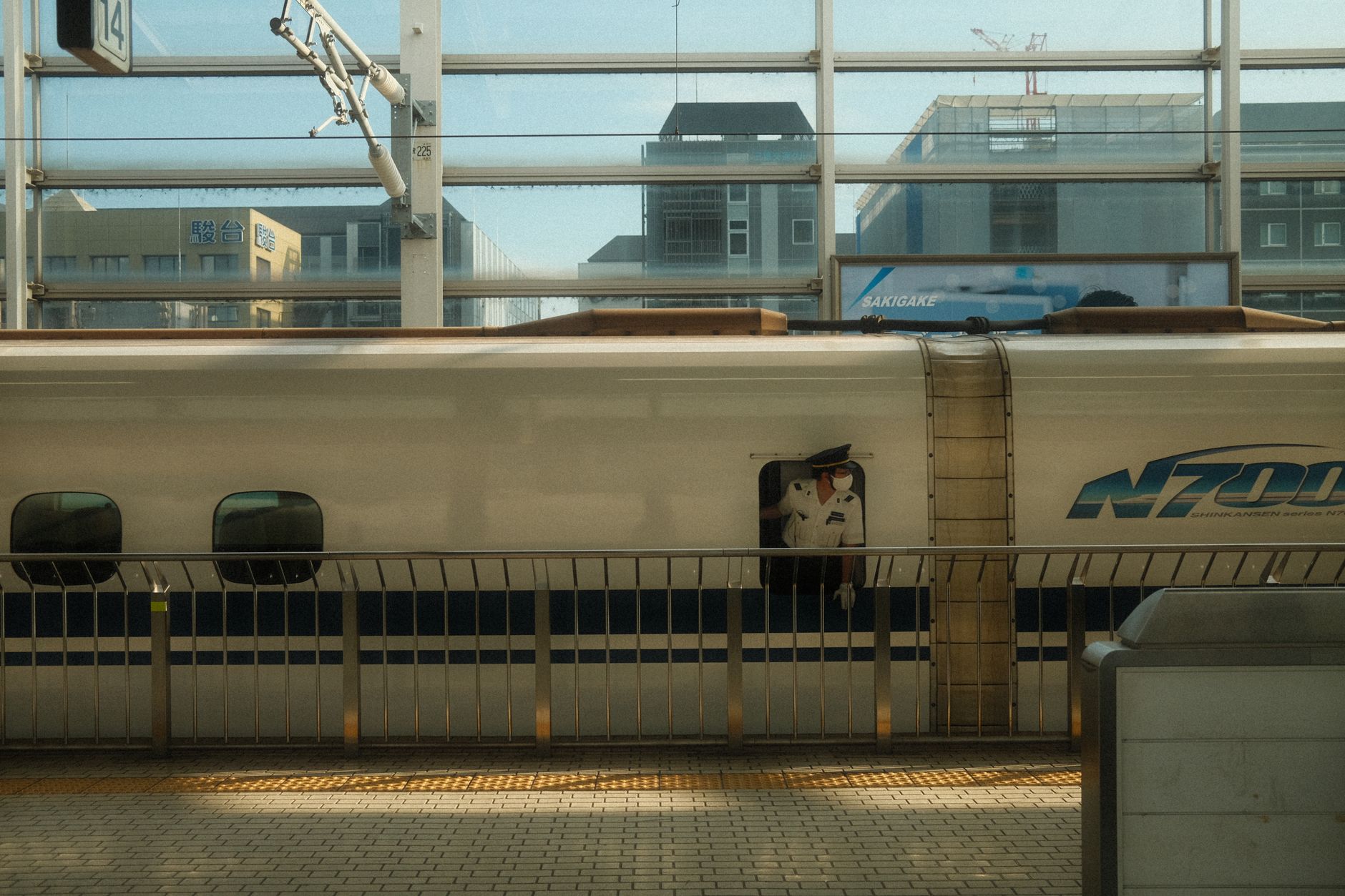
If you are mapping out your transit budget, you are likely wondering: is the japan rail pass worth it for a trip in 2026? For most standard itineraries, the honest answer is no. Following a massive 70% price hike in late 2023, the nationwide pass only saves you money if you are undertaking fast-paced, long-distance travel across multiple regions.
For decades, this pass was the ultimate travel hack for international visitors, allowing unlimited rides on the famous Shinkansen (bullet trains). Today, you need to do the maths before you buy. This guide breaks down current prices, when the pass actually makes financial sense, and the cheaper alternatives you should consider instead. For a broader overview of the country, start with our Japan guide or explore our wider Asia guide.
What Exactly Is the Japan Rail Pass?
The Japan Rail Pass (often called the JR Pass) is a discounted, multi-use transit ticket available exclusively to international tourists. It offers unlimited rides on almost all JR-operated trains across the country. This includes most Shinkansen lines, limited express trains connecting smaller cities, local JR city lines (such as Tokyo’s Yamanote Line and Osaka’s Loop Line), and even the JR Miyajima ferry near Hiroshima.
It is important to understand that JR (Japan Railways) is just one network. The pass does not cover city subways, private rail lines (like the Odakyu line to Hakone or the Keihan line in Kyoto), or local buses.
To use the pass, you must enter the country under a Temporary Visitor status. When you pass through immigration at Narita or Haneda airport, the officer will put a specific sticker or stamp in your passport. If you enter on a student visa, work visa, or military ID, you are ineligible to exchange your pass voucher. You can read more about entry rules in our guide to Japan Visa and Entry Requirements.
If you buy via a third-party agent, you are mailed a physical exchange order to your home address before you fly. Once you land in Japan, you take this voucher and your passport to a JR ticket office to activate your pass and select your starting date.
2026 Ticket Prices: Ordinary vs. Green Car
The cost of the pass shifted dramatically in October 2023, moving from a budget-friendly option to a premium product. As of 2026, prices for the Ordinary (standard class) pass are as follows:
| Pass Duration | Cost in JPY | Approximate USD |
|---|---|---|
| 7 Days | ¥50,000 | $330 – $350 |
| 14 Days | ¥80,000 | $530 – $550 |
| 21 Days | ¥100,000 | $660 – $690 |
Children aged 6 to 11 pay exactly half the adult fare. Infants under 6 ride for free, provided they sit on an adult’s lap.
You also have the option to upgrade to a Green Car pass, which is Japan’s version of first class. The 7-day Green Car pass starts at ¥70,000, the 14-day is ¥110,000, and the 21-day is ¥140,000. Is the Green Car worth the extra cost? For most travellers, the Ordinary cars are more than comfortable enough. They offer reclining seats, ample legroom that exceeds most airline economy classes, and fold-down tray tables.
However, if you are travelling during peak holiday seasons, Green Car passes can be a lifesaver. Because they are more expensive, Green Cars rarely sell out as quickly as Ordinary cars, making it easier to secure a seat at the last minute. Additionally, if you are a particularly tall traveller or simply want a guaranteed quiet environment to sleep on long journeys, the upgrade is a worthwhile luxury.
Note that a scheduled price increase takes effect on 1 October 2026 for passes purchased through overseas third-party agents, pushing the 7-day Ordinary pass to ¥53,000. Purchasing directly through the official JR website locks in the ¥50,000 rate for a limited time. When calculating your Japan Travel Cost: How Much Does a Trip Cost?, remember that you pay for the pass in your home currency, so exchange rates will dictate the final hit to your wallet.
Is the Japan Rail Pass Worth It for the Golden Route?
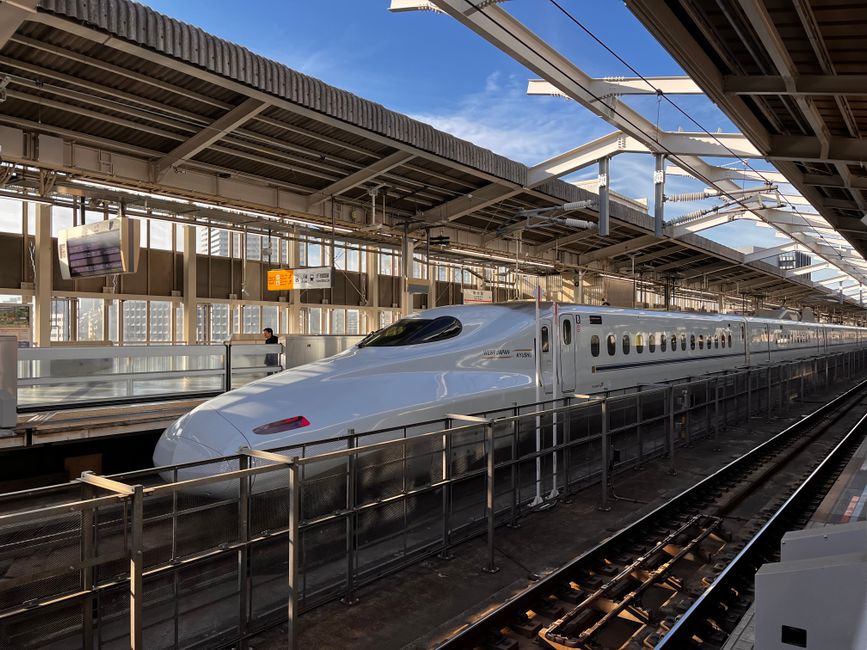
The Golden Route is the classic first-timer path: flying into Tokyo, taking the train to Kyoto and Osaka, and returning to Tokyo. If you are following a standard Japan Itinerary: 7, 10 and 14 Days along this corridor, the nationwide pass is a waste of money.
Let’s look at the numbers. A one-way reserved seat on the Shinkansen from Tokyo to Kyoto costs around ¥14,000. Adding a trip from Kyoto to Osaka is a mere ¥580 on a local rapid train. Returning to Tokyo from Osaka adds another ¥14,500. Your total intercity transport spend is under ¥30,000. Buying a ¥50,000 7-day pass for this route means you are overpaying by roughly ¥20,000.
Even if you factor in local JR transit within Tokyo (like the Yamanote Line) or a day trip to Nara (roughly ¥1,400 round trip from Kyoto), you will not bridge that ¥20,000 gap. Local train rides typically cost between ¥150 and ¥300 per journey. You are much better off paying out of pocket for this specific route.
When Does the Pass Actually Save You Money?
The nationwide pass only makes sense if you are covering massive distances in a short timeframe. It is designed for travellers who want to see multiple far-flung regions rather than lingering in central cities.
You will break even on a 7-day pass if your route looks something like this: Tokyo to Kyoto, Kyoto down to Hiroshima, Hiroshima across to Fukuoka (Hakata Station), and a long-haul return to Tokyo. A round-trip from Tokyo to Hiroshima alone costs roughly ¥39,500. Add in the Fukuoka leg, and you finally cross the ¥50,000 threshold.
Another scenario where the pass wins is a northern winter expedition. If you travel from Tokyo up to Sendai, continue to Aomori, cross under the ocean to Hakodate, and finish in Sapporo, the individual Shinkansen tickets would easily exceed the cost of the pass.
If you are planning 2 Weeks in Japan: First-Timer Itinerary, you might buy a 7-day pass just for your intensive travel week. You could spend your first four days in Tokyo without a pass, activate a 7-day pass to travel down to Hiroshima and back to Kansai, and then spend your final days in Osaka paying for cheap local tickets.
The Nozomi Supplement Explained
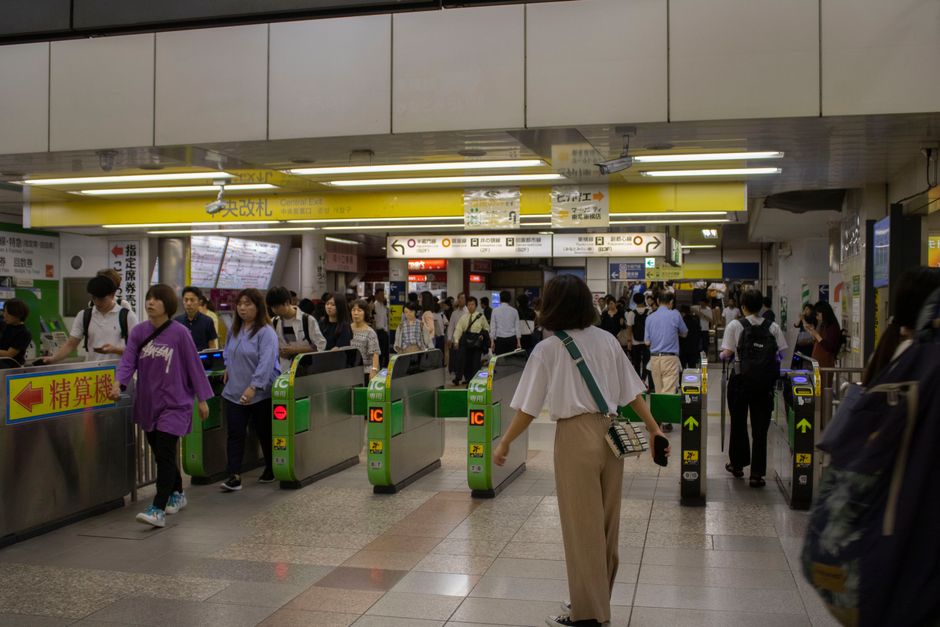
For years, JR Pass holders were banned from riding the Nozomi and Mizuho trains. These are the fastest services on the Tokaido, Sanyo, and Kyushu Shinkansen lines, skipping smaller stations to get you between major hubs as quickly as possible. Pass holders had to use the slightly slower Hikari or Sakura trains instead.
Since the 2023 price hike, you can now ride the Nozomi and Mizuho, but you must pay a steep supplement fee. Travelling between Tokyo and Kyoto on a Nozomi train requires an additional ¥4,960 on top of your active JR Pass.
For most travellers, it is easier and cheaper to simply stick to the Hikari trains. A Hikari train only takes about 20 minutes longer between Tokyo and Kyoto than a Nozomi. If you are paying out of pocket (without a pass), the price difference between the two is negligible, making the Nozomi the obvious choice. For more practical transit advice, read our Japan Travel Tips: What to Know Before You Go.
Better Alternatives to the Nationwide Pass
If the nationwide pass does not fit your plans, you have several efficient, cost-effective alternatives to get around the country.
Point-to-Point Tickets
For most visitors, buying individual tickets is the smartest route. You can purchase Shinkansen tickets at the station using multilingual ticket machines, or book in advance online via the official Smart-EX app or website. This allows you to ride the fastest Nozomi trains without worrying about pass restrictions. You can link your Smart-EX ticket directly to your digital IC card, allowing you to tap your phone at the Shinkansen gates.
Regional Passes
Regional passes remain excellent value. They operate just like the nationwide pass but are geographically restricted. If you want to explore the northern regions, the JR East Tohoku Area Pass (around ¥30,000 for 5 consecutive days) covers the bullet trains from Tokyo all the way up to Aomori.
If you want to travel from Tokyo to Kyoto via the Japanese Alps (stopping in Kanazawa and Nagano), the Hokuriku Arch Pass is a brilliant option at ¥35,000 for 7 days. For those staying purely in the Kansai area (Osaka, Kyoto, Kobe, Nara, Himeji), the Kansai Wide Area Pass offers incredible value for short regional hops.
Another fantastic option is the JR Kyushu Rail Pass, which is perfect for exploring the southern island’s volcanic landscapes and hot springs. A 3-day all-Kyushu pass costs around ¥20,000, allowing you to ride the sleek Kyushu Shinkansen from Fukuoka down to Kagoshima.
Domestic Flights
Japan has a highly competitive domestic airline market. If you need to travel from Tokyo to Sapporo in Hokkaido, or Tokyo to Fukuoka in Kyushu, flying is often cheaper and significantly faster than taking the train. Low-cost carriers like Peach and Jetstar frequently offer one-way fares under $60 USD, and the flight times are usually under two hours.
Navigating Seasonal Crowds and Etiquette
Trains in Japan are punctual, clean, and highly regulated. People often ask, Is Japan Safe to Visit? Safety Tips for Travellers—and the transit system is a testament to that safety. You can leave your luggage at your seat while you visit the bathroom without a second thought, and delays are measured in seconds, not minutes.
However, you must respect local etiquette. Keep your voice low, switch your phone to silent, and queue neatly at the designated markers on the platform. Just as there are strict rules for bathing—detailed in our Onsen Etiquette: How to Use a Japanese Hot Spring guide—there are unspoken rules for riding the rails. Eating a bento box is perfectly acceptable on long-distance Shinkansen, but eating on a crowded local commuter train is heavily frowned upon. Do not take phone calls in the seating area; step into the vestibule between carriages if you must speak.
Timing your travel also matters. Depending on the Best Time to Visit Japan: Weather and Seasons by Region, trains can book out weeks in advance. If you are travelling during the Cherry Blossom Season in Japan: Where and When (late March to early April), Golden Week (early May), or the Obon festival (mid-August), you must reserve your Shinkansen seats the moment they become available. Seat reservations open exactly one month prior to your departure date at 10:00 AM Japan Standard Time.
Final Tips for Organising Your Transit
To make your journey as smooth as possible, keep these logistical details in mind before you arrive at the station.
- Oversized Luggage Rules: If your suitcase has combined dimensions (length + width + height) exceeding 160 cm, you must book a specific seat with an oversized baggage area on the Tokaido, Sanyo, and Kyushu Shinkansen lines. These seats are located at the very back of the carriage. If you board without this reservation, you will be fined ¥1,000 and the conductor will move your luggage to a designated space out of your sight.
- Use Luggage Delivery: Instead of dragging heavy bags onto the train, use a luggage forwarding service like Yamato Transport (often called Ta-Q-Bin). For about $15 to $20 USD, they will ship your suitcase from your Tokyo hotel directly to your Kyoto hotel, usually arriving the next day. This frees you up to travel with just a small daypack.
- Get a Digital IC Card: The JR Pass does not cover city subways (like the Tokyo Metro or Osaka Metro) or private rail lines. Buy a Suica, Pasmo, or ICOCA card. If you have a compatible smartphone, you can load a digital transit card directly into your digital wallet and top it up with a foreign credit card. You simply tap your phone through the subway turnstiles.
- Use the Right Apps: Google Maps is highly accurate for Japanese transit, telling you exactly which platform to stand on, the fare cost, and which carriage is closest to the exit. If you do buy a pass, the Navitime app has a specific filter that only routes you via trains covered by your ticket, ensuring you do not accidentally board a private line.