Is Japan safe to visit? Yes, Japan consistently ranks as one of the safest countries in the world for international travellers. Violent crime is exceptionally rare, and the main risks you need to prepare for are natural hazards like typhoons and strict laws regarding imported medication.
Is Japan Safe to Visit in 2026?
The US Department of State maintains a Level 1 travel advisory for Japan in 2026, which means you only need to exercise normal precautions. The UK and Australian governments offer similar advice. While petty theft can happen, it is highly unusual. The country has a homicide rate of just 0.2 per 100,000 people, placing it among the lowest globally.
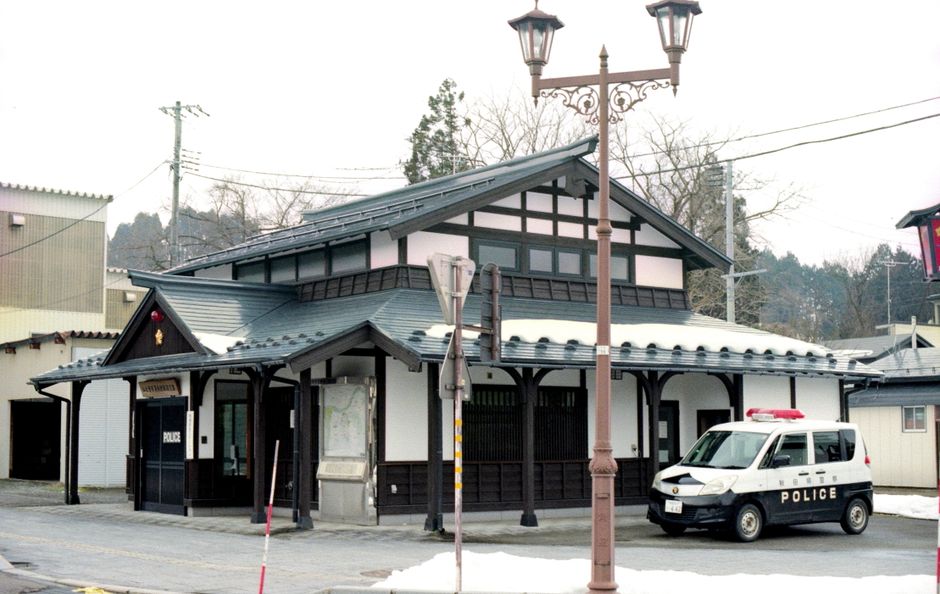
A major factor in this safety is the koban system. These small neighbourhood police stations are located on almost every major street corner and near train stations. Officers provide directions, manage lost property, and maintain a visible presence. It is common to see locals leaving laptops unattended on cafe tables in Tokyo, and lost wallets containing cash are routinely handed in to the nearest koban.
To start planning the logistics of your trip, check out our comprehensive Japan guide and broader Asia guide.
Crime and Nightlife Scams
Street crime against tourists is nearly non-existent during the day. However, late-night entertainment districts in major cities do have a minor risk of scams. Touts on the street, known as kyakuhiki, may try to lure you into host bars, cabarets, or clubs with promises of cheap drinks and entry.
Once inside these establishments, you might face exorbitant cover charges, a practice known as bottakuri (bill padding). In rare cases, tourists have reported drink spiking, where they wake up with their credit cards drained of amounts ranging from $500 to $5,000 USD. Never follow touts into bars, and ignore anyone who approaches you on the street offering nightlife recommendations.
Stick to venues you have researched yourself. If you are budgeting for your evening entertainment, read our guide on Japan Travel Cost: How Much Does a Trip Cost? to understand standard prices for food and drinks. Pickpocketing is rare, but crowded areas like the scramble crossing in Shibuya or Nakamise shopping street in Asakusa warrant standard vigilance with your belongings.
Regions to Avoid or Take Care In
There are no entire regions or cities in Japan that tourists need to avoid for safety reasons. You can walk around Tokyo, Kyoto, and Osaka at night with confidence. The areas requiring extra vigilance are specific nightlife hubs.
In Tokyo, be cautious late at night in Kabukicho (Shinjuku) and Roppongi. These areas are perfectly safe to walk through, but this is where the majority of tout-related scams occur. In Osaka, keep your wits about you in parts of Dotonbori and the Shinsekai district after dark. In Sapporo, the Susukino district has similar tout activity.
If you are mapping out your route, our 2 Weeks in Japan: First-Timer Itinerary and general Japan Itinerary: 7, 10 and 14 Days focus on safe, central neighbourhoods for accommodation. Avoid booking hotels directly inside red-light districts if you prefer a quieter, hassle-free walk back to your room at night.
Solo and Female Travel Safety
Japan is highly recommended for solo female travellers. The risk of physical harassment is low compared to many Western countries, but it is not zero. The most common issue reported by women is chikan (groping) on crowded commuter trains.
To combat this, most major railway companies offer women-only carriages during the morning and evening rush hours. These are clearly marked with pink signs on the platforms and train doors. Accommodation options are also tailored for female safety, with many capsule hotels and hostels featuring secure, women-only floors requiring keycard access.
Walking alone at night is generally safe, but stick to well-lit streets and trust your instincts. If you ever feel unsafe, walk into the nearest convenience store or approach a police box. Staff will assist you and call the authorities if necessary.
Transport Safety
Public transport in Japan is exceptionally safe and reliable. The Shinkansen network has operated for decades without a single fatal derailment. Local trains and subways are heavily monitored by CCTV and station staff. If you lose an item on a train, report it to the station master; the recovery rate for lost property on Japanese transit is remarkably high.
Taxis are strictly regulated, metered, and safe. Drivers wear uniforms and often white gloves. Ride-sharing apps like Uber exist in major cities, but they simply dispatch licensed local taxis. If you plan to rent a car, you must carry an International Driving Permit alongside your home licence.
Driving is on the left, and speed limits are strictly enforced by cameras. Roads in rural areas like Hokkaido or Shikoku are well-maintained, but winter driving requires snow tyres and caution due to heavy snowfall.
Health Risks, Medication and Vaccinations
You do not need any special vaccinations for a standard tourist visit to Japan. Tap water is perfectly safe to drink across the country. If you plan to spend extensive time in rural areas or working on farms during the summer, a Japanese encephalitis vaccine might be recommended by your doctor. Mosquitoes are prevalent from June to September, so pack a strong repellent.
Japan has extremely strict drug laws. Many common over-the-counter medicines from North America or Europe, including certain sinus medications, inhalers, and painkillers containing codeine or pseudoephedrine, are illegal in Japan. Stimulant medications like Adderall are strictly prohibited, even with a prescription.
Bringing banned substances into the country can lead to immediate detention and deportation. Always check the Japanese embassy website for the latest rules before packing your toiletries. If you need to bring permitted prescription medication that exceeds a one-month supply, you must apply for a Yunyu Kakunin-sho (import certificate) well in advance. For other entry rules, see our guide to Japan Visa and Entry Requirements.
If you require medical attention, be aware that English-speaking doctors are not guaranteed outside major international hospitals in Tokyo and Osaka. The Japan National Tourism Organization operates a 24-hour hotline to help direct you to English-speaking medical facilities. If you are planning to bathe in communal hot springs, familiarise yourself with the rules in our Onsen Etiquette: How to Use a Japanese Hot Spring guide to ensure a hygienic and respectful experience.
Natural Hazards and Seasons
Geology and weather pose the biggest safety risks in Japan. The country sits on the Pacific Ring of Fire, making earthquakes a regular occurrence. Most are minor tremors that you might not even feel, but larger quakes do occur. Buildings and infrastructure in Japan are engineered to withstand severe seismic activity.
If an earthquake hits while you are indoors, drop to the floor, cover your head, and hold on to sturdy furniture. If you are on a Shinkansen, the system is equipped with automatic brakes that trigger at the first sign of a major tremor. Download the Japan National Tourism Organization’s Safety Tips app or the NERV Disaster Prevention app before you arrive. These provide real-time English alerts for earthquakes and tsunamis.
Typhoon season runs from May to October, with the highest risk of heavy rain and flight disruptions peaking in August and September. During severe typhoons, train operators implement planned suspensions to keep passengers safe. Stay indoors and monitor local news in English via NHK World.
Summer temperatures regularly exceed 35°C (95°F) with intense humidity, leading to a high risk of heatstroke. Stay hydrated by purchasing electrolyte drinks like Pocari Sweat from the ubiquitous street vending machines. If you want to avoid extreme weather, read Best Time to Visit Japan: Weather and Seasons by Region. For a mild and visually stunning trip, consider timing your visit with the Cherry Blossom Season in Japan: Where and When.
Crowds and Outdoor Safety
With tourism numbers surging, crowd management has become a safety consideration. In Kyoto, areas like Gion and the Arashiyama Bamboo Grove experience extreme congestion. Follow local signs, as some private alleys in Gion have been closed to tourists to protect residents’ privacy and prevent accidents.
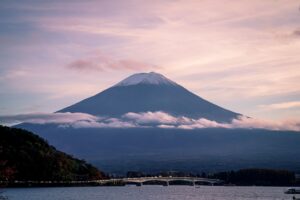
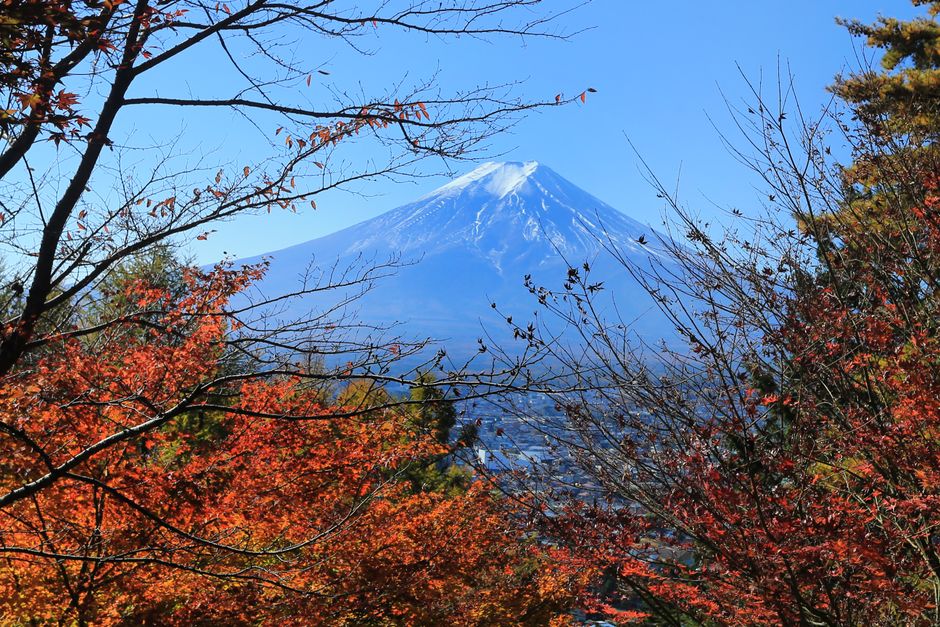
If you plan to climb Mount Fuji, located about 100 km from central Tokyo, do not underestimate the physical toll and the risk of altitude sickness. The weather near the summit is unpredictable, and temperatures can drop below freezing even in August. In response to overcrowding, authorities introduced new entry fees and daily hiker limits on the popular Yoshida Trail.
Always check the official Mount Fuji climbing website for the latest regulations. Never attempt bullet climbing (hiking through the night without sleeping), which significantly increases the risk of injury. Hikers should also be aware of an increase in bear sightings in rural, mountainous areas like the Japanese Alps and Hokkaido. When hiking trails outside the main cities, carry a bear bell and stick to well-marked paths.
Emergency Numbers
If you need urgent assistance, Japan has dedicated emergency lines. Operators may not always speak fluent English, but they can usually connect you to an interpreter. You can dial these numbers for free from any public payphone by pressing the red emergency button before dialling.
| Service | Number |
|---|---|
| Police | 110 |
| Fire and Ambulance | 119 |
| Coast Guard (for marine emergencies) | 118 |
| Japan Visitor Hotline (JNTO) | 050-3816-2787 |
Plan Your Trip
Japan is an incredibly safe and welcoming destination for international visitors. By preparing for the weather, respecting local laws, and ignoring street touts, you will have a smooth journey. Purchase comprehensive travel insurance before you depart, ensuring it covers medical evacuation and natural disaster disruptions.
Before you fly, check out our Japan Travel Tips: What to Know Before You Go for practical advice on navigating the country, from using IC cards to understanding local etiquette. To figure out the best way to move between cities, read our analysis on the Japan Rail Pass: Is It Still Worth It?.