The best time to visit Japan is during the spring (March to May) and autumn (September to November). These seasons offer mild, comfortable temperatures and the chance to see the country’s famous cherry blossoms or vibrant autumn foliage. However, Japan is an archipelago stretching over 3,000 km from north to south, meaning the weather varies drastically depending on where you go.
If you are planning your first trip, knowing what to expect from the climate is essential for packing and booking. Our Japan guide and broader Asia guide are excellent starting points for your research. Below, we break down the weather by region, month, and experience to help you choose the perfect travel dates.
The Overall Best Time to Visit Japan
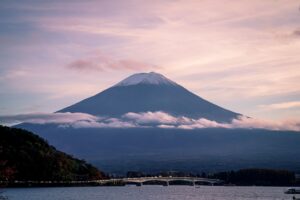
For most travellers, spring and autumn are the undisputed champions of Japanese travel. During these months, daytime temperatures in central areas like Tokyo, Kyoto, and Osaka hover between 15°C and 22°C (59°F to 72°F). The skies are generally clear, making it easier to spot Mount Fuji, and the humidity is low.
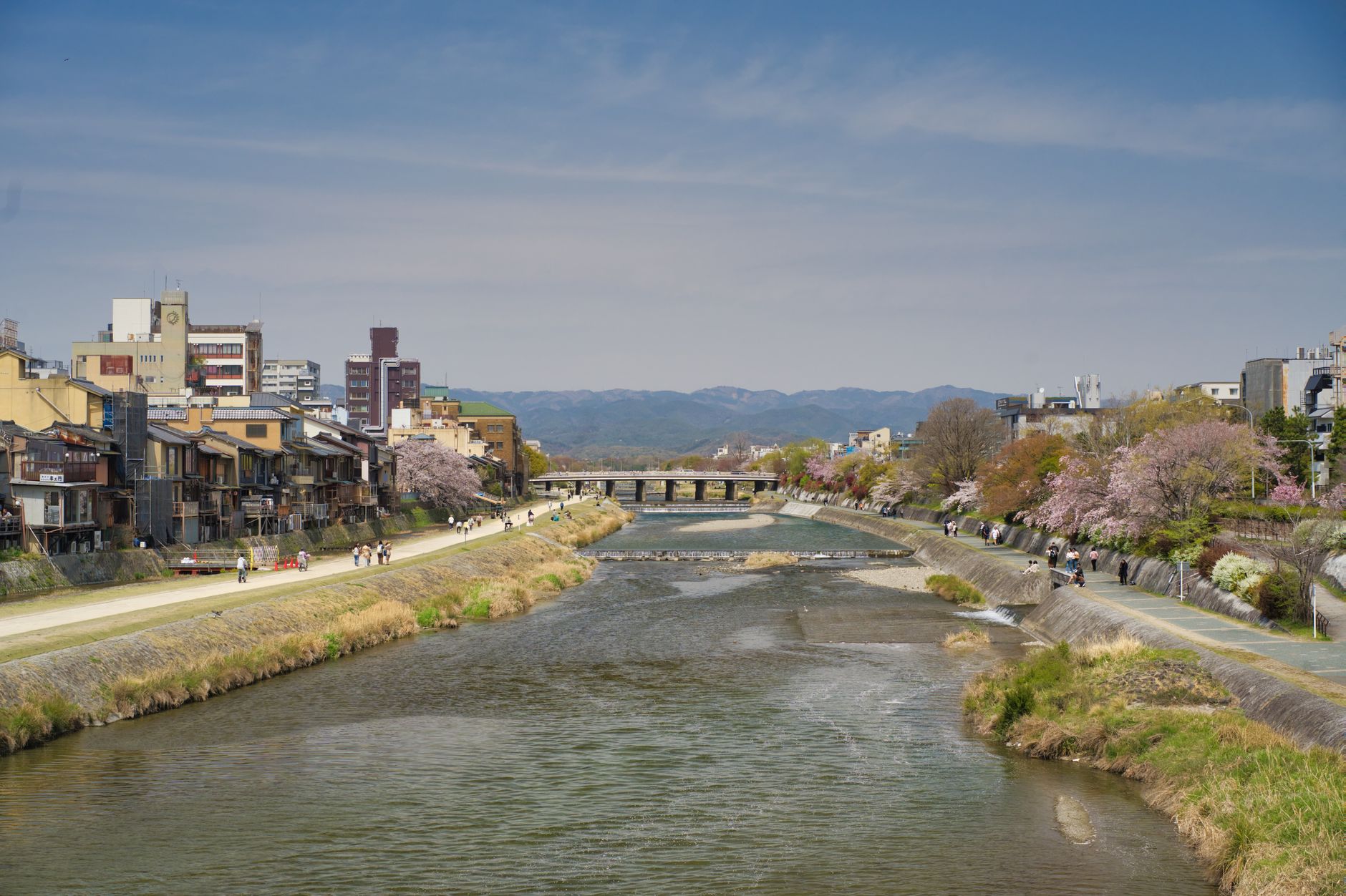
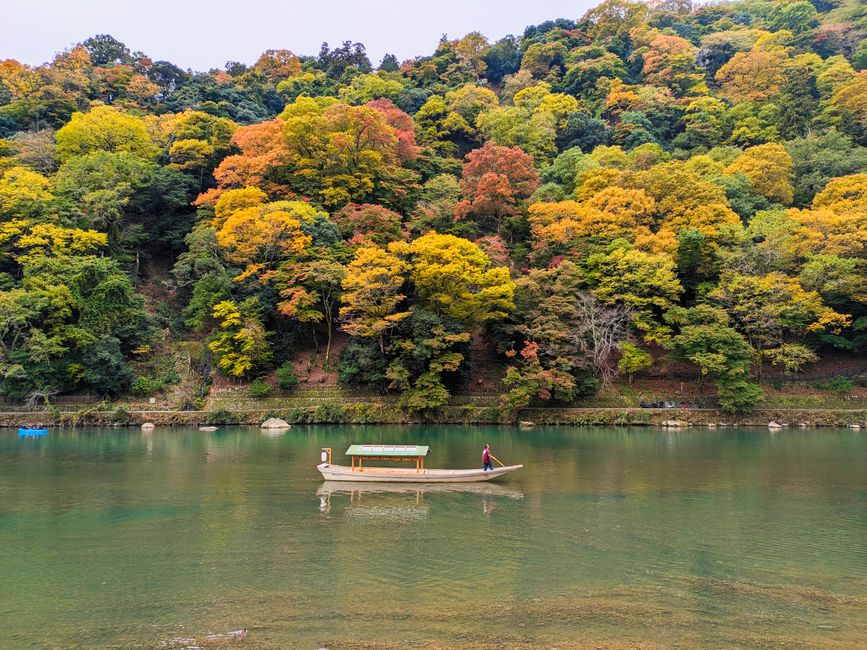
Spring brings the iconic sakura (cherry blossoms), transforming parks and riverbanks into seas of pale pink. Autumn delivers koyo (autumn leaves), turning the mountainsides and temple gardens into brilliant shades of red, orange, and gold. Because the weather is so favourable, these are also the busiest and most expensive times to visit. You should expect to pay $150 to $300 per night for mid-range hotels in popular cities, and you will need to book accommodation months in advance.
If you want to avoid the heaviest crowds but still enjoy decent weather, consider late May or late October. To structure your trip during these peak seasons, look at our Japan itinerary for 7, 10, and 14 days.
Weather and Seasons by Region
Japan’s diverse geography means you can be skiing in the north while others are sunbathing in the south. Here is what to expect across the main regions.
Hokkaido
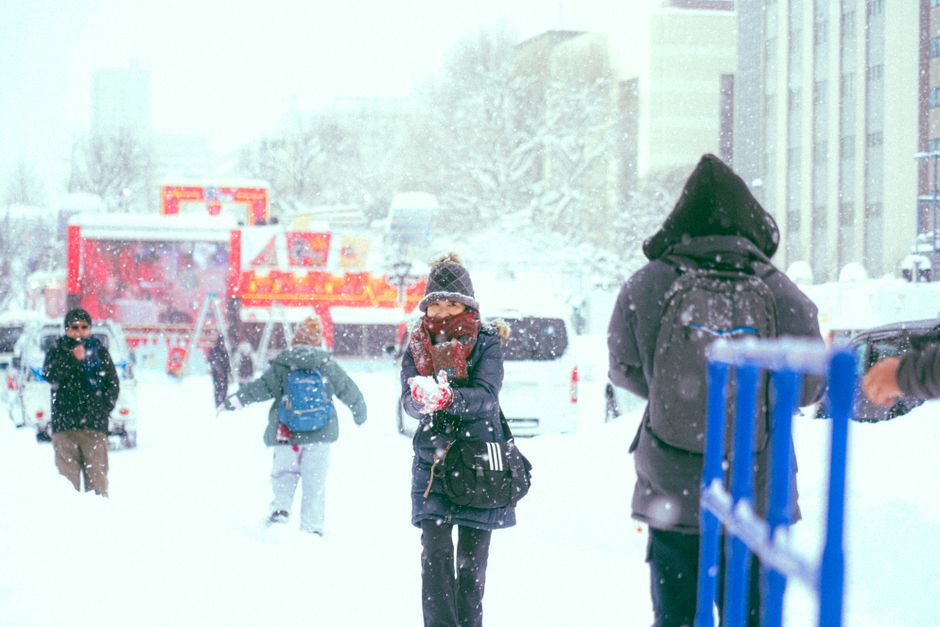
Japan’s northernmost island is famous for its long, harsh winters and exceptional powder snow. From December to March, temperatures regularly drop below -10°C (14°F). If you are visiting for winter sports in Niseko or Furano, this is the place to be. Summers in Hokkaido are mild and pleasant, averaging around 22°C (72°F) in July and August. Unlike the rest of Japan, Hokkaido largely escapes the intense summer humidity and the June rainy season, making it a perfect summer retreat.
Honshu (Tokyo, Kyoto, Osaka, and the Alps)
The main island of Honshu experiences four very distinct seasons. Winters are cold but generally dry and sunny on the Pacific coast (Tokyo), with temperatures around 5°C to 10°C (41°F to 50°F). The mountains in Nagano and Niigata, however, receive heavy snowfall. Summers are notoriously hot and humid. From mid-July through August, temperatures frequently exceed 35°C (95°F) with crushing humidity. June brings the tsuyu (rainy season), which can mean weeks of persistent drizzle.
Shikoku and Kyushu
Located further south, these islands experience earlier springs and lingering autumns. Winters are mild, rarely dropping below freezing in the coastal cities. Summers here are intensely hot and humid, and these regions are often the first to be hit by typhoons rolling in from the Pacific between August and October.
Okinawa
Okinawa is a subtropical island chain far to the south. The climate here is entirely different from the mainland. Even in January, temperatures sit around 17°C (63°F). The peak beach season runs from April to October, with summer temperatures hovering around 32°C (90°F). Okinawa also has an earlier rainy season, usually starting in early May and ending by late June.
Month-by-Month Weather Guide
To help you decide the best time to visit Japan, here is a breakdown of what to expect each month in central Japan (Tokyo/Kyoto).
| Month | Average Temp (Tokyo) | Weather Conditions | Key Highlights |
|---|---|---|---|
| January | 5°C (41°F) | Cold, dry, sunny | Winter sports, New Year shrines |
| February | 6°C (43°F) | Coldest month, dry | Sapporo Snow Festival, plum blossoms |
| March | 9°C (48°F) | Warming up, variable | Early cherry blossoms in the south |
| April | 14°C (57°F) | Mild, pleasant | Peak cherry blossoms, Golden Week begins |
| May | 18°C (64°F) | Warm, sunny, green | Excellent hiking, wisteria blooming |
| June | 21°C (70°F) | Rainy season, humid | Hydrangeas in Kamakura |
| July | 25°C (77°F) | Hot, very humid | Mt. Fuji climbing opens, Gion Matsuri |
| August | 27°C (81°F) | Peak heat, typhoons | Summer festivals, fireworks, Obon |
| September | 23°C (73°F) | Warm, typhoon risk | Silver Week, late summer hiking |
| October | 18°C (64°F) | Cooling, clear skies | Autumn leaves begin in the Alps |
| November | 12°C (54°F) | Crisp, dry, cool | Peak autumn leaves in Kyoto/Tokyo |
| December | 8°C (46°F) | Cold, clear, dry | Winter illuminations, skiing begins |
January to March: Winter and Early Spring
January and February are the coldest months. In Tokyo and Kyoto, you will need a heavy winter coat, but skies are usually clear and blue. This is the absolute best time for skiing in Hokkaido and the Japanese Alps. If you are visiting a hot spring town like Hakone or Kusatsu, the cold air makes the outdoor baths incredible. Make sure you brush up on your onsen etiquette before you go. By late February, plum blossoms (ume) begin to bloom at spots like Kairakuen in Mito. March starts chilly but warms up significantly, with cherry blossoms starting to open in Kyushu and Shikoku by the end of the month.
April to June: Spring and the Rainy Season
April is peak tourist season. The weather is mild, requiring only a light jacket, and the cherry blossoms sweep across Honshu. May is arguably one of the best months to visit; the cherry blossom crowds have dispersed, the landscapes are lush and green, and the weather is warm without being oppressive. By mid-June, the tsuyu (rainy season) sets in across most of Japan. It does not necessarily pour all day, but you can expect overcast skies and frequent drizzle. Humidity rises sharply.
July to September: Summer Heat and Typhoons
The rainy season usually breaks in mid-July, ushering in the true Japanese summer. August is fiercely hot, with daytime highs often feeling closer to 40°C (104°F) due to the humidity. You will need breathable clothing, a sun parasol, and plenty of water. Despite the heat, summer is festival season, with spectacular fireworks displays and neighbourhood matsuri. September remains warm and sticky, but it is also the peak of typhoon season. Heavy rains and high winds can disrupt travel plans, so keep your itinerary flexible.
October to December: Autumn and Early Winter
October brings a welcome relief from the heat. The humidity drops, and temperatures return to a comfortable 18°C to 22°C (64°F to 72°F). November is stunning, with crisp, dry air and the explosion of autumn colours across the country. December is noticeably colder, but the cities compensate with elaborate winter illumination displays. It is a quieter month for tourism, making it a great time to explore without the crowds.
Best Time to Visit Japan for Key Experiences
Cherry Blossom Season
If seeing the sakura is your main goal, timing is everything. The blossoms only last for about a week in any given location. In general, they bloom in late March in Fukuoka, early April in Tokyo and Kyoto, mid-April in the Japanese Alps (like Takayama), and early May in Hokkaido. Tracking the annual forecasts is essential. For a detailed breakdown of locations, read our guide on the cherry blossom season in Japan.
Autumn Leaves (Momijigari)
Unlike cherry blossoms, autumn leaves stick around longer, usually lasting a few weeks in each region. The colours start in Hokkaido in October and slowly move south. The best time to see the maple leaves in Kyoto at iconic spots like Arashiyama or Kiyomizu-dera is usually the last two weeks of November. Tokyo follows a similar timeline, with the ginkgo trees turning a brilliant yellow in late November.
Hiking Mount Fuji
Mount Fuji is only officially open to hikers during the summer. The Yoshida Trail opens in early July, while the other trails open in mid-July. All trails close in early September. The best time to climb is late July or August to avoid the rainy season, though you should expect heavy crowds on the mountain during the Obon holiday in mid-August.
First-Time Visitors
If you want to see a mix of modern cities, traditional temples, and natural beauty without extreme weather, late May or November are ideal. To help you plan your route, check out our two weeks in Japan first-timer itinerary.
Japanese Holidays and Festivals to Plan Around
When planning the best time to visit Japan, you must factor in domestic holidays. During these periods, hotels double in price, Shinkansen (bullet trains) book out completely, and tourist sites are packed with locals.
- Golden Week (Late April to Early May): A cluster of four national holidays. Avoid travelling during this week if possible, as the entire country is on the move.
- Obon (Mid-August): A Buddhist event honouring ancestors. Many people return to their hometowns, causing massive transport bottlenecks.
- New Year (Shogatsu): From December 29 to January 3, many museums, gardens, and smaller restaurants close. However, visiting a shrine at midnight on New Year’s Eve is a wonderful cultural experience.
If you are travelling during these times, book your accommodation and transport months in advance. To understand budgeting for peak versus off-peak times, review how much a trip to Japan costs.
Logistics and Planning Your Trip
Japan is incredibly efficient, but weather can still cause disruptions. If you visit between August and October, be aware that typhoons can ground flights and suspend train services. Always check the Japan Meteorological Agency for warnings. If you plan to travel extensively by train, you should calculate whether the Japan Rail Pass is still worth it for your specific route, as prices increased significantly recently.
Before you book your flights, ensure you meet all entry rules by checking the Japan visa and entry requirements. While the country is famous for its low crime rate, it is still wise to read up on safety tips for travellers in Japan, particularly regarding earthquake preparedness. Finally, familiarise yourself with local customs and transport etiquette by reading our comprehensive Japan travel tips.
Plan Your Trip
There is no truly bad time to visit Japan, only different experiences. Decide what matters most to you—whether it is skiing deep powder, hiking in a t-shirt, or photographing temples framed by red maple leaves. Once you choose your season, book your flights and hotels early, especially if you are aiming for spring or autumn.