If you are planning a holiday across the Atlantic and wondering, is usa safe, the short answer is yes. Millions of international tourists visit the United States every year without experiencing any issues. However, the country is roughly the same size as the entire European continent. Safety conditions change drastically depending on whether you are navigating a bustling metropolis, driving through remote deserts, or hiking in dense forests.
To enjoy a secure trip, you need to understand local weather patterns, stay alert in urban centres, and research your specific destinations. What is true for a sleepy coastal town in Maine will not apply to downtown Los Angeles. For a broad overview of planning your trip, start with our comprehensive USA guide.
Understanding Crime and Tourist Scams
When international travellers ask is usa safe, they are usually thinking about crime statistics. While the US does have higher crime rates than many European or Asian countries, the reality on the ground for tourists is much less intimidating than the news suggests.
Violent Crime and Gun Safety
Gun violence is a serious domestic issue in the US, but it is statistically highly unlikely to affect tourists. Violent crime is largely concentrated in specific neighbourhoods that tourists have no reason to visit, and it is usually linked to gang activity or domestic disputes. As a visitor sticking to sightseeing districts, national parks, and main transport routes, your risk of encountering violent crime is extremely low.
Petty Theft and Car Break-Ins
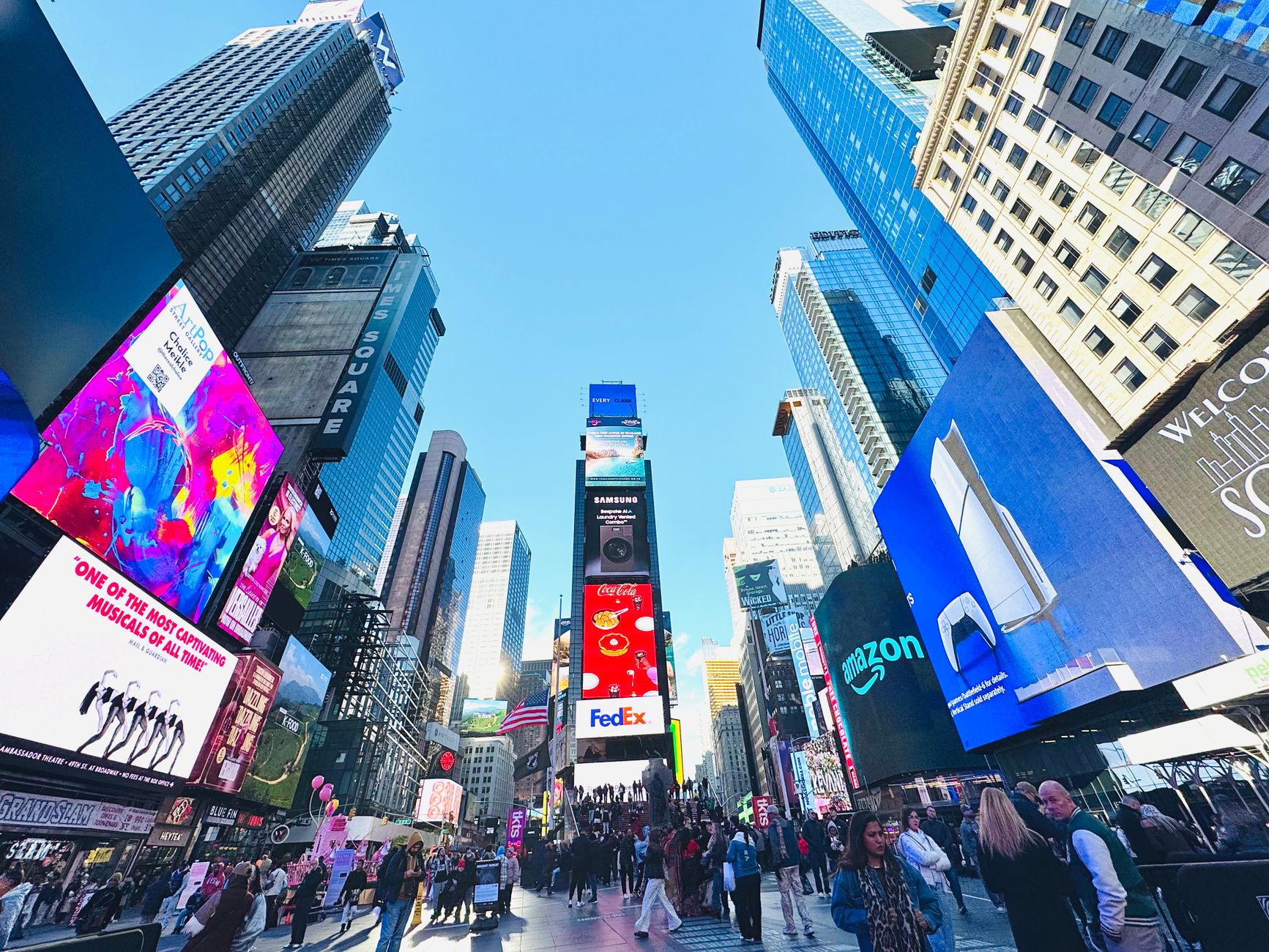
Your primary security concern will be property crime. Pickpocketing happens in crowded tourist hubs like Times Square in New York or the Las Vegas Strip, though it is less prevalent than in many European capitals. Keep your wallet in a front pocket and use a zipped cross-body bag.
Car break-ins, however, are a major issue, particularly on the West Coast. Cities like San Francisco and Los Angeles have seen a surge in “smash and grab” thefts. If you park your rental car at a city meter or a scenic viewpoint, leave absolutely nothing visible inside. Even a charging cable, a pair of sunglasses, or a jacket on the back seat can result in a smashed window. Always lock your luggage in the boot (trunk) before you arrive at your destination.
Common Tourist Scams
Scams in the US are generally straightforward. In New York, ignore people trying to thrust a “free” CD into your hands, as they will aggressively demand a tip of $10 to $20 once you take it. The same applies to costumed characters on Hollywood Boulevard in Los Angeles or Times Square; if you take a photo with them, they expect payment.
Be cautious of pedicabs (cycle rickshaws) in major cities, as they often charge exorbitant per-minute rates that can result in a $100 ride for a distance you could have walked in ten minutes. Finally, always buy attraction tickets from official sources. Scammers frequently sell fake tickets for the Staten Island Ferry in New York, which is actually a free public service.
City Safety: Neighbourhoods to Take Care In
Urban safety in the US is highly localised. A perfectly safe, wealthy street can sit just two blocks away from an area struggling with poverty and crime. Researching your specific hotel location is vital.
New York City
Manhattan is heavily policed and generally very safe for tourists, even at night. The subway system operates 24 hours a day and is safe during daylight and early evening hours. Late at night, it is wiser to take a licensed yellow cab or a ride-share app like Uber or Lyft, especially if you are travelling to the outer boroughs. Avoid walking through unlit areas of Central Park after dark.
Los Angeles and San Francisco
In Los Angeles, the tourist areas of Santa Monica, West Hollywood, and Beverly Hills are safe. However, Downtown LA contains Skid Row, an area with a severe homelessness crisis and high drug use; it should be avoided entirely. Similarly, in San Francisco, the Tenderloin district sits right next to the popular Union Square shopping area. It is best to route your walks around the Tenderloin, particularly after sunset.
Chicago and New Orleans
Chicago’s downtown Loop, River North, and Magnificent Mile are bustling and secure. The city’s higher crime rates are largely confined to parts of the South Side and West Side, far from typical tourist itineraries. In New Orleans, the French Quarter is heavily patrolled and safe for enjoying the nightlife. However, wandering just a few blocks north into the Tremé neighbourhood or walking alone in the Marigny after dark is not recommended.
Natural Hazards and Extreme Weather
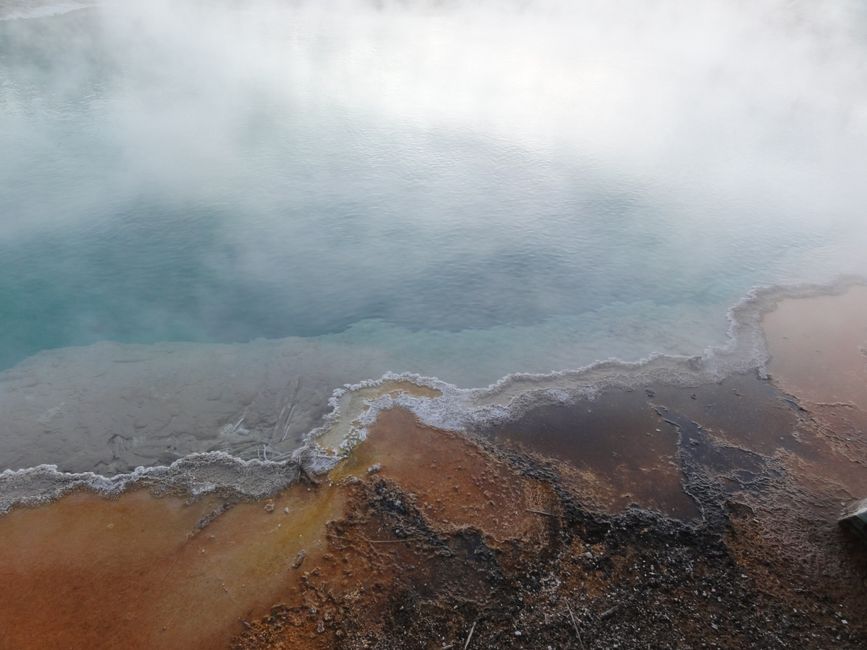
The US experiences some of the most extreme weather on the planet. Depending on where and when you visit, natural hazards can pose a much greater risk than crime. Always check local forecasts and heed evacuation warnings.
| Region | Primary Hazard | Peak Season |
|---|---|---|
| Florida & Gulf Coast | Hurricanes and Tropical Storms | June to November |
| California & West Coast | Wildfires and Earthquakes | August to November (Fires) |
| Midwest & South | Tornadoes | April to June |
| Southwest (Desert) | Extreme Heat | June to September |
| Northeast & Rockies | Winter Blizzards | December to March |
If you are visiting the Southwest, heat is a silent killer. Summer temperatures in places like Death Valley, Las Vegas, or the Grand Canyon regularly exceed 40°C (104°F). Tourists frequently underestimate the dry heat. Carry excess water, wear a hat, and avoid hiking between 10 AM and 4 PM.
In California, late summer and autumn bring severe wildfire risks. Air quality can plummet to dangerous levels, and road closures are common. If you are travelling during hurricane season on the East Coast, monitor the National Hurricane Center. For a detailed breakdown of regional climates, read our guide on the Best Time to Visit USA: Weather and Seasons by Region.
Wildlife and Outdoor Safety
When exploring the Best National Parks in the USA, you must respect the local wildlife. In Yellowstone, tourists are frequently injured because they try to take selfies with bison. These are massive, unpredictable animals; park rules require you to stay at least 23 metres (25 yards) away.
If you are hiking in bear country, such as Glacier National Park or the Rocky Mountains, hike in groups, make noise on the trail, and carry bear spray (and know how to use it). In Florida and the Deep South, assume any body of fresh water contains alligators. Never swim in unapproved lakes or let small children play near the water’s edge.
In the desert Southwest, be mindful of rattlesnakes and scorpions. Always stay on marked trails, do not put your hands into rocky crevices, and shake out your shoes before putting them on in the morning.

Health Risks and Travel Insurance
The US has world-class medical facilities, but the healthcare system is entirely privatised and notoriously expensive. A simple visit to the emergency room for a sprained ankle or minor infection can easily cost between $1,000 and $3,000. A serious injury requiring surgery can bankrupt you.
You must purchase comprehensive travel insurance with high medical coverage (at least $1 million) before you arrive. This is a non-negotiable addition to your USA Travel Cost: How Much Does a Trip Cost? budget. If you need minor medical attention, look for an “Urgent Care” clinic rather than a hospital emergency room, as they are significantly cheaper and faster.
No specific vaccinations are required to enter the US, but ensure your routine jabs are up to date. If you are hiking in the Northeast during summer, be aware of ticks that carry Lyme disease. Wear long trousers and use insect repellent containing DEET.
Transport Safety: Driving and Public Transit
Renting a car is often the best way to see the country, whether you are tackling a classic Route 66 Road Trip or cruising the coastline on a California Road Trip: Pacific Coast Highway. Driving is on the right-hand side of the road.
Distances in the US are vast and often underestimated by international visitors. For example, driving from Los Angeles to the Grand Canyon is roughly 800 km and takes about eight hours. Do not plan to drive 1,000 km in a single day. If you are driving in remote desert areas, ensure you have a full tank of petrol, extra water, and offline maps downloaded, as mobile phone signal frequently drops out.
Familiarise yourself with local driving laws. In most states, you are allowed to make a right turn on a red light after coming to a complete stop, unless a sign explicitly forbids it. You will also encounter four-way stop junctions; the rule is that the first car to arrive at the junction has the right of way.
Entry Requirements and Visas
Before you book your flights, ensure you have the correct documentation. Most citizens of the UK, Australia, New Zealand, and the EU qualify for the Visa Waiver Program. You must apply for an Electronic System for Travel Authorization before you fly. Read our guide on ESTA Explained: Who Needs It and How to Apply for the step-by-step process.
If you do not qualify for an ESTA—for example, if you have visited certain restricted countries in recent years—you will need to apply for a traditional tourist visa at a US embassy. This process can take months. Find out more in our USA Visa and Entry Requirements guide.
Emergency Numbers and Practical Advice
The emergency number for police, fire, and ambulance services across the entire United States is 911. Operators are available 24/7. In many major cities, you can also dial 311 for non-emergency municipal services, such as reporting a noise complaint or a parking issue.
If you are heading into remote national parks, consider renting a satellite messenger device. Cell towers are sparse in mountainous and desert regions, and having a way to contact emergency services if your vehicle breaks down is crucial.
Plan Your Trip
The United States is an incredible, diverse destination that is highly rewarding for travellers who plan ahead. By staying street-smart in the cities, respecting the harsh natural environments, and securing good travel insurance, you can ensure a safe and memorable holiday.
Ready to start mapping out your route? Check out our USA Itinerary: 7, 10 and 14 Days to help structure your time. For a broader look at the continent and neighbouring countries, browse our North America guide. Finally, make sure you read our top USA Travel Tips: What to Know Before You Go so you arrive fully prepared for your American adventure.