The best time to visit the USA depends entirely on where you are going and what you want to do. Spanning six time zones and multiple climate zones, this massive country offers skiing in the Rockies and sunbathing in Florida on the exact same day in February. Generally, the best time to visit USA destinations across the board is during the shoulder seasons of spring (April to May) and autumn (September to October).
During these months, you bypass the intense summer heat of the southern states and the freezing winter blizzards of the north. You also avoid the highest domestic travel prices. Read our comprehensive USA guide and North America guide to start narrowing down your route.
Best Time to Visit USA by Region
Because the country is so vast, looking at national weather averages is useless. You need to plan your timing based on the specific region you intend to explore.
Northeast (New York, Massachusetts, Washington D.C.)
The Northeast experiences four very distinct seasons. Summer (June to August) is hot and highly humid, with cities like New York frequently hitting 30°C (86°F) in July. Winter brings heavy snowfall and sub-zero temperatures, especially in Boston and upstate New York, which can disrupt flights and trains.
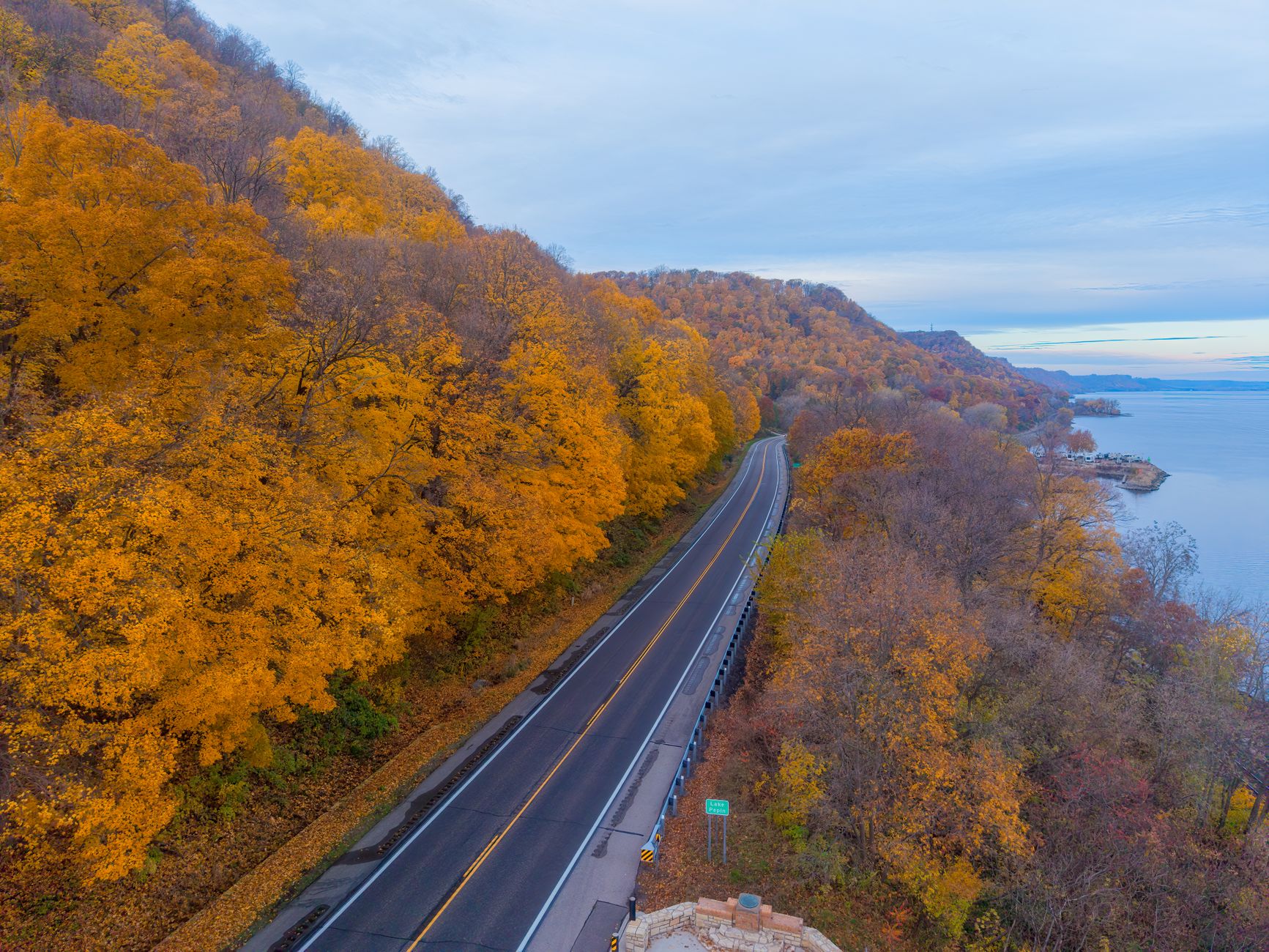
Autumn (September and October) is spectacular here. The air is crisp, hovering around 15°C (59°F), and the famous fall foliage turns the region red and gold. Spring is mild but can be wet, though late March to early April is the perfect time to catch the cherry blossoms in Washington D.C.
Southeast (Florida, Louisiana, Georgia)
Summers in the Southeast are sweltering and extremely humid, regularly topping 33°C (91°F) with intense daily afternoon thunderstorms. This region is also prone to extreme weather; hurricane season runs from June through November, peaking in August and September. If you are travelling during this window, read our guide on Is USA Safe to Visit? Safety Tips for Travellers for advice on monitoring weather warnings.
Winter (December to February) is the peak tourist season in Florida for good reason. The weather is dry, sunny, and pleasant, hovering around 20°C to 24°C (68°F to 75°F). Spring is also an excellent time to visit cities like New Orleans or Charleston before the stifling humidity sets in.
Midwest (Illinois, Michigan, Ohio)
Chicago and the Great Lakes region experience notoriously brutal winters. January temperatures frequently drop below -5°C (23°F), accompanied by biting winds off the lakes. Unless you are visiting family for the holidays, winter is a tough time for sightseeing here.
Conversely, summers are warm and sunny, making June to August the ideal time to visit the lakefronts and outdoor festivals, despite the humidity. September is a fantastic compromise, offering mild days around 22°C (71°F), cool evenings, and far fewer crowds at major attractions.
Southwest (Arizona, Utah, Nevada, New Mexico)
This desert region is home to iconic landscapes like the Grand Canyon, Zion, and Monument Valley. Summer here is dangerously hot. Temperatures in places like Phoenix or Death Valley easily exceed 40°C (104°F), making daytime hiking hazardous and often leading to trail closures.
The optimal times to explore the best national parks in the USA are March to May and October to November. During these months, daytime highs sit at a comfortable 20°C to 25°C (68°F to 77°F). Just remember that desert nights remain freezing, so pack heavy layers even in spring.
West Coast & Pacific Northwest (California, Oregon, Washington)
The Pacific Northwest (Seattle, Portland) is notoriously rainy and grey from November to April. Summer is their dry season, making July and August perfect for outdoor activities with comfortable highs around 24°C (75°F).
California is massive and varied. San Francisco famously experiences “June Gloom” with thick summer fog, making September and October its warmest, clearest months. Southern California (Los Angeles, San Diego) boasts a year-round Mediterranean climate, though late summer can bring severe wildfires. If you are planning a California Road Trip: Pacific Coast Highway, September is arguably the most reliable month for clear coastal views and mild weather.
Rocky Mountains (Colorado, Wyoming, Montana)
High altitudes mean long, snowy winters. The ski season runs reliably from December through March, drawing massive crowds to resorts like Aspen and Jackson Hole. If you want to hike in places like Yellowstone or Glacier National Park, you must wait until July or August.
Many high-elevation roads, like the Going-to-the-Sun Road in Montana, do not open until late June due to heavy snowpack. September is beautiful for autumn colours in the mountains, but early snowstorms can close roads without warning.
Alaska and Hawaii
Alaska has a very short tourist season. Mid-June to mid-August is the only reliable window for cruising the Inside Passage or visiting Denali National Park, with temperatures around 15°C (59°F). Outside this window, many tourist services shut down entirely.
Hawaii is a year-round destination with stable temperatures of 26°C to 30°C (79°F to 86°F). Winter brings massive surfing waves to the North Shore and peak hotel rates as mainland Americans flee the cold. September and October offer the best value for money and quieter beaches.
Month-by-Month Guide to the Best Time to Visit USA
| Month | Weather Overview | Best Regions to Visit | Key Events & Festivals |
|---|---|---|---|
| January | Freezing in the north; mild in the south. Heavy snow in the Rockies. | Florida, Hawaii, Colorado (for skiing) | Sundance Film Festival (Utah) |
| February | Coldest month for much of the country. Great winter sports conditions. | Southern California, Florida, Rockies | Mardi Gras (New Orleans – dates vary) |
| March | Spring begins in the south. The north remains cold and wet. | Southwest deserts, Texas, Georgia | South by Southwest (Austin) |
| April | Mild and pleasant across the central and southern states. | Washington D.C., Utah, California | National Cherry Blossom Festival (D.C.) |
| May | Excellent weather nationwide. Warm but not yet humid. | Northeast, Route 66, Pacific Coast | Indy 500 (Indiana) |
| June | Summer heat begins. National parks get very busy. | Midwest, Pacific Northwest, Alaska | Pride Month (Nationwide) |
| July | Peak heat, humidity, and domestic crowds. | Pacific Northwest, Alaska, Rockies | Independence Day (4th of July) |
| August | Sweltering in the south. Peak hurricane risk begins. | Great Lakes, Washington, Oregon | Sturgis Motorcycle Rally (South Dakota) |
| September | Heat breaks. Crowds thin out. Excellent travel conditions. | California coast, Southwest, Midwest | Labor Day (Early Sept) |
| October | Crisp autumn air. Famous fall foliage in the north. | New England, New York, Utah | Albuquerque International Balloon Fiesta |
| November | Temperatures drop sharply. Snow begins in the mountains. | Southwest, Florida, Hawaii | Thanksgiving (Late Nov) |
| December | Festive atmosphere in cities. Cold and snowy in the north. | New York City, Chicago, Ski Resorts | Art Basel (Miami), New Year’s Eve |
Best Time for Key USA Experiences
Classic American Road Trips
Driving across the country takes careful timing to avoid snow in the mountain passes and severe storms in the central plains. Spring and autumn are the safest bets for cross-country routes. If you are tackling a Route 66 Road Trip, May or September will give you comfortable driving weather through the Mojave Desert and clear roads in Illinois.
Remember that distances are vast; driving from Chicago to Los Angeles is nearly 4,000 km. You do not want to be doing that drive in July without reliable air conditioning or in January dealing with black ice.
Exploring the National Parks
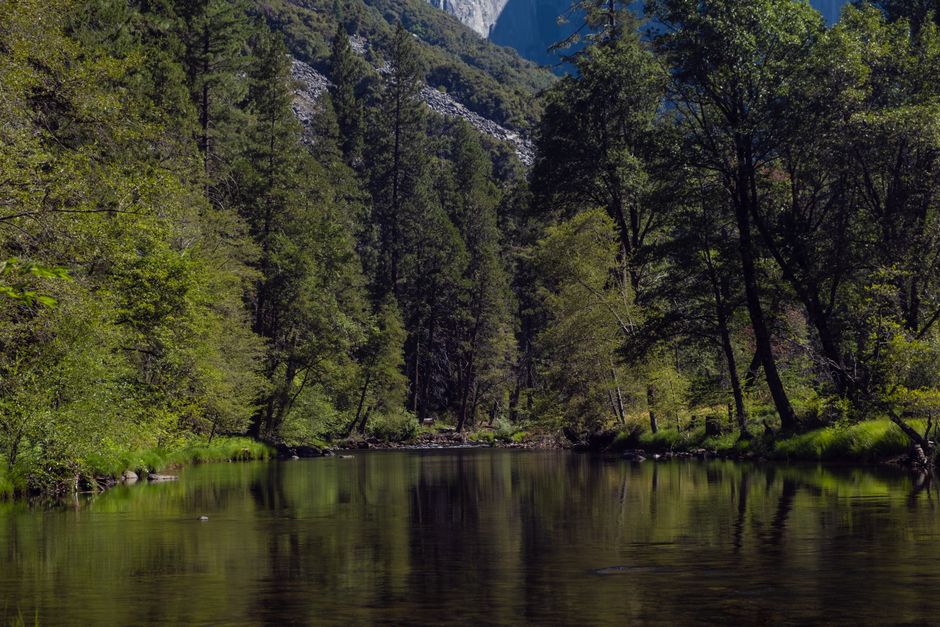
Timing is critical for the national parks. Summer brings massive crowds to Yellowstone, Yosemite, and the Grand Canyon, often leading to traffic jams and booked-out lodges. Many parks now require timed-entry reservations during the summer months just to drive through the gates.
Late spring (May) and early autumn (September) offer full access to park facilities with a fraction of the crowds. Before booking flights, check our suggested USA Itinerary: 7, 10 and 14 Days to see how much ground you can realistically cover in one trip.
City Breaks and Shopping
New York, Chicago, and Boston are spectacular in December for holiday window displays, ice skating, and festive markets. You just need to pack heavy layers. If you prefer walking between sights without freezing or sweating, aim for May or October.
For budget planning on city breaks, read our breakdown on USA Travel Cost: How Much Does a Trip Cost? to understand how seasonal hotel pricing fluctuates. Accommodation in Manhattan, for example, is drastically cheaper in January than it is in October.
Public Holidays and Festivals to Plan Around
The US calendar is packed with events that drastically affect hotel availability and domestic flight prices. Keep these periods in mind:
- Spring Break (March/April): University students flock to Florida, Texas, and the Gulf Coast. Avoid coastal resort towns during these weeks unless you want to join the parties.
- Memorial Day (Late May) & Labor Day (Early September): These two long weekends mark the unofficial start and end of summer. Expect heavy traffic on highways and packed campgrounds.
- Independence Day (4th of July): A fantastic cultural experience with fireworks and parades in every town, but accommodation in popular spots books out months in advance.
- Thanksgiving (Late November): The busiest travel week of the year in the US. Airports are chaotic, and domestic flights are incredibly expensive. However, major cities can be surprisingly quiet on the day itself.

Final Tips for Planning Your USA Trip
Once you have decided on the best time to visit USA destinations, sort out your paperwork early. Depending on your passport, you will need to arrange entry clearance before you book flights. Start with our guide on USA Visa and Entry Requirements.
If you hold a passport from a country in the Visa Waiver Program (like the UK or Australia), you must apply for an electronic authorisation. Read ESTA Explained: Who Needs It and How to Apply to ensure you use the official government site and avoid third-party scams.
Finally, book domestic flights at least two months in advance for summer travel. Remember that the US is heavily reliant on cars, so secure your rental vehicle early, especially if you need an automatic transmission in peak season. For more practical advice on tipping, transport, and local customs, read our USA Travel Tips: What to Know Before You Go.