Securing cheap broadway tickets requires a mix of flexibility, timing, and knowing exactly which apps and booths to use. While premium orchestra seats for hit musicals often exceed $200, you can routinely find tickets for $35 to $90 by entering digital lotteries, visiting the TKTS booth, or queuing for in-person rush tickets. Understanding these systems ensures you can experience world-class theatre without breaking your travel budget.
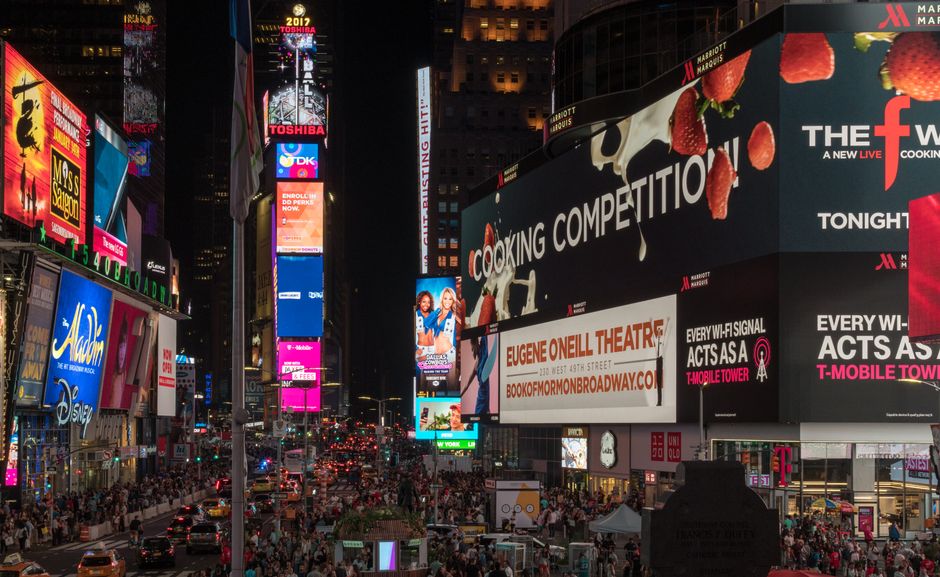
The Theatre District is the beating heart of Manhattan. Consisting of 41 official Broadway theatres, the area stretches roughly from 41st Street to 54th Street, between Sixth and Eighth Avenues. Catching a performance here is an essential part of any New York City guide. A theatre is only classified as “Broadway” if it has 500 or more seats and is located in this specific neighbourhood; everything else is considered Off-Broadway or Off-Off-Broadway.
Strategies for Cheap Broadway Tickets
You do not need to pay full price at the box office if you are willing to be flexible with your schedule and seat selection. The city offers several established systems designed to fill empty seats on the day of the performance.
The TKTS Booths
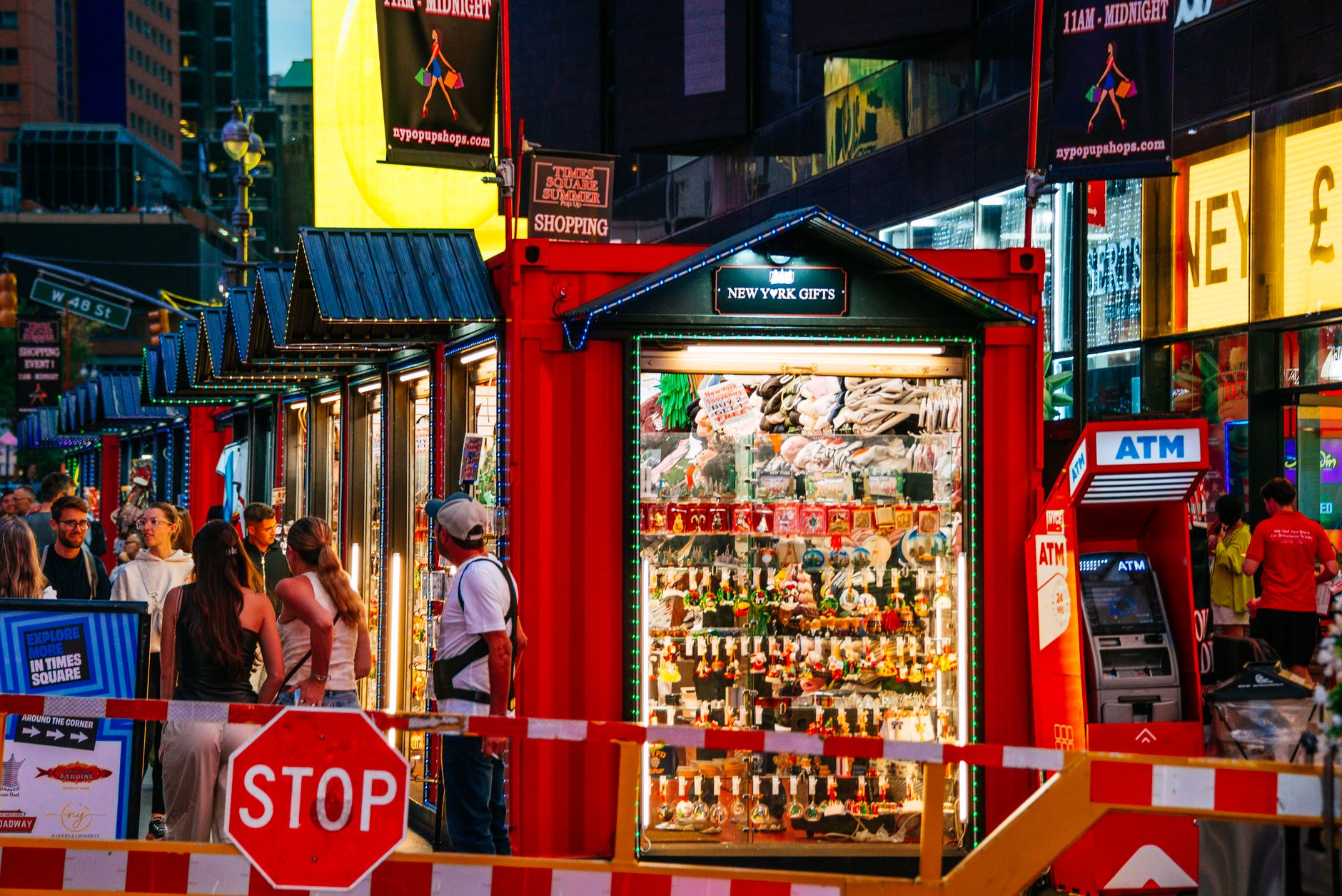
The most famous way to secure discounted seats is the TKTS booth, operated by the Theatre Development Fund (TDF). The primary booth is located under the illuminated red glass steps in Times Square, at the intersection of Broadway and 47th Street. It sells same-day tickets for evening performances, and next-day tickets for matinees, at 20% to 50% off the face value.
You will queue at the Times Square location, sometimes for up to an hour during peak seasons. However, there is a secondary TKTS booth located indoors at the David Rubenstein Atrium in Lincoln Center (Broadway and 62nd Street). This location is roughly 1.5 km north of Times Square, is entirely indoors, opens earlier in the day, and typically has much shorter queues. If you only want to see a non-musical play, look for the “Play Express” window at the Times Square booth to bypass the main queue.
Digital Lotteries and Rush Apps
For budget-conscious travellers, digital lotteries are the most efficient way to score highly discounted seats. Tickets usually range from $35 to $55. You can enter these lotteries via apps like TodayTix, or through official websites like Telecharge Digital Lottery, Broadway Direct, and Lucky Seat.
Most lotteries open the day before the performance and draw winners in the afternoon or the following morning. If selected, you generally have 60 minutes to claim and pay for your tickets online. The catch is that you will not know your exact seat location until you receive the ticket, and you might end up in the front row, a private box, or the rear balcony.
In-Person Rush Tickets
Many theatres allocate a small batch of heavily discounted tickets to be sold when the box office opens. This is called “in-person rush”. Box offices typically open at 10:00 AM from Monday to Saturday, and at 12:00 PM on Sundays. Rush tickets generally cost between $35 and $45.
For popular shows, dedicated fans will begin queuing on the pavement outside the theatre as early as 7:00 AM. For older or less in-demand shows, you can sometimes walk up to the box office at 10:30 AM and still secure a rush ticket. Always check the specific show’s official website to confirm they offer a rush policy before you queue.
Standing Room Only (SRO)
If a performance is completely sold out, the box office is permitted to sell Standing Room Only (SRO) tickets. These usually cost $30 to $40. You will be assigned a specific standing position at the very back of the orchestra section, behind the last row of seats. You must stand for the entire performance, which averages 2.5 hours, but you are given a padded rail to lean on.
Ticket Costs and Seating Dynamics
Broadway theatres are historically old buildings, and sightlines vary dramatically. When hunting for discounts, you may encounter “partial view” or “obstructed view” tickets. This means a structural pillar might block a corner of the stage, or you are seated so far to the side that you cannot see the extreme edges of the set. Box offices and official apps are legally required to label these seats clearly.
| Ticket Type | Price Range (USD) | Best For |
|---|---|---|
| Standard Advance | $100 – $300+ | Specific dates and guaranteed prime seats |
| TKTS Booth | $70 – $150 | Same-day flexibility with excellent views |
| Digital Lottery/Rush | $35 – $55 | Travellers willing to risk not winning |
| Standing Room Only | $30 – $40 | Sold-out shows and budget visitors |
The best value is often found in the front mezzanine section. Because Broadway theatres are relatively intimate, the first few rows of the mezzanine overhang the middle of the orchestra, providing a spectacular, unobstructed panoramic view of the stage choreography.
Performance Schedules and Logistics
Broadway operates on a strict weekly schedule. A standard week consists of eight performances. Evening shows typically begin at 7:00 PM on Tuesdays and Thursdays, and at 8:00 PM on Fridays and Saturdays. Matinee performances are usually scheduled for Wednesdays, Saturdays, and Sundays at 2:00 PM or 3:00 PM.
Mondays are traditionally the “dark” day in the Theatre District, meaning almost all Broadway theatres are closed. If you want to see a show on a Monday, you will need to look closely at the schedule, as only two or three long-running productions typically offer Monday evening performances.
Getting to the Theatre District is straightforward. The Times Square-42nd Street subway station is serviced by the 1, 2, 3, N, Q, R, W, 7, and S trains, putting almost every theatre within a 0.5 km radius of the station exits.
The Best Time to Buy Cheap Broadway Tickets
Ticket prices fluctuate heavily based on the tourist season. The absolute cheapest time to secure seats is during January and February. After the holiday crowds depart, demand drops significantly. Temperatures outside hover around 2°C (35°F), which deters casual visitors from queuing.
During this winter lull, the city hosts NYC Broadway Week. Despite the name, this promotion usually runs for two to three weeks and offers 2-for-1 tickets to almost every show on Broadway. A secondary Broadway Week takes place in September, another historically quiet month for tourism. To understand how these quiet periods align with broader city weather and events, consult our guide on the best time to visit New York City.
Insider Tips for Theatre-Goers
There is no formal dress code for Broadway. You will see attendees in evening gowns alongside tourists in jeans and trainers. However, theatres aggressively run their air conditioning year-round to combat the heat generated by the stage lighting. Even if it is 32°C (90°F) outside in July, you should bring a jumper or light jacket into the auditorium.
When you are shown to your seat, the usher will hand you a Playbill. This small yellow-and-black programme contains the cast list, biographies, and production credits. Playbills are completely free and serve as the perfect lightweight souvenir. If you wait by the stage door on the street after the show, actors will often come out to sign them for you.
Theatre facilities are notoriously cramped. The buildings were constructed in the early 20th century, meaning the toilets are small and the queues during the 15-minute intermission are immense. Plan to use a restroom at a nearby hotel or restaurant before you arrive at the theatre.
Mistakes to Avoid
Never buy tickets from individuals standing on the street in Times Square. Scalping is illegal, and street vendors are almost always selling fraudulent or voided tickets. Stick strictly to the physical box office, the official TKTS booths, or verified apps and websites.
Punctuality is critical. Broadway shows begin precisely at the stated curtain time. If you arrive late, the ushers will not let you to your seat immediately. You will be held in the lobby or at the back of the auditorium until a specific, director-approved break in the performance, which could mean missing the first 20 minutes of the show.
What to Combine with a Broadway Show
The Theatre District is surrounded by excellent dining designed specifically for ticket holders. Hell’s Kitchen, located just one avenue west along Ninth Avenue, is packed with independent restaurants. Most offer a “pre-theatre menu” with fast, efficient service to ensure you are out the door by 6:30 PM. For specific culinary recommendations in the area, check out what to eat in New York City.
If you are attending a matinee, spend your morning outdoors before sitting in a dark theatre. A walk through the city’s most famous green space is ideal; you can plan your route using our Central Park guide, then take a short subway ride south to Times Square for a 2:00 PM curtain.
Plan Your Trip
Integrating a theatre night into your broader holiday requires a bit of logistical planning. Start by mapping out your daily routes with our New York City itinerary to ensure you aren’t rushing back from Brooklyn just before curtain time.
Choosing accommodation near the theatres can save you late-night transit hassle, but you will want to avoid the immediate noise of Times Square. Review where to stay in New York City for the best nearby neighbourhoods. If you are fitting in major landmarks, remember to book your Statue of Liberty and Ellis Island tickets for a morning slot, leaving your evening free for the stage.
For a spectacular pre-show activity, consider heading up high to view the skyline at sunset. You can compare the options in our guide to the best NYC observation decks. If you have a longer stay and want a break from the dense urban grid, look into the best day trips from New York City.
Finally, for a complete overview of regional travel logistics across the country, refer to our USA guide, and make sure you haven’t missed any essential stops by browsing the best things to do in New York City.