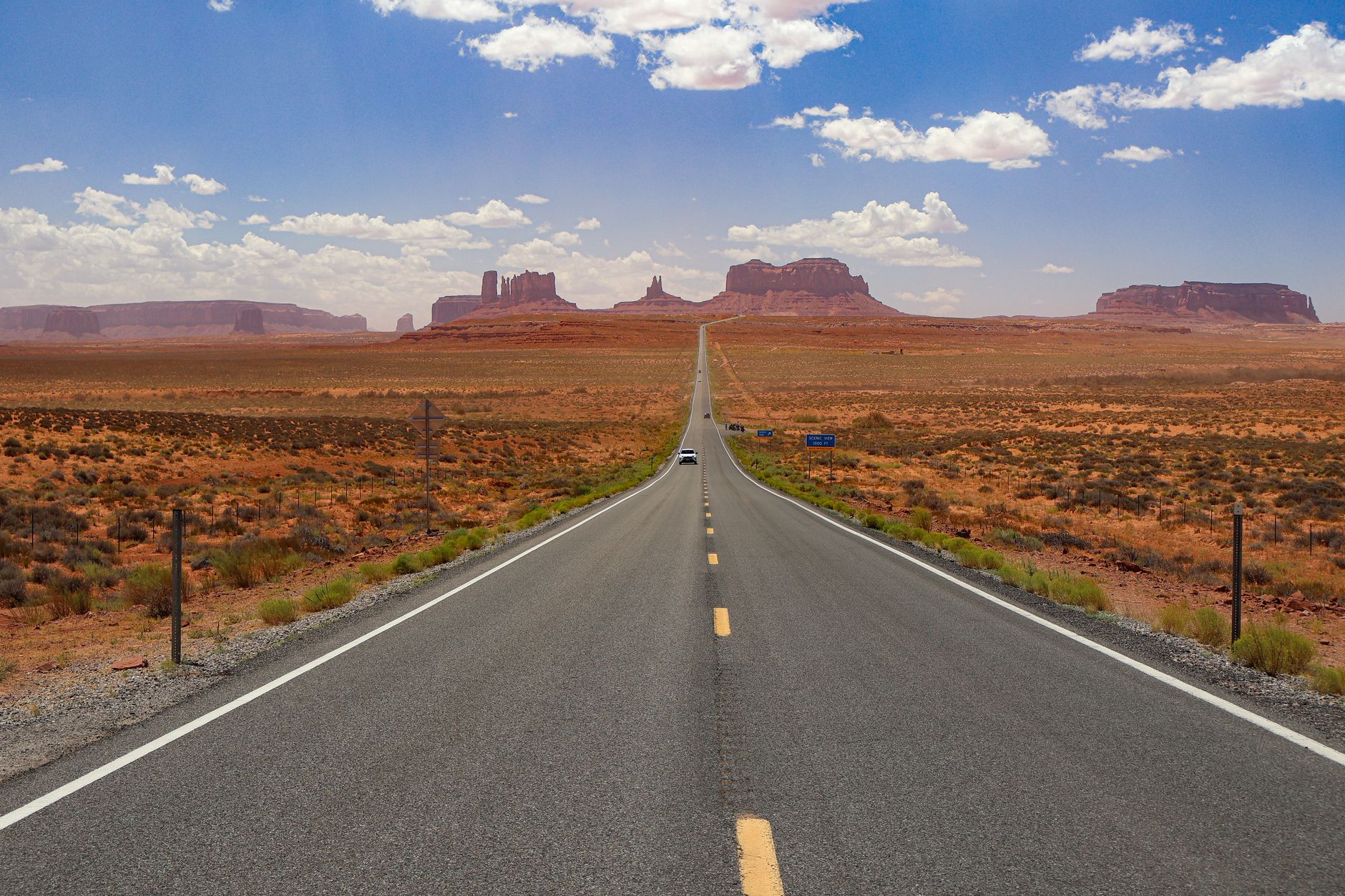
Planning a journey across the States requires a realistic budget. Your average usa trip cost will largely depend on the regions you visit and how you choose to get around. A two-week driving holiday through the Midwest will look very different financially than a fortnight bouncing between New York and Los Angeles. Before diving into the numbers, read our complete USA travel guide for an overview of planning your trip to this massive country.
Average USA Trip Cost Per Day
To help you plan, we have broken down the average daily costs into three travel styles. These estimates include accommodation, food, local transport, and activities, but exclude international flights and travel insurance.
| Travel Style | Daily Budget (Per Person) |
|---|---|
| Budget (Hostels, budget motels, fast food, public transit) | $120 – $180 |
| Mid-Range (3-star hotels, car rental, sit-down dinners) | $250 – $400 |
| Luxury (4/5-star hotels, fine dining, domestic flights) | $550+ |
Keep in mind that geography plays a huge role in your overall spend. Coastal cities like San Francisco, Seattle, and Boston are significantly more expensive than inland destinations like Ohio, Texas, or New Mexico. If you are combining the States with a trip to Canada or Mexico, check our North America guide to compare regional costs.
Accommodation Costs in the US
Accommodation will be the largest chunk of your usa trip cost. Hostels are surprisingly rare outside major hubs like Chicago, Miami, or San Francisco. Where they do exist, expect to pay $45 to $70 for a dorm bed. For budget travellers, roadside motels like Super 8, Motel 6, or Days Inn are the standard. These cost $70 to $120 per night and are essential if you are planning a classic Route 66 road trip.
Mid-range hotels, such as Hilton Garden Inn or Courtyard by Marriott, average $150 to $250 per night. In major cities, this price can easily jump to $300 during peak season. If you are booking an Airbnb, pay close attention to the final price. Cleaning fees and service charges can add $50 to $100 to a short stay, making traditional hotels cheaper for one or two nights.
Camping is a fantastic way to save money, particularly in the western states. Pitches in state and national park campgrounds typically cost $20 to $40 per night. However, you must book these months in advance through Recreation.gov, as spots in places like Zion or Yellowstone sell out instantly.
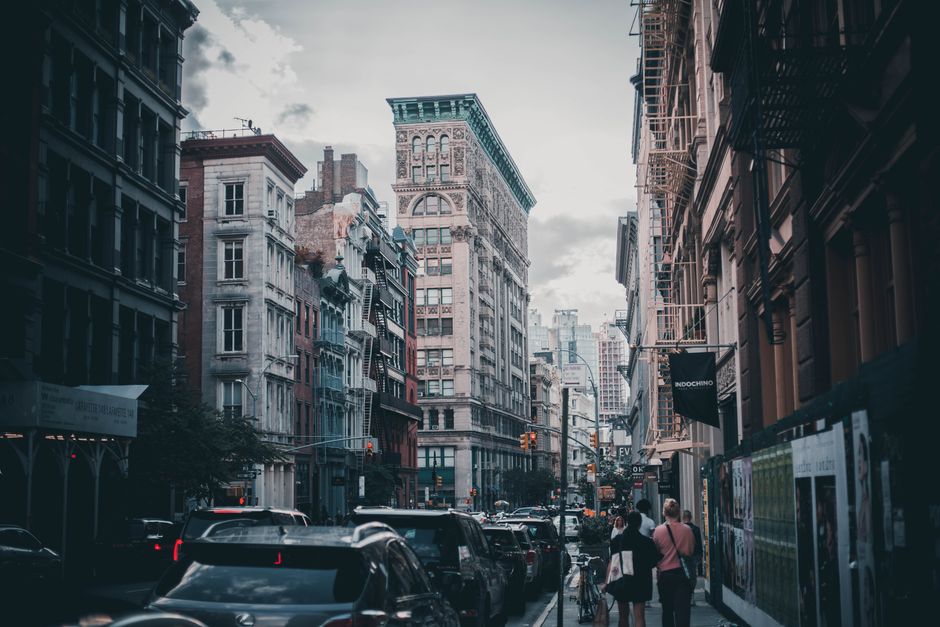
Food and Drink Prices
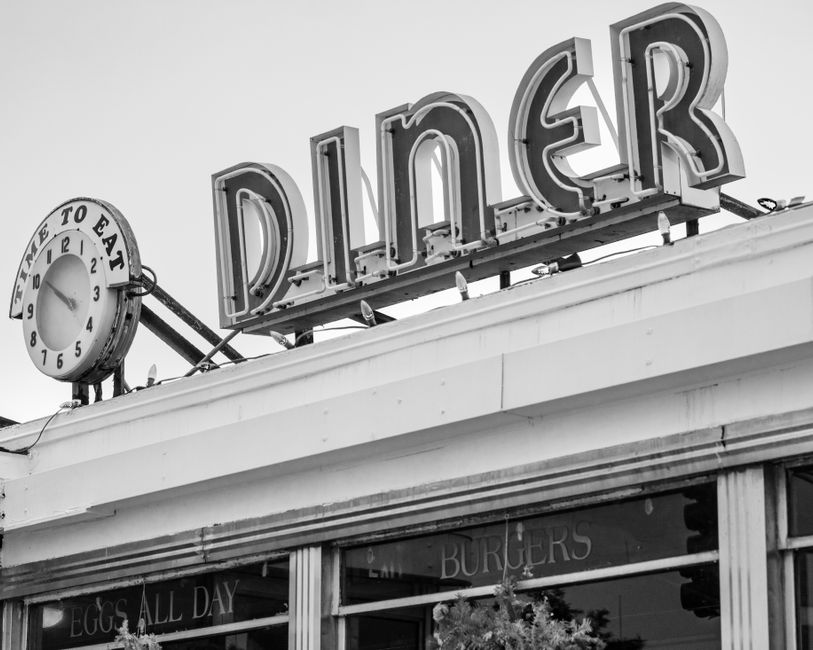
Eating out in the US offers incredible variety, but the costs add up quickly. Breakfast at a local diner, featuring eggs, bacon, and bottomless drip coffee, runs $12 to $18. For lunch, fast food is the cheapest option. A double cheeseburger meal at In-N-Out in California or a chicken sandwich combo at Chick-fil-A will cost around $10 to $15.
Sit-down dinners at a mid-range restaurant average $30 to $50 per person. This usually includes a main course and a soft drink, but excludes alcohol, tax, and tip. If you order a pint of local craft beer, expect to pay $7 to $10. Cocktails in trendy neighbourhoods in Manhattan or Los Angeles easily hit $18 to $22.
To keep food costs down, visit supermarkets like Trader Joe’s, Publix, or Kroger. A week’s worth of basic groceries for two people will cost around $100 to $150. Many supermarkets also have excellent deli sections where you can grab a fresh sandwich or salad for $8 to $12. For more advice on navigating daily expenses, check our USA travel tips.
Transport Costs: Getting Around
The US is heavily reliant on cars. Unless you are staying exclusively in cities like New York, Boston, or Washington DC, you will likely need to rent a vehicle. A standard sedan costs $40 to $80 per day, depending on the season and pick-up location. One-way drop-off fees can be brutal, sometimes adding $300 to $500 to the bill. This is a crucial factor if you are planning a one-way California road trip along the Pacific Coast Highway.
Petrol (gas) prices vary wildly by state. California often charges upwards of $5.00 per gallon, while southern states like Mississippi might charge closer to $3.00. Driving 500 km between Los Angeles and San Francisco will require at least one full tank, costing roughly $50 to $70.
For long distances, domestic flights on airlines like Southwest, Delta, or United cost $100 to $300 one-way if booked in advance. Budget airlines like Spirit or Frontier offer $40 base fares, but they will charge you heavily for carry-on bags and seat selection. Trains are only truly practical on the Amtrak Northeast Corridor. A ticket from New York to Philadelphia takes just over an hour and costs $40 to $100.
Activities and Sightseeing
Nature is one of the best value aspects of a US holiday. Entry to popular reserves like Yosemite or the Grand Canyon costs $35 per vehicle for a seven-day pass. If you plan to visit more than three parks, buy the $80 America the Beautiful annual pass. It covers entry for your entire vehicle for a full year. Read our guide to the best national parks in the USA to plan your route.
City attractions are much steeper. Tickets to the Empire State Building in New York, Alcatraz in San Francisco, or the Willis Tower in Chicago cost $35 to $50 per adult. Theme parks are a massive expense. A single-day ticket to Disney World in Florida or Universal Studios in Hollywood ranges from $130 to $180, before you even pay for parking or food.
Live entertainment is also pricey. Broadway shows, Las Vegas residencies, or major sports games (NBA, NFL) rarely cost less than $100 for a decent seat. However, many cities offer world-class free attractions. The Smithsonian museums in Washington DC are entirely free, as is walking the Golden Gate Bridge or exploring the Freedom Trail in Boston.
Hidden Costs You Might Forget
When calculating your usa trip cost, you must account for invisible expenses. The price on the tag is almost never the price you pay. Sales tax is added at the register and varies by state and city, usually adding 6% to 10% to your bill.
Resort fees are another notorious hidden cost. Hotels in Las Vegas, Miami, and Hawaii often charge a mandatory $30 to $50 daily fee for amenities like Wi-Fi and pool access, which is not included in the advertised room rate. Finally, if you rent a car, city centre parking at a hotel will cost $40 to $70 per night.
Pre-Trip Costs: Visas and Insurance
Before you even board the plane, you have administrative costs. Most citizens of the UK, Australia, and much of Europe can enter under the Visa Waiver Program. You must apply for an ESTA, which costs $21 and lasts for two years. Read our guide on the ESTA explained to ensure you apply correctly.
If you are not eligible for an ESTA, you will need a B1/B2 tourist visa, which currently costs $185 and requires an embassy interview. Check the full USA visa and entry requirements well in advance.
Never travel to the US without comprehensive travel insurance. The American healthcare system is famously expensive. A simple trip to the emergency room for a sprained ankle can cost thousands of dollars. Ensure your policy covers medical evacuation and high coverage limits.
Sample USA Trip Cost: 1 and 2 Weeks
To give you a clearer picture, here are sample budgets for a mid-range traveller. This assumes you are splitting the cost of a rental car and a hotel room with a partner.
1-Week USA Trip Cost (Mid-Range)
- Accommodation: $700 – $1,050
- Food and Drink: $500 – $700
- Transport (Rental car & gas): $350 – $500
- Activities: $200 – $400
- Total Estimated Cost: $1,750 – $2,650 per person
2-Week USA Trip Cost (Mid-Range)
- Accommodation: $1,400 – $2,100
- Food and Drink: $1,000 – $1,400
- Transport (Rental car, gas, one domestic flight): $850 – $1,200
- Activities: $400 – $800
- Total Estimated Cost: $3,650 – $5,500 per person
If you are unsure how to structure your days to maximize your budget, take a look at our suggested USA itinerary for 7, 10 and 14 days.
Money: Currency, Cards, and Tipping
The currency is the US Dollar (USD). The US is heavily reliant on card payments. Credit and debit cards (Visa, Mastercard, Amex) are accepted everywhere, from high-end restaurants to remote gas stations. Contactless payment (Apple Pay, Google Wallet) is standard. You will rarely need cash, though it is smart to carry $50 to $100 in small bills for tipping hotel staff or buying items at rural farm stands. For more on carrying cash securely, read our safety tips for travellers.
Tipping in the US is not optional; it is a vital part of the service industry wage structure. In sit-down restaurants, you must tip 18% to 22% on the pre-tax total. Tipping 15% implies poor service. Bartenders expect $1 to $2 per drink. Taxi and Uber drivers expect 10% to 15%. Housekeeping should be tipped $2 to $5 per day.
Ways to Save on Your USA Trip Cost
You can significantly reduce your USA trip cost with a few strategic choices. First, avoid travelling during the peak summer months of July and August. Instead, aim for the shoulder seasons of April to May or September to October. Temperatures are usually a comfortable 15°C to 22°C (59°F to 71°F), and hotel rates drop noticeably. Check our guide on the best time to visit USA for regional weather breakdowns.
Second, take advantage of motel breakfasts. Many budget chains include free coffee, cereal, and waffles. It is basic, but it saves you $15 a day on eating out. Third, use public transport in major cities. The MTA subway in New York or the L train in Chicago cost under $3 per ride and are far cheaper than paying for city centre parking or relying on Uber.
Finally, bring a reusable water bottle. Tap water is safe to drink almost everywhere in the US, and constantly buying bottled water at convenience stores is an unnecessary expense.
Plan Your Trip
Budgeting for the US requires a bit of upfront research, but the diversity of the country means there is a travel style for almost every wallet. Focus on one or two regions rather than trying to cross the whole continent, factor in the hidden costs of tax and tipping, and book your rental cars and national park campsites well in advance. With a solid plan, you can easily manage your costs while experiencing the best of the States.