Planning a USA itinerary requires narrowing your focus. The United States spans nearly 10 million square kilometres, making it impossible to see the entire country in a single trip. Trying to cram New York, Florida, Texas, and California into a two-week holiday guarantees you will spend more time in airports than exploring your destinations.
Whether you have one week or a full fortnight, sticking to a logical regional route minimises transit time and keeps your travel budget in check. Before diving into the daily routes below, make sure you read our comprehensive USA guide and our broader North America travel guide for context on navigating the continent.
Route Map Overview
To help you choose the right trip for your timeline, here is a breakdown of three realistic routes covering the most popular entry points for international travellers.
| Duration | Route Focus | Best For | Transport Method |
|---|---|---|---|
| 7 Days | East Coast Cities (NYC, Philly, D.C.) | History, museums, city walking | Amtrak trains |
| 10 Days | California & The Southwest | Coastal drives, deserts, food | Rental car & domestic flight |
| 14 Days | Coast-to-Coast Highlights | First-timers wanting both coasts | Domestic flights & rental car |
7-Day USA Itinerary: The East Coast Cities
This route connects three major historic cities via the Amtrak Northeast Regional train line. You do not need to rent a car for this itinerary; driving in these cities is expensive and stressful.
Days 1 to 3: New York City
Fly into John F. Kennedy (JFK) or Newark (EWR). Base yourself in Manhattan or downtown Brooklyn and use the OMNY contactless system for the subway ($2.90 per ride). Dedicate your first day to Midtown: walk through Central Park, visit the Metropolitan Museum of Art ($30 admission), and catch an evening Broadway show (check the TKTS booth in Times Square for same-day discounts).
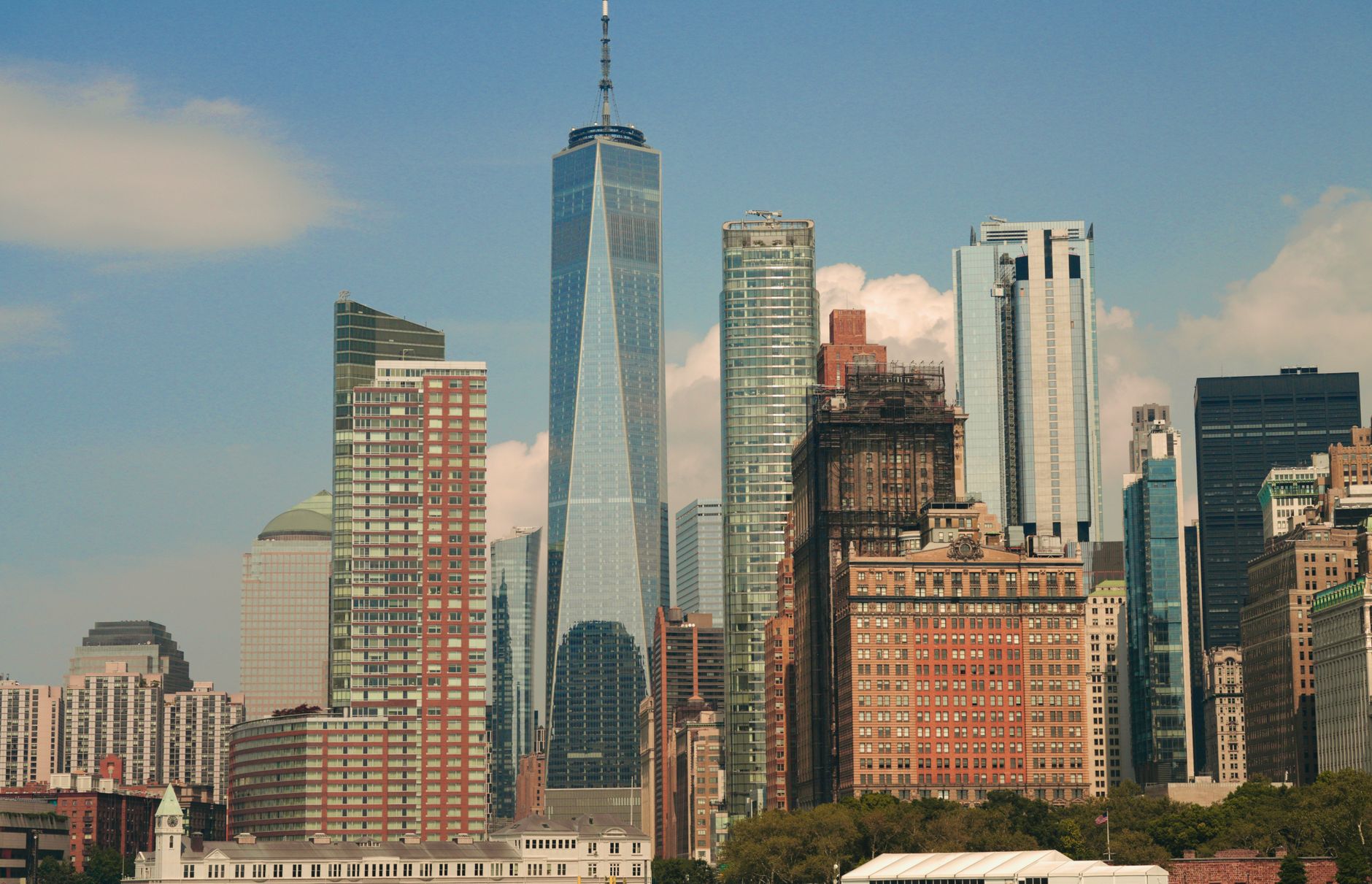
On day two, focus on Lower Manhattan. Take the free Staten Island Ferry for views of the Statue of Liberty, walk through the Financial District to the 9/11 Memorial, and cross the Brooklyn Bridge on foot. Spend your evening in the West Village or Lower East Side for dinner.
Use day three for the West Side. Walk the High Line, an elevated park built on a former railway, stretching 2.3 km from Hudson Yards to Chelsea. Grab lunch at Chelsea Market before exploring the galleries in the Meatpacking District.
Day 4: Philadelphia
Take the morning Amtrak train from New York Penn Station to Philadelphia’s 30th Street Station (about 1.5 hours). Leave your bags at a luggage storage service near the station. Walk to the historic centre to see the Liberty Bell and Independence Hall (book tickets in advance). For lunch, head to Reading Terminal Market for a classic roast pork or Philly cheesesteak sandwich. Catch a late afternoon train to Washington D.C. (about 2 hours) and check into your hotel.
Days 5 to 7: Washington D.C.
Washington D.C. is heavily focused on the National Mall. Spend day five walking from the Lincoln Memorial to the Washington Monument. The Smithsonian museums lining the Mall are entirely free to enter; the National Air and Space Museum and the National Museum of Natural History are excellent starting points.
On day six, head to Capitol Hill. You can book a free guided tour of the U.S. Capitol building online. Afterwards, visit the Library of Congress and the Supreme Court. In the evening, take the Metro to Georgetown to walk the cobblestone streets and eat at a waterfront restaurant.
On your final morning, visit the National Museum of African American History and Culture (free, but requires timed-entry passes booked weeks ahead). Depart from Dulles International Airport (IAD) or Ronald Reagan Washington National Airport (DCA).
10-Day USA Itinerary: California and the Southwest
This itinerary requires a rental car for the coastal and desert segments, though you should rely on public transit while inside San Francisco.
Days 1 to 3: San Francisco
Arrive at San Francisco International Airport (SFO) and take the BART train ($10) into the city centre. On your first full day, take the early ferry to Alcatraz Island (book exactly 30 days in advance; tickets cost around $45). Return to Fisherman’s Wharf, then ride a historic cable car ($8) over the hills to Union Square.
On day three, rent a bicycle near the Ferry Building and cycle the 13 km route across the Golden Gate Bridge to the town of Sausalito. Take the ferry back across the bay. Spend your evening in the Mission District, known for its incredible Mexican taquerias and vibrant street art along Clarion Alley.
Days 4 to 5: The Coastal Drive
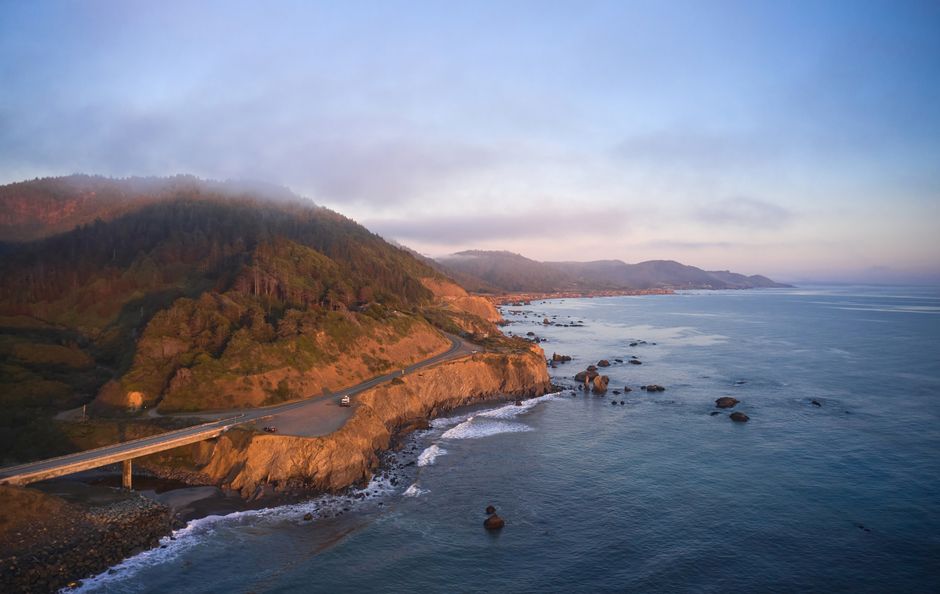
Pick up a rental car and begin your Pacific Coast Highway road trip. Drive south on Highway 1 to Monterey (190 km). Visit the Monterey Bay Aquarium ($65) and stay overnight in Monterey or Carmel-by-the-Sea.
On day five, drive the dramatic Big Sur coastline, crossing the Bixby Creek Bridge. Note: Highway 1 frequently suffers from landslides that close the road for months. Always check Caltrans for current closures. If the route is open, continue south to Santa Barbara (about 380 km from Carmel) for the night.
Days 6 to 7: Los Angeles
Drive the remaining 150 km into Los Angeles. LA traffic is notoriously heavy, so group your activities by neighbourhood. Spend day six on the Westside: walk the Santa Monica Pier, rent a bike along the Venice Beach boardwalk, and visit the Getty Center in the afternoon (free admission, $25 parking).
On day seven, head east. Drive up to the Griffith Observatory early to beat the crowds and secure a great view of the Hollywood Sign. Spend the afternoon exploring West Hollywood or Silver Lake. Skip the Hollywood Walk of Fame unless you only want a quick 15-minute photo stop—it is generally crowded and underwhelming.
Days 8 to 10: Las Vegas and the Grand Canyon
Fly from LAX or Hollywood Burbank Airport (BUR) to Las Vegas (1.5 hours). Spend the afternoon walking the Las Vegas Strip, watching the Bellagio Fountains, and exploring the massive casino resorts.
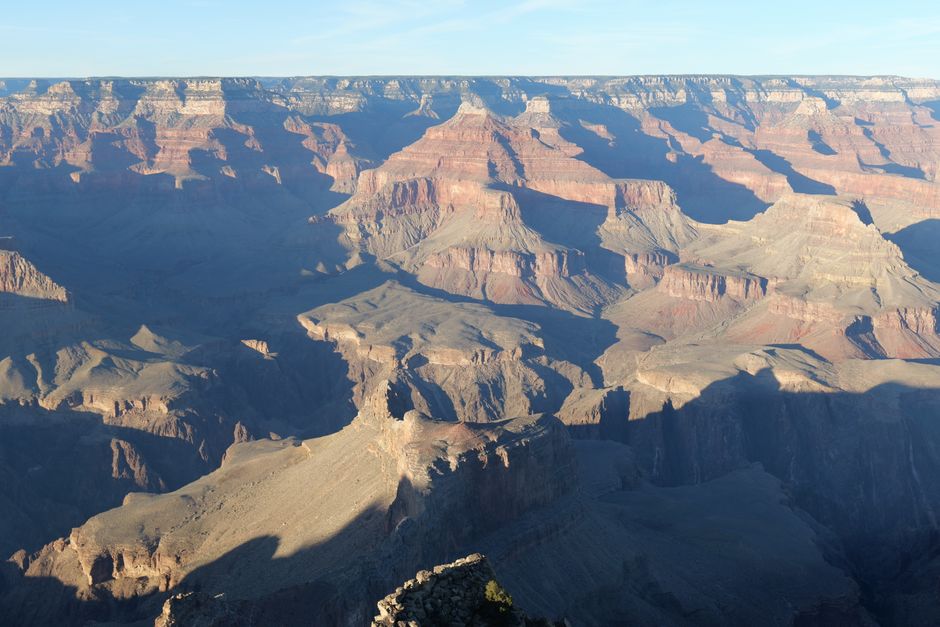
On day nine, rent a car for a day trip to the Grand Canyon South Rim. It is a 440 km drive each way (about 4.5 hours). Walk the Rim Trail and take the free park shuttles to various viewpoints. Return to Las Vegas late that night. Depart from Harry Reid International Airport (LAS) on day ten.
14-Day USA Itinerary: Coast-to-Coast Highlights
If you have two weeks and want to see both sides of the country, this itinerary uses domestic flights to cover the massive distances.
Days 1 to 4: New York City
Follow the 3-day NYC itinerary above, but use your extra fourth day to explore outside Manhattan. Take the subway to Brooklyn to walk through Prospect Park and the brownstone streets of Park Slope, or visit Queens for the Museum of the Moving Image and diverse food markets in Astoria.
Days 5 to 8: Las Vegas and the Canyons
Take a morning flight from New York to Las Vegas (about 5.5 hours). Spend your first night enjoying the Las Vegas Strip. On day six, pick up a rental car and drive toward the best national parks in the USA. Drive 440 km to the Grand Canyon South Rim. You can detour along a historic Route 66 road trip segment through Seligman, Arizona.
Spend day seven exploring the Grand Canyon. Hike a portion of the Bright Angel Trail (do not attempt to hike to the river and back in one day). On day eight, drive back to Las Vegas, perhaps stopping at the Hoover Dam, before returning your rental car.
Days 9 to 11: San Francisco
Fly from Las Vegas to San Francisco (1.5 hours). Spend these three days exploring Alcatraz, the Golden Gate Bridge, and Golden Gate Park. Take time to visit the painted ladies at Alamo Square and eat seafood at the Ferry Building marketplace.
Days 12 to 14: Los Angeles
Fly from San Francisco to Los Angeles (1.5 hours), or drive the inland I-5 motorway if you prefer (6 hours, 615 km). Use your final days to soak up the Southern California sun in Santa Monica, hike in Griffith Park, and enjoy the dining scene in West Hollywood. Depart from LAX on day 14. Allow at least an hour to reach the airport from central LA, plus two hours for check-in and security.
Getting Between Stops
Domestic Flights: Flying is the only realistic way to cross the country on a two-week schedule. Budget airlines (like Spirit or Frontier) look cheap but charge heavily for carry-on bags and seat selection. Legacy carriers (Delta, United, American) offer more reliable service. Always arrive at the airport 2 hours early; TSA security queues can be long.
Trains: Amtrak is excellent for the Northeast Corridor (Boston to Washington D.C.). Book tickets 3 to 4 weeks in advance; a $30 ticket can jump to $150 if bought on the day of travel. Outside the Northeast, Amtrak is designed for scenic leisure, not speed. A train from Chicago to Los Angeles takes three days.
Driving: Rental cars typically cost $40 to $80 per day. You must have a valid driver’s licence from your home country, and drivers under 25 face daily surcharge fees. Petrol is sold by the US gallon (3.78 litres) and is generally much cheaper than in Europe or Australia.
Adjusting for Season and Budget
Your itinerary will look very different depending on the month you travel. Summer (June to August) brings peak crowds and intense heat. Las Vegas regularly exceeds 40°C (104°F) in July, making desert hiking dangerous. Winter (December to February) brings snow to New York, dropping temperatures to -2°C (28°F), while California remains mild at around 15°C (59°F).
For the best balance of comfortable weather and manageable crowds, aim for the shoulder seasons (May, September, and October). Read our breakdown of the best time to visit the USA to match your route with the right month.
Budgeting varies wildly by region. A basic hotel in New York or San Francisco costs $200 to $350 per night, while a motel in Arizona might cost $90 to $120. Casual dining costs $15 to $25 per person. Sit-down dinners start at $40, plus a mandatory 15-20% tip and local sales tax (which is never included in the menu price). To plan your daily expenses, read our guide on how much a USA trip costs.
Plan Your Trip
Before booking flights, check your USA visa and entry requirements. Most UK, Australian, and European citizens qualify for the Visa Waiver Program. You must understand how to apply for an ESTA at least 72 hours before departure; the application fee is $21.
For health and security, review our safety tips for travellers in the USA. Violent crime rarely affects tourists, but property theft—particularly rental car break-ins in San Francisco and Los Angeles—is common. Never leave luggage or valuables visible in a parked car.
Finally, familiarise yourself with tipping culture, sales tax, and local transit apps by reading our essential USA travel tips. Having your logistics sorted before you land ensures you can spend your holiday actually enjoying the destination.