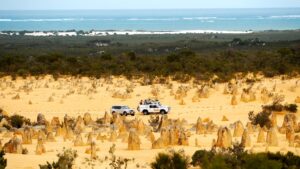
Planning an australia itinerary requires understanding the sheer scale of the country. With flight times between major cities often exceeding three hours, you need to focus your route on a few key regions rather than trying to cover the entire continent. This guide breaks down realistic routes covering the East Coast, the Red Centre, and southern highlights.
For a broader look at the country, read our comprehensive Australia guide, or if you are combining countries, see our wider Oceania guide.
Choosing Your Perfect Australia Itinerary
Australia is roughly the same size as the contiguous United States. Driving between Sydney and Cairns takes 26 hours without stops. To make the most of a short trip, domestic flights are essential.
| Days | Route Focus | Pace |
|---|---|---|
| 7 Days | Sydney & Great Barrier Reef | Fast, highly focused |
| 10 Days | Sydney, Uluru & Great Barrier Reef | Moderate, covers three climates |
| 14 Days | Sydney, Melbourne, Uluru & Reef | Comfortable, comprehensive highlights |
7-Day Australia Itinerary: The Classic East Coast
With just one week, split your time between Australia’s most famous city and its most famous natural wonder. This route requires one domestic flight.
Days 1-3: Sydney
Arrive at Sydney Kingsford Smith Airport (SYD) and take the T8 Airport Line train directly to the Central Business District (CBD) or Circular Quay. The journey takes about 15 minutes and costs roughly $20 AUD ($13 USD). Base yourself in The Rocks or the CBD at hotels like The Grace Hotel or the Sydney Harbour Marriott for easy transport access.
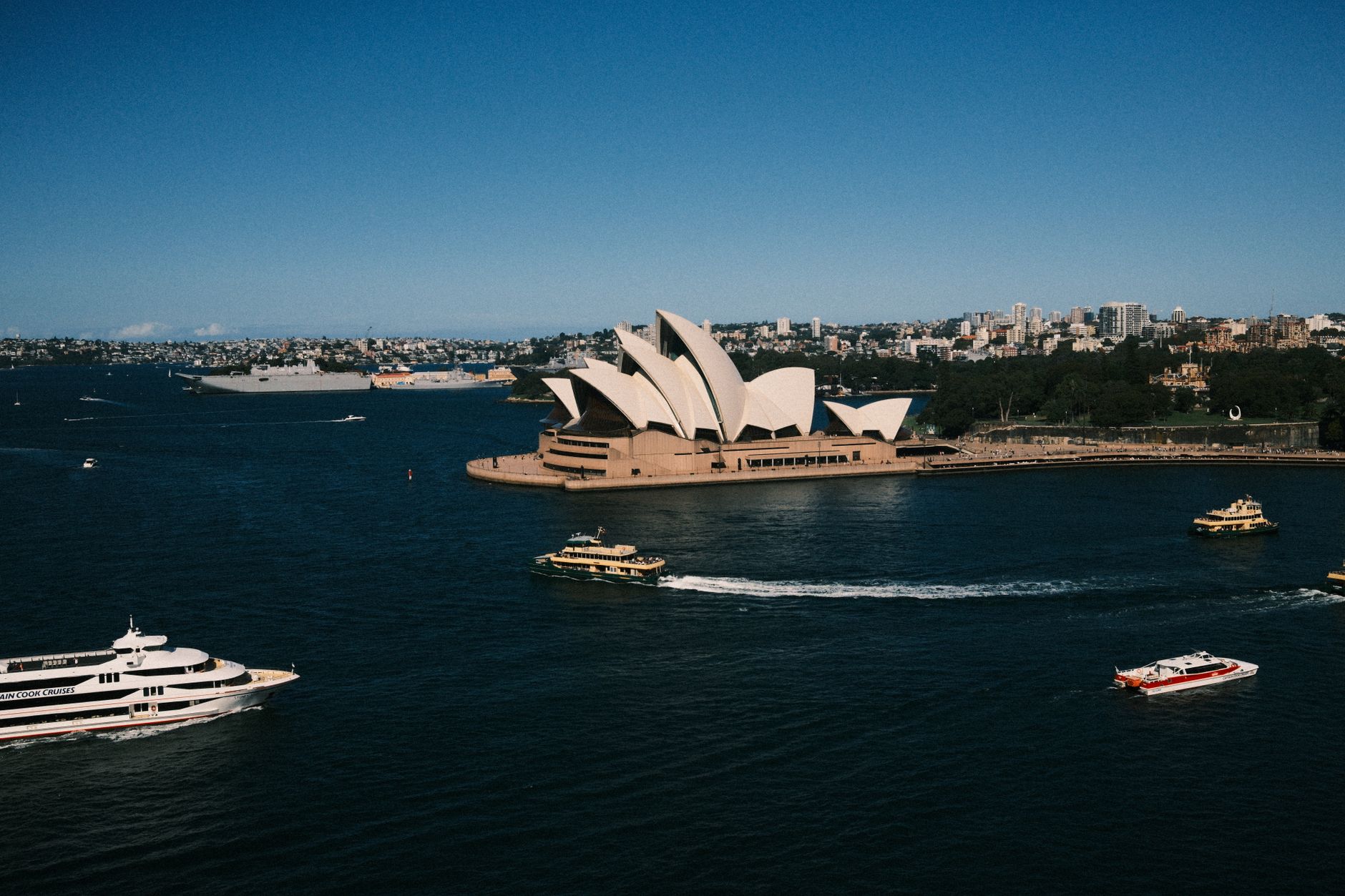
Spend your first day exploring Sydney Harbour. Walk from Circular Quay to the Sydney Opera House, and continue through the Royal Botanic Garden to Mrs Macquarie’s Chair for the best skyline views. In the evening, grab dinner at a waterfront restaurant like Opera Bar or Bennelong.
On day two, tackle the Bondi to Coogee coastal walk. Take the 333 bus from the city to Bondi Beach. The 6 km paved path winds past Tamarama and Bronte beaches, ending at Coogee. It takes about two hours, leaving the afternoon free to swim at the Bondi Icebergs pool.
Use day three to ride the F1 ferry from Circular Quay to Manly. The 30-minute ride crosses the open harbour, offering excellent views of the Sydney Harbour Bridge. In Manly, walk down The Corso to the main beach, or take the quieter path to Shelly Beach for snorkelling.
Days 4-7: Cairns & The Great Barrier Reef
Fly from Sydney to Cairns (CNS), a 3-hour flight. You can stay in Cairns city centre at hotels like Riley or Crystalbrook Flynn, or rent a car and drive 1 hour north on the Captain Cook Highway to the quieter, upscale town of Port Douglas.
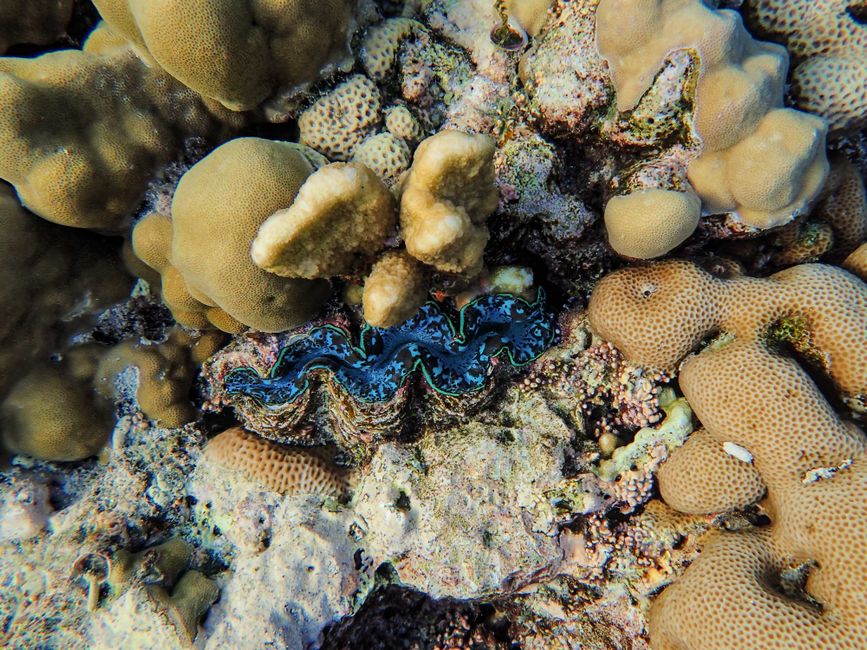
Dedicate day five entirely to the Great Barrier Reef. Book a full-day catamaran tour departing from the Cairns Reef Fleet Terminal or the Port Douglas Marina. Operators like Quicksilver or Passions of Paradise run daily trips to the outer reef. Expect to pay $150-$250 USD for a day trip including snorkelling gear and lunch.
On day six, explore the Daintree Rainforest, the oldest continuously surviving tropical rainforest in the world. Drive to Mossman Gorge for a self-guided walk, then head to the Daintree River for a crocodile-spotting cruise. If you prefer not to drive, book a guided 4WD tour from Cairns.
Use day seven to pick up souvenirs at the Cairns Night Markets or relax by the Cairns Esplanade Lagoon before flying out.
10-Day Itinerary: City, Outback, and Reef
Adding three days allows you to venture into the Northern Territory to see the spiritual heart of the country.
Days 1-3: Sydney
Follow the Sydney schedule from the 7-day route. Ensure you book an early morning flight for day four to maximise your time in the outback.
Days 4-5: Uluru-Kata Tjuta National Park
Fly directly from Sydney to Ayers Rock Airport (AYQ), which takes about 3.5 hours. Base yourself in the town of Yulara at the Ayers Rock Resort complex. Options range from the budget-friendly Outback Pioneer Hotel to the premium Sails in the Desert.
You will need a national park pass, which costs $38 AUD ($25 USD) for three days. Spend your first evening at the Uluru sunset viewing area to watch the rock change colours from deep red to purple. Afterwards, walk through the Field of Light, an installation of 50,000 solar-powered stems illuminating the desert floor.
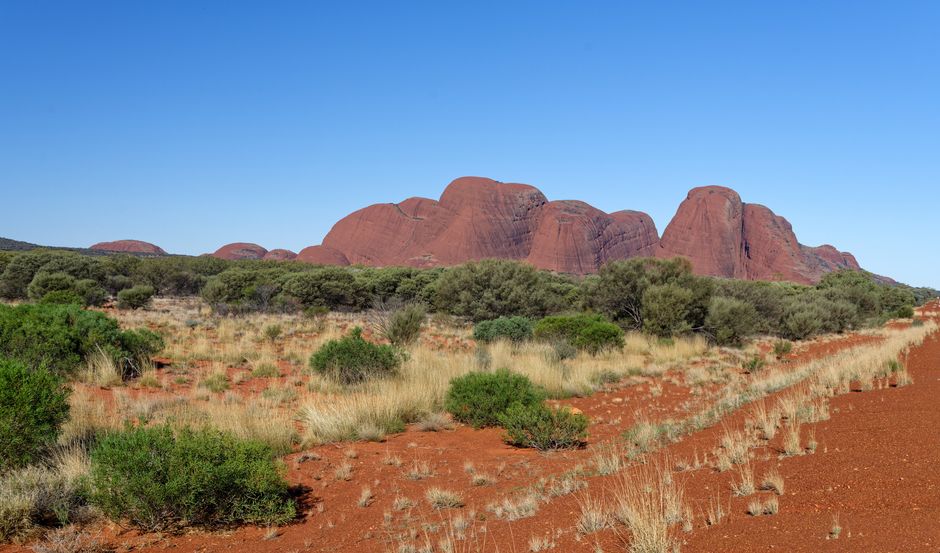
On day five, wake up before dawn to complete the 10.6 km Uluru Base Walk. Starting early helps you beat the intense midday heat, which frequently exceeds 35°C (95°F) in summer. In the afternoon, drive 45 minutes to Kata Tjuta (The Olgas) to hike the Walpa Gorge track. For more details on navigating the park, read our Uluru travel guide.
Days 6-10: Cairns & Port Douglas
Fly from Ayers Rock to Cairns. Direct flights are available on Qantas or Jetstar, though they do not run every single day, so align your itinerary with the flight schedule. Spend your remaining days exploring the reef and rainforest as outlined in the 7-day itinerary.
14-Day Itinerary: The Ultimate Highlights
Two weeks is the ideal minimum for a first-time visitor. This route adds Australia’s cultural capital and one of the world’s best coastal drives.
Days 1-3: Sydney
Complete the Sydney leg, taking time to enjoy the harbour, beaches, and inner-city neighbourhoods like Surry Hills.
Days 4-5: Melbourne
Fly from Sydney to Melbourne (MEL), a quick 1.5-hour flight. Take the SkyBus from the airport to Southern Cross Station. Melbourne is famous for its coffee culture and laneways. Spend day four getting lost in Centre Place, Degraves Street, and Hardware Lane.
On day five, visit the National Gallery of Victoria (NGV) and walk through the Royal Botanic Gardens. In the late afternoon, take the 96 tram down to St Kilda. Walk along the pier at dusk to spot the resident colony of little penguins returning from the sea.
Days 6-7: The Great Ocean Road
Rent a car in Melbourne and drive 100 km southwest to Torquay, the official start of the Great Ocean Road (B100). Drive the winding coastal route through Lorne and Apollo Bay. Spend the night in Apollo Bay to break up the journey.
On day seven, drive through the Great Otway National Park to reach Port Campbell National Park. Here you will find the towering limestone stacks of the Twelve Apostles and the sheltered bay of Loch Ard Gorge. Drive back to Melbourne via the inland A1 highway, which takes about 2.5 hours. To map out your exact stops, use our Great Ocean Road itinerary.
Days 8-10: Uluru
Fly from Melbourne to Ayers Rock Airport. Spend three days exploring the Red Centre, enjoying a Sounds of Silence dinner under the outback stars, and hiking the Valley of the Winds at Kata Tjuta.
Days 11-14: Tropical North Queensland
Fly to Cairns for your final four days of reef snorkelling and rainforest exploration. If you have extra time, consider swapping the Great Ocean Road or Uluru for an island state adventure using our Tasmania travel guide.
Getting Between Stops
Domestic aviation in Australia is reliable but can be expensive if booked last minute. The main carriers are Qantas, Virgin Australia, and Jetstar (a budget airline). Jetstar often has the cheapest fares but strictly enforces a 7 kg carry-on baggage limit. Expect to pay between $50 and $200 USD for one-way domestic flights.
Before booking internal transport, ensure you are legally allowed into the country. Most international visitors must apply for an electronic visa before departure. Ensure you have your Australia ETA or eVisitor visa sorted. For full entry rules, review the Australia visa and entry requirements.
Adjusting for Season and Budget
Australia’s size means it spans multiple climate zones. The north (Cairns, Darwin) has a tropical climate with a distinct wet season (November to April) and dry season (May to October). The south (Sydney, Melbourne) experiences four distinct seasons, with winter running from June to August.
If you visit in July, Melbourne will be chilly (around 10°C / 50°F), while Cairns will be perfectly warm (26°C / 79°F). To plan around the weather, check the best time to visit Australia based on weather and seasons.
Budgeting for Australia requires planning. Mid-range hotels typically cost $150-$250 USD per night, and a sit-down dinner with a glass of wine will run $30-$50 USD per person. Tipping is not mandatory or expected in Australia, as hospitality workers receive a high minimum wage. To estimate your total expenses, calculate your Australia travel costs.
Plan Your Trip
Australia is generally very safe, but the natural environment requires respect. The sun is incredibly harsh due to the high UV index, so SPF 50+ sunscreen is mandatory year-round. When swimming at beaches like Bondi or Manly, always swim between the red and yellow flags, which indicate the area is actively patrolled by lifeguards and free of dangerous rip currents. Review these Australia safety tips for travellers before heading to the beach.
Finally, remember that Australia uses Type I electrical outlets, so you will need a physical adapter for your electronics. For more practical advice on packing and local etiquette, read our Australia travel tips on what to know before you go. Book your domestic flights and reef tours at least two months in advance, especially if travelling during the peak December to January summer school holidays.