The Bondi to Coogee walk is a 6 km coastal path in Sydney’s eastern suburbs, connecting several of the city’s most iconic beaches. Expect dramatic sandstone cliffs, ocean rock pools, and steady foot traffic along this fully paved route. It takes about two to three hours to complete, depending on how often you stop to swim, take photos, or grab a coffee.
Because it traces the edge of the Tasman Sea, the route offers uninterrupted ocean views and serves as an excellent introduction to local beach culture. It is an essential inclusion in any Sydney guide and a highlight of our broader Australia guide. Read on for a breakdown of the route, practical transit details, and tips on when to go.
Route Breakdown: Bondi to Coogee Walk Sections
The path is well-marked and generally flat, but it does include several steep staircases, particularly around Gordons Bay. It is not fully accessible for wheelchairs or prams from end to end, though the initial stretch from Bondi to Bronte is mostly manageable. Here is what to expect on each section.
Bondi to Tamarama (1.2 km)
Most walkers start at the southern end of Bondi Beach, right near the famous Bondi Icebergs Club on Notts Avenue. The path begins with a slight incline up to the headland, wrapping around Mackenzies Point. This is a prime vantage point for spotting humpback whales during their annual migration. Shortly after, you will drop down into Tamarama Beach. Nicknamed “Glamarama” by locals, this narrow cove has strong currents and is often better for sunbathing than swimming.
Tamarama to Bronte (0.7 km)
This is a short, flat stretch that takes you around the next headland into Bronte. Bronte is wider and much more family-friendly, backed by a large grassy park with public electric barbecues. At the southern end of the beach, you will find the Bronte Baths, an ocean pool built in 1887 that is free to use. There is also a cluster of excellent cafes on Bronte Road if you need a mid-morning flat white.
Bronte to Clovelly (2.2 km)
The longest uninterrupted section of the walk takes you past Waverley Cemetery. Established in 1877, this clifftop graveyard features elaborate Victorian and Edwardian monuments overlooking the sea. A modern boardwalk skirts the edge of the cemetery, protecting the fragile cliff face. You will eventually descend into Clovelly, a unique bay flanked by concrete promenades. The water here is highly protected from the surf, making it calm and ideal for snorkelling. Look out for the large, friendly blue gropers that inhabit the bay.
Clovelly to Gordons Bay (0.6 km)
Leaving Clovelly, the path takes you up and over the headland before descending a steep set of wooden stairs into Gordons Bay. This narrow, rocky inlet is accessible only by foot and feels completely removed from the city. Racks of wooden dinghies line the beach, and the bay features a 600-metre underwater nature trail designed for scuba divers. You will need to climb another steep set of stairs to exit the bay on the southern side.
Gordons Bay to Coogee (1.3 km)
The final push takes you through Dunningham Reserve, a large grassy headland that offers sweeping views down to Coogee Beach. You will pass the Bali Memorial, dedicated to the local victims of the 2002 bombings, before reaching Dolphin Point and Giles Baths, an open rock pool at the northern end of Coogee. The walk officially ends at the Coogee Pavilion, a massive multi-level venue on the foreshore that is perfect for a post-walk wood-fired pizza and a cold beer.
Practical Essentials: Transport and Logistics
Because this is a one-way walk, public transport is the most practical way to arrive and depart. Parking at either Bondi or Coogee is heavily restricted, expensive, and notoriously difficult to find.
Getting to Bondi
To reach the starting point, catch the 333 bus from the city centre. This high-frequency bendy bus departs from Circular Quay (Stand B) and travels up Elizabeth Street, through Oxford Street, and directly to Bondi Beach. Tap on and off with an Opal card or a contactless credit card. The fare is roughly $2.50 to $4 USD, depending on the time of day. The bus ride takes about 45 minutes from Circular Quay.
Getting Back from Coogee
When you finish at Coogee, you have two main options for returning to the city. You can catch the 373 bus from Arden Street, which runs directly back to the central business district. Alternatively, you can walk about 1.5 km up Coogee Bay Road to the Randwick Light Rail station. The L2 light rail line provides a smooth, scenic ride back to Central Station, Town Hall, and Circular Quay.
The Best Time to Walk the Coastal Path
Timing your walk is crucial for comfort and crowd control. For a comprehensive look at the city’s weather patterns, check our Best Time to Visit Sydney: Month-by-Month Guide.
During the summer months (December to February), daytime temperatures regularly exceed 30°C (86°F). The concrete and sandstone path reflects the heat, and there is virtually no shade along the route. If you are walking in summer, start before 8:00 AM to avoid the worst of the sun and the heaviest crowds.
Winter (June to August) is actually an excellent time for the Bondi to Coogee walk. The days are generally clear and crisp, with temperatures hovering around 17°C (63°F). This is also the peak season for whale watching from the headlands.
If you visit in late October or early November, the Bondi to Tamarama section hosts Sculpture by the Sea, the world’s largest free public sculpture exhibition. While the art is spectacular, this event draws massive crowds, turning the path into a slow-moving shuffle. If you prefer a brisk walk, avoid this specific fortnight.
Facilities and Swimming Stops
You do not need to carry heavy supplies on this walk. There are water refill stations, public restrooms, and outdoor showers at every major beach along the route. Here is a quick reference for the main swimming spots.
| Beach / Stop | Swimming Type | Facilities |
|---|---|---|
| Bondi Beach | Open surf, ocean pool (Icebergs) | Restrooms, lockers, cafes, lifeguards |
| Tamarama Beach | Open surf (often strong rips) | Restrooms, cafe, lifeguards |
| Bronte Beach | Open surf, ocean pool (Bronte Baths) | Restrooms, BBQ areas, cafes, lifeguards |
| Clovelly Beach | Calm bay, concrete promenades | Restrooms, cafe, lifeguards |
| Gordons Bay | Calm water, rocky entry | No facilities (closest are Clovelly) |
| Coogee Beach | Open surf, ocean pools (Giles, Wylies) | Restrooms, showers, pubs, lifeguards |
Mistakes to Avoid on the Bondi to Coogee Walk
The most common mistake visitors make is underestimating the Australian sun. Even on overcast days, the UV index can be extreme. Apply a reef-safe, broad-spectrum sunscreen before you start, wear a hat, and reapply after swimming.
Another frequent error is assuming the path is entirely flat. While it is paved, the steep staircases around Gordons Bay will test your calves. Wear comfortable walking shoes; flip-flops (or “thongs,” as locals call them) are fine for the beach but will cause blisters over 6 km of pavement.
Finally, do not rush the experience. While you can power-walk the route in 90 minutes, it is best enjoyed as a half-day activity. Plan to stop for a swim at Bronte, grab a coffee at Clovelly, and finish with lunch overlooking the water at Coogee.
How to Fit the Walk into Your Itinerary
The coastal walk pairs well with other major attractions in the city. If you are mapping out your days, consult our Sydney Itinerary: How to Spend 1, 2 or 3 Days and our list of the Best Things to Do in Sydney.
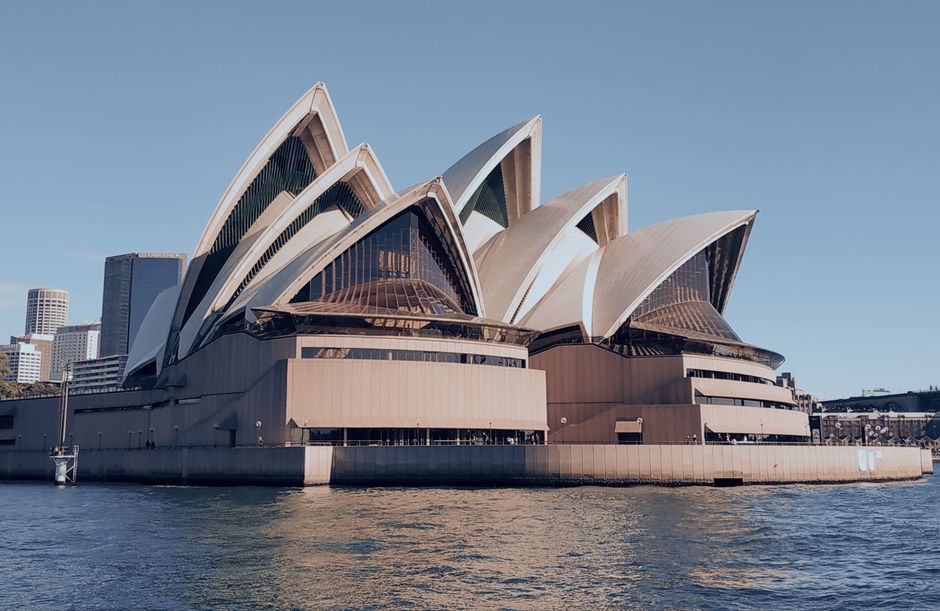
A popular approach is to do the walk first thing in the morning, finish with an early lunch at Coogee, and then head back to Circular Quay. From there, you are perfectly positioned for an afternoon Sydney Opera House Tour or to gear up for the Sydney Harbour BridgeClimb as the sun begins to set.
If you have already explored the harbour and the eastern suburbs, you might want to look further afield. Check out our guide to the Best Day Trips from Sydney, which includes logistics for tackling a Blue Mountains Day Trip from Sydney.
Plan Your Trip
Before you lace up your walking shoes, make sure your logistics are sorted. Ensure you have an Opal card or a contactless payment method ready for the buses. Pack a lightweight microfibre towel, a reusable water bottle, and your swimsuit.
If you want to base yourself near the beaches, read our guide on Where to Stay in Sydney: Best Areas and Hotels to compare the eastern suburbs with the city centre. And after burning all those calories on the coastal path, you will need to refuel—our guide to What to Eat in Sydney: Local Food Guide covers exactly where to find the best post-walk meals.