Figuring out exactly where to stay in Sydney shapes your entire trip. The city sprawls around a massive harbour, meaning travel times between neighbourhoods can eat into your sightseeing if you pick the wrong base. For most visitors, staying near the water or the central train stations is the smartest move.
This guide breaks down the most practical and enjoyable neighbourhoods to help you plan your Sydney visit, part of a wider trip to Australia. You will find recommendations based on public transport access, local dining scenes, and proximity to major landmarks.
Where to Stay in Sydney for First-Timers
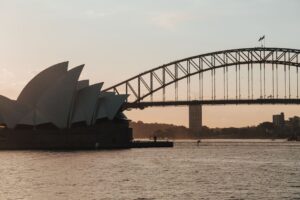
If you want to step out of your hotel and immediately see the city’s most famous landmarks, Circular Quay and The Rocks are the top choices. These two adjoining areas form the historic and touristic heart of the city.
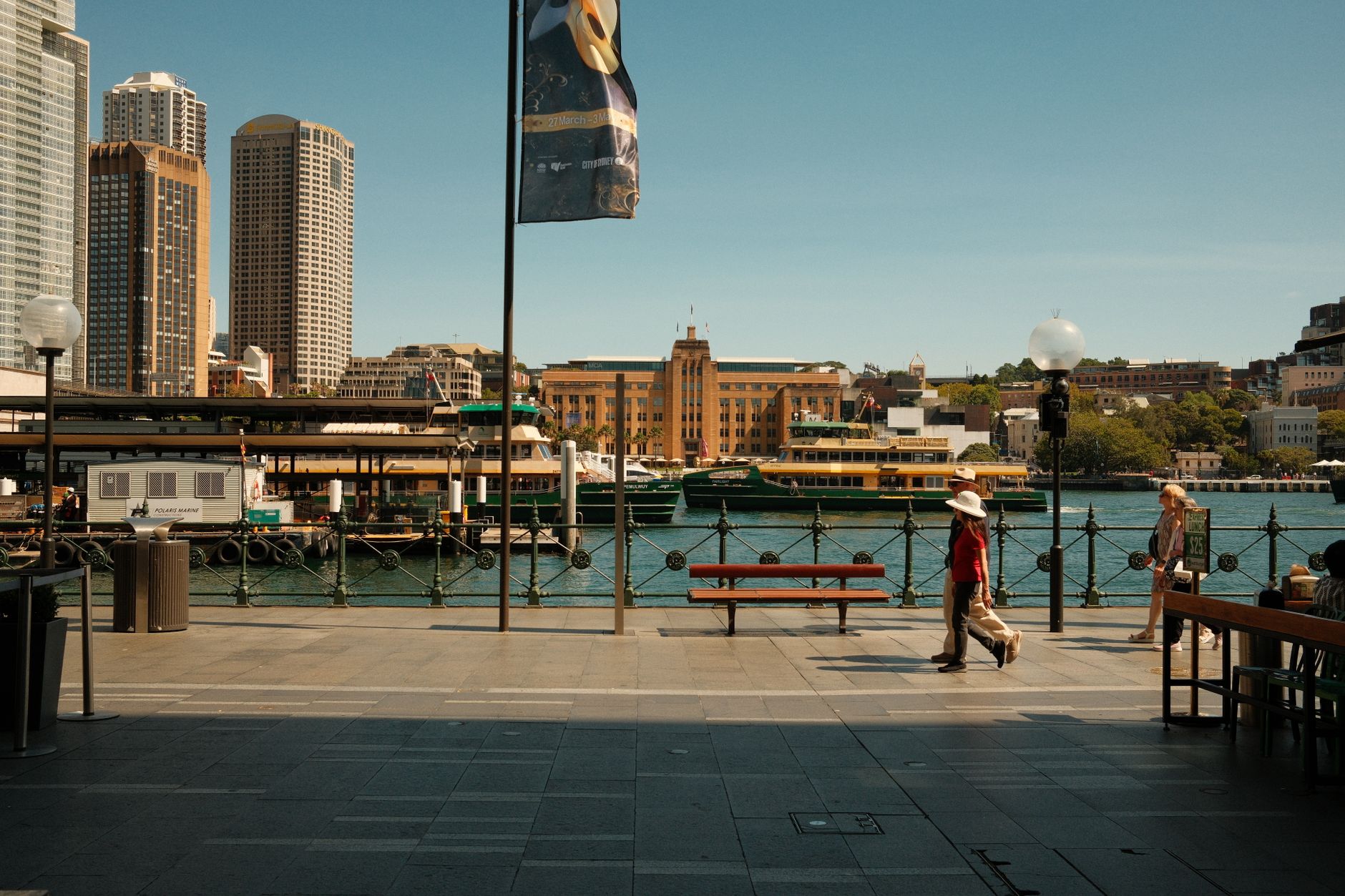
Circular Quay is the main transport hub on the water. Ferries depart from here to Manly, Taronga Zoo, and Watsons Bay. The train station sits above the ferry wharves, giving you direct access to the airport and the wider city network. Staying here puts you within a five-minute walk of a Sydney Opera House Tour.
Just west of Circular Quay is The Rocks. This is the oldest part of colonial Sydney, defined by cobblestone laneways, heritage pubs, and weekend markets. It sits directly beneath the Harbour Bridge, making it the most convenient starting point for a Sydney Harbour BridgeClimb.
- Pros: Unbeatable harbour views, excellent transport links, walking distance to major icons.
- Cons: The most expensive area in the city, and dining options lean heavily toward tourist crowds rather than local favourites.
- Best for: First-time visitors, short layovers, and travellers prioritising convenience over budget.
Area-by-Area Breakdown
Sydney CBD (Central Business District)
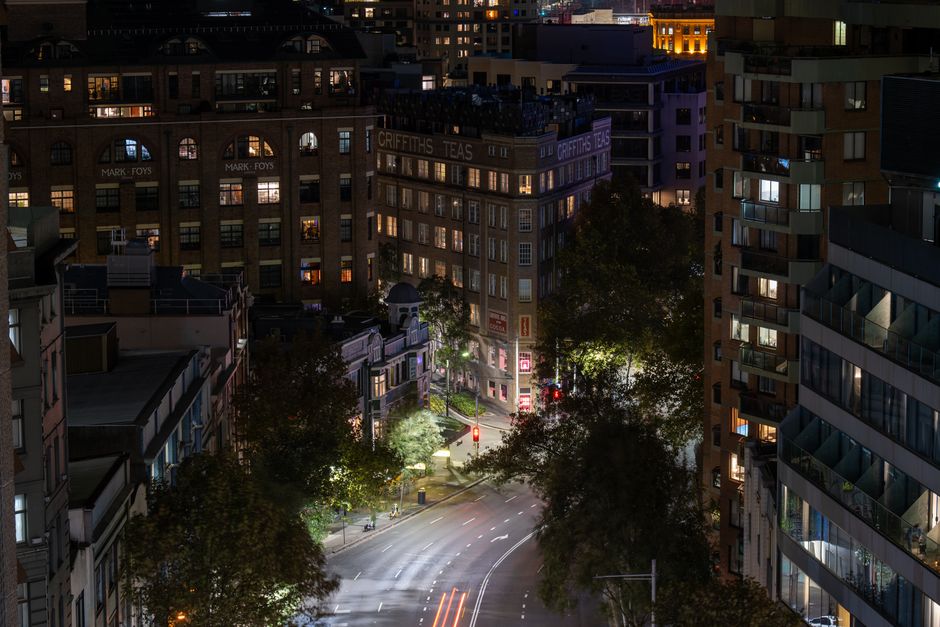
The CBD is the commercial heart of the city, running south from Circular Quay down to Central Station. It is defined by high-rise office buildings, major retail precincts like Pitt Street Mall, and the historic Queen Victoria Building (QVB). The George Street light rail runs straight through the middle, making it incredibly easy to navigate.
Staying in the CBD means you are always close to a train station (Wynyard, Town Hall, or Martin Place). This makes it the most efficient base if you are following a packed Sydney Itinerary: How to Spend 1, 2 or 3 Days. You can easily reach any other part of the city from here.
- Pros: Central location, excellent shopping, flawless public transport access.
- Cons: Lacks evening atmosphere once office workers go home, heavy traffic on cross streets.
- Best for: Shoppers, business travellers, and those wanting a central transit hub.
Darling Harbour
Located on the western edge of the CBD, Darling Harbour is a large recreational and pedestrian precinct. It is home to Tumbalong Park, SEA LIFE Sydney Aquarium, and the Australian National Maritime Museum. The area is flat and free of cars, making it highly appealing for those travelling with prams or young children.
You will find dozens of waterfront restaurants lining Cockle Bay and King Street Wharf. While locals often view the dining scene here as slightly generic, the convenience for visitors is undeniable. Darling Harbour is heavily featured when looking at the Best Things to Do in Sydney for families.
- Pros: Family-friendly attractions, flat pedestrian zones, waterfront dining.
- Cons: Can feel manufactured and isolated from authentic local culture.
- Best for: Families with children and travellers attending conventions at the ICC.
Surry Hills
If your travel priority is food, coffee, and local culture, look no further than Surry Hills. Located immediately southeast of Central Station, this leafy, hilly neighbourhood is the epicentre of Sydney’s dining scene. Crown Street and Riley Street are packed with independent cafes, wine bars, and boutique shops.
Surry Hills offers a much more residential, authentic vibe than the CBD or Circular Quay. It is the perfect base for exploring What to Eat in Sydney: Local Food Guide. The light rail connects Surry Hills directly to Circular Quay, making sightseeing straightforward.
- Pros: Incredible dining, excellent coffee culture, vibrant local atmosphere.
- Cons: Hilly terrain, no harbour views, further from the water.
- Best for: Foodies, couples, and returning visitors wanting a local experience.
Bondi Beach
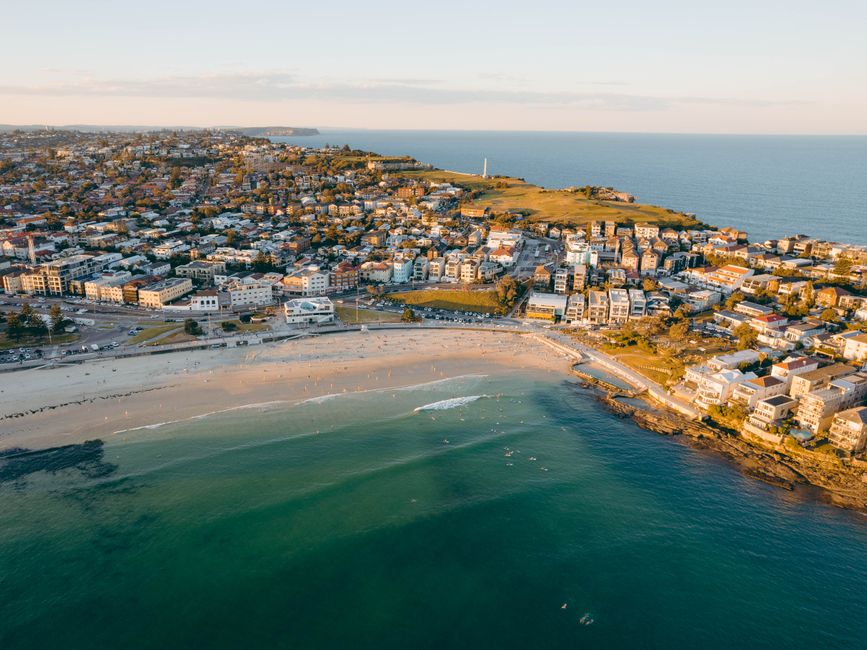
Bondi Beach is world-famous for its sweeping golden sand, reliable surf, and the iconic Bondi Icebergs ocean pool. The neighbourhood surrounding the beach is a mix of laid-back surf culture and upscale dining, centred around Campbell Parade and Hall Street.
Staying here means waking up to the ocean and having immediate access to the Bondi to Coogee Coastal Walk. However, Bondi is located 7 km east of the CBD. There is no train station directly at the beach; you must take a bus (the 333) to Bondi Junction to connect to the train network, which adds transit time to your daily sightseeing.
- Pros: World-class beach, great cafe culture, coastal lifestyle.
- Cons: 7 km from the city centre, relies on buses, very crowded in summer.
- Best for: Beach lovers, surfers, and travellers who want a coastal holiday.
Comparison of Sydney Neighbourhoods
| Neighbourhood | Vibe | Best For | Average Price (USD) |
|---|---|---|---|
| Circular Quay / The Rocks | Historic & Iconic | First-timers, Sightseeing | $250 – $600+ |
| Sydney CBD | Busy & Commercial | Shopping, Transit | $150 – $350 |
| Darling Harbour | Entertainment | Families, Conventions | $180 – $400 |
| Surry Hills | Trendy & Local | Foodies, Nightlife | $130 – $300 |
| Bondi Beach | Coastal & Active | Beach lovers | $150 – $400 |
Best Hotels: Where to Stay in Sydney by Budget
Luxury Hotels ($300+ USD per night)
Park Hyatt Sydney (The Rocks): This is arguably the most famous hotel in the city. Located directly on the water directly under the Harbour Bridge, the rooms offer unobstructed views across the water to the Opera House. It features a rooftop pool, private balconies, and exceptional service.
Capella Sydney (CBD): Housed in a beautifully restored heritage sandstone building near Farrer Place, Capella brings modern luxury to the financial district. The rooms feature high ceilings and bespoke furnishings, and the subterranean wellness centre includes a stunning 20-metre heated pool.
Sofitel Sydney Darling Harbour: Dominating the Darling Harbour skyline, this modern tower offers sweeping views of the city. The highlight is the infinity pool on the upper levels, which looks directly out over the water and the CBD skyline.
Mid-Range Hotels ($150 – $300 USD per night)
The Grace Hotel (CBD): Located on York Street, this Art Deco landmark offers spacious, comfortable rooms right in the middle of the city. You are a five-minute walk from the QVB and Wynyard Station, making it an incredibly practical base for sightseeing.
Vibe Hotel Sydney Darling Harbour: Situated on Sussex Street, this hotel bridges the gap between the CBD and Darling Harbour. It features modern, minimalist rooms, a rooftop pool, and a casual restaurant. It is excellent value for the location.
Rydges Sydney Harbour (The Rocks): Finding mid-range options in The Rocks is difficult, but Rydges delivers. The rooms are slightly older in style, but the location is unbeatable, and the rooftop pool offers spectacular views of the Harbour Bridge and Opera House.
Budget Hotels & Hostels ($80 – $150 USD per night)
Wake Up! Sydney Central (CBD edge): Located directly opposite Central Station on Pitt Street, this is one of the cleanest and most professionally run hostels in the city. They offer both private rooms and dorms, with a lively bar downstairs and excellent security.
YHA Sydney Harbour (The Rocks): Built above archaeological remnants of colonial Sydney, this premium hostel offers private en-suite rooms alongside standard dorms. The rooftop terrace provides million-dollar views of the Opera House for a fraction of the price of nearby hotels.
The Russell Boutique Hotel (The Rocks): This historic property on George Street offers immense charm with exposed brick walls and antique furnishings. Some rooms share bathrooms to keep costs down, making it a rare budget-friendly option right in the heart of The Rocks.
Areas to Avoid Staying In
While Sydney is generally very safe, some areas are highly impractical for tourists. The outer western suburbs, such as Parramatta or Sydney Olympic Park, offer cheaper accommodation but are located 20 to 25 km from the harbour. Staying there means spending up to two hours on trains each day just to reach the main sights.
Kings Cross was historically the city’s nightlife district. While gentrification has changed the area significantly, Darlinghurst Road can still be noisy and rowdy on Friday and Saturday nights. If you want a quiet night’s sleep, it is best to avoid hotels directly on this main strip.
If you plan to explore beyond the city centre, base yourself near Central Station. This makes it easy to catch early trains for the Best Day Trips from Sydney, including the popular Blue Mountains Day Trip from Sydney.
Plan Your Trip
Public transport in Sydney operates on the Opal network. You do not need to buy a physical Opal card; you can simply tap on and off trains, buses, ferries, and light rail using any contactless credit card or smartphone. Fares are capped daily and weekly, making travel highly affordable.
Always check the local weather before packing. Sydney summers (December to February) regularly see temperatures above 26°C (79°F) with high humidity, while winters (June to August) are mild, averaging around 17°C (63°F). For a detailed breakdown of the weather and major events, read our guide on the Best Time to Visit Sydney: Month-by-Month Guide to help finalise your dates.