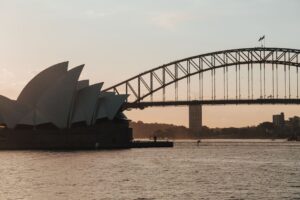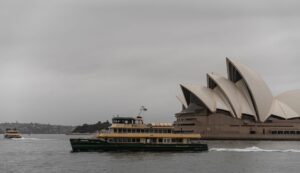
The Sydney Harbour Bridge climb is a guided ascent to the summit of the world’s largest steel arch bridge. Reaching 134 metres above the water, the climb offers uninterrupted 360-degree views over Circular Quay, the Sydney Opera House, and the sprawling harbour. It is a highly structured, safety-focused operation that takes between two and a half and three and a half hours from check-in to completion.
Opened in 1932 and affectionately known by locals as “The Coathanger”, the bridge connects the Sydney central business district (CBD) to the North Shore. While you can walk across the pedestrian pathway on the bridge deck for free, scaling the upper arches is an entirely different experience. If you are planning a trip to Sydney, this is often the anchor activity of the visit. It provides a geographical overview of the city that you simply cannot get from the ground, making it a highlight for anyone looking to travel through Australia.
Choosing Your Sydney Harbour Bridge Climb
BridgeClimb Sydney operates several different routes to the top. The views from the summit are identical regardless of which option you choose, but the path you take and the time it requires will vary.
The Summit Climb
This is the original and most popular route. You walk along the lower catwalks directly above the harbour traffic, climb four steep ladders to reach the upper arch, and then follow the gentle incline of the upper steel spine to the summit. You cross over the peak and descend via the Darling Harbour side. It takes about three hours and involves 1,332 steps.
The Summit Insider
Previously known as the Express Climb, this route is faster and takes you through the inner core of the bridge. Instead of walking on the outer upper arch, you navigate the lower arch structure, surrounded by the dense steel beams, before popping out at the summit. It takes about two and a half hours and involves 1,002 steps. It is ideal if you are short on time or prefer a slightly faster pace.
The Ultimate Climb
Introduced for those who want to cover the maximum distance, the Ultimate Climb takes you over the entire bridge. You climb to the summit, cross over to the North Shore side, walk all the way down to the northern pylons, and then climb back up and over to return to the southern base. It takes three and a half hours and involves 1,621 steps.
The Burrawa Climb
This is the standard Summit route, but it is led by a First Nations guide. The commentary focuses entirely on the Aboriginal history of Sydney Harbour (Warrane), sharing stories of the Eora Nation, local legends, and the indigenous perspective on the landscape below. It operates on select days and takes three hours.
| Climb Type | Duration | Steps | Best For |
|---|---|---|---|
| Summit | 3 hours | 1,332 | First-time climbers wanting the classic experience. |
| Summit Insider | 2.5 hours | 1,002 | Those short on time or wanting a faster pace. |
| Ultimate | 3.5 hours | 1,621 | Active climbers wanting to cross the entire bridge. |
| Burrawa | 3 hours | 1,332 | Travellers interested in First Nations history. |
Tickets and Costs
Pricing for the Sydney Harbour Bridge climb operates on a dynamic model based on the time of day and the time of year. Peak seasons (like the December holidays) and premium times of day command higher prices.
Expect to pay between $220 and $280 USD per adult. Children’s tickets (ages 8-15) are slightly cheaper, usually ranging from $100 to $130 USD. Night climbs are generally the most affordable option, while Dawn and Twilight climbs are the most expensive due to their popularity and the spectacular lighting conditions.
Your ticket includes the guided climb, a group photograph at the summit, a certificate of completion, and a BridgeClimb cap. Individual photos and video packages taken by your guide are available for purchase at the end of the experience.
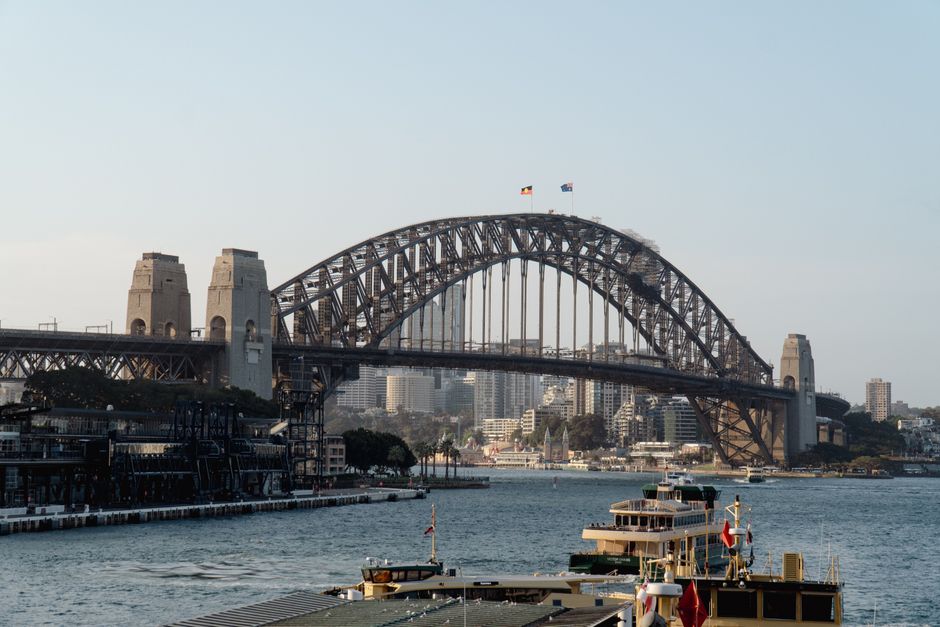
How to Get to the Climb Base
The BridgeClimb base is located at 3 Cumberland Street in The Rocks, a historic neighbourhood on the western side of Circular Quay. The entrance is tucked under the bridge approach, just south of the Argyle Cut.
The easiest way to get there is to take a train, ferry, or light rail to Circular Quay. From the transport hub, walk west towards the Museum of Contemporary Art, turn left onto Argyle Street, and walk up the slight hill. You will see the Argyle Stairs on your right. Walk up the stairs, and the BridgeClimb entrance will be directly in front of you on Cumberland Street. The walk from Circular Quay takes about 10 minutes.
When to Go: Best Time of Day and Year
The bridge operates 364 days a year (closed on December 31st for New Year’s Eve fireworks preparations). Choosing when to climb depends on what you want to see.
- Dawn: Departures begin before sunrise. You climb in the dark and watch the sun come up over the Pacific Ocean to the east. It is quiet, peaceful, and offers the best light for photography, though it requires a very early wake-up call.
- Day: The most popular option. Mid-morning and afternoon climbs offer the clearest views. On a crisp day, you can see all the way to the Blue Mountains, 60 km to the west. You also get to watch the ferries and sailboats crisscrossing the harbour below.
- Twilight: You depart in the late afternoon, reach the summit as the sun sets, and descend as the city lights turn on. It offers the best of both worlds but sells out the fastest.
- Night: Climbing in the dark focuses your attention on the illuminated city skyline and the glowing sails of the Opera House. It is a completely different atmosphere, though you lose the vast geographical perspective of the daytime climbs.
If you are deciding which month to book, review the best time to visit Sydney. Spring (September to November) and Autumn (March to May) offer the most comfortable climbing temperatures, usually hovering around 20°C (68°F) with clear skies.
What to Expect: The Rules and Gear
BridgeClimb operates with strict safety protocols. You cannot simply show up and walk onto the bridge. The first hour of your experience is entirely dedicated to preparation.
Upon arrival, you must pass a mandatory breathalyser test. Your blood alcohol concentration must be under 0.05% (the legal driving limit in Australia). If you fail, you cannot climb, and you will not get a refund. You will also fill out a medical declaration form.
Next, you are issued a climb suit. These are grey and blue jumpsuits designed to blend in with the bridge steel so as not to distract drivers below. You must remove all loose items, including watches, jewellery, wallets, and keys. Lockers are provided for your belongings.
Crucially, you cannot take your phone or camera on the bridge. This is a strict safety rule to prevent items from falling onto the traffic lanes below. Your guide is equipped with a camera and will take photos of you at specific points along the route.
Depending on the weather, you will be provided with additional gear. In winter, when temperatures can drop to 8°C (46°F) with high winds, you receive fleeces, beanies, and gloves. In summer, when it can reach 30°C (86°F), you get a sun hat and a cooling neck tie. You are then fitted with a harness and a radio headset so you can hear your guide’s commentary over the wind and traffic noise. Finally, you complete a short practice climb on an indoor replica of the bridge ladders before heading outside.
The Climb Experience
The physical climb begins by walking out onto the catwalks suspended directly beneath the Bradfield Highway. The noise of the traffic is loud, and you can feel the bridge vibrating under your feet. You are clipped onto a continuous static line via your harness; you remain attached to the bridge from the moment you step outside until you return.
After navigating the catwalks, you reach the south-eastern pylon. Here, you climb four steep, narrow ladders to reach the upper arch. This is the most physically demanding part of the experience. Once on the upper arch, the incline is steady but manageable. The stairs are wide, and the pace is slow, with frequent stops for your guide to share historical facts about the bridge’s construction and point out landmarks.
Reaching the summit is a triumphant moment. You stand 134 metres above the water, with the Australian and New South Wales flags snapping in the wind. You cross the spine of the bridge to the western side, taking in views of Darling Harbour, the Parramatta River, and the inner-west suburbs, before beginning the descent.
Mistakes to Avoid on the Sydney Harbour Bridge Climb
To ensure your climb goes smoothly, keep these practical points in mind:
- Drinking beforehand: Do not have a beer or a glass of wine at lunch if you are climbing in the afternoon. The breathalyser test is non-negotiable.
- Wearing the wrong shoes: You must wear enclosed, rubber-soled shoes with good grip. Running shoes or hiking boots are perfect. Sandals, heels, and slip-on shoes are banned.
- Forgetting sunglasses: The glare off the harbour water and the steel beams can be intense, even on cloudy days. Bring your sunglasses; the staff will provide a lanyard to secure them to your suit.
- Not eating beforehand: The experience takes up to three and a half hours, and you are exposed to the elements. Eat a solid meal before you arrive to keep your energy up.
Planning Your Sydney Itinerary Around the Climb
Because the climb requires a significant time commitment, you need to plan the rest of your day carefully. If you are looking at where to stay in Sydney, booking a hotel in the CBD or The Rocks makes it much easier to reach the base, especially for early morning departures.
When building your Sydney itinerary, group the BridgeClimb with other activities around Circular Quay. It pairs perfectly with a Sydney Opera House tour, which sits directly across the water. You can easily do the climb in the morning and tour the Opera House in the afternoon.
After your climb, you will likely be hungry. The Rocks is packed with historic pubs. The Glenmore Hotel has a rooftop bar with views of the bridge you just climbed, while the Australian Heritage Hotel is famous for its kangaroo and emu pizzas. If you want to know what to eat in Sydney for a celebratory dinner, the fine-dining restaurant Quay is located just a five-minute walk away at the Overseas Passenger Terminal.
Once you have conquered the bridge, you can fill the rest of your trip with the best things to do in Sydney. Balance the industrial steel of the bridge with some nature by tackling the Bondi to Coogee coastal walk the following day. If you have more time, look into the best day trips from Sydney. The views from the bridge might inspire you to take a Blue Mountains day trip from Sydney to see the eucalyptus forests up close.
Final Tips for Your Climb
Book your tickets well in advance, particularly if you are travelling during the Australian summer (December to February) or want a specific time slot like Twilight. Arrive 15 minutes before your scheduled departure time to ensure a smooth check-in. Finally, try to relax and take in the view. While the height can be intimidating at first, the slow pace, the secure harness, and the sheer scale of the bridge quickly put most climbers at ease, leaving you free to enjoy one of the best vantage points in Australia.