Planning a trip to the red heart of the Northern Territory requires a practical Uluru guide to navigate the logistics of remote desert travel. Here is exactly how to get to Yulara, secure your park passes, and structure your days around sunrise and sunset to beat the extreme heat.
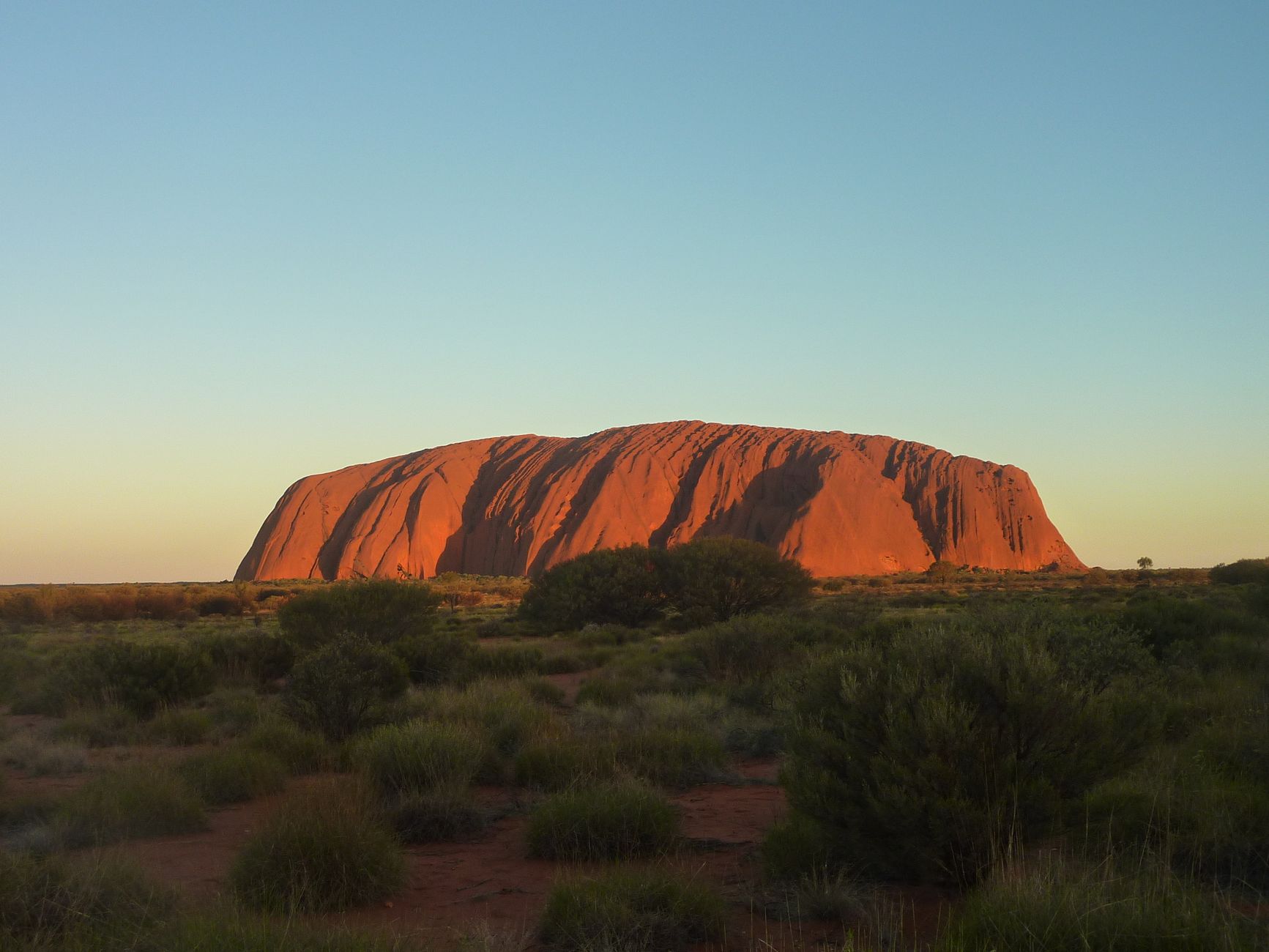
Uluru is a massive sandstone monolith standing 348 metres high, with a circumference of 10.6 km. It is located within the Uluṟu-Kata Tjuṯa National Park. For the Anangu people, the traditional owners of the land, this is a deeply sacred site. Every crack, cave, and waterhole tells a story of the Tjukurpa (creation period).
Because of its remote location, visiting requires specific planning. You cannot simply pitch a tent near the rock, and the desert environment demands respect. If you are planning a wider trip, read our Australia guide to understand how the Red Centre fits into the rest of the country.
Essential Uluru Guide: Logistics and Planning
Getting to the Red Centre is straightforward if you know the flight routes. The closest airport is Ayers Rock Airport (AYQ), located just 6 km from the resort town of Yulara. Qantas, Jetstar, and Virgin Australia operate direct flights here from Sydney (3 hours), Melbourne (2.5 hours), and Brisbane (3 hours).
Alternatively, you can fly into Alice Springs (ASP) and drive. The drive from Alice Springs to Yulara is 450 km and takes about four and a half hours on sealed roads. You will take the Stuart Highway south before turning right onto the Lasseter Highway. The Erldunda Roadhouse at the turn-off is your best stop for fuel and food.
Before booking flights, ensure your entry documents are sorted. Check the Australia Visa and Entry Requirements, and specifically read how the Australia ETA and eVisitor Explained rules apply to your passport.
Park Passes and Costs
To enter the national park, you must purchase a Uluṟu-Kata Tjuṯa National Park pass. As of 2026, a standard adult pass costs AUD 38 (approx USD 25) and is valid for three consecutive days. You must buy this pass online via the Parks Australia website before you arrive, as there are no physical ticket booths at the park entrance. Keep the QR code on your phone to scan at the automated entry gates.
The Red Centre is an expensive destination due to its isolation. Everything from fresh food to petrol has to be trucked in across thousands of kilometres. For help budgeting for this remote area, read Australia Travel Cost: How Much Does a Trip Cost?.
When to Visit and How Long to Stay
The desert climate dictates your daily schedule. Summer (December to February) brings punishing heat, with daytime temperatures regularly exceeding 40°C (104°F). During these months, park rangers close the base walk at 11:00 AM for safety.
Winter (June to August) is the peak tourist season. Daytime temperatures are a comfortable 20°C to 25°C (68°F to 77°F), making it perfect for hiking. However, nighttime temperatures can drop below 0°C (32°F), so you will need a thick jacket for sunrise viewings. If you are deciding when to go, check our breakdown of the Best Time to Visit Australia: Weather and Seasons by Region.
Plan to spend at least two to three nights in Yulara. This gives you enough time to see Uluru at both sunrise and sunset, complete the base walk, and dedicate a morning to the nearby Kata Tjuta rock formations. To see how to fit this into your wider schedule, review our Australia Itinerary: 7, 10 and 14 Days.
Getting Around Yulara and the National Park
Yulara is a purpose-built resort town located 18 km from Uluru and 50 km from Kata Tjuta. It operates essentially as a monopoly run by Voyages Indigenous Tourism Australia. Within Yulara, a free shuttle bus runs continuously in a loop, connecting the various hotels, the campground, the supermarket, and the town square.
The free shuttle does not go into the national park. To get to the rock itself, you have three options:
- Hire a car: Pick up a rental car at Ayers Rock Airport. This gives you the ultimate freedom to visit the sunrise and sunset viewing areas on your own schedule.
- Uluru Hop-On Hop-Off Bus: This private bus service runs between Yulara and the key sites in the park. Passes start around USD 40 for one day.
- Guided Tours: Book specific excursions (like a sunrise base walk or a Kata Tjuta hike) that include hotel pick-up and drop-off.
Top Things to Do in the National Park
The Uluru Base Walk
The best way to experience the scale of the monolith is to walk around it. The full base walk is a 10.6 km flat loop that takes three to four hours. Start at the Mala Carpark exactly at sunrise to beat the heat and the crowds. The path is entirely exposed, so carry at least one litre of water per hour of walking.
| Section | Distance | Highlights |
|---|---|---|
| Mala Walk | 2 km return | Kantju Gorge, ancient rock art, and caves used by the Mala (rufous hare-wallaby) people. |
| Mutitjulu Waterhole | 1 km return | A permanent water source featuring Wanampi (water snake) rock art. Very peaceful. |
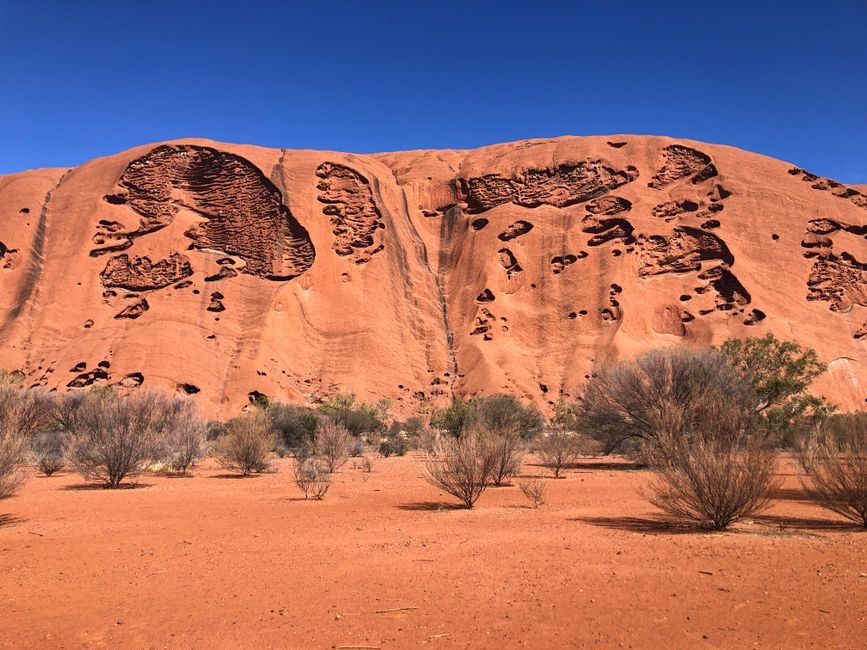
| Lungkata Walk | 4 km (one way) | Gets you up close to the rock surface to see the deep crevices and textures. |
| North-East Face | Variable | Sacred sites for Anangu men and women. Photography is strictly prohibited here. |
Kata Tjuta (The Olgas)
Located 50 km west of Uluru, Kata Tjuta is a collection of 36 steep, domed rocks. Many visitors find Kata Tjuta even more impressive than Uluru. The main activity here is the Valley of the Winds walk, a challenging 7.4 km circuit that takes you down into the rocky valleys and up to spectacular lookouts. Like the base walk, this trail closes at 11:00 AM on days when the forecast exceeds 36°C (97°F).
Evening Experiences
The desert sky at night is exceptionally clear, and several paid experiences take advantage of this. The Field of Light is an art installation by Bruce Munro featuring 50,000 solar-powered glass spheres covering the desert floor. It is best viewed just after sunset.
Wintjiri Wiru is a newer cultural experience launched in 2023. It uses choreographed drones, lasers, and projections in the night sky to tell the ancestral Mala story, narrated in the local Pitjantjatjara language. For a luxury dining experience, the Sounds of Silence dinner offers a buffet under the stars with an astronomer guiding you through the southern constellations.
Where to Stay: Ayers Rock Resort (Yulara)
Because camping or staying inside the national park is illegal, every visitor stays in Yulara. The accommodation caters to different budgets, but you should book months in advance. Prices fluctuate heavily based on the season.
- Ayers Rock Campground: The only budget option. Powered and unpowered sites cost between USD 30 and USD 40 per night.
- Outback Hotel: A mid-range option with basic, comfortable rooms (USD 200 – USD 250). It features a lively DIY BBQ area where you can cook your own meat.
- Desert Gardens Hotel: Premium accommodation (USD 300 – USD 400). Some rooms offer direct, uninterrupted views of Uluru from the balcony.
- Sails in the Desert: The main luxury hotel in the resort centre (USD 400 – USD 500), featuring a large swimming pool and an indigenous art gallery.
- Longitude 131: An exclusive, ultra-luxury lodge consisting of 16 tented pavilions facing the rock. Rates start well over USD 2,000 per night and include all meals and private tours.
Mistakes to Avoid and Safety
The most common mistake visitors make is underestimating the desert environment. Dehydration and heat exhaustion are real risks. Carry more water than you think you need, wear a wide-brimmed hat, and hike early. In the warmer months, the flies can be relentless; buy a cheap fly net to wear over your head at the Yulara supermarket.
Respect the cultural rules. Climbing Uluru was permanently banned in October 2019 out of respect for the Anangu people, for whom the rock is a sacred ancestor. Do not attempt to climb it, and do not walk off the marked paths.
Pay strict attention to the “No Photography” signs on certain sections of the base walk. These mark sensitive cultural sites where traditional law dictates the physical features of the rock should not be recorded or viewed by uninitiated people. For general precautions on travelling in the outback, review Is Australia Safe to Visit? Safety Tips for Travellers and read our Australia Travel Tips: What to Know Before You Go.
What to Combine with the Red Centre
If you have rented a car, you can drive the Red Centre Way. This route connects Uluru to Kings Canyon in Watarrka National Park (a 3-hour drive from Yulara). The Kings Canyon Rim Walk is a spectacular 6 km hike along towering sandstone cliffs.
Because Ayers Rock Airport connects directly to major cities on the east and south coasts, it is easy to pair the desert with completely different landscapes. You could fly south to Melbourne to contrast the red dirt with the coastal cliffs of the Great Ocean Road Itinerary, or head further south to the cool wilderness detailed in our Tasmania Travel Guide.
If your Uluru visit is part of a larger journey through the region, see the Oceania guide for border-crossing logistics and flight routes connecting Australia to the Pacific.
Plan Your Trip
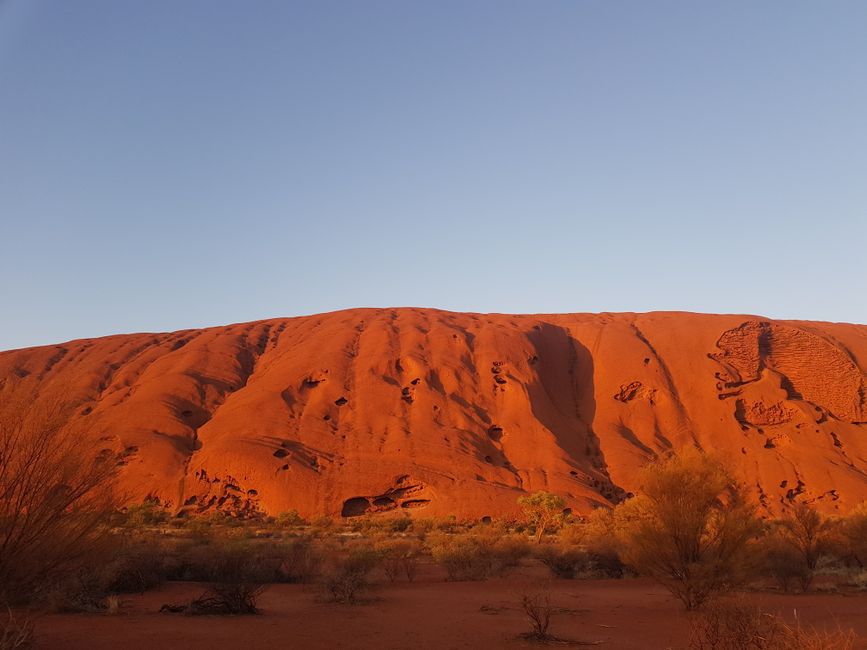
Secure your accommodation in Yulara before booking your flights, as the hotels frequently sell out during the winter peak season. Buy your park pass online a few days before you arrive, pack sturdy walking shoes, and prepare for early alarms. Watching the monolith change from deep purple to fiery red at dawn is worth every lost hour of sleep.