The best time to visit Australia depends entirely on which part of the massive continent you plan to explore. For a nationwide trip covering Sydney, the Outback, and the Great Barrier Reef, the shoulder seasons of September to November (spring) and March to May (autumn) offer the most balanced weather. During these months, the southern cities are mild and pleasant, while the tropical north avoids the intense summer rains and box jellyfish season.
Before locking in your flight dates, start by reading our comprehensive Australia travel guide to decide which states and territories you actually have time to cover. If you are combining your trip with neighbouring countries like New Zealand or Fiji, consult our broader Oceania travel guide to align the regional seasons.
Best Time to Visit Australia by Region
Australia is roughly the same size as the continental United States, meaning you can be skiing in the south while people are sweating through tropical humidity in the north. Understanding the regional climate zones is the most critical part of planning your trip.
The Tropical North (Cairns, Darwin, Broome)
The northern third of Australia operates on two distinct seasons: the Wet and the Dry. The Dry season runs from May to October, bringing clear blue skies, low humidity, and daytime temperatures around 28°C to 30°C (82°F to 86°F). This is peak tourist season for the Great Barrier Reef, Kakadu National Park, and the Kimberley region.
The Wet season (November to April) brings monsoonal rains, extreme humidity, and the risk of cyclones. Many unsealed roads in national parks flood and close during these months, making landmarks like Jim Jim Falls inaccessible by car. Furthermore, the Wet season coincides with marine stinger (jellyfish) season along the Queensland coast, meaning you must wear a full-body lycra suit to swim in the ocean.
The Red Centre (Uluru, Alice Springs)
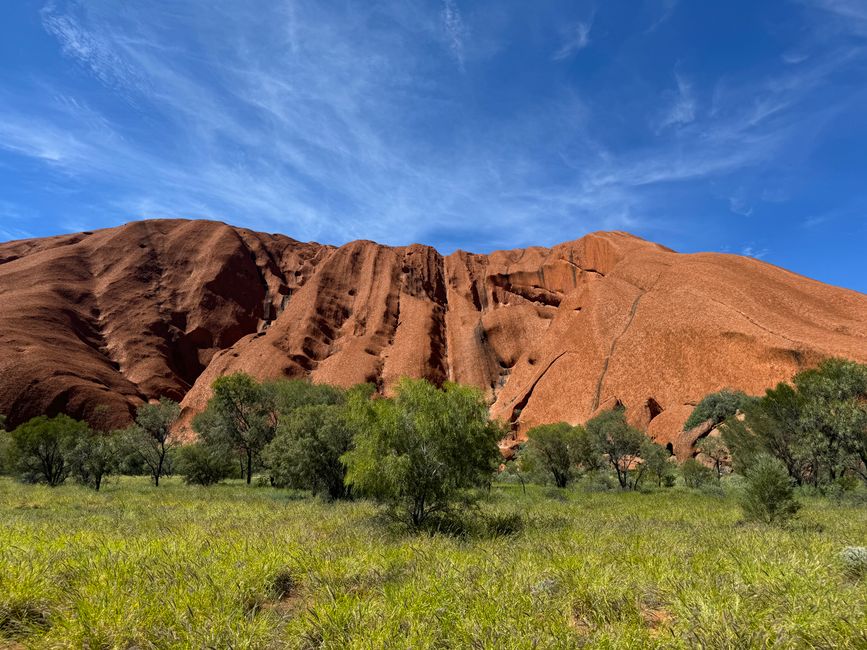
The arid interior of the country experiences extreme temperature swings. Summer (December to February) is punishingly hot, with daytime highs regularly exceeding 40°C (104°F). National park authorities often close the 10 km base walk around Uluru by 11:00 AM due to heat exhaustion risks.
Winter (June to August) offers perfect hiking weather during the day at around 20°C to 22°C (68°F to 72°F), but nighttime temperatures can plummet below 0°C (32°F). The optimal balance is found in autumn (April and May) and spring (September and October). For detailed logistics on visiting the spiritual heart of the Outback, read our Uluru travel guide.
Southern Cities and Coastlines (Sydney, Melbourne, Perth, Adelaide)
The southern half of Australia experiences four distinct seasons, opposite to those in the Northern Hemisphere. Summer (December to February) is the classic beach season. Expect temperatures between 25°C and 35°C (77°F to 95°F). Sydney and Brisbane can be quite humid, while Perth and Adelaide experience a dry heat.
Winter (June to August) is cool, with daytime highs around 14°C to 17°C (57°F to 63°F). You will need a jacket, and you can even ski in the Snowy Mountains of New South Wales or the Victorian Alps. Melbourne is famous for experiencing “four seasons in one day,” so packing layers is essential year-round.
Tasmania
Australia’s island state is located far south and has a much cooler maritime climate. Summer (December to February) is the best time to visit, offering comfortable hiking temperatures around 21°C (70°F) for exploring Cradle Mountain or Freycinet National Park. Winter (June to August) is cold and often wet, with snow on the higher peaks. Plan your island itinerary with our Tasmania travel guide.
Australia Seasonal Weather Guide
To help you map out your travel dates, here is a detailed breakdown of what to expect during the four main seasons across the continent.
Summer (December to February)
In the southern cities, this is peak beach season. Expect long, sunny days perfect for surfing at Bondi, attending the Boxing Day Test cricket match at the Melbourne Cricket Ground, or watching the start of the Sydney to Hobart Yacht Race. However, summer is also peak cyclone season in the tropical north. Cities like Cairns and Darwin experience torrential daily downpours and temperatures around 32°C (90°F) with oppressive humidity.
Autumn (March to May)
Autumn is arguably the most comfortable time to explore the entire country. The southern states cool down to a pleasant 20°C to 25°C (68°F to 77°F). This is the harvest season for Australia’s premier wine regions; visiting the Barossa Valley or the Margaret River during autumn means you will see the vineyards turning vibrant shades of gold and red. Up north, the rains begin to ease by April, reopening access to remote Outback roads.
Winter (June to August)
Winter flips the domestic tourist map. The southern states experience their coldest weather, drawing skiers to alpine resorts like Perisher and Mt Buller. Meanwhile, the northern half of the country enters its prime tourist season. The Top End and Far North Queensland bask in dry, sunny days around 28°C (82°F) with minimal humidity, making it the perfect escape from the southern chill.
Spring (September to November)
Spring brings warming temperatures and massive floral blooms. Western Australia is famous for its wildflower season, where over 12,000 species carpet the landscape from Kalbarri National Park down to Albany. In the Red Centre, spring brings warm days around 28°C (82°F) before the extreme heat of summer sets in. The ocean temperatures along the southern coast remain a bit chilly for swimming until November, but the mild weather makes coastal road trips highly enjoyable.
| Season | Months | Southern Coast | Tropical North | Red Centre |
|---|---|---|---|---|
| Summer | Dec – Feb | Hot and sunny; peak beach season | Wet season; heavy rain, high humidity | Extreme heat; hiking restricted |
| Autumn | Mar – May | Mild and pleasant; wine harvest | Rains easing; humidity dropping | Warm days, cool nights; ideal |
| Winter | Jun – Aug | Cool to cold; alpine snow | Dry season; clear skies, low humidity | Pleasant days, freezing nights |
| Spring | Sep – Nov | Warming up; wildflower blooms | Humidity building; “the build-up” | Warm days, cool nights; ideal |
Best Time to Visit Australia for Key Experiences
Snorkelling the Great Barrier Reef
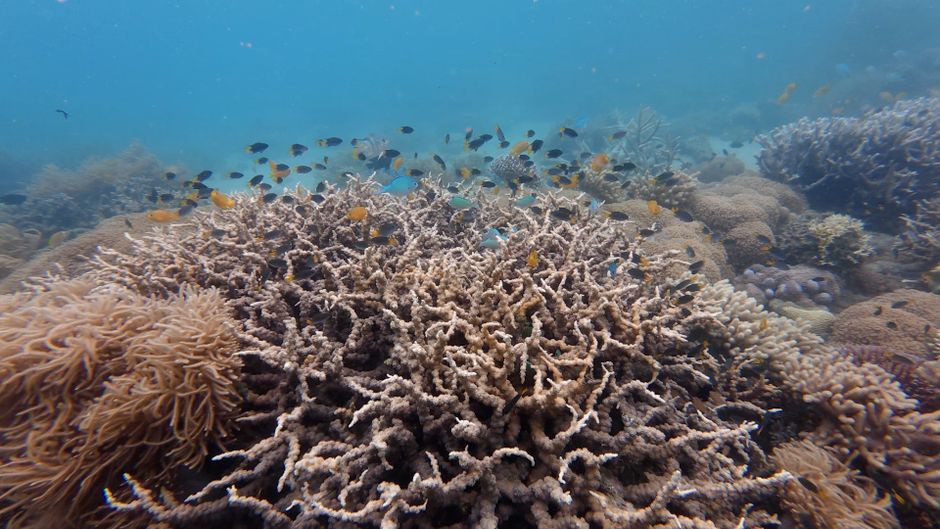
The optimal window for the reef is June to October. The water temperature remains a comfortable 24°C (75°F), underwater visibility is at its peak due to minimal rainfall runoff, and you avoid the dangerous box jellyfish and Irukandji jellyfish that plague the waters from November to May.
Driving the Southern Coastlines
Coastal road trips in the south require warm weather and long daylight hours. November through March is ideal for tackling the 240 km drive from Torquay to Allansford in Victoria. For a day-by-day route, see our Great Ocean Road itinerary.
Wildlife Watching
To see humpback whales migrating along the east coast, visit between July and November (Hervey Bay in Queensland is a major hotspot). If you want to see quokkas on Rottnest Island in Western Australia, September to November is when the joeys emerge from their mothers’ pouches. Kangaroo and koala spotting in sanctuaries or the wild is excellent year-round, though animals are most active at dawn and dusk.
Public Holidays and Festivals to Plan Around
Domestic tourism in Australia is massive, and accommodation prices can double during major holidays. A standard hotel room that costs $150 USD a night can easily jump to $300 USD or more during peak events.
School Holidays
The longest school holiday period runs from mid-December to late January. Coastal towns, national parks, and major attractions are heavily crowded. There are also two-week school holiday blocks around Easter (April), early July, and late September. Avoid booking coastal road trips or theme parks during these windows if you prefer quiet travel and lower prices.
Major Events
Sydney hosts Vivid Sydney, a spectacular light and music festival, for three weeks in late May and early June. Melbourne comes alive during the Australian Open tennis tournament in late January and the AFL Grand Final in late September. Sydney New Year’s Eve is world-famous, but you must book hotels and harbour vantage points up to a year in advance.
Plan Your Trip
Once you know the best time to visit Australia for your specific interests, it is time to map out the logistics. Depending on your time frame, you can steal our exact Australia itinerary for 7, 10 or 14 days.
Budgeting is crucial, as Australia is a notoriously expensive destination. Review our breakdown of how much a trip to Australia costs to estimate your daily expenses for food, accommodation, and transport.
Familiarise yourself with local laws, wildlife rules, and emergency contacts by reading our safety tips for Australia. You will also need to ensure your paperwork is in order. Every foreign visitor (except New Zealand citizens) requires advance permission to enter. Check the official Australia visa and entry requirements.
For most US and UK citizens, securing a visa means applying digitally. We explain the process in our guide to the Australia ETA and eVisitor. Finally, avoid common tourist mistakes by reading our top Australia travel tips before you board your flight.