Tasmania is Australia’s southernmost state, an island separated from the mainland by the Bass Strait. This Tasmania guide covers everything you need to know to navigate the island’s rugged national parks, convict history, and thriving food scene. Planning your logistics properly is essential here, as driving distances are longer than they look on a map and the weather shifts rapidly. For broader country information, start with our main Australia guide.
How to Get to Tasmania
Most international visitors reach Tasmania by flying from mainland Australia. The primary airports are Hobart Airport (HBA) in the south and Launceston Airport (LST) in the north. Direct flights operate daily from Melbourne, Sydney, and Brisbane via Qantas, Virgin Australia, and Jetstar. A flight from Melbourne takes just over an hour.
Alternatively, you can take the Spirit of Tasmania ferry, which departs from Geelong in Victoria and arrives in Devonport on Tasmania’s north coast. The crossing takes between 9 and 11 hours, with both day and night sailings available. Taking the ferry allows you to bring a vehicle from the mainland, which can be cost-effective for trips longer than three weeks.
Before booking flights, ensure your entry paperwork is sorted. Read about Australia Visa and Entry Requirements and get the specifics on the Australia ETA and eVisitor Explained to ensure you have the correct authorisation.
Getting Around the Island
Public transport in Tasmania is extremely limited. There are no passenger trains, and regional buses (operated by Kinetic) run infrequently between major towns, making it difficult to reach national parks. Renting a car or campervan is non-negotiable for most itineraries.
Major rental agencies operate out of Hobart and Launceston airports. Book your vehicle months in advance, especially for travel between December and February, as island inventory frequently sells out. The roads are generally well-maintained but often steep, winding, and single-lane in rural areas. For general driving advice, consult Is Australia Safe to Visit? Safety Tips for Travellers.
Tasmania Guide to the Best Time to Visit
Tasmania has a temperate maritime climate with four distinct seasons. Summer (December to February) brings the warmest weather, with average maximums between 17°C and 23°C (62°F to 73°F). This is peak tourist season, offering long daylight hours ideal for hiking and coastal drives.
Autumn (March to May) and Spring (September to November) are excellent shoulder seasons. Temperatures hover around 10°C to 17°C (50°F to 62°F). Autumn brings stable, clear days and the turning of the fagus (Australia’s only winter-deciduous tree) in the highlands. Spring is windier but features blooming wildflowers and active wildlife.
Winter (June to August) is cold, with coastal temperatures dropping to 3°C to 11°C (37°F to 52°F) and regular snow in the highlands. It is the quietest time to visit, though Hobart comes alive in June for the Dark Mofo winter festival. For a mainland comparison, check our guide on the Best Time to Visit Australia: Weather and Seasons by Region.
How Many Days Do You Need?
Do not attempt to drive around the entire island in a few days. The winding roads mean a 200 km drive can easily take three to four hours. To see a specific region, such as Hobart and the Tasman Peninsula, you need a minimum of 5 days.
A 7 to 10-day trip allows you to drive the East Coast from Hobart to Launceston, stopping at Freycinet and the Bay of Fires. To complete a full loop including the remote West Coast and Cradle Mountain, allocate 14 days. See how this fits into a broader trip in our Australia Itinerary: 7, 10 and 14 Days.
Tasmania Travel Costs & Parks Pass
Tasmania is slightly more expensive than mainland Australia for groceries and fuel due to freight costs, but accommodation and dining are comparable to Melbourne or Sydney. You will need a National Parks Pass to enter all state parks. The most cost-effective option for road trippers is the Holiday Pass, which costs around $60 USD and covers one vehicle and all its occupants for up to two months.
| Expense Category | Estimated Cost (USD) |
|---|---|
| Mid-range Hotel (per night) | $120 – $200 |
| Car Rental (per day) | $50 – $100 |
| Restaurant Dinner (per person) | $30 – $50 |
| National Parks Holiday Pass | $60 per vehicle |
| Museum/Attraction Entry | $20 – $35 |
To budget for your entire holiday, read Australia Travel Cost: How Much Does a Trip Cost?.
Top Things to Do in Hobart and the South
Hobart City
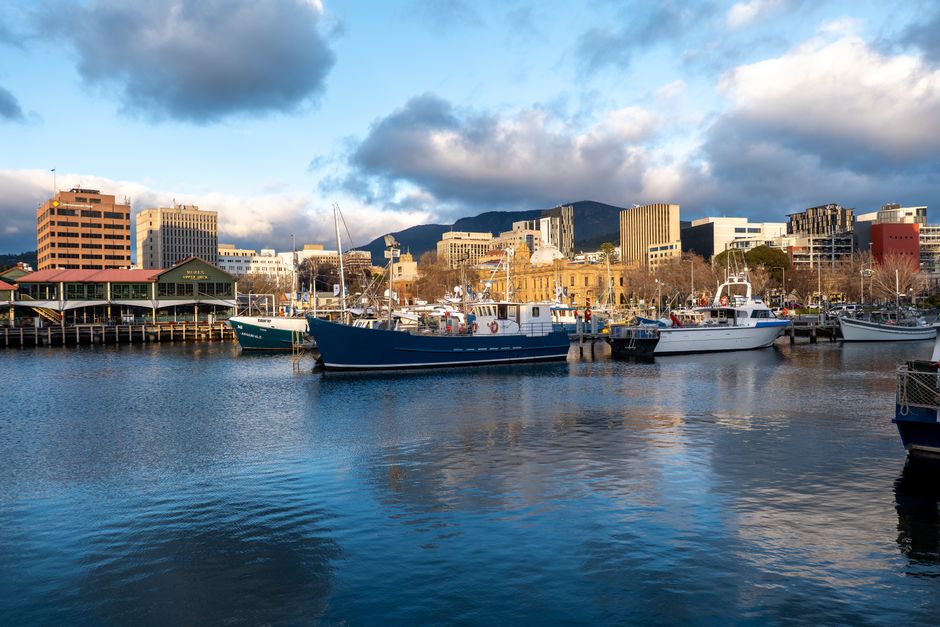
Tasmania’s capital sits on the Derwent River beneath the 1,271-metre peak of Mount Wellington (kunanyi). Drive or catch the Explorer bus to the summit for panoramic views of the city and harbour. In the city centre, the historic sandstone warehouses of Salamanca Place host the famous Salamanca Market every Saturday from 8:30 am to 3:00 pm.
The Museum of Old and New Art (MONA) is Hobart’s biggest draw. Located on the Berriedale peninsula, the best way to arrive is via the camouflage-painted MONA ferry departing from Brooke Street Pier. The subterranean museum is provocative, unconventional, and requires at least three hours to explore.
Port Arthur and the Tasman Peninsula
A 90-minute drive southeast of Hobart brings you to the Port Arthur Historic Site, a former penal colony. The entry ticket is valid for two consecutive days and includes a 40-minute guided walking tour and a 25-minute harbour cruise. Walk through the Separate Prison and the ruins of the Penitentiary to understand Australia’s harsh convict past.
Bruny Island
Accessible via a 20-minute vehicular ferry from Kettering (south of Hobart), Bruny Island is a major food destination. Stop at the Bruny Island Cheese Co., grab fresh oysters at Get Shucked, and climb the timber stairs at The Neck lookout, an isthmus connecting the north and south halves of the island. Keep an eye out for the island’s rare white wallabies.
Exploring the East Coast
Freycinet National Park
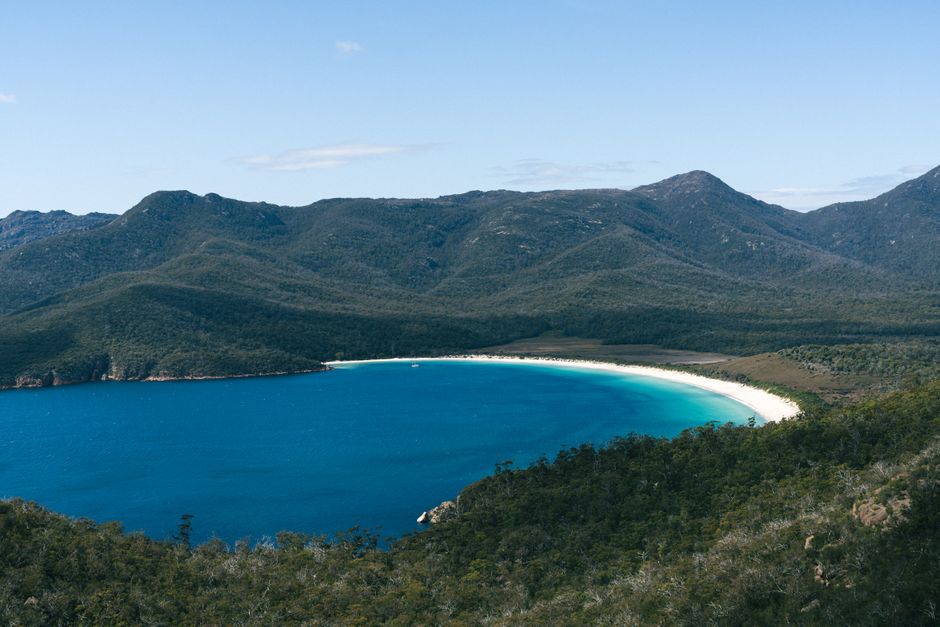
The East Coast is defined by white sand beaches and pink granite mountains. Freycinet National Park is home to the Hazards mountain range and Wineglass Bay. The walk to the Wineglass Bay lookout is a steep 3 km return trip taking about 90 minutes. For a flat, accessible alternative, drive to the Cape Tourville Lighthouse for sweeping ocean views.
Bay of Fires
Further north, stretching from Binalong Bay to Eddystone Point, lies the Bay of Fires. This conservation area is famous for its clear turquoise water, blindingly white sand, and large granite boulders covered in bright orange lichen. There are no entry fees here, and the coastal camping spots are highly sought after.
Cradle Mountain and the Rugged West
Cradle Mountain-Lake St Clair National Park
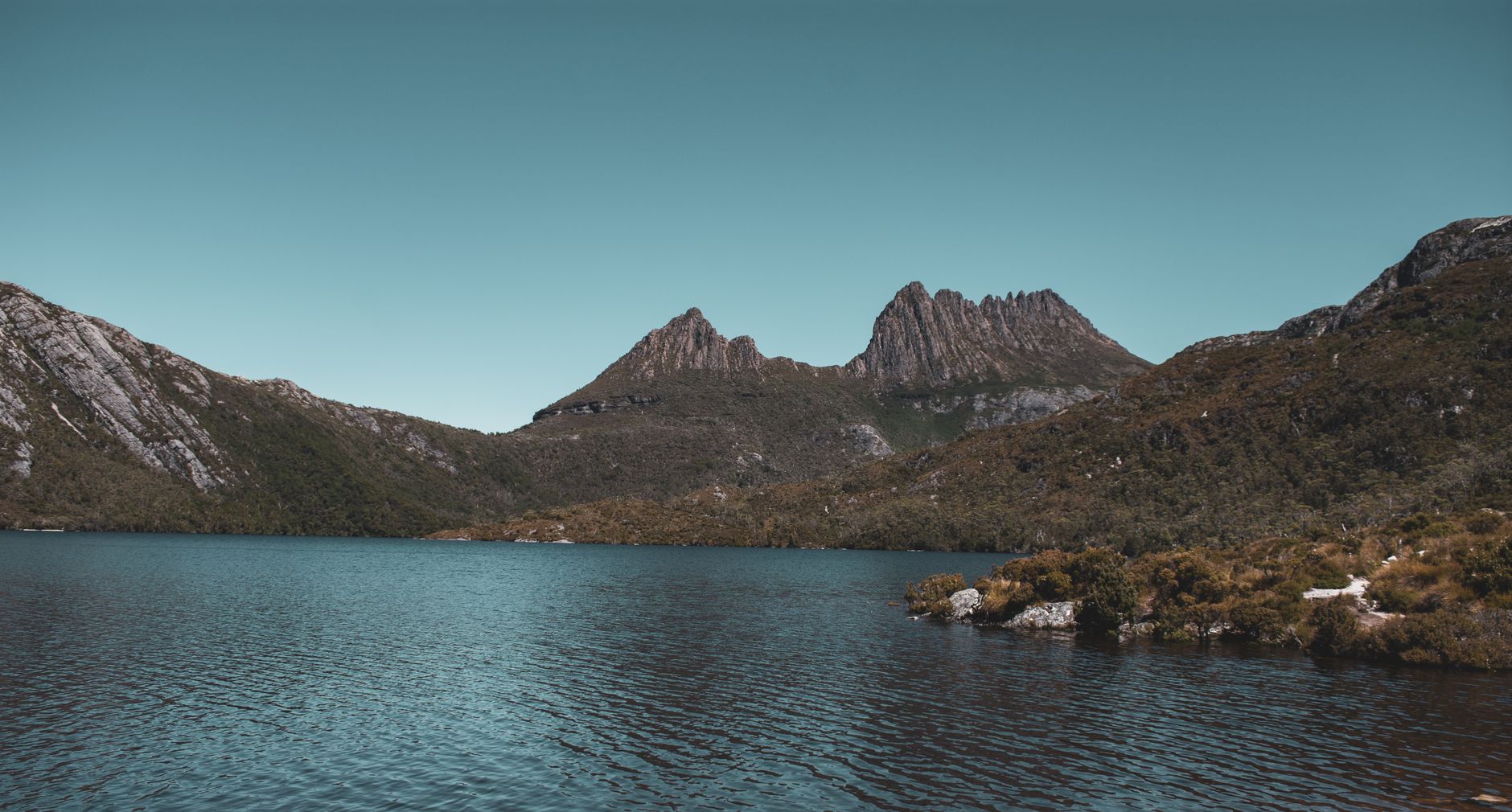
Located in the central highlands, Cradle Mountain is the jewel of Tasmania’s wilderness. Private vehicles are restricted from entering the park during opening hours; instead, visitors park at the visitor centre and use the frequent shuttle bus system.
The Dove Lake Circuit is a relatively flat, 6 km boardwalk trail taking two to three hours, offering constant views of the jagged mountain peaks. For a steeper challenge, hike up to Marions Lookout. At dusk, take the shuttle to Ronny Creek, where wild wombats graze heavily on the button grass plains.
The West Coast
The remote West Coast receives heavy rainfall, sustaining dense, ancient rainforests. The main hub is the village of Strahan, situated on Macquarie Harbour. From here, book a Gordon River Cruise to glide through the mirror-like waters of the Tasmanian Wilderness World Heritage Area. Nearby Queenstown offers the West Coast Wilderness Railway, a heritage steam train journey through steep rainforest gorges.
Mistakes to Avoid in Your Tasmania Guide
Driving at night: Tasmania has a dense population of nocturnal marsupials, including pademelons, wallabies, and wombats. They frequently graze on the roadside and cross unpredictably. Avoid driving outside major towns between dusk and dawn to prevent accidents.
Ignoring the weather forecasts: The weather in Tasmania can change from hot sunshine to freezing rain within hours, particularly in alpine regions like Cradle Mountain. Always pack layers, a waterproof jacket, and a beanie, even in January. Review our Australia Travel Tips: What to Know Before You Go for more packing advice.
Relying on mobile data: Cell reception is patchy or non-existent outside the major towns and highways. Download offline maps via Google Maps before leaving your hotel, and carry a physical map as a backup.
What to Combine with Tasmania
Because you will likely fly through Melbourne to reach Tasmania, spending three days driving the Great Ocean Road Itinerary is an easy addition to your trip. If you want a complete contrast in landscapes, fly from Hobart to the Red Centre; our Uluru Travel Guide covers the logistics of swapping alpine wilderness for the desert outback. For more regional inspiration, browse our complete Oceania guide.
Plan Your Trip
Tasmania requires advance planning. Secure your rental car and flights first, then book accommodation in smaller hubs like Cradle Mountain and Strahan, which sell out months ahead. Buy your National Parks Pass online before you arrive, pack warm layers, and prepare for one of Australia’s best road trips.