If you are planning a trip Down Under, you will need to sort out your entry permissions before you book your flights. The Australia ETA and eVisitor are two simple, electronically linked travel authorisations designed for short-term tourists and business visitors. Which one you need depends entirely on the passport you hold.
For most North American and Asian travellers, the ETA is the standard route, while UK and European citizens use the eVisitor system. Both allow you to explore the country for up to three months at a time, but the application methods and costs differ slightly.
Navigating government websites can feel overwhelming, especially when you just want to start planning your beach days and outback drives. This guide breaks down exactly how to secure your entry, how much it costs, and the common pitfalls that catch travellers out at the airport.
What is the Australia ETA and eVisitor?
Australia does not issue visas on arrival. Instead, you must apply for an electronic authorisation before you board your flight. The Australia Visa and Entry Requirements are strict, but for most international tourists, the process is entirely digital and highly automated.
The Electronic Travel Authority (ETA, Subclass 601) is designed for citizens of around 30 specific countries. This list includes the United States, Canada, Japan, South Korea, Singapore, and Malaysia. If you hold a passport from one of these nations, the ETA is your primary option for short-term tourism or business visits.
The eVisitor (Subclass 651), on the other hand, is specifically for passport holders from the United Kingdom, Ireland, and most European Union nations, including Germany, France, Italy, and Spain. Like the ETA, it is digitally linked to your passport chip, meaning you will not receive a physical stamp or a paper sticker for your passport pages.
Both authorisations allow for holidays, visiting family, or undertaking limited business visitor activities. You can attend a conference in Sydney or negotiate a contract in Melbourne, but you cannot undertake paid work for an Australian employer. If you are planning a wider trip across the Pacific, check our Oceania guide to see how these Australian entry rules compare to neighbouring countries like New Zealand or Fiji.
How to Apply and What It Costs
The application process is where the two authorisations diverge completely. As of 2026, the Australian government has streamlined both systems, but they operate on completely different platforms. You cannot apply for an eVisitor on the ETA app, and you cannot apply for an ETA on the government website.
If you need an ETA (Subclass 601), you must apply using the official “AustralianETA” app on your smartphone, available on iOS and Android. The app uses your phone’s camera to scan your passport’s biometric chip and take a live selfie to verify your identity. The government does not charge a visa fee, but there is a mandatory AUD 20 (around $13 USD) service charge paid within the app via credit card or mobile pay.
If you are eligible for the eVisitor (Subclass 651), you must apply online through the Department of Home Affairs’ ImmiAccount portal. Paper applications are no longer accepted; you must use the online Form 1362. The eVisitor is completely free of charge. You will need to create an ImmiAccount, fill out your passport details, and answer a few background questions.
| Feature | ETA (Subclass 601) | eVisitor (Subclass 651) |
|---|---|---|
| Eligible Passports | US, Canada, Japan, Singapore, etc. | UK, Ireland, EU nations |
| Application Method | AustralianETA smartphone app only | ImmiAccount website only |
| Government Cost | AUD 20 (approx. $13 USD) service fee | Free |
| Validity Period | 12 months | 12 months |
| Max Stay Per Visit | 3 months | 3 months |
Validity and Time Needed
Both the Australia ETA and eVisitor are valid for exactly 12 months from the date they are granted, or until your passport expires—whichever comes first. They are multiple-entry authorisations, meaning you can leave and return to Australia as many times as you like within that 12-month window.
However, each individual stay is strictly capped at three months (90 days). You cannot stay for six months straight on these authorisations. While some travellers attempt border runs by flying to Bali or New Zealand for a weekend and returning to reset their 90 days, Australian Border Force officers heavily scrutinise this practice. If they suspect you are living in Australia rather than visiting, your entry can be cancelled.
Processing times are usually incredibly fast. For both the ETA and eVisitor, most applicants receive an automated approval email within minutes. However, if you have a prior criminal conviction or if the system flags your application for a random manual review, it can take several days. Always apply at least a week or two before your departure date.
Once your approval comes through, you can start mapping out your daily schedule. If you are unsure how to pace your trip across such a massive country, our Australia Itinerary: 7, 10 and 14 Days breaks down realistic travel times and flight connections between major cities.
Mistakes to Avoid with Your Australia ETA or eVisitor
The biggest mistake international travellers make is falling for third-party scam websites. If you search for an ETA online, you will see dozens of unofficial agencies charging anywhere from $50 to $150 USD to process your application. Remember: the ETA is strictly app-only and costs exactly AUD 20. The eVisitor is completely free via the official government ImmiAccount site. Never pay a premium to a third-party website.
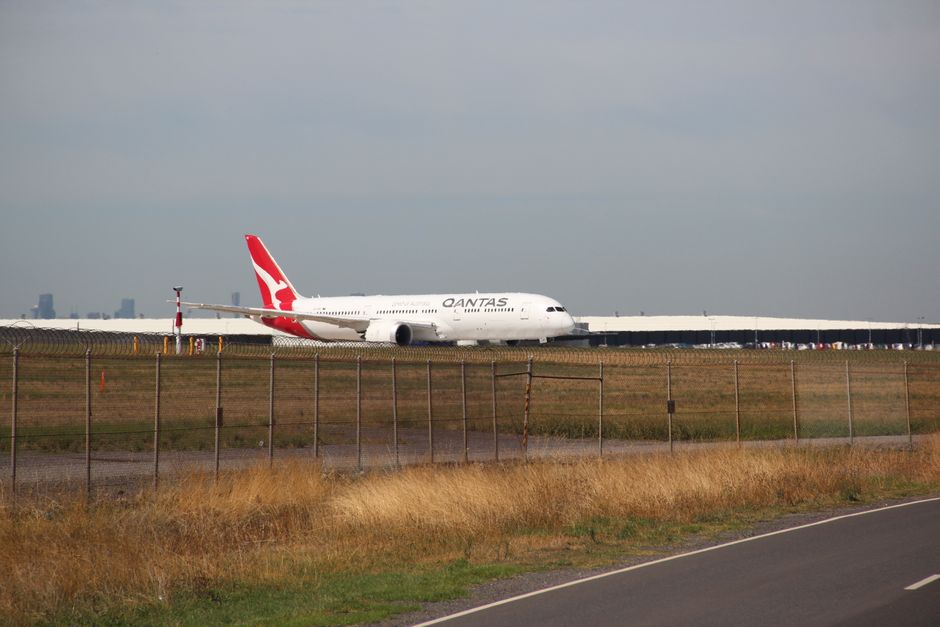
Another common issue is failing to book an onward ticket. While the visa itself allows a three-month stay, airlines like Qantas, Emirates, and Singapore Airlines routinely check for proof of onward travel at the check-in desk before you leave home. If you cannot show a verifiable flight leaving Australia within 90 days, you will likely be denied boarding. Border Force officers at Sydney (SYD) or Melbourne (MEL) can also demand to see this ticket upon arrival.
You must also ensure your passport details match your application exactly. If you lose your passport or renew it after getting your ETA or eVisitor, your travel authorisation immediately becomes invalid. You cannot transfer it to a new passport; you must submit and pay for a brand new application.
Finally, be honest about your criminal history. If you have a substantial criminal record (especially any sentence of 12 months or more, regardless of whether it was served), you are not eligible for an ETA or eVisitor. You must apply for a standard Subclass 600 Visitor Visa instead. For more practical advice on navigating local logistics and rules, read our Australia Travel Tips: What to Know Before You Go.
Planning Your Australian Adventure
With your entry sorted, you can focus on the fun part: building your trip. Australia is roughly the same size as the contiguous United States, so you cannot see it all in a single holiday. For a comprehensive overview of the country’s highlights, start with our main Australia guide.
Because the country spans multiple climate zones, timing is everything. Start by checking the Best Time to Visit Australia: Weather and Seasons by Region to align your dates with the right destinations. If you are heading to the Red Centre to see Uluru, summer temperatures regularly exceed 40°C (104°F), making the cooler winter months (June to August) the much safer and more comfortable choice. Our Uluru Travel Guide covers the logistics of flying into Ayers Rock Airport (AYQ), booking park passes, and respecting the sacred sites.
If your dream is to snorkel the Great Barrier Reef, you will want to fly into Cairns (CNS) or Proserpine (PPP) in Tropical North Queensland. This region operates on a wet and dry season. Visiting between May and October guarantees lower humidity and keeps you outside of the dangerous marine stinger season. Booking reef tours in advance is essential, especially if you want a smaller, eco-certified boat rather than a massive pontoon cruiser.
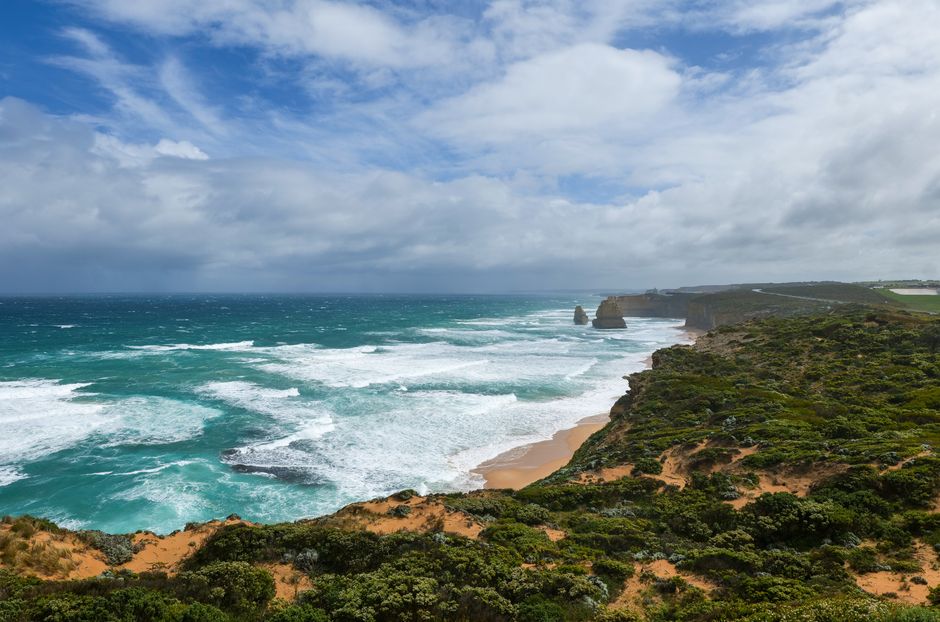
For coastal road trips, the southern states are ideal from November to March. You can fly into Melbourne, rent a car, and follow our Great Ocean Road Itinerary past the limestone stacks of the Twelve Apostles. The driving distances are vast—Sydney to Melbourne alone is over 900 km—so plan for overnight stops in towns like Lorne or Port Campbell rather than rushing it in a single day.
Alternatively, take the Spirit of Tasmania ferry across the Bass Strait, or catch a short flight to Hobart. Use our Tasmania Travel Guide to explore the rugged wilderness of Cradle Mountain and the pristine beaches of the Freycinet Peninsula. Tasmania feels worlds away from the mainland’s deserts and tropical reefs.
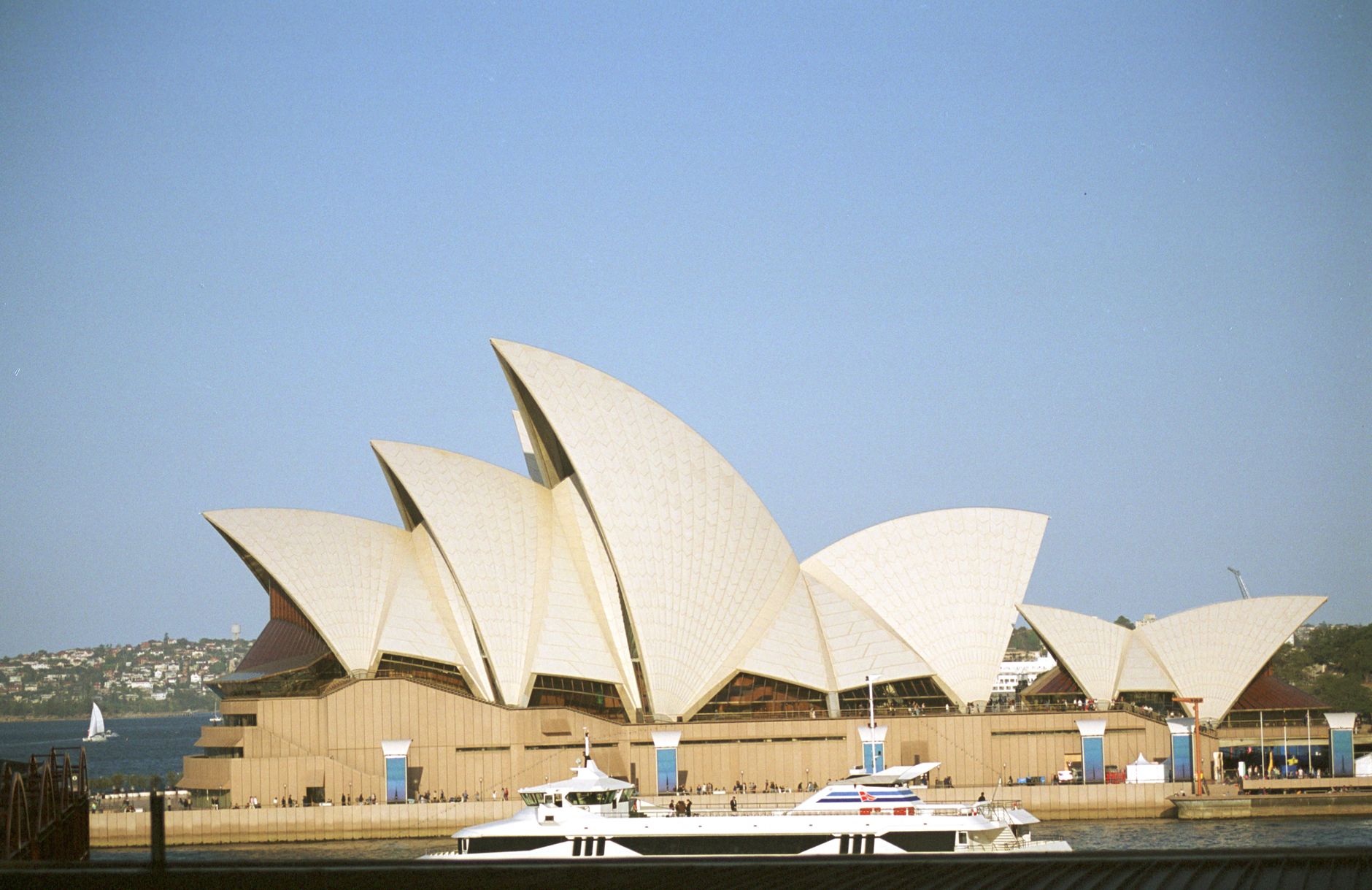
If you are basing yourself in Sydney, remember that the city is heavily decentralised. Staying near Circular Quay gives you immediate access to the Sydney Opera House and ferries to Manly Beach, but neighbourhoods like Surry Hills or Newtown offer much better local dining scenes. Budgeting is also crucial, as Australia is notorious for being an expensive destination. Review our detailed breakdown of Australia Travel Cost: How Much Does a Trip Cost? to estimate your daily expenses. A standard flat white coffee will set you back around $3.50 to $4.50 USD, and mid-range hotels in Sydney easily range from $150 to $250 USD per night.
Final Tips for a Smooth Arrival
When you land at major international hubs like Sydney (SYD), Melbourne (MEL), or Brisbane (BNE), you will not need to show a paper copy of your ETA or eVisitor. Because the authorisation is digitally linked to your passport chip, you can head straight to the automated SmartGates if you hold an eligible biometric passport. Simply scan your passport, look at the camera for facial recognition, and collect your entry ticket.
Before you exit the airport, you must pass through biosecurity. Australia has incredibly strict customs laws to protect its unique, isolated ecosystem from foreign pests and diseases. You must declare all food, plant material, wooden items, and animal products on your Incoming Passenger Card. Failing to declare something as simple as an apple from your flight or a wooden souvenir can result in an on-the-spot fine of over AUD 3,000.
If you are wondering about general security while travelling around the country’s cities and outback regions, read Is Australia Safe to Visit? Safety Tips for Travellers. Once you clear customs and biosecurity, grab a local SIM card or eSIM, tap your credit card for the airport train into the city centre, and start your Australian adventure.